


One sample returning a favorable result does not establish that a production sterilization process is validated. Medical device sterilization validation requires an appropriate, documented demonstration for the specified product and process. The question includes the finished device, its manufacturing condition, packaging and load configuration, not simply the material used for its main housing.
A component manufacturer does not need to become a sterilization laboratory to contribute meaningfully. It does need to supply representative parts, preserve the agreed material and process history, and communicate changes that could affect the evidence. These interfaces are where an apparently straightforward project can lose time or require additional work.
Define What Is Actually Being Validated
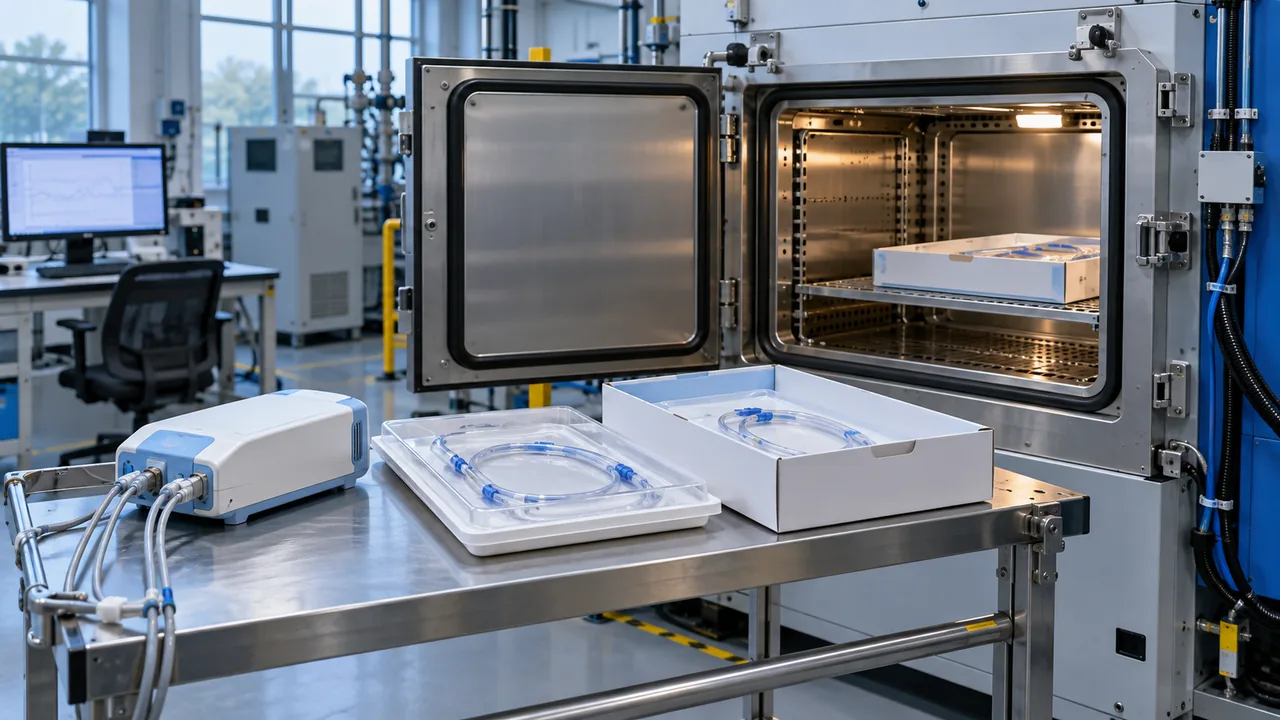
Begin by identifying the device configuration and intended sterilization route. Is the product a single-use assembly supplied sterile, or a reusable device with validated processing instructions? Those situations involve different responsibilities and should not be mixed into one vague plan.
List the relevant product variants and their differences. Size, lumen geometry, material combinations, packaging arrangement and assembly condition may affect the validation strategy. Ask the qualified specialist which variant or combination represents the challenge and why.
Distinguish microbial effectiveness from physical compatibility. Both matter, but they are not the same claim. Evidence that an exposure achieves its intended microbial objective does not show that the housing remains dimensionally acceptable, the adhesive retains strength or the device still performs its mechanical function.
For product-specific methods and evidence requirements, use qualified specialists and the applicable standards. The FDA sterilization method-selection discussion highlights material compatibility and the potential impact of design, material and supplier changes. Manufacturing information is therefore part of the assessment, not an administrative afterthought.
Freeze the Test Article, Not Just Its Part Number
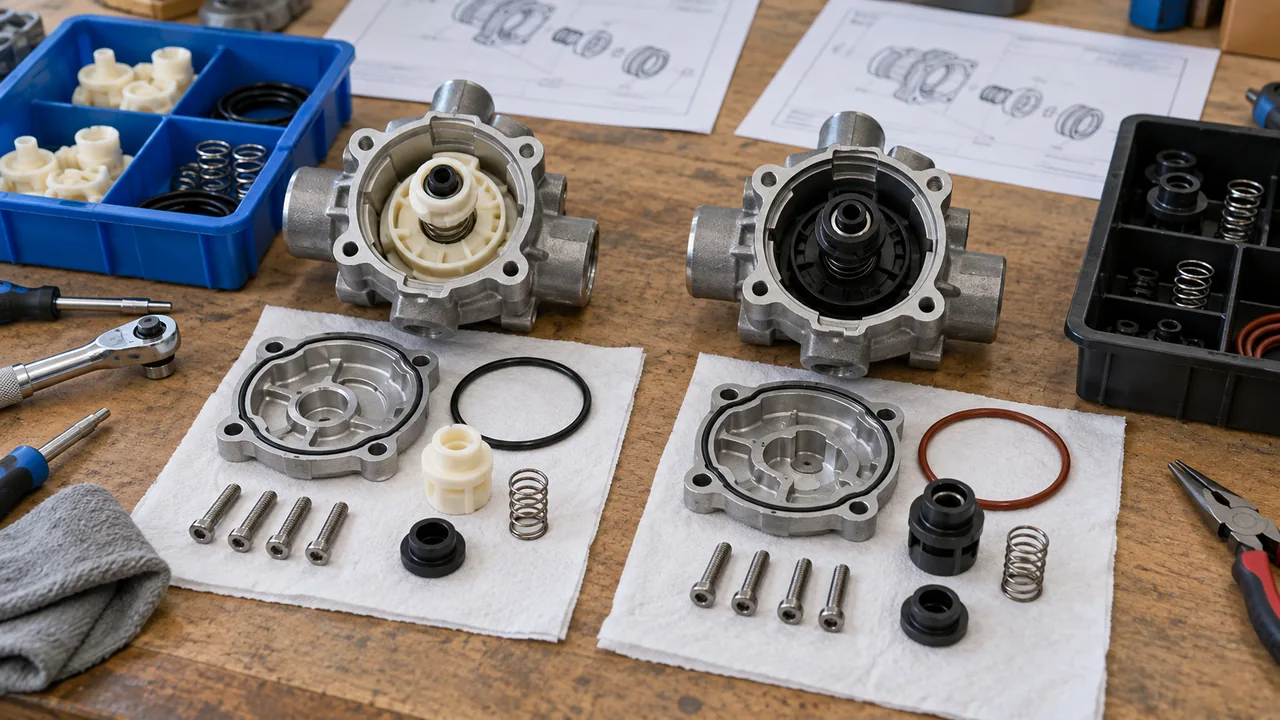
An unchanged part number can conceal a different resin grade, pigment, cleaning chemistry or assembly aid. Define the sample configuration through controlled records: material identity, manufacturing route, finishing, cleaning, assembly and packaging status.
Where a prototype differs from production, state the difference and the question that prototype can answer. A machined polymer sample may be useful for fit, yet fail to represent a molded weld line. A sample without coating may be unsuitable for investigating the final coating’s compatibility.
Il medical device manufacturing processes parent page describes the broader fabrication choices. Validation samples should represent the chosen route to the extent required by the study, including downstream steps that could alter the finished state.
Keep a Sample Genealogy
Connect each sample to the lot, drawing revision, material and relevant production records. Record deliberate development differences rather than hiding them. This information allows the team to decide whether results remain applicable when the production package is finalized.
Protect sample identity during shipment and testing. An unlabeled bag of visually identical components cannot reliably support conclusions about a particular variant or configuration. Define identification methods that do not introduce contamination or otherwise interfere with the study.
Product, Packaging and Load Are Connected
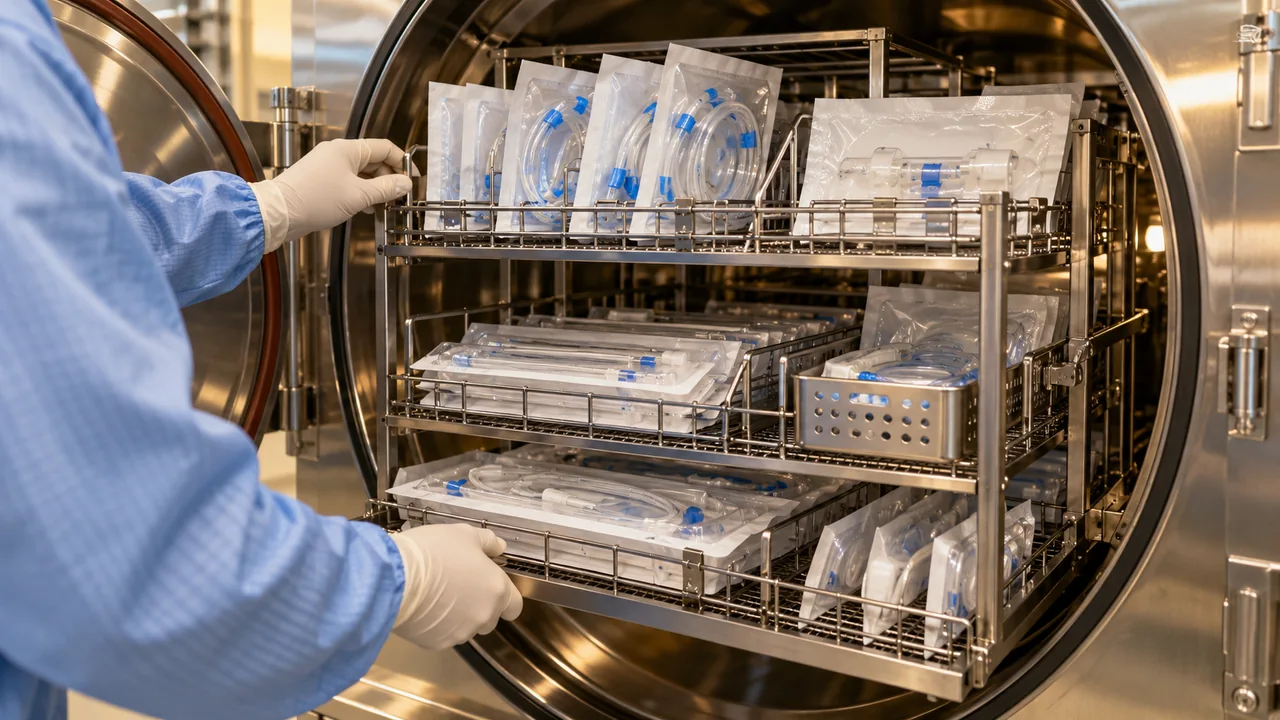
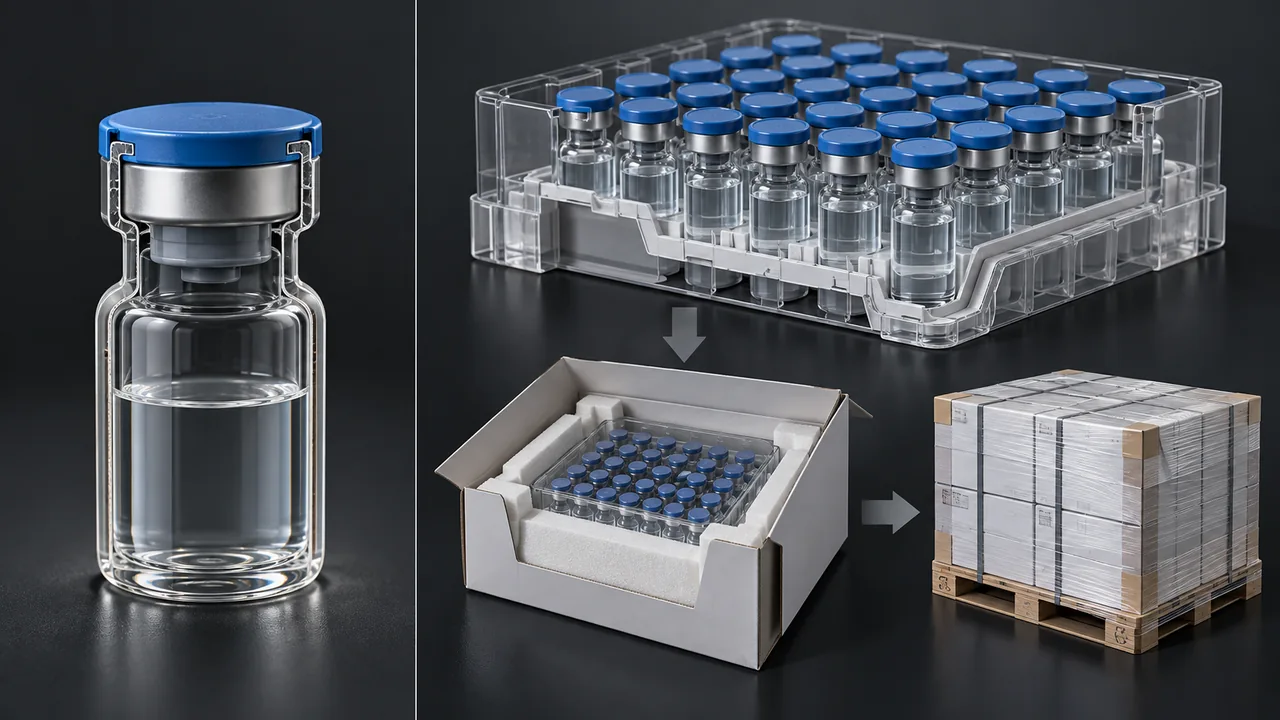
The device’s presented configuration matters. A tight interface, internal passage or protective enclosure may influence process access. Packaging can also affect how a process reaches the product and how the sterile state is subsequently maintained.
The sterilization partner should define relevant load arrangements and process conditions through its validation approach. The manufacturing team supplies accurate descriptions and representative hardware, rather than proposing an unsupported universal cycle or loading rule.
| Interface | Manufacturing information needed | Risk of an incomplete handoff |
|---|---|---|
| Device geometry | Internal spaces, openings and assembly condition | The study uses a more accessible configuration than production |
| Materiali | Exact grades, additives and surface treatments | Compatibility evidence applies to a different formulation |
| Cleaning state | Defined upstream residue controls and handling | Trial samples do not represent routine product |
| Imballaggio | Final component orientation and protective features | Test presentation differs from commercial presentation |
| Load configuration | Product variants and quantity assumptions | The selected challenge does not cover intended production |
These are coordination points, not a validation protocol. Acceptance criteria, sampling and process challenge requirements need a qualified, product-specific basis.
Check Function After the Relevant Exposure
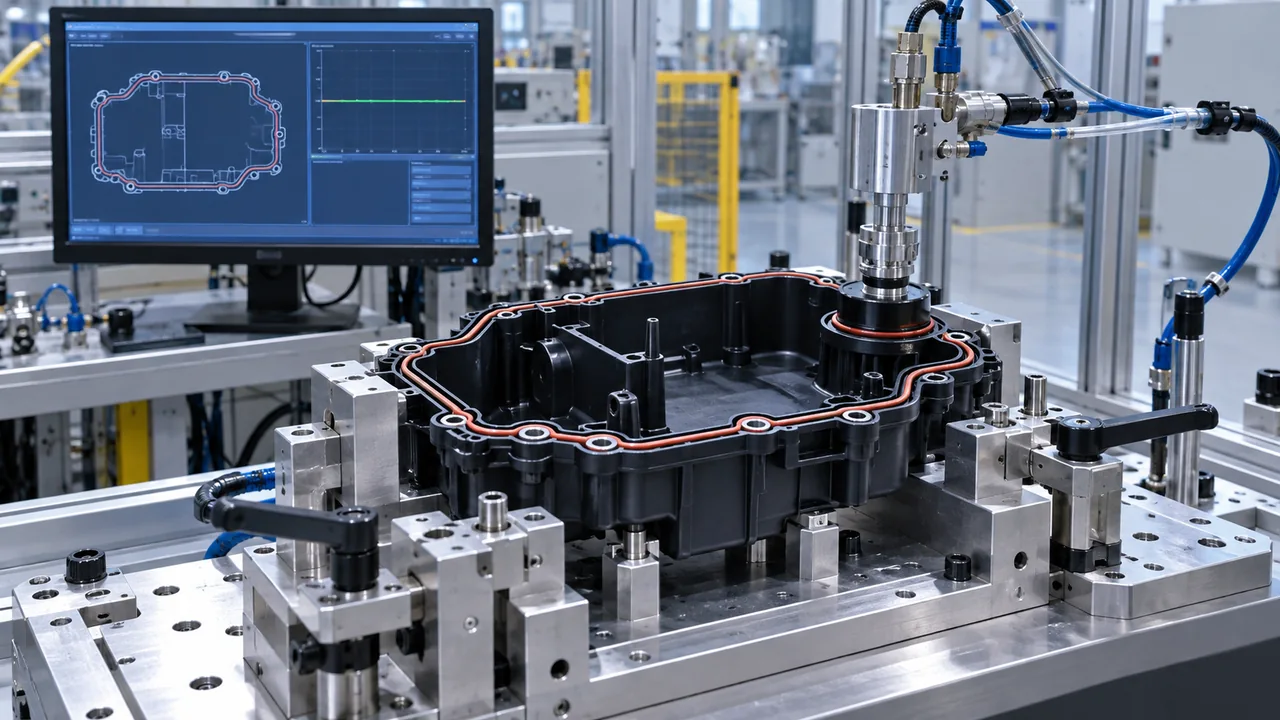
Build a post-exposure inspection plan around what the device does. A snap-fit cover needs a suitable retention and opening evaluation; a sealed assembly needs its relevant integrity check; a moving mechanism needs a test that reflects its operating load and travel.
Use pre-exposure measurements where a comparison is meaningful. If the assembly has a delicate locating feature, establish its baseline position and the measurement method. If the feature changes after processing, determine whether the change originates in material behavior, assembly stress or an unrelated measurement effect.
For reusable products, the intended processing sequence and lifetime assumptions should be addressed by the responsible team. Repeated exposure can interact with wear, cleaning agents and mechanical use. Testing isolated new parts may overlook a failure that appears only after those conditions are combined.
Stainless steel machining can provide representative metal components, but the material alone does not define the test article. Include the specified surface treatment, assembled interfaces and release condition where they are relevant to the planned assessment.
Do not turn illustrative development observations into clinical claims. A component that retains dimensions after an exposure has demonstrated a particular physical result under defined conditions. It has not, by that fact alone, demonstrated all device-level safety or regulatory requirements.
Agree on Responsibilities Before Samples Are Made
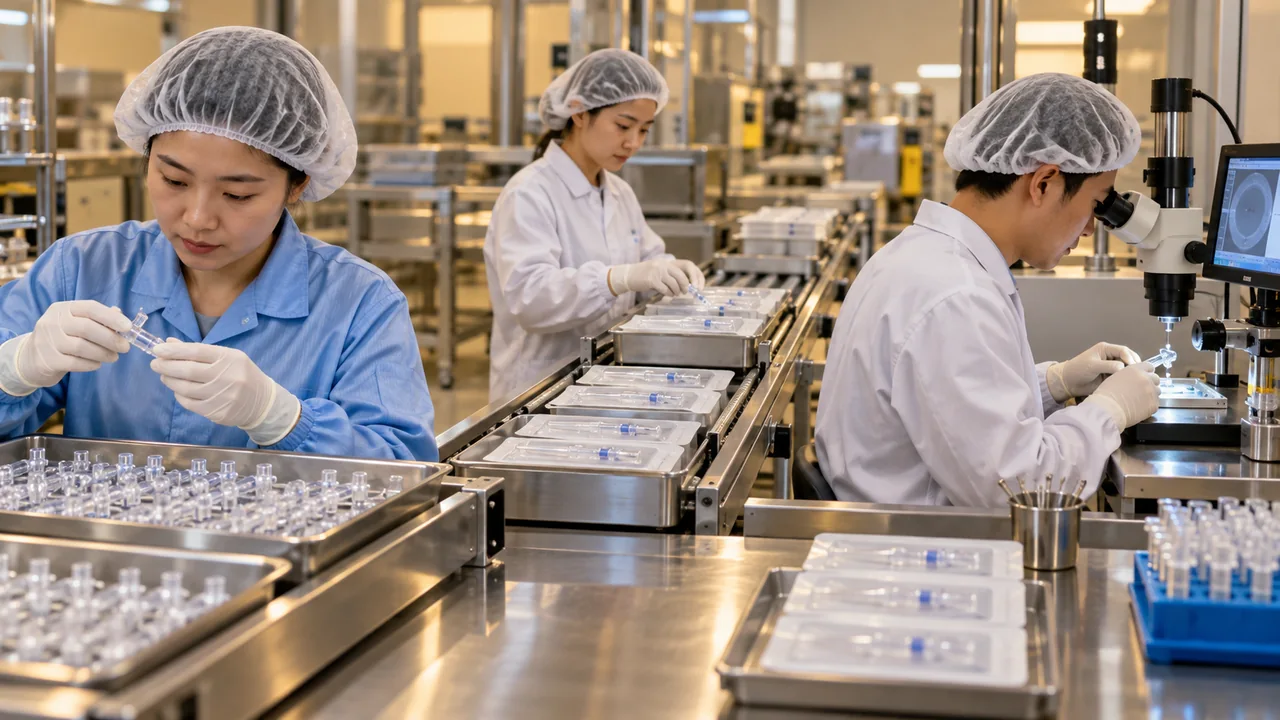
Assign ownership of the protocol, variant selection, sample preparation, shipment, laboratory coordination, review and release. Avoid an agreement that merely says the supplier is responsible for quality; that phrase does not identify who approves the study or handles a result outside expectations.
The component manufacturer should identify manufacturing limitations and provide the agreed records. The device owner should establish intended use and regulatory responsibilities. A qualified sterilization provider contributes the process expertise and applicable validation work. Additional laboratories may be needed for separate physical, chemical or biological evaluations.
Specify the response to a failed physical test. Preserve the sample and its history before reworking it. Compare the failure with the original requirements, investigate its mechanism and determine whether the corrective action changes the representativeness of samples already tested.
For Jucheng projects, discuss these interfaces during the manufacturing review. Clarify which prototypes, finished components, inspections and records are included in the quotation, and which validation activities remain with the device owner or specialist partners.
When Does a Change Need Another Assessment?
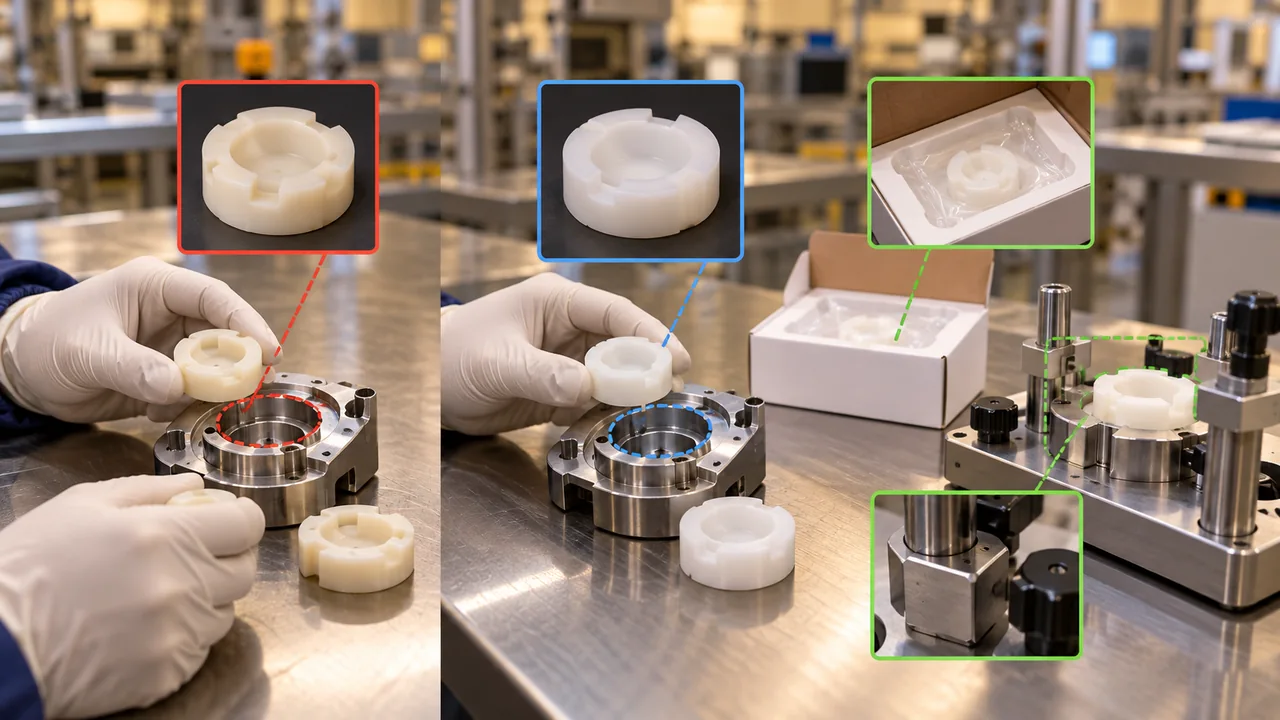
A material substitution, modified internal passage, new finishing process, changed cleaning chemistry or altered packaging can affect the basis of validation. Not every change demands the same action, but each relevant change needs a documented impact assessment before release.
Use the existing medical device process validation discussion for broader manufacturing-process control. Sterilization validation remains a specific activity with its own product and process boundaries; it should not be replaced by a generic manufacturing validation checklist.
Maintain the link between the approved configuration and current production. Evidence becomes less useful when the factory can no longer reconstruct which materials and processes it represents. A practical review asks whether the current product is still within the validated conditions and what information supports that conclusion.
Clearing Up Two Common Misunderstandings
Does a sterility test replace validation?
No. A test on selected samples does not, on its own, demonstrate that the specified process consistently performs as required for the intended product and configuration. It must be understood within the appropriate validation and release strategy.
Is a supplier’s sterilization-compatible material enough?
No. Material evidence can inform selection, but geometry, processing, assembly and packaging can introduce additional questions. Establish which evidence supports the finished configuration and which evaluations remain necessary.

