
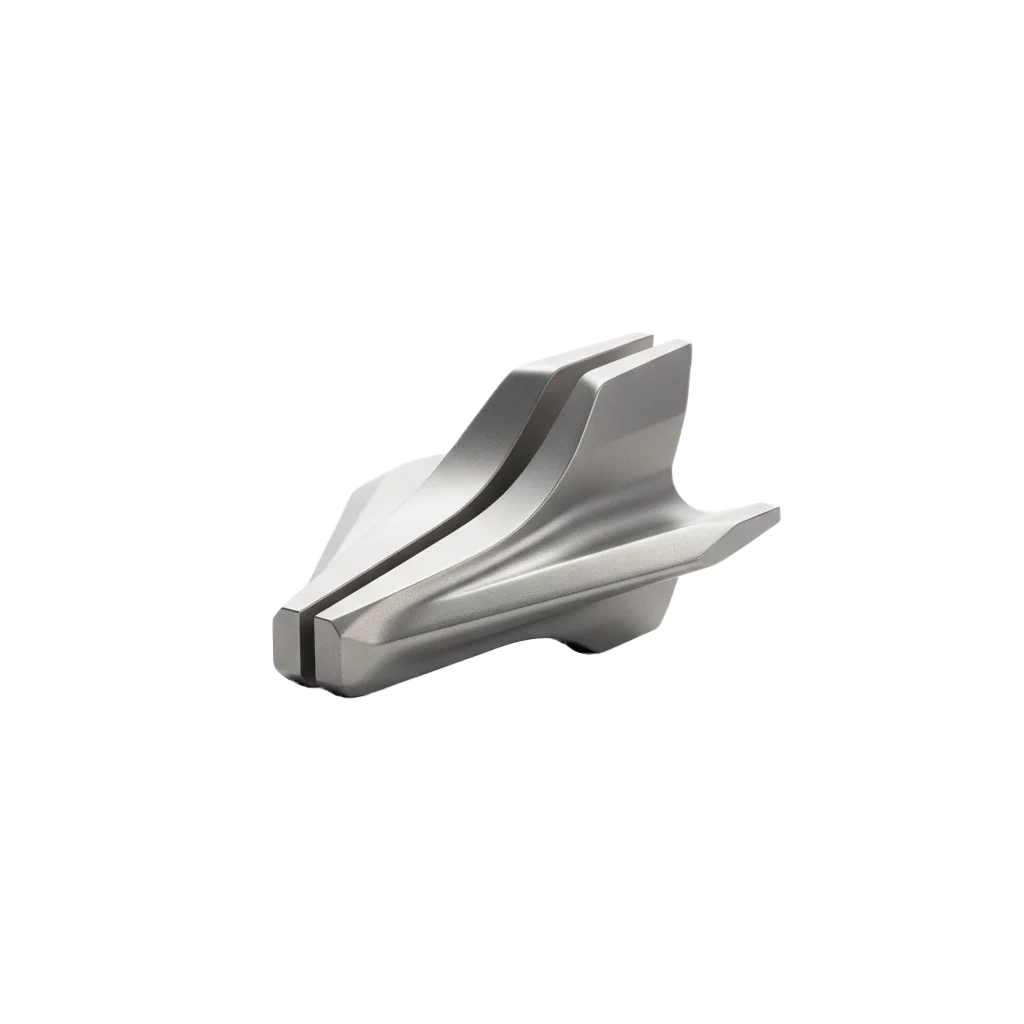
Cos'è la stampa 3D
La stampa 3D, nota anche come produzione additiva, è un processo di creazione di oggetti fisici a partire da un modello digitale. Nel contesto della prototipazione e della produzione, la stampa 3D viene utilizzata per creare prototipi e prodotti finali in un'ampia gamma di settori.
At Jucheng Precision, we provide various manufacturing solutions ranging from 3D printing prototypes to small-batch production. Jucheng Precision is ISO 9001:2015 Certified and has 190+ high-end technical personnel and SLS, SLA, MJF, and FDM 3D printers.
A seconda dei requisiti specifici e delle strutture del prodotto, possiamo fornirvi metodi di stampa 3D adatti, come la stampa 3D SLA (stereolitografia), la stampa 3D SLS (sinterizzazione laser selettiva), FDM (Modellazione a deposizione fusa) e DMLS (sinterizzazione laser diretta di metalli) per la produzione di campioni e la produzione in piccoli lotti durante il processo di sviluppo del prodotto.
➤ Modellazione a deposizione fusa (FDM)
Questo è il tipo più comune di stampa 3D. FDM comporta l'estrusione di un termoplastico
filamento attraverso un ugello riscaldato che fonde il materiale, che viene poi depositato strato dopo strato
per creare l'oggetto 3D.

Selezione dei materiali:
⦁ PLA (Acido polilattico)
⦁ ABS (Acrilonitrile butadiene stirene)
⦁ PETG (Polietilene tereftalato glicole)
Finiture disponibili:
⦁ Levigatura e lucidatura
⦁ Verniciatura o rivestimento
Vantaggi:
Relativamente economico e ampiamente disponibile Può stampare con una varietà di materiali In grado di produrre oggetti di grandi dimensioni.
Limitazioni:
Risoluzione e precisione limitate Strati visibili e altre imperfezioni Capacità limitata di stampare progetti complessi o intricati.
➤ Stereolitografia (SLA)
Questo tipo di stampa 3D utilizza un laser per solidificare una resina liquida, strato dopo strato, per creare l'oggetto 3D.
SLA produce stampe di alta qualità e dettagliate, ma può essere più costoso e più lento dell'FDM.

Selezione dei materiali:
⦁ Resine Standard
⦁ Resine Resistenti
⦁ Resine Trasparenti
Finiture disponibili:
⦁ Levigatura
⦁ Polimerizzazione UV
⦁ Rivestimento trasparente e Lucidatura
⦁ Painting & Silk Screen
Vantaggi:
Elevata precisione e risoluzione Finitura superficiale liscia In grado di produrre progetti complessi o intricati.
Limitazioni:
Più costoso della FDM Limitato a oggetti più piccoli Le opzioni di materiale sono più limitate.
➤ Sinterizzazione Laser Selettiva (SLS)
Questo processo utilizza un laser per fondere piccole particelle di materiale in polvere, come nylon o metallo, strato dopo strato per creare l'oggetto 3D.
SLS è noto per la sua capacità di produrre parti di alta qualità e durevoli.

Selezione dei materiali:
⦁ Nylon
⦁ Nylon caricato con vetro
⦁ TPU (Poliuretano Termoplastico)
Finiture disponibili:
⦁ Carteggiatura e Rettifica
⦁ Sabbiatura a perline
⦁ Levigatura chimica
Vantaggi:
Elevata precisione e risoluzione Capacità di produrre parti resistenti e durevoli.
Limitazioni:
Limitato a oggetti più piccoli Risoluzione e finitura superficiale limitate.
➤ Sinterizzazione Laser Diretta di Metallo (DMLS)
DMLS è un tipo di stampa 3D che utilizza un laser ad alta potenza per fondere insieme particelle di polvere metallica
strato dopo strato, per creare un oggetto 3D.

Selezione dei materiali:
⦁ Stainless Steel 316L
⦁ Alsi 10Mg
⦁ Ti64
Finiture disponibili:
⦁ Grinding
⦁ Anodizing
Vantaggi:
Able to produce highly complex geometries and shapes Can print with a variety of metals, including titanium, stainless steel, and aluminum High strength and durability, making it ideal for functional parts in industries such as automotive.
Limitazioni:
More expensive than other types of 3D printing, due to the cost of metal powders and the high-powered lasers required Limited resolution and surface finish, compared to other manufacturing methods like CNC machining Limited build size, which may not be suitable for larger parts or components.
How does design affect 3D printing costs?
Geometry complexity
The geometry of your part can affect the cost of 3D printing. Parts with intricate geometries or sharp corners may require additional support structures, which can add to the cost. On the other hand, parts with simple geometries and smooth surfaces may require less support material and post-processing, which can help reduce the cost.
Orientation and positioning
The orientation and positioning of your part on the build plate can also affect the cost of 3D printing. Parts that are printed flat on the build plate typically require less support material and can be printed faster, which can reduce the cost. However, parts that are printed at an angle or in a specific orientation may require more support material and take longer to print, which can increase the cost.
Material selection
The choice of material can also have a significant impact on the cost of 3D printing. Some materials, such as metal or high-performance polymers, can be more expensive than others. Additionally, using a higher quality or more specialized material may require additional post-processing or finishing, which can add to the cost.

Cost Reduction Design Tips
when 3D Printing
- Minimize the amount of support material
- Optimize the infill density
- Use lightweight materials
- Consider using a cheaper printing material
- Print multiple objects at once
The Value of 3D printing prototyping
3D printing is a popular choice for creating prototypes because it allows for the rapid production of physical models that can be used for testing, validation, and design verification.
Faster Prototyping: 3D printing allows for the creation of prototypes in a matter of hours or days, compared to traditional manufacturing processes which can take weeks or even months.
Cost-Effective: 3D printing allows for the creation of prototypes without the need for expensive molds or tooling, which can save a lot of money in the early stages of product development.
Iterative Design: Because 3D printing is so fast and cost-effective, it allows for rapid iteration and design changes, which can help to refine and improve the design before moving on to full-scale production.
Design Verification: Physical prototypes can help to identify design flaws, test for fit and function, and make sure that the product meets the intended specifications.
Customization: 3D printing allows for the creation of highly customized prototypes, which can be tailored to specific user needs or requirements.
It's important to note that 3D printing prototypes also have some limitations, such as lower resolution and accuracy compared to other manufacturing methods, limited material options, and the need for post-processing and finishing work to achieve the desired results. However, despite these limitations, 3D printing is still a highly effective tool for creating prototypes in a wide range of industries and applications.
The application of 3D printing in prototyping has been a game-changer for many industries
Product Development: 3D printing enables rapid prototyping, which allows companies to quickly test and refine their product designs. This saves time and money by identifying and fixing design flaws early in the development process.
Automotive Industry: 3D printing is used to create prototypes of car parts and components, allowing engineers to test and refine the designs before mass production. This enables them to identify potential issues and make improvements quickly.
Medical Industry: 3D printing is used to create prototypes of medical devices and implants, enabling doctors and engineers to test and refine the designs before they are used in patients. This helps to ensure that the devices are safe and effective.
Architecture and Construction: 3D printing is used to create prototypes of building components, such as facades, windows, and roofs. This enables architects and engineers to test and refine the designs before construction begins.
Prodotti di consumo: 3D printing is used to create prototypes of consumer products, such as electronics, toys, and fashion accessories. This enables designers to test and refine the designs before they are manufactured on a larger scale.
Altri settori: 3D printing is used to create prototypes of parts, allowing engineers to test and refine designs before using them for parts.

Richiedi il tuo DFM e Preventivo – Carica i tuoi Disegni
ㆍInserisci i tuoi requisiti e carica il tuo file 2D e 3D, ti forniremo il preventivo e il DFM entro 24 ore.ㆍTipi di file: STEP, STP, IGES, IGS, SLDPRT, 3DM, SAT, X_T, DWG, DXF, STL, PDF, ZIP e altri. Dimensione file: < 128 MB Dimensione pezzo: < 1500*1500*1500 mm
ㆍPrivacy: Rispettiamo la tua privacy. Qui puoi trovare un esempio di accordo di non divulgazione. Inviando questo modulo, accetti i nostri termini e condizioni e la politica sulla privacy.
ㆍPrivacy: Rispettiamo la tua privacy. Qui puoi trovare un esempio di accordo di non divulgazione. Inviando questo modulo, accetti i nostri termini e condizioni e la politica sulla privacy.
