


Medical device process validation is needed when a manufacturing outcome cannot be fully verified by later inspection or testing, or when complete verification would be impractical or destructive. Validation does not mean proving that one carefully managed batch passed. It means establishing objective evidence that a defined process, operated inside approved conditions, can repeatedly produce output meeting predetermined requirements.
The work begins before a protocol is written. Teams must understand the product risk, process mechanism, measurable inputs, output requirements, sources of variation, and the decisions the evidence must support. This guide follows that reasoning from process selection through revalidation.
Contents
The Validation Decision Comes First

Not every process needs the same validation approach. Begin by asking whether the output can be fully verified using a reliable, nondestructive, economically reasonable method. A machined diameter may be measurable on every part. Adhesive bond strength may require destructive testing and may depend on surface preparation, mix ratio, cure, humidity, and time. Sterility, cleaning effectiveness, heat treatment, welding integrity, and some molding outcomes may also contain characteristics that final inspection cannot completely confirm.
Document the decision and its risk basis. If routine verification is sufficient, define the inspection and process controls. If validation is needed, identify the specific output and failure modes it must address. Avoid labeling an entire production line as validated without stating which process steps, products, equipment, recipes, and ranges are covered.
The U.S. Food and Drug Administration’s Quality Management System Regulation became effective on February 2, 2026 and incorporates ISO 13485:2016 by reference. The broader context of medical device manufacturing standards helps teams connect validation with supplier controls, records, risk management, and change discipline. The practical expectation is a risk-based quality system in which process controls and validation are connected to product requirements, records, and change management.
Map the Process Before Writing the Protocol
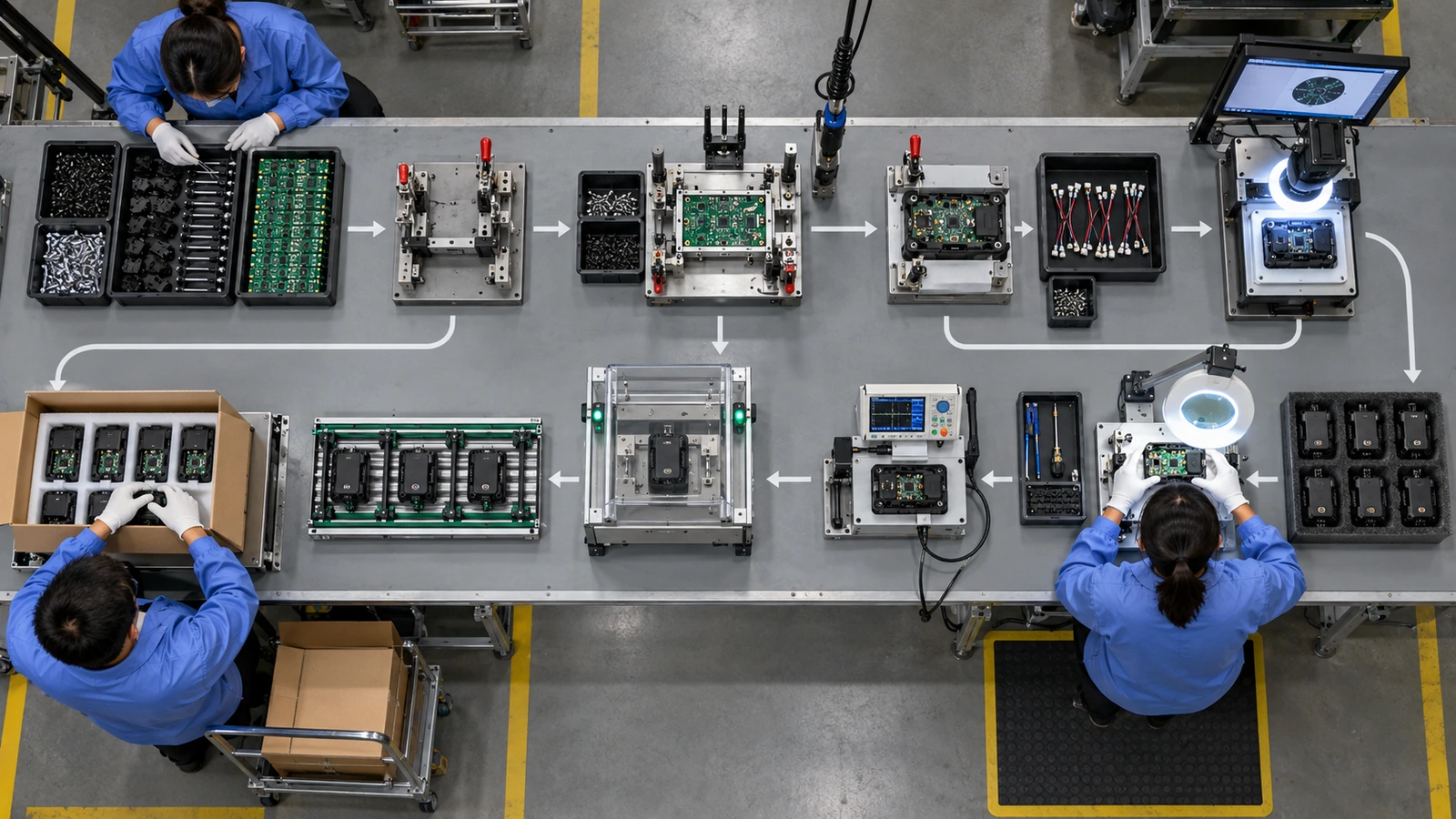
A protocol cannot compensate for an unexplained process. Build a process map showing incoming material, equipment, tooling, software, operator actions, environmental conditions, parameter settings, in-process checks, output tests, hold points, and rework. Identify noise factors that may vary during routine production.
| Process element | Questions to resolve | Potential evidence |
|---|---|---|
| Materiale | Which grade, condition, lot controls, storage, and preparation matter? | Specifications, certificates, moisture or preparation records |
| Equipment and tooling | Which machine, fixture, cavity, software, and maintenance state are covered? | Installation records, calibration, maintenance, configuration |
| Parameters | Which settings control the output and how are limits justified? | Development studies, DOE, engineering rationale |
| People and environment | What training, technique, temperature, humidity, or cleanliness matters? | Training records, environmental logs, standardized work |
| Output | Which measurable results show the process met product needs? | Dimensional, functional, destructive, or analytical tests |
This map should align with the overall medical device manufacturing process. Upstream variation may determine downstream success: material conditioning can influence molding, surface preparation can influence bonding, and machining residue can influence cleaning.
Qualification Is a Lifecycle, Not Three Acronyms
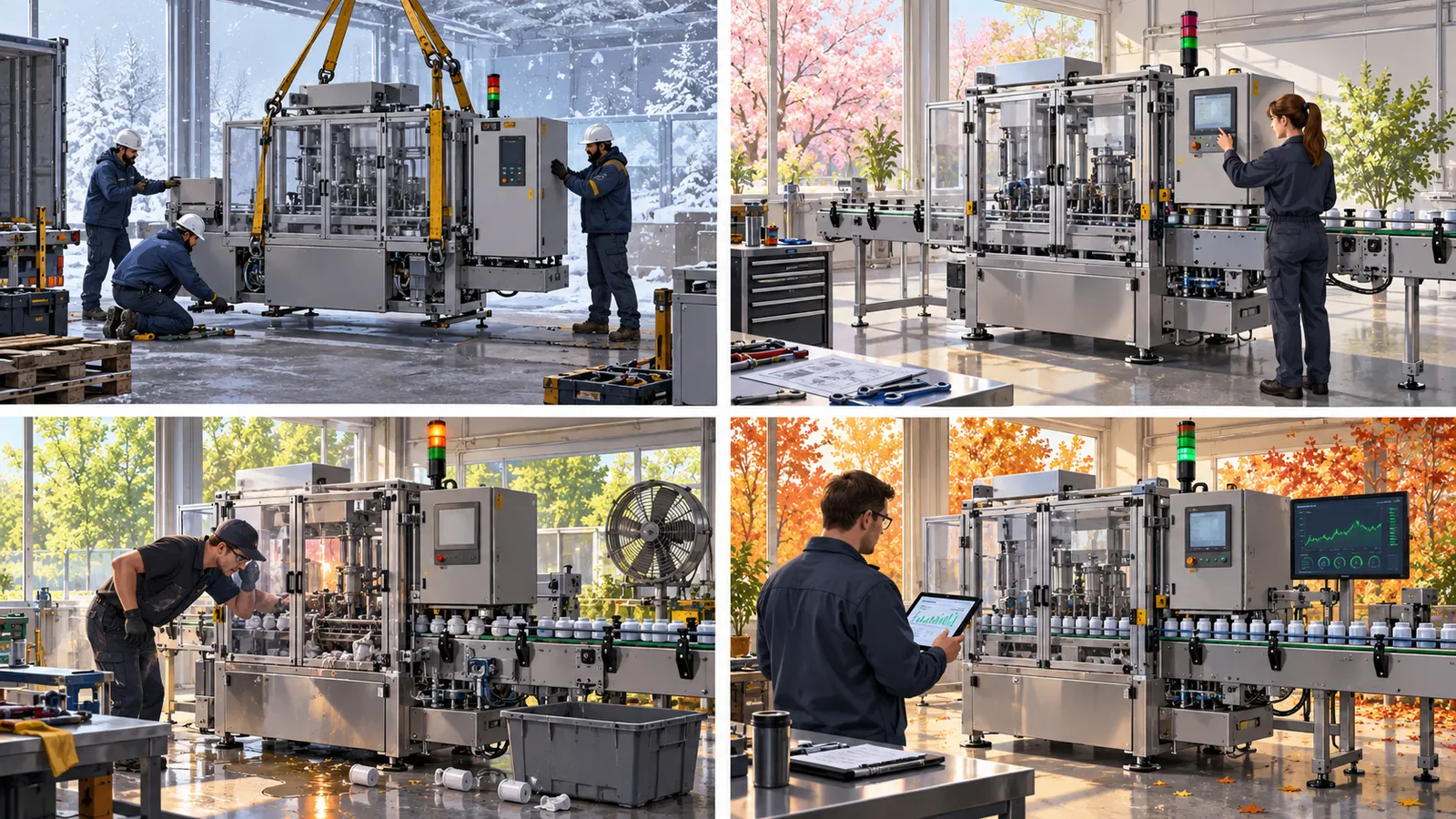
Installation Qualification, Operational Qualification, and Performance Qualification are common ways to organize evidence, but the acronyms are not the objective. The objective is to demonstrate that the process infrastructure is suitable, the operating range is understood, and routine production can perform consistently.
Installation Qualification: establish the foundation
Confirm equipment identity, installation, utilities, safety, software configuration, calibration, documentation, spare parts, and maintenance requirements. The depth depends on risk and complexity. Moving or materially modifying equipment can affect the approved state.
Operational Qualification: understand and challenge operation
Study the relationship between inputs and outputs. Challenge meaningful high and low settings, alarms, interlocks, start-up, shutdown, interruptions, and foreseeable variation. Operational qualification should help define a defendable process window rather than merely repeat the preferred center setting.
Performance Qualification: demonstrate routine execution
Run representative material, equipment, tooling, operators, shifts, environment, and production procedures. Evaluate predetermined outputs across enough independent runs to support the conclusion. Performance qualification should resemble the process that will actually be released.
A validation report is not the end of validation. It is the approved baseline against which routine monitoring and future changes are judged.
Challenge the Operating Window, Not Only the Center Point
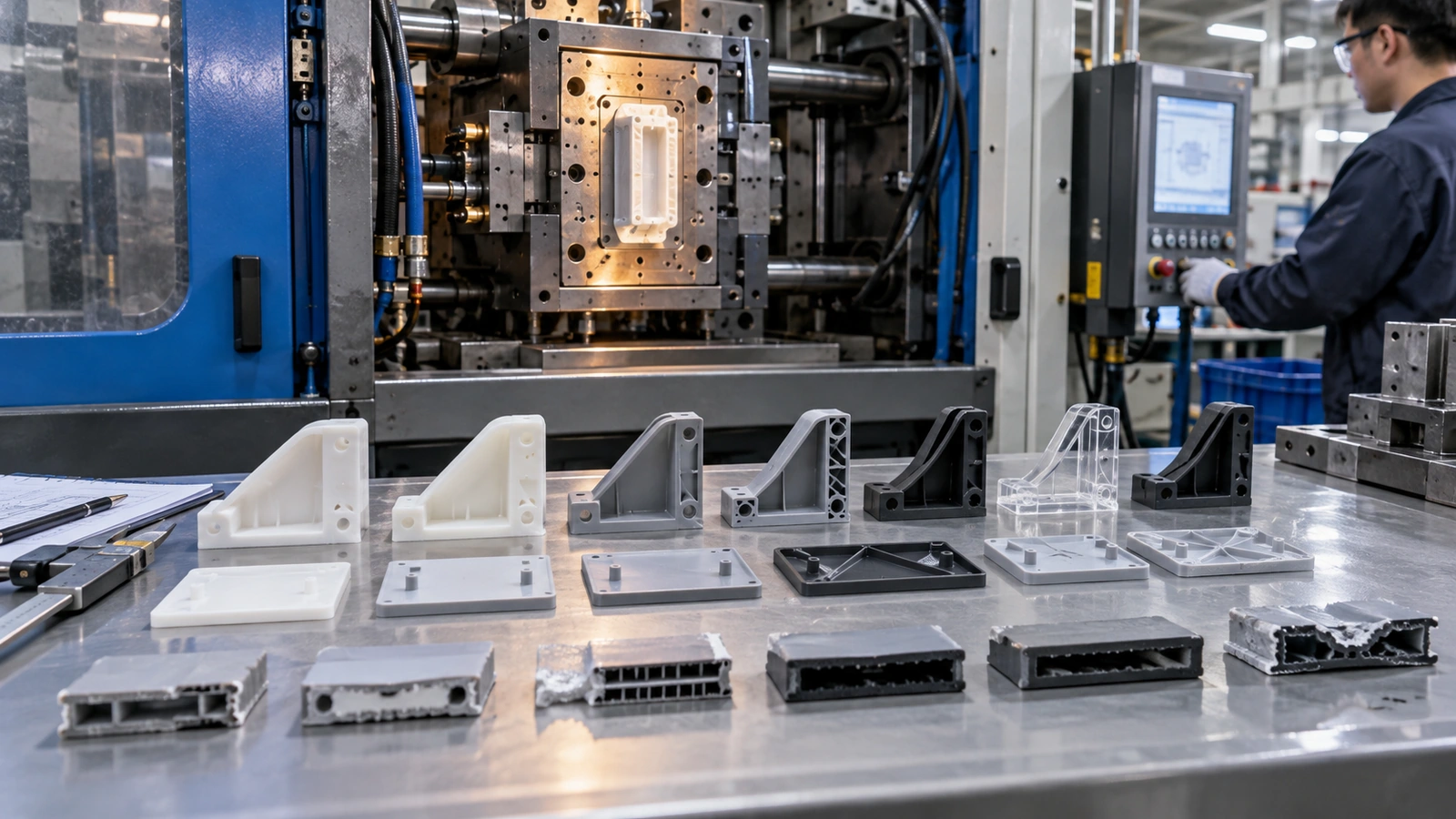
A process run at ideal settings tells the team that ideal settings can work. It does not show what happens near the approved limits, after tool wear, with a different material lot, or during environmental variation. Validation should investigate the factors most likely to move the output.
Use development studies, engineering analysis, designed experiments, or justified one-factor work to understand parameter sensitivity. Challenge combinations that are plausible and risky. For molding, interactions among melt temperature, mold temperature, hold pressure, cooling, and moisture may matter. For welding, energy, focus, speed, fit-up, shielding, and cleanliness may interact. For bonding, preparation, dispense, open time, pressure, and cure can combine.
Common mistake: setting broad machine limits because the equipment can reach them. Approved limits should describe the region supported by product evidence, not the full adjustment range of the machine.
Predetermine Acceptance and Analysis

A protocol should state what will be measured, how, when, by whom, and what constitutes success before results are known. Retrospective acceptance criteria allow teams to explain almost any data. Predetermined rules protect the decision from schedule pressure.
- Define sample selection and independence across runs.
- Confirm that measurement methods are suitable for the expected variation.
- Separate product acceptance limits from internal process-alert limits.
- State how missing data, invalid tests, deviations, and outliers will be handled.
- Choose statistical methods that fit the data and process assumptions.
- Require documented review of every protocol deviation.
Capability indices can summarize variation when assumptions are appropriate, but they do not replace engineering review. A high capability result on the wrong characteristic or from dependent samples does not validate the process. The analysis must answer the product-risk question.
Validation Must Cross the Supplier Boundary
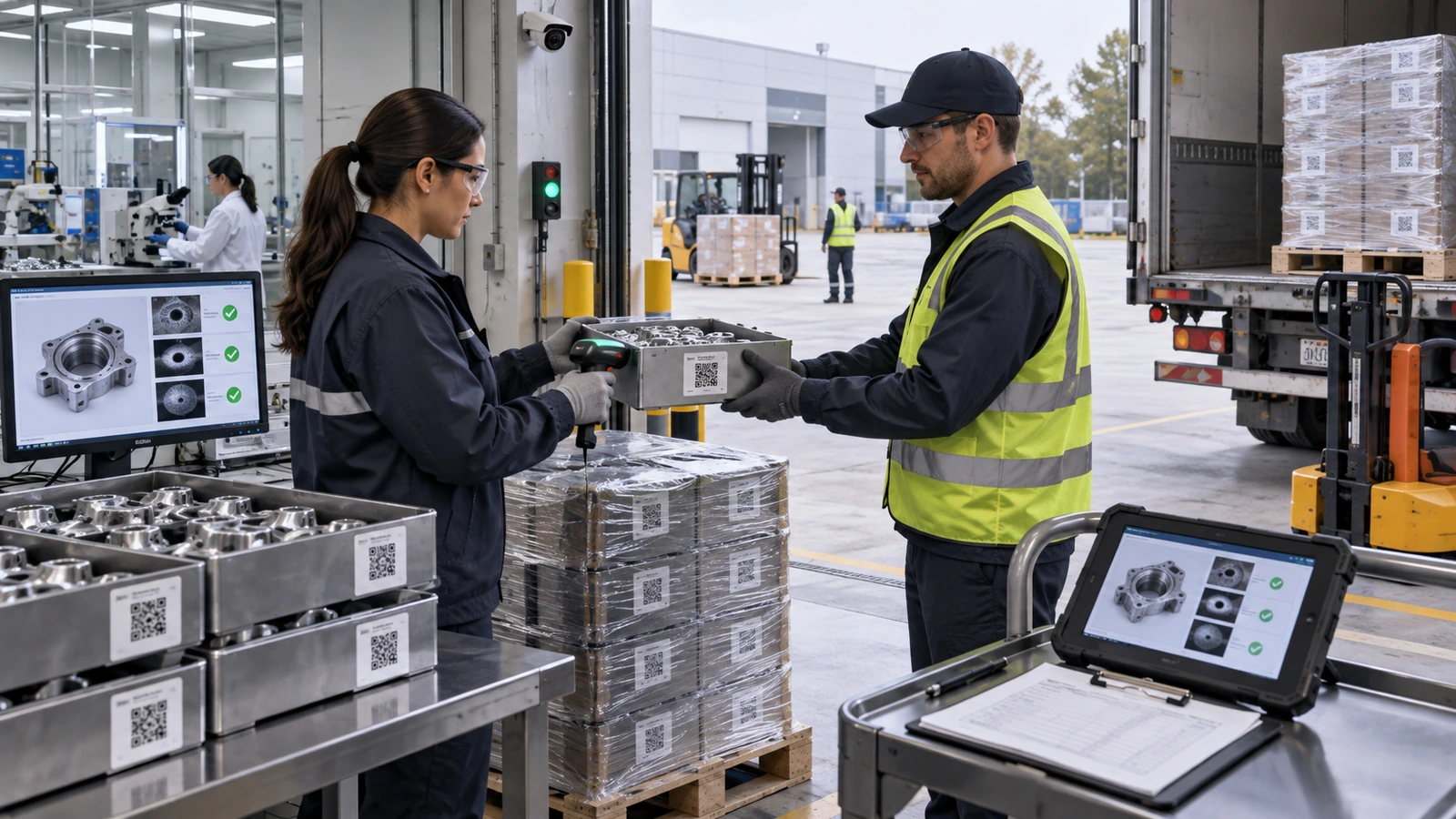
Outsourcing a process does not eliminate the need to define validation responsibility. The OEM, design authority, contract manufacturer, and special processor should agree who writes protocols, approves methods, executes runs, owns raw data, investigates deviations, stores records, and approves changes.
The quality agreement should identify the validated scope and notification triggers. A supplier may own detailed proprietary parameters while still providing enough evidence for the OEM to understand process control and product impact. The selection guidance in how to choose a medical device manufacturer should therefore include validation competence, data access, and sub-tier transparency.
Information that should not be ambiguous
- Equipment, tooling, cavities, software, and sites covered
- Approved material suppliers and grades
- Operating parameters and alert or action limits
- Routine monitoring and record format
- Deviation and nonconformance escalation
- Change approval and revalidation assessment
Define Revalidation Triggers Before a Change Occurs
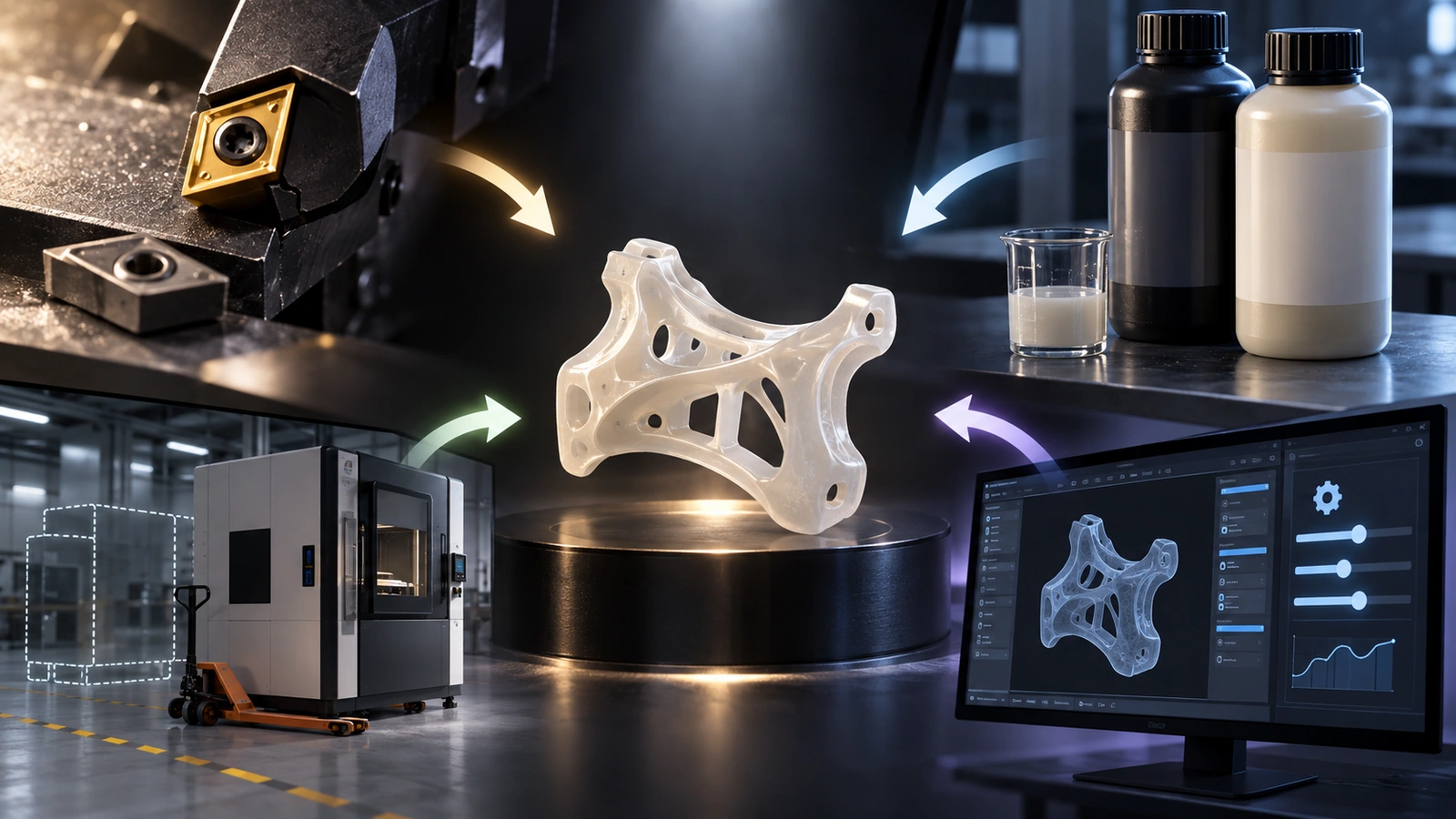
Not every change requires full repetition, but every relevant change requires documented assessment. Define categories and decision authority in advance so commercial urgency does not determine the technical response.
| Change example | Assessment focus |
|---|---|
| New equipment or site | Installation, equivalence, utilities, environment, performance |
| Material grade or supplier change | Input properties, process window, product performance, documentation |
| Tool repair or cavity modification | Geometry, flow, cooling, wear, cavity-to-cavity equivalence |
| Parameter or software revision | Control logic, approved range, alarms, data integrity |
| Adverse trend or recurring nonconformance | State of control, root cause, continued validity of evidence |
Periodic review can also confirm that calibration, maintenance, training, deviations, capability, complaints, and change history remain consistent with the validated state.
What Weak Validation Looks Like

Weak validation often appears complete because the report contains signatures and passing tables. Look deeper for technical gaps:
- The protocol was copied from another product without a product-specific risk rationale.
- Only nominal settings were tested.
- Samples came from one continuous run and did not represent routine variation.
- Acceptance criteria were changed after results appeared.
- Measurement capability was not examined.
- Protocol deviations were closed with explanations but no impact assessment.
- The report did not define routine controls or revalidation triggers.
- A supplier change occurred without customer review.
A shorter study with clear reasoning can be more useful than a large protocol that never connects process variables to product requirements.
FAQ: Medical Device Process Validation

What is the difference between verification and validation?
Process verification checks output against requirements using inspection or testing. Process validation establishes objective evidence that a process operated within defined conditions can consistently produce conforming output, particularly where later verification is insufficient.
Are IQ, OQ, and PQ always required by those exact names?
The terminology may vary by organization and process. What matters is that equipment and infrastructure are suitable, the operating range is understood, and routine performance is demonstrated with adequate evidence.
How many validation batches are required?
There is no universal number that fits every process. The rationale should consider risk, variability, process knowledge, run independence, sample size, material lots, operators, shifts, equipment, and the statistical or engineering confidence needed.
Can one validation cover multiple products?
A family or bracketing approach may be justified when products share relevant materials, geometry, equipment, tooling, parameters, and risk. The team must define the covered range and show that selected worst cases represent the family.
Who approves validation performed by a contract manufacturer?
Approval authority should be defined in the quality agreement and procedures. The supplier may prepare and execute the study, while the OEM or legal manufacturer reviews the rationale, product relevance, deviations, and conclusion appropriate to its responsibilities.
Validate the Process You Intend to Run
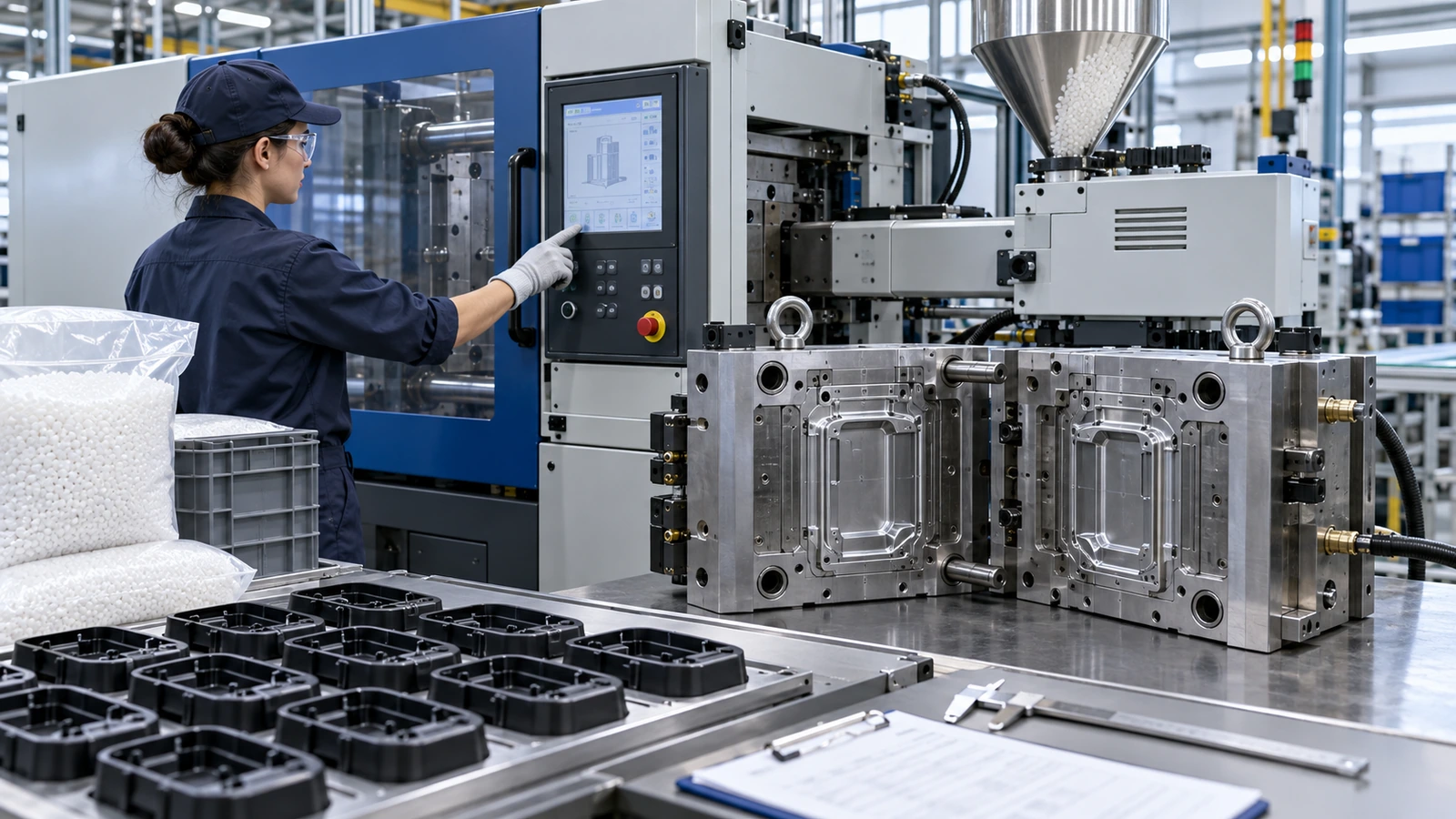
Medical device process validation is credible when the released process resembles the studied process, the acceptance rules were set in advance, and routine monitoring can detect movement away from the approved state. Start with risk and mechanism; the protocol should record the reasoning, not replace it.
Jucheng Precision can support process development, manufacturing trials, first articles, inspection planning, and controlled production across machining, molding, sheet metal, casting, additive manufacturing, finishing, and assembly. Share your files and build requirements to define the manufacturing evidence needed for your next stage.

