


The sterilization route should be considered before a device’s material and assembly decisions become expensive to change. Heat, moisture, radiation and chemical exposure can affect a component differently from normal service conditions. Among medical device sterilization methods, there is no single option that suits every polymer, metal-to-plastic joint, seal and packaged assembly.
For a manufacturing team, the useful question is not simply which process kills microorganisms. It is which route can meet the intended sterilization requirements while preserving the finished device’s dimensions, mechanical function and material condition. Selection needs collaboration with qualified sterilization and regulatory specialists; this guide concentrates on the physical parts and their manufacturing interfaces.
Compare Exposure Mechanisms, Not Just Method Names
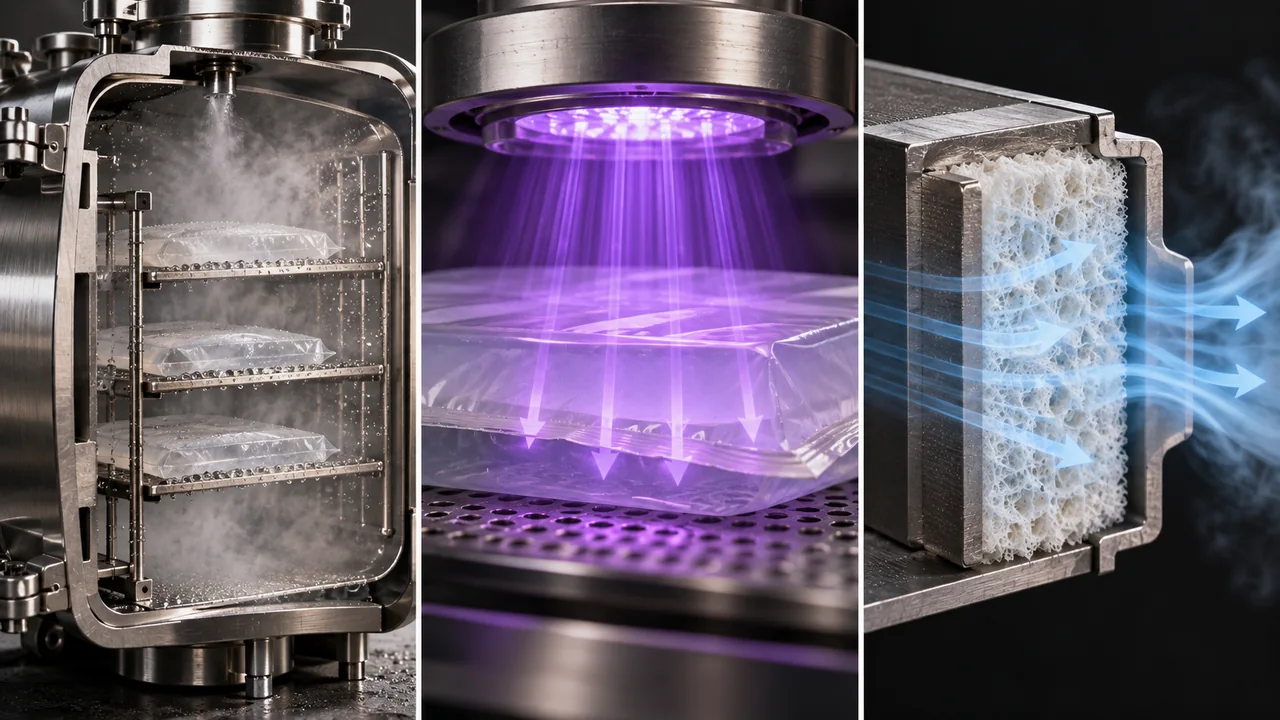
Different routes place different demands on a design. A component may resist one exposure well but fail after another. Compatibility must be established for the actual grade and assembly configuration rather than inferred from a generic material family.
| Route considered | Exposure relevant to part design | Questions for the manufacturing review |
|---|---|---|
| Moist heat or steam | Heat, moisture and changes during heating and cooling | Will the shape, fit and seal function remain acceptable? |
| Radiation, including gamma or electron beam | Radiation exposure and possible property changes | What evidence exists for the exact resin, additives and dose conditions? |
| Ethylene oxide | Chemical exposure, access and residual considerations | Can the configuration support the planned process and subsequent evaluation? |
| Vaporized hydrogen peroxide | Oxidizing exposure and configuration-dependent access | Are the materials, interfaces and difficult features compatible? |
| Other specialist routes | A route-specific combination of chemistry and conditions | Which component properties and test endpoints require review? |
Il FDA’s sterilization overview identifies several established and alternative approaches. It does not provide blanket permission to interchange them on a finished product. The design team must establish the relevant route, evidence and responsibilities for its device.
The Weakest Material May Be Inside the Joint
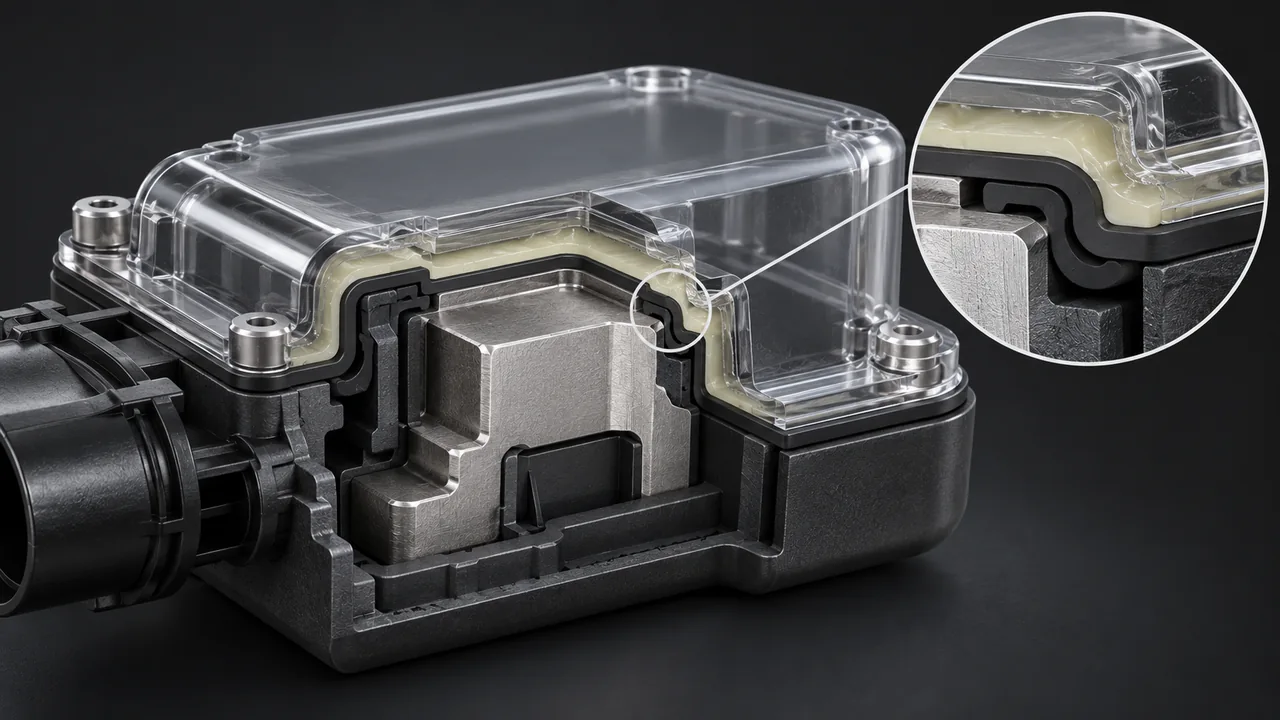
A stainless steel shell may remain dimensionally stable while the adhesive securing an internal component loses useful strength. A heat-resistant polymer housing may survive exposure while a softer seal changes compression behavior. A label, cable strain relief or coating can become the limiting element of an otherwise robust assembly.
Review the complete bill of materials, including small items that do not appear prominently in the CAD model. Record adhesive grade, pigments, lubricants, coatings, seals and supplier-applied treatments. A material certificate for the main body does not cover everything attached to it.
For reusable assemblies, consider the combined effect of the intended cleaning and sterilization sequence. The assembly may experience fluid exposure, drying, thermal changes and mechanical handling as a sequence, not as isolated conditions. Testing only a new, unassembled material coupon can miss the interface most likely to degrade.
The wider medical device manufacturing processes route should identify when each material and surface treatment enters the product. This map helps the team determine whether representative samples include all the manufacturing steps that could affect compatibility.
A Polymer Name Is Not a Compatibility Specification
Two grades from the same family can differ in additives, reinforcement and documented use conditions. A supplier’s broad statement about a polymer family is a starting point, not a substitute for the selected grade’s data and the final device evaluation.
When considering PPSU components, specify the exact grade and the intended exposure sequence. Discuss why machining or molding is proposed, what geometry it produces and which post-exposure properties are relevant. Avoid turning a material’s reputation for heat resistance into a universal sterilization claim.
Geometry Determines Where Compatibility Problems Appear
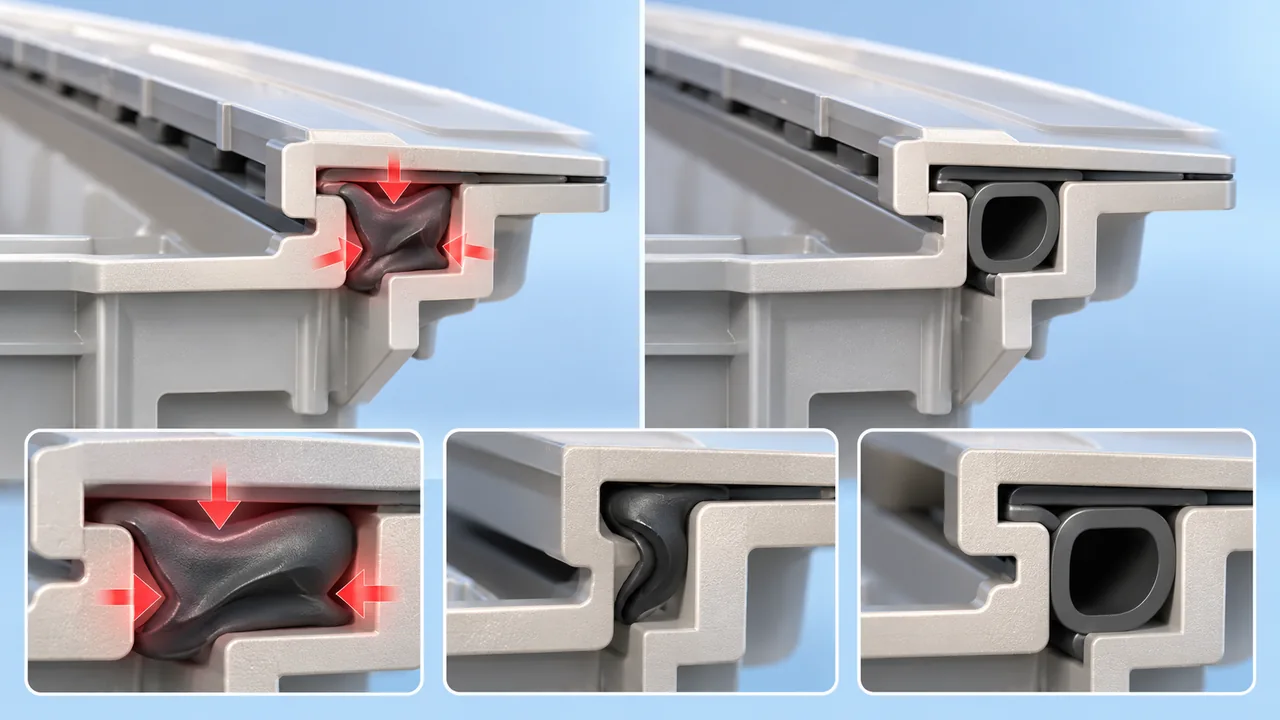
Thick and thin regions can behave differently during temperature changes. A constrained metal insert can influence local stress in a molded housing. A seal squeezed between dissimilar materials can experience a change in compression as the surrounding parts expand or contract.
Blind holes and narrow passages raise a different issue: process access. The responsible sterilization specialist must evaluate whether the configuration is suitable for the intended route. The manufacturing team contributes accurate geometry, surface condition, assembly information and details of any inaccessible volume.
Consider whether the device is processed assembled, disassembled or partially opened. The configuration should be deliberate and controlled. A prototype tested with a loose lid is not representative of a production assembly whose fasteners constrain the seal and housing throughout the exposure.
Do not redesign a critical interface only after the final sterilization study. A useful early review can identify a removable component, a different material pair or an altered joint that allows the design to tolerate the exposure without compromising its function.
Build a Compatibility Test Around the Real Failure Mode
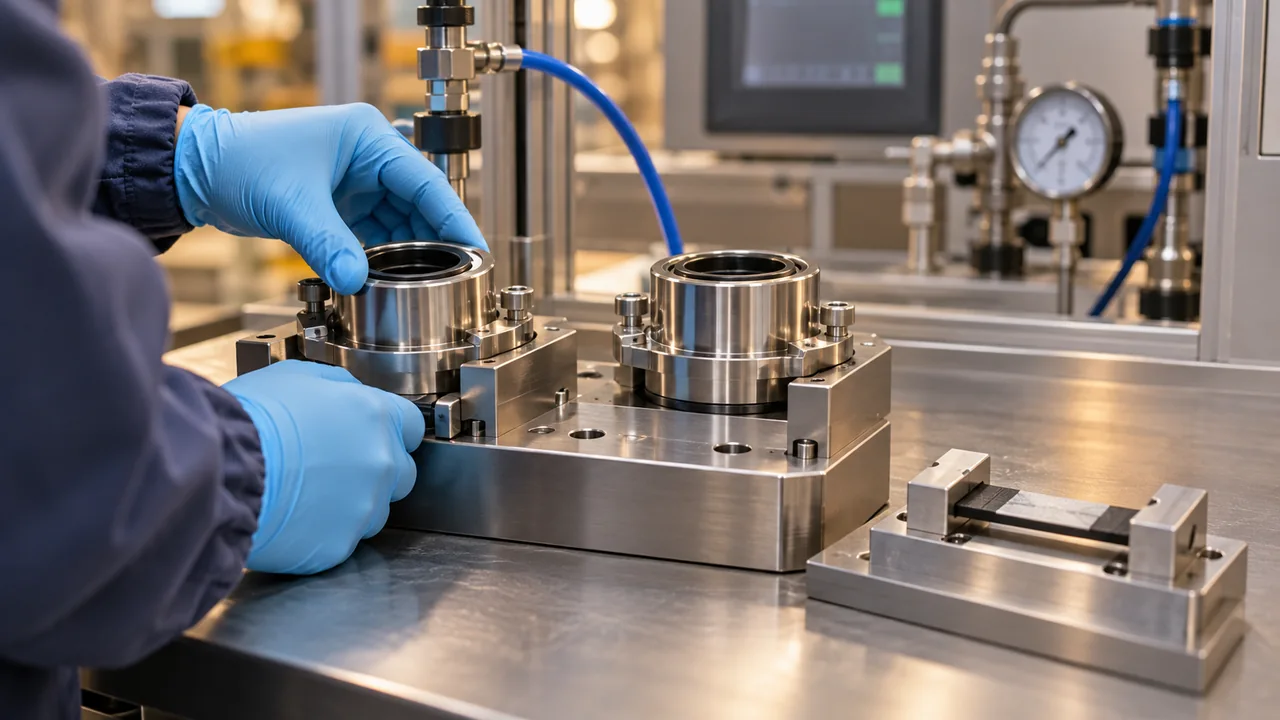
Start with a baseline before exposure. For a housing, that may include flatness, latch engagement and assembly gaps. For a seal, it may include compression behavior and the relevant leak test. For a bonded insert, it may include retention under the actual loading direction.
Then define what will be checked after the agreed exposure. Appearance alone is not a sufficient endpoint if the device depends on strength or a stable fit. Conversely, a dimensional test may not capture a coating that loses adhesion while the underlying part retains its size.
Use samples made through the intended manufacturing route when the question depends on that route. A printed shape can support an early configuration discussion, but it may not represent a molded resin’s structure, surface condition or residual stress. A machined sample may differ from a production molding at a weld line or around an insert.
Record conditioning and the time of measurement. Some properties can depend on moisture uptake or recovery after exposure. The protocol should define the relevant state rather than allowing samples to sit under uncontrolled conditions until convenient inspection.
Jucheng’s prototyping services can be discussed in terms of the physical question each sample needs to answer. Confirm the material, fabrication route and inspection scope before assuming a prototype is representative of the finished medical device.
Make the Selection a Controlled Design Decision
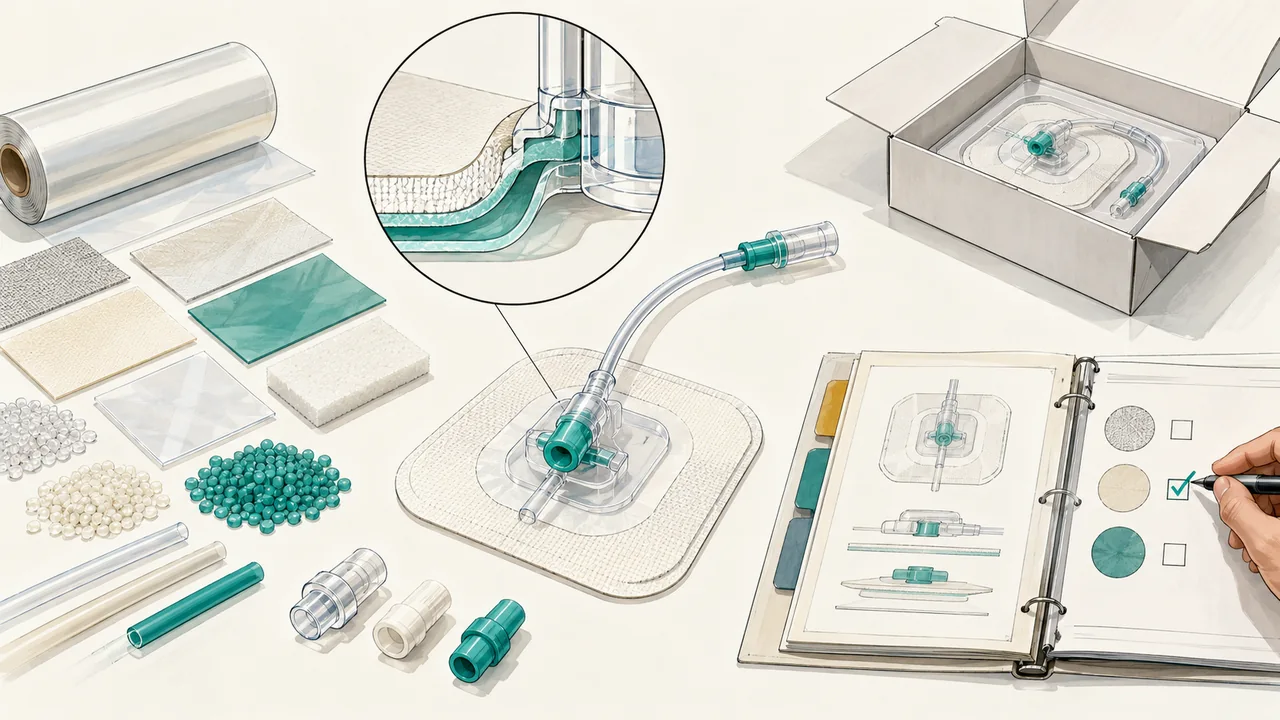
Use a decision record rather than an informal preference. List candidate routes, material and assembly concerns, available evidence, remaining tests and the specialist responsible for the sterilization assessment. Document why a route is rejected as well as why another remains feasible.
Procurement should understand the consequence of substitutions. A change to adhesive, resin additive, seal supplier or finishing chemistry can alter the basis of the compatibility decision. The approved manufacturing package should therefore identify which changes need prior review and what evidence must accompany them.
The component supplier’s role is to reproduce the specified part and provide the agreed manufacturing information. Device-level sterilization validation, labeling and regulatory responsibilities must be assigned explicitly. A successful machining or molding trial is not equivalent to a validated sterilization process.
Three Selection Questions Worth Asking Early
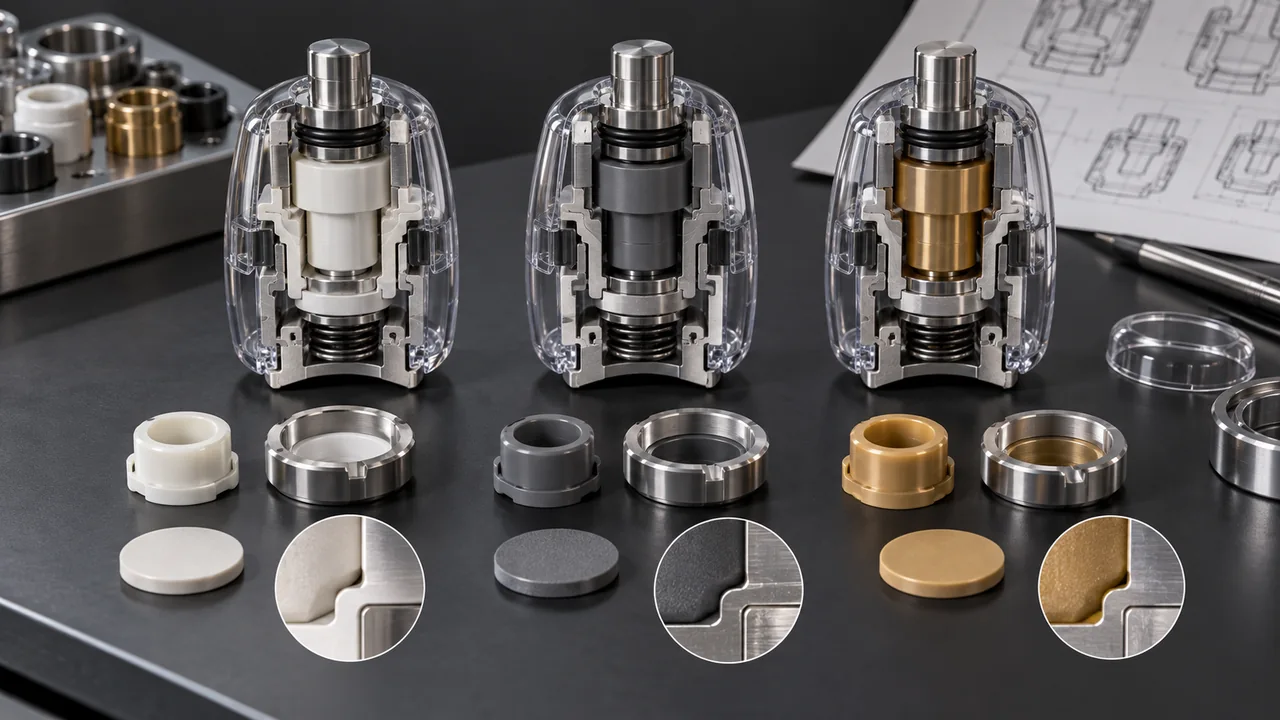
Is steam always the simplest choice for a metal device?
Not if the device includes polymer parts, adhesive joints, electronics or constrained seals that are incompatible with the intended exposure. Review the whole assembled configuration, not only the largest metal component.
Can one compatibility result cover repeated processing?
A single exposure cannot automatically establish performance over a reusable device’s intended life. The responsible team must define a representative sequence and evaluate the properties that could change as exposures accumulate.
What if a material supplier calls a grade sterilizable?
Ask which method, conditions and property endpoints support that statement. Establish whether those conditions represent the device’s use and whether finished-part processing or assembly introduces additional concerns. A grade-level statement is useful evidence, but it is not device approval.

