


Guidare un nuovo prodotto hardware da un concetto digitale iniziale fino all'ingresso commerciale sul mercato costringe i manager di ingegneria a valutare costantemente i compromessi di produzione. Decidere con precisione quando passare dai laboratori di produzione additiva e investire in utensili metallici tagliati duramente determina se un'impresa rimane entro il proprio budget di ingegneria non ricorrente. Stabilire un quadro strategico chiaro su quando utilizzare la stampa 3D rispetto allo stampaggio rapido previene costosi ritardi e garantisce che i componenti fisici corrispondano alle realtà meccaniche d'uso finale.
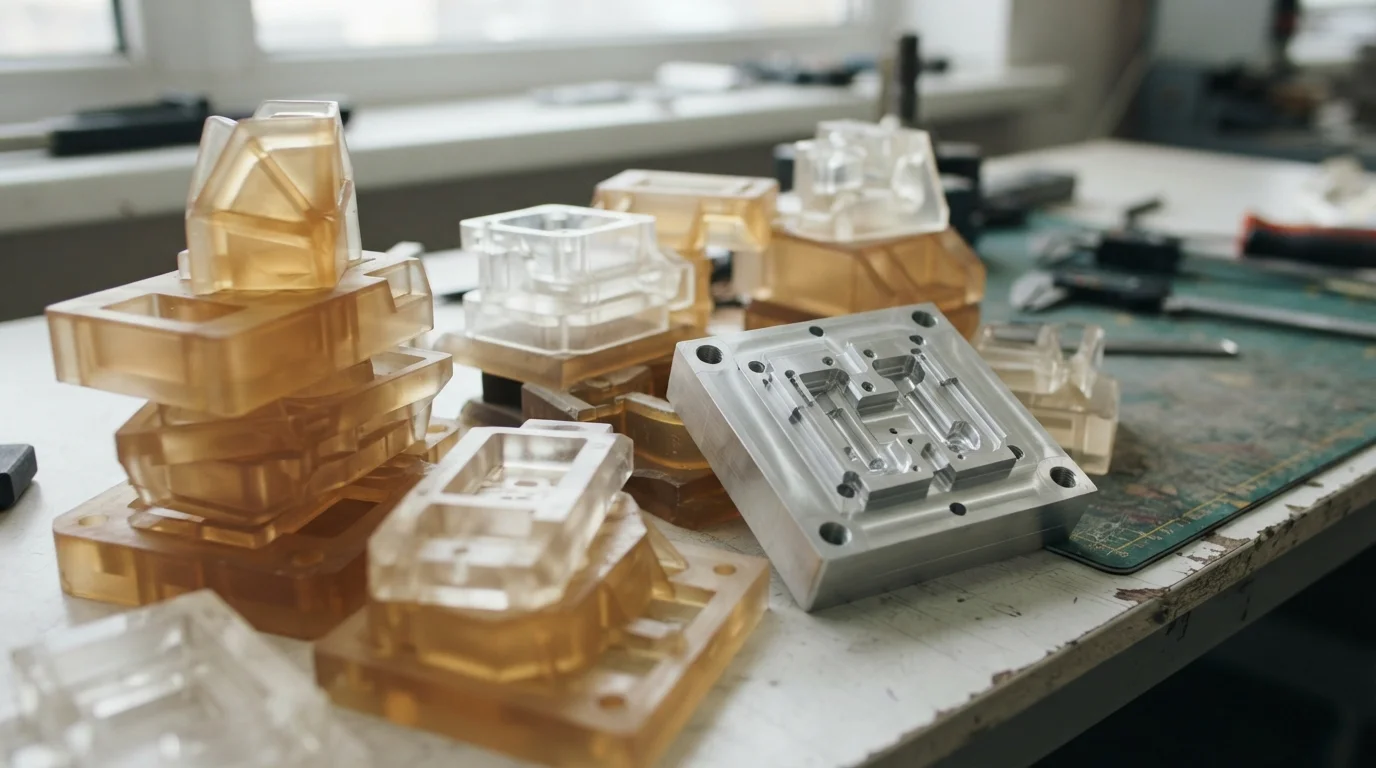
La valutazione delle soglie di scalabilità del volume richiede l'analisi di come le quantità di produzione alterano l'economia dei pezzi e l'integrità strutturale. Utilizzando agili Servizio di stampaggio rapido opzioni o piattaforme additivi flessibili consente ai team di superare efficientemente i primi ostacoli di sviluppo. Esaminiamo le specifiche tappe di volume e le checklist funzionali che guidano decisioni di gestione del prodotto di successo.
Indice
1. La Fase di Prototipazione: da 1 a 10 Unità per la Validazione del Concetto
2. La Fase di Transizione: da 50 a 500 Unità e Punti di Svolta Economici
3. Checklist dei Requisiti Funzionali per i Manager Hardware
La Fase di Prototipazione: da 1 a 10 Unità per la Validazione del Concetto
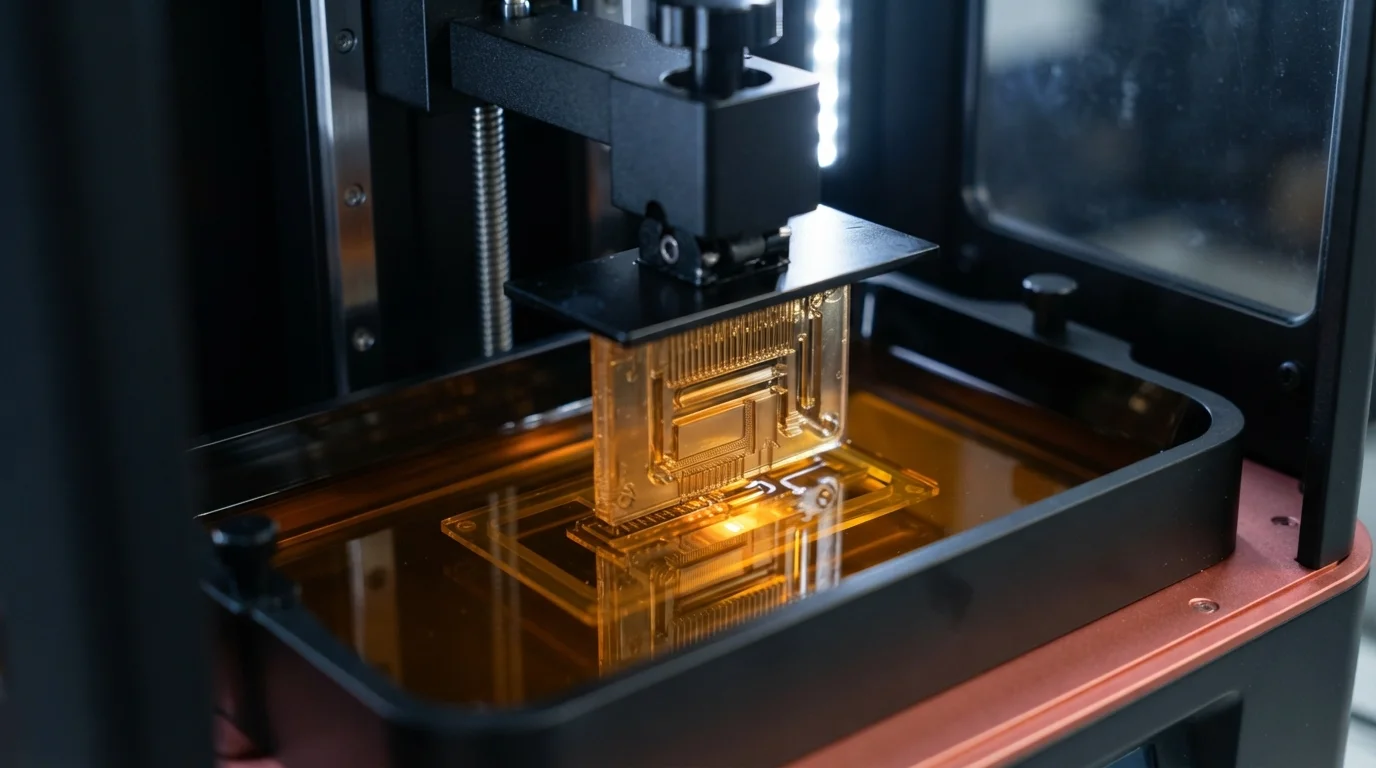
Domanda: Perché le prime costruzioni di prototipi a cifra singola favoriscono quasi esclusivamente la produzione additiva rispetto al taglio di utensili metallici? Stampare direttamente i file CAD digitali elimina le spese di utensileria di ingegneria non ricorrente, consentendo rapidi aggiustamenti geometrici in poche ore.
Durante la tappa iniziale di concettualizzazione, i designer industriali hanno bisogno di modelli fisici semplicemente per verificare la sensazione ergonomica al tatto, le proporzioni estetiche e lo spazio libero di base all'interno degli involucri elettronici. Poiché i test di carico strutturale e l'invecchiamento termico sono preoccupazioni secondarie in questa fase iniziale, i processi di stampa basati su laser offrono velocità e libertà di progettazione senza pari senza richiedere anime metalliche.
La valutazione dei percorsi di produzione in fase iniziale comporta il monitoraggio di specifiche tappe di progetto:
| Fase di Sviluppo | Percorso di Produzione Consigliato | Obiettivo Tecnico Primario |
|---|---|---|
| Validazione del concetto (1-10 unità) | Servizio avanzato di stampa 3D | Controllo ergonomico, revisione dello stile visivo |
| Alpha ingegneristico (10-50 unità) | Servizio di lavorazione CNC di precisione | Test iniziale di adattamento meccanico e funzionale |
| Test beta (100-500 unità) | Servizio di attrezzaggio rapido modulare | Prestazioni reali della resina e validazione sul campo |
La fase di transizione: da 50 a 500 unità e punti di svolta economici
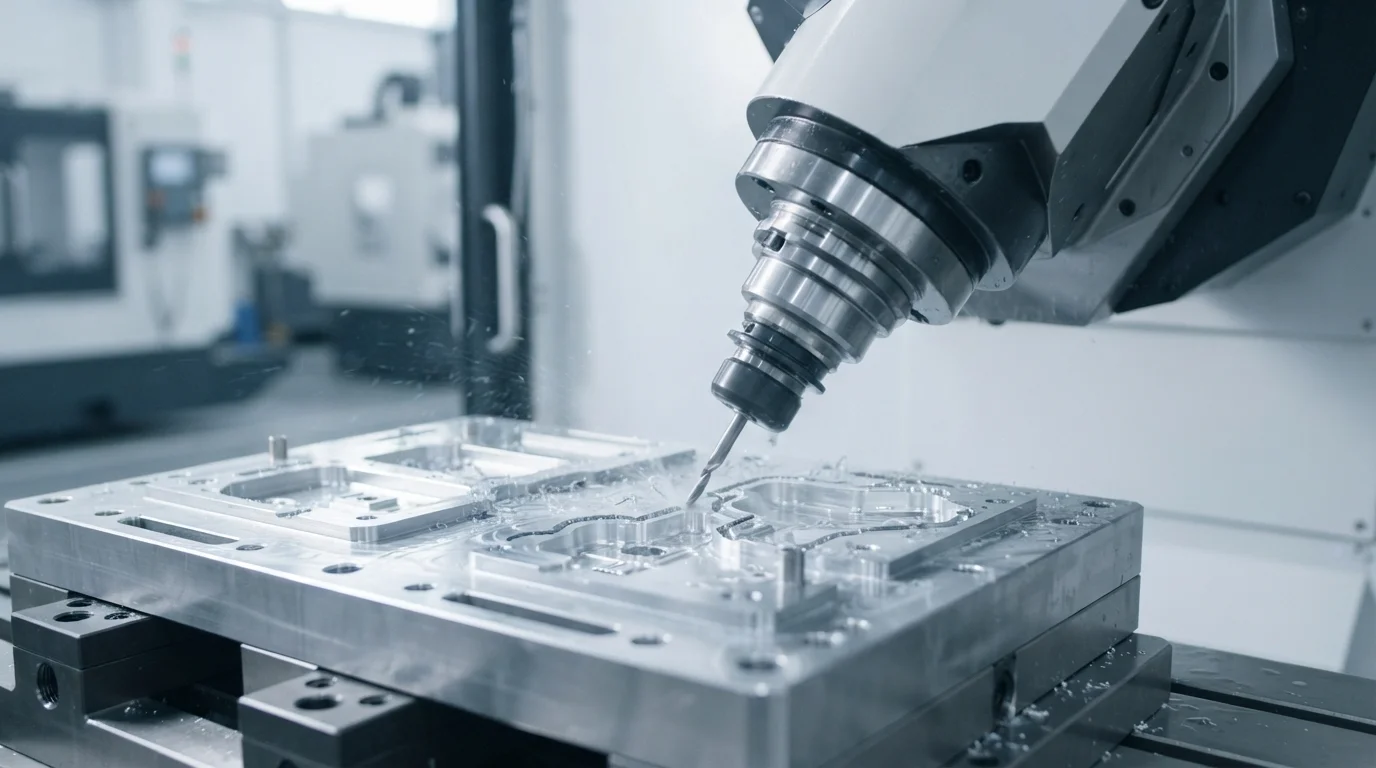
Domanda: A quale volume di produzione specifico i costi di stampa additiva iniziano a superare l'investimento iniziale per l'incisione degli inserti di attrezzaggio ponte? Produrre quantità superiori a cinquanta componenti identici rende insostenibili i tempi di coda del vassoio di costruzione della stampante e le spese di resina fotopolimerica grezza.
L'aumento della produzione da una manciata di campioni di laboratorio a centinaia di unità di prova sul campo espone i limiti di produttività nascosti delle stampanti 3D. Le ore di funzionamento della macchina aumentano linearmente con il numero di parti e la rimozione dei supporti post-processo diventa un enorme collo di bottiglia di manodopera. L'incisione di cavità di stampo in alluminio morbido o acciaio sposta la produzione verso cicli di iniezione automatizzati in cui il prezzo per pezzo diminuisce drasticamente.
Gestire l'aumento della produzione ed evitare trappole di produzione richiede il monitoraggio di specifiche salvaguardie operative:
- Efficienza di produttività—Lo stampaggio a iniezione produce parti complesse in secondi per ciclo piuttosto che in ore di scansione laser
- Autenticità del materiale—Passaggio dalle resine stampabili fragili a termoplastici di produzione autentici come ABS o Policarbonato (PC)
- Riduzione della manodopera post-lavorazione—Eliminazione della levigatura manuale, della levigatura chimica a vapore e del taglio delle strutture di supporto
Checklist dei requisiti funzionali per i responsabili hardware
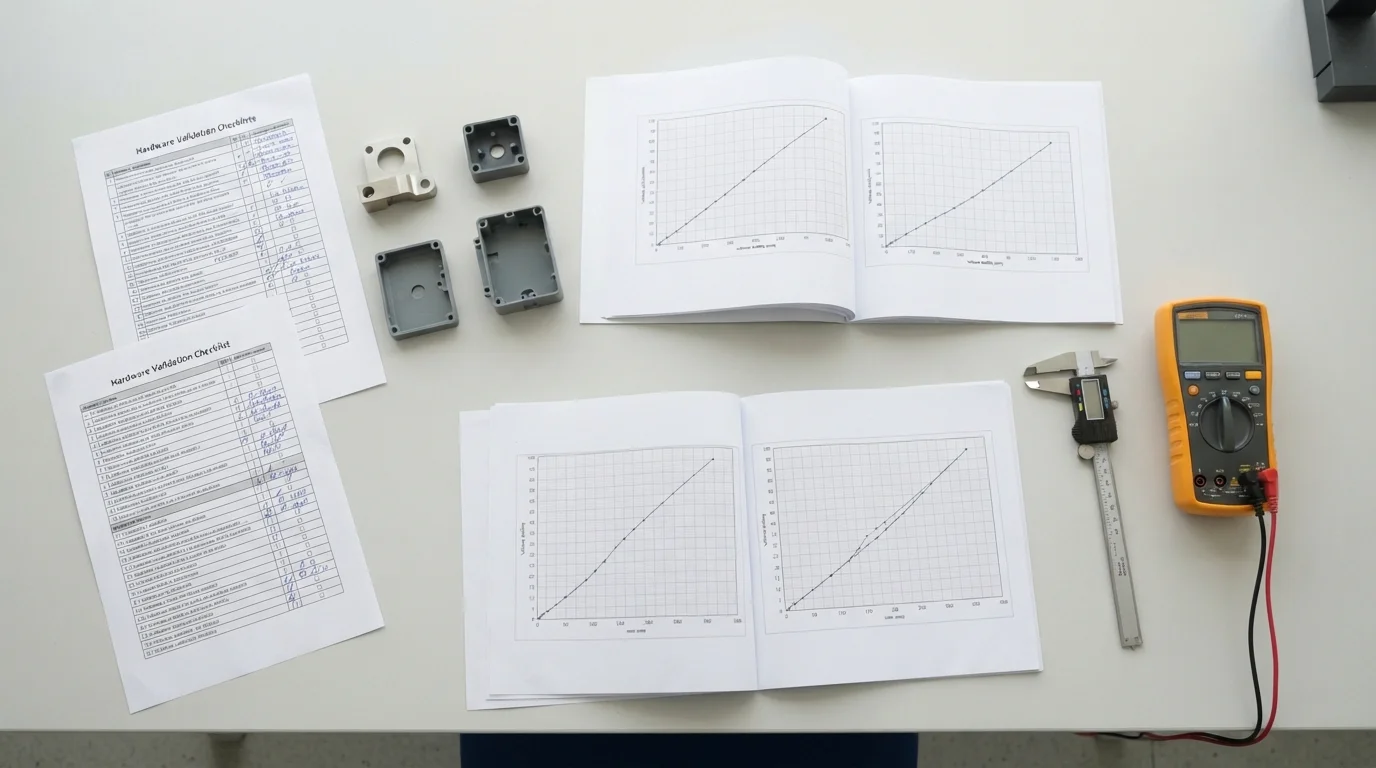
Jucheng Precision supporta gli innovatori dell'hardware fornendo recensioni revisioni DFM gratuite 24 ore su 24 revisioni che valutano il volume del progetto, i requisiti di carico meccanico e le date di lancio target prima della produzione. Operando con oltre 150 macchine CNC avanzate insieme a oltre 35 postazioni specializzate per lo stampaggio a iniezione, i nostri impianti certificati ISO 9001 garantiscono transizioni senza soluzione di continuità in ogni fase di sviluppo.
I principali vantaggi operativi del nostro quadro di valutazione ingegneristica includono:
- Analisi esperta del volume—Valutazione se la dimensione del lotto target favorisce la stampa additiva o l'attrezzatura di ponte modulare
- Controlli di idoneità del materiale—Abbinamento diretto dei criteri di stress meccanico con gradi di termoplastici ingegneristici autentici
- Nessun vincolo di quantità minima d'ordine—Politiche senza MOQ consentono un allineamento esatto dell'inventario con produzioni pilota personalizzate
Non sei sicuro se la tua prossima produzione richieda stampa o stampaggio? Lascia che gli ingegneri di Jucheng valutino il volume del tuo progetto per ottimizzare il tuo percorso di produzione.
Domande Frequenti (FAQ)
Posso mescolare la stampa 3D e l'attrezzatura rapida nello stesso ciclo di sviluppo del prodotto?
Sì. Gli sviluppatori di prodotto utilizzano frequentemente la stampa 3D per la validazione iniziale del concetto e i controlli di stile visivo (da 1 a 10 unità), poi passano immediatamente all'attrezzatura rapida una volta che le geometrie si congelano per i test beta funzionali e la produzione pilota.
A quale quantità l'attrezzatura rapida diventa più conveniente della stampa 3D?
Quando i volumi di produzione superano da 50 a 100 componenti identici, il tempo cumulativo di costruzione della macchina e la lavorazione post-processo ad alta intensità di manodopera della stampa 3D rendono tipicamente lo stampaggio a iniezione rapido la scelta più economica.
In che modo Jucheng Precision aiuta a determinare il percorso di produzione migliore?
Jucheng Precision fornisce revisioni DFM gratuite 24 ore su 24, analisi esperta dei volumi e capacità di produzione chiavi in mano che coprono sia la stampa 3D avanzata che lo stampaggio a iniezione rapido.

