


For a broader view of manufacturing options, see our Consumer Products manufacturing solutions. This guide explains when CNC machining is a good fit, how to specify a part, and how to move from a first prototype toward repeatable production.
What makes CNC machining useful for consumer products?
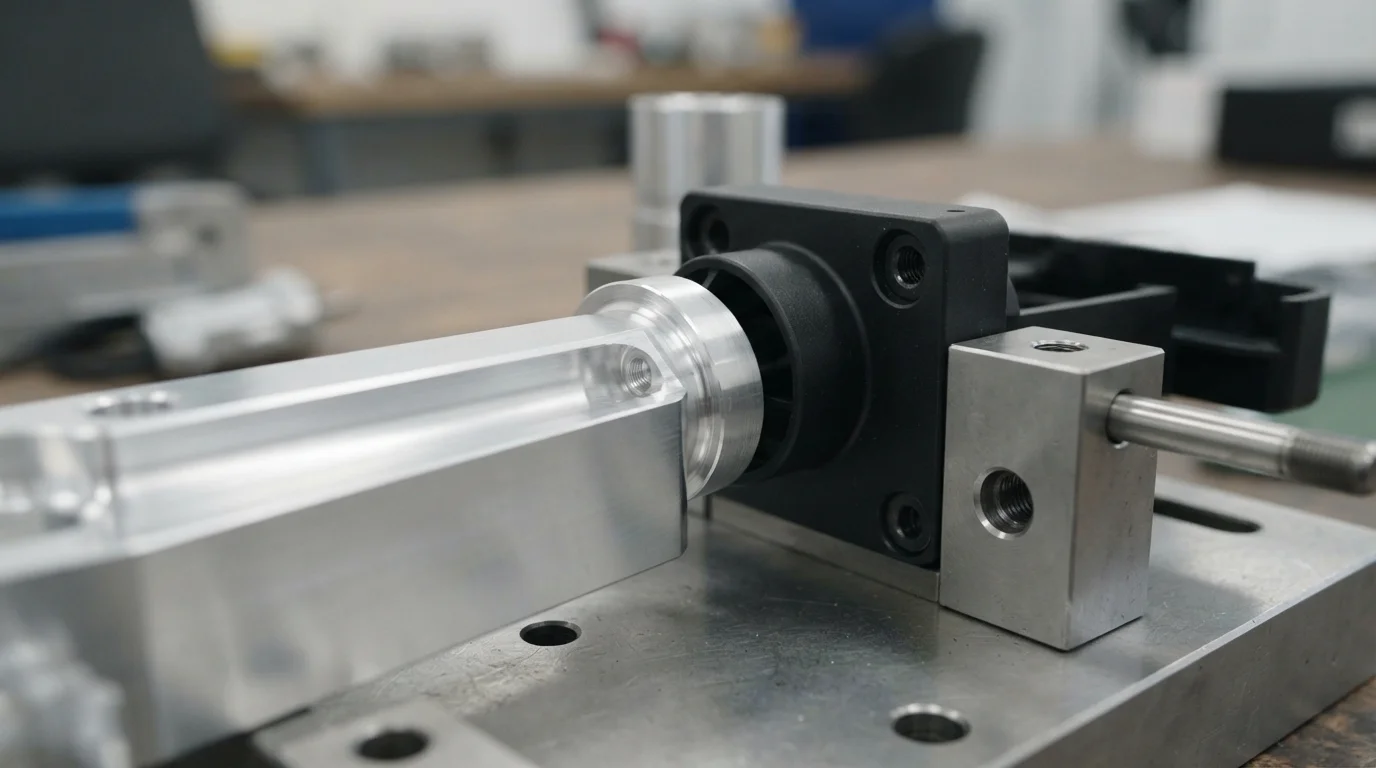
CNC machining removes material from a solid workpiece through programmed cutting operations. A development team can evaluate a physical design without first committing to an injection mold or another dedicated tool. This is valuable when the design is changing, the quantity is limited, or the team needs a material and surface that closely represent the intended part.
The value is not only speed. A machined sample can expose assembly misalignment, inaccessible fasteners, insufficient clearance, sharp edges, poor tactile transitions, or cosmetic issues that are difficult to judge on a screen. For consumer products, appearance and user interaction matter alongside function, so the prototype should be reviewed as part of the product experience.
| Development question | Why CNC may help | What to define |
|---|---|---|
| Will parts assemble? | Accurate interfaces and real mating surfaces can be checked directly. | Datums, critical dimensions, fasteners, inserts, and sequence |
| Does the material feel right? | Metal or engineering plastic provides more realistic weight and tactile feedback. | Material, finish, and use environment |
| Will a mechanical feature work? | Buttons, hinges, mounts, threads, shafts, and brackets can be tested physically. | Load, movement, clearance, and wear |
| Can revisions be made quickly? | New parts can be machined without redesigning a full production tool. | Revision control, quantity, priority features, and inspection |
CNC is not automatically best for every product. A complex thin-wall housing may be better checked first with additive manufacturing, while a load-bearing metal interface may benefit from machining early. Start with the question the prototype must answer.
Which consumer product parts suit CNC machining?
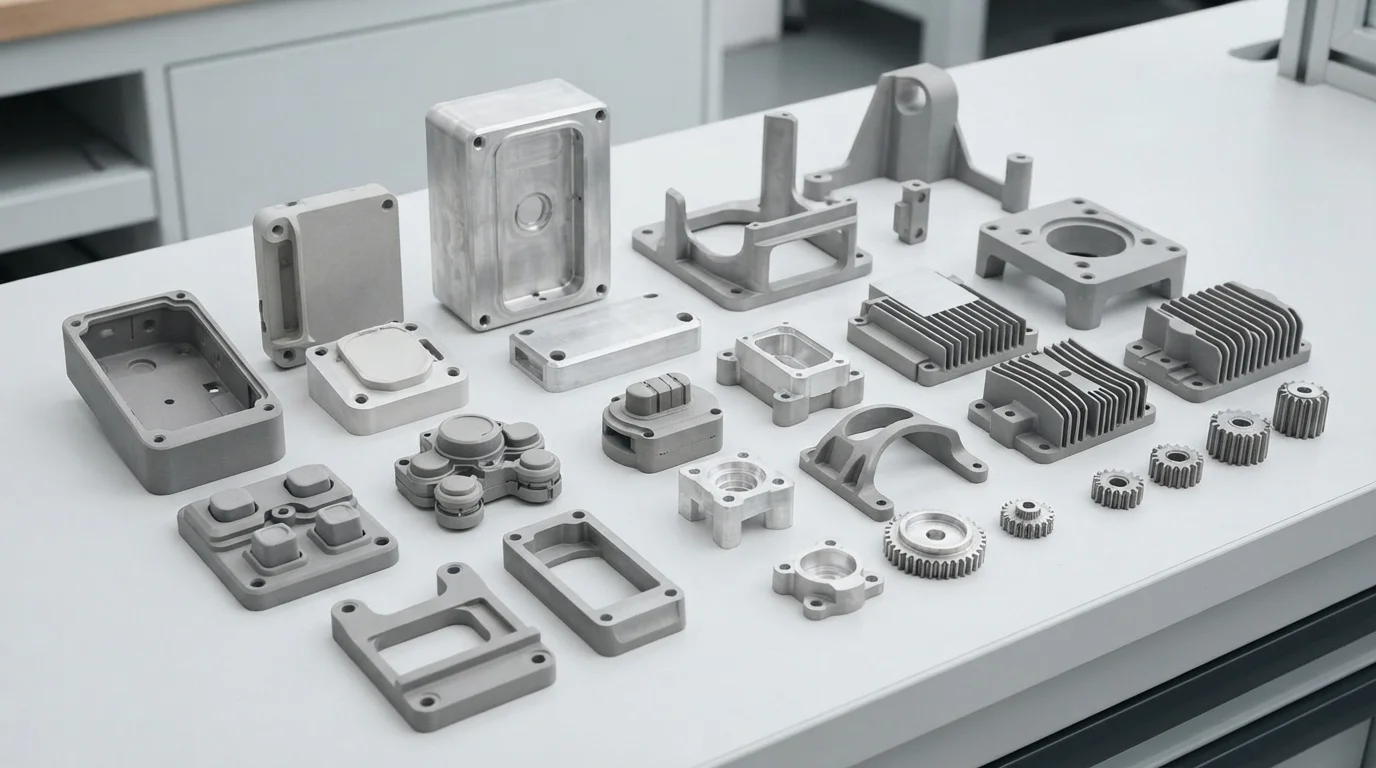
CNC machining is often considered for parts needing accurate dimensions, production-like material behavior, a refined surface, or a small number of functional samples. Typical applications include:
- Electronic housings, bezels, frames, and internal supports
- Buttons, knobs, dials, covers, and user-interface components
- Heat sinks, thermal plates, and heat-management features
- Brackets, hinges, mounts, shafts, spacers, and structural inserts
- Small appliance components that align with motors, fans, switches, or wiring
- Fitness, wearable, and sporting product parts requiring fit or load evaluation
- Inspection fixtures and assembly aids used during development
Evaluate the part for machinability before release. Deep narrow pockets, hidden internal features, thin walls, difficult tool access, sharp internal corners, and large amounts of removed stock can affect cost, schedule, and achievable quality. A design may be possible but inefficient to machine.
For cosmetic parts, define the visible and handled surfaces. A consistent brushed direction, blasted texture, polished face, or coated finish may require a different setup from a hidden bracket. Cosmetic requirements should be connected to a reference sample rather than described only as “high quality.”
CNC can also be part of a mixed-process prototype. A team may print a large enclosure to check packaging, machine a critical metal interface, and use formed or molded samples for other components. This can provide better evidence than forcing one process to reproduce the entire product too early.
How should materials, tolerances, and finishes be selected?
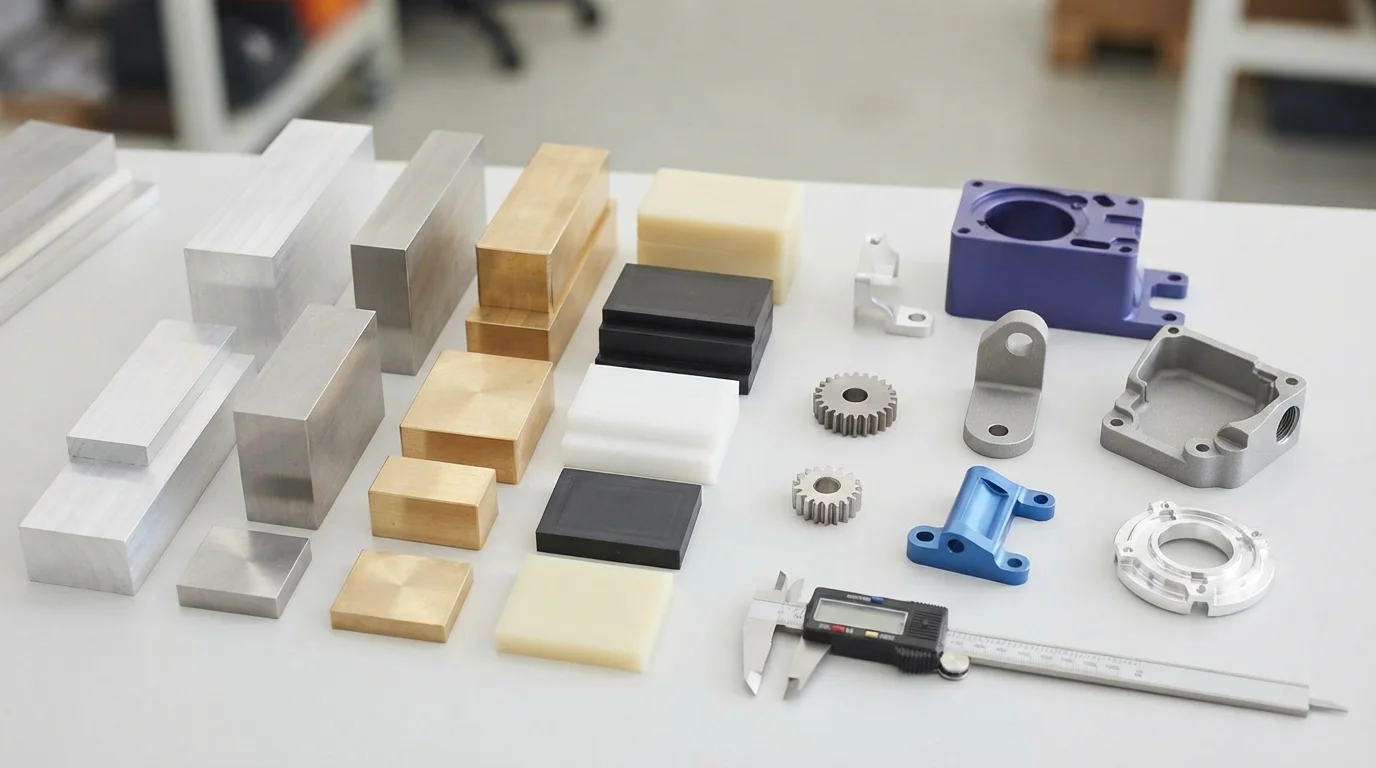
Material selection should follow the product’s use and the decision the prototype must support. Aluminum may be considered for low weight, machinability, or thermal behavior. Stainless steel may be appropriate when corrosion resistance, durability, or weight and feel matter. Brass can suit selected functional or decorative components. Engineering plastics may help evaluate electrical isolation, low friction, low weight, or a polymer-like user experience.
These are material families, not automatic recommendations. The final choice depends on strength, stiffness, temperature, chemicals, wear, electrical behavior, appearance, compliance, and supply. If the production part will be molded or formed, a machined prototype may match dimensions while behaving differently in flex, texture, weight, or long-term use. That limitation belongs in the test plan.
| Specifica | Questions to ask | Mistake to avoid |
|---|---|---|
| Materiale | What load, temperature, moisture, chemical, electrical, and tactile conditions apply? | Choosing a familiar material without checking the environment |
| Tolleranza | Which dimensions control fit, motion, sealing, alignment, or performance? | Applying tight tolerances to every feature without a reason |
| Finitura | Which faces are visible, handled, sealed, bonded, or hidden? | Using one finish callout for different surfaces |
| Inspection | How will critical features be measured and accepted? | Leaving inspection until parts arrive |
Specify functional tolerances first. A button guide, bearing seat, connector opening, or mating face may need closer control than a nonfunctional exterior. Clear datums help the manufacturer decide how to fixture, machine, inspect, and report the part.
Plan deburring, edge treatment, blasting, brushing, polishing, anodizing, plating, painting, or other post-processing with the material and user experience in mind. Finishing can change appearance and dimensions, so define a reference panel when visual approval matters.
How does CNC fit into the prototype-to-production path?
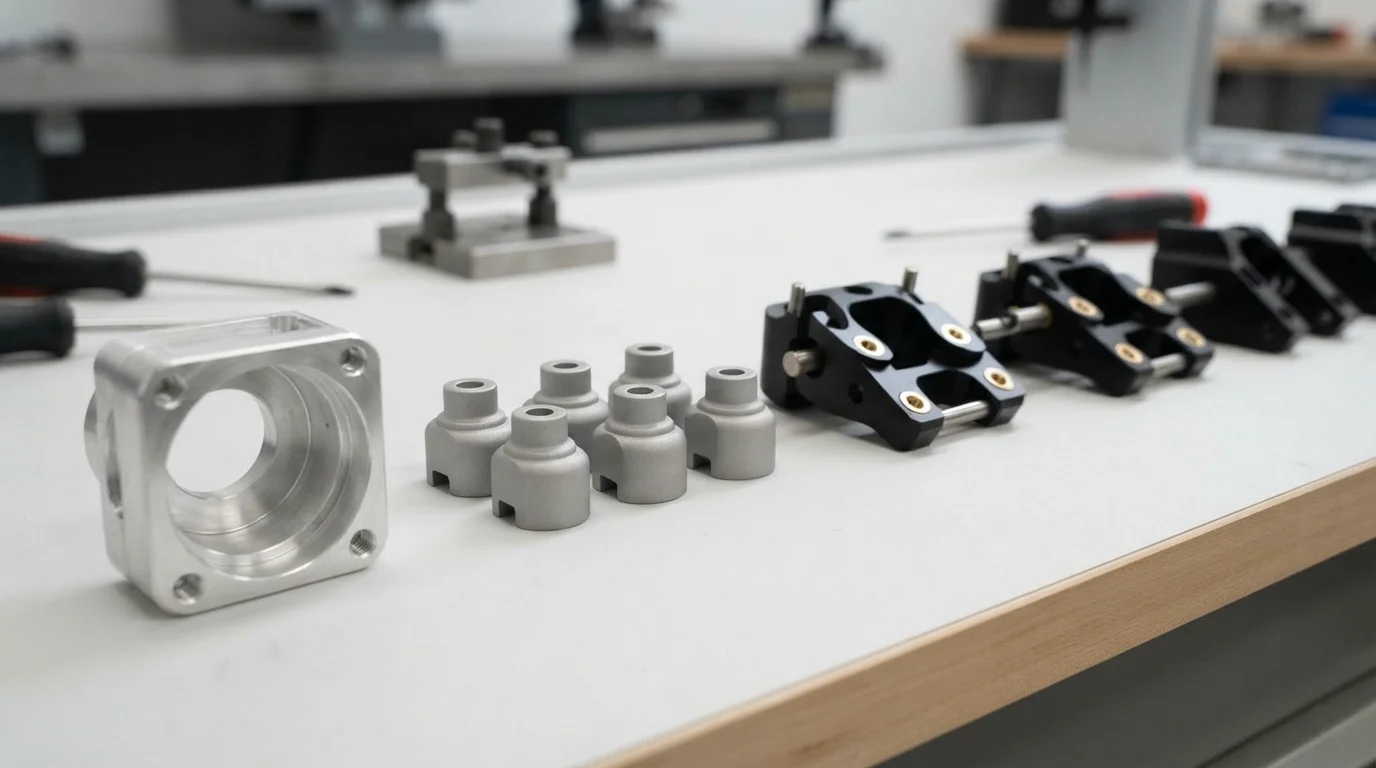
CNC can serve several development stages, but it does not remove the need to plan for a later production process. A machined prototype may confirm the design while the eventual part is molded, die cast, stamped, or assembled from multiple processes. Record which conclusions transfer directly and which need another validation step.
- Concept and packaging: use a fast model to confirm overall size and internal arrangement.
- Engineering prototype: machine critical parts in a suitable material to test interfaces, motion, structure, and assembly.
- Appearance review: apply the required surface treatment or create a controlled cosmetic sample.
- Low-volume build: produce repeatable parts for beta units, field evaluation, or limited testing.
- Production handoff: compare findings with the intended process, update DFM, and release the next stage only when remaining risks are understood.
Review whether CNC remains economical as quantity increases. Geometry, material, cycle time, setup complexity, finishing, inspection, and the value of avoiding tooling all matter. A production process may become more suitable when demand supports its investment, while CNC may remain useful for fixtures, custom variants, replacement parts, or bridge quantities.
La nostra CNC machining service can be evaluated within that staged plan. The process, material, and inspection approach should be confirmed from the current CAD, drawings, quantity, and validation requirements.
What should be checked before machining?
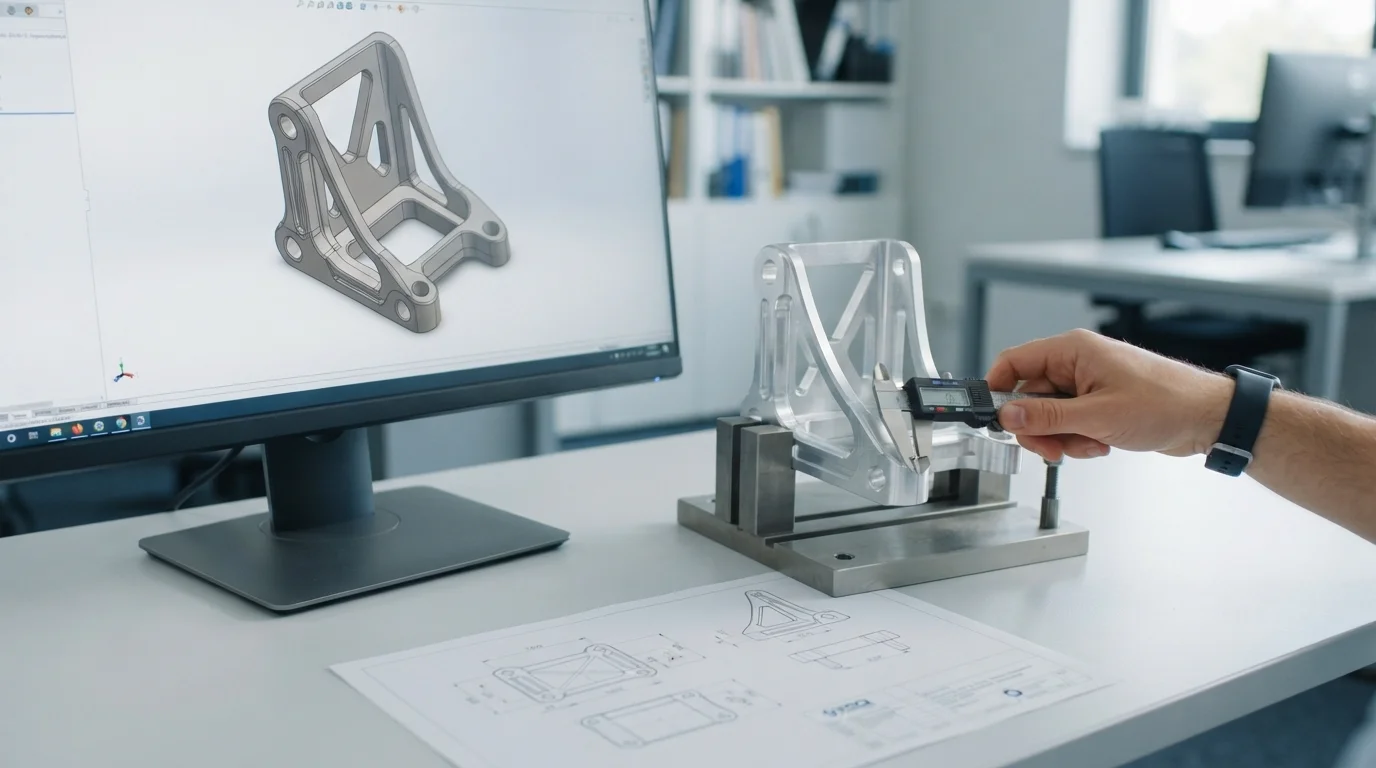
A complete pre-machining review reduces avoidable revisions. Confirm part orientation, workholding, tool access, critical datums, finishing sequence, and inspection method. Also identify what is still open so an exploratory prototype is not mistaken for a final production definition.
- CAD and drawing alignment: confirm revision, units, material, finish, and the relationship between the model and 2D requirements.
- Critical features: mark mating faces, holes, threads, bearing locations, connector openings, seals, and cosmetic zones.
- Machining geometry: check internal radii, deep pockets, thin sections, undercuts, tool reach, and multiple setups.
- Assembly context: provide adjacent parts, fasteners, inserts, gaskets, electronics, or fixtures that affect the design.
- Prototype purpose: explain whether the part is for appearance, fit, function, load, user testing, or a combination.
- Inspection evidence: state which dimensions need a report and what constitutes acceptance.
Do not over-specify a prototype in ways that increase cost without improving the decision. Conversely, do not omit a critical requirement because it appears difficult. A good RFQ separates must-have features, preferred features, and open items for engineering discussion.
What should a consumer CNC machining RFQ include?
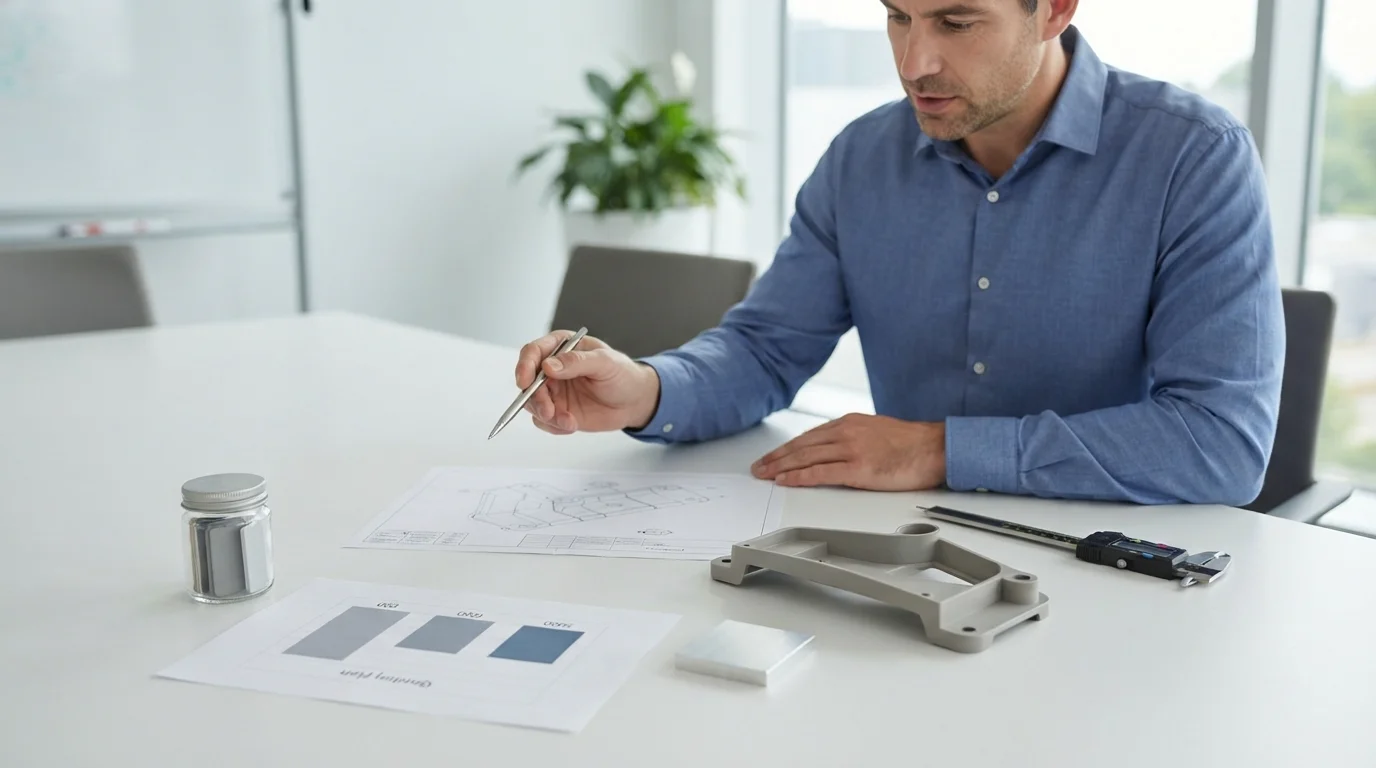
A useful RFQ lets the supplier estimate the actual work and identify risks before the first setup. Include enough information to connect the part to its product role and validation plan.
| RFQ item | Information to provide |
|---|---|
| Product and use | Category, user interaction, environment, loads, and prototype objective |
| Part files | CAD, drawings, assembly context, revision, and reference images |
| Materiale | Required grade or performance target, alternatives, and compliance needs |
| Quantity | Parts, iterations, spare units, and possible follow-on volume |
| Finitura | Cosmetic surfaces, texture, color, coating, and edge treatment |
| Qualità | Critical dimensions, datums, inspection report, functional checks, and acceptance |
| Schedule | Design review, first sample, feedback cycle, final prototype, and pilot decision |
Frequently asked questions
Is CNC machining better than 3D printing for a consumer product prototype?
Neither is universally better. CNC is useful when the team needs a real metal or engineering-plastic part, accurate interfaces, or a refined surface. 3D printing is useful for rapid shape changes, complex forms, lightweight models, and early fit checks. Choose the route according to the evidence required.
Can a CNC prototype represent an injection-molded production part?
It can represent selected dimensions and interfaces, but not automatically molded surface, shrinkage, flow-related features, flexibility, or production variation. Use the machined sample for the questions it can answer, then plan molding validation when that process becomes the key risk.
What causes the largest changes in CNC prototype cost?
Geometry, material, stock size, setups, tool access, tolerances, finish, inspection, quantity, and post-processing all influence cost. A manufacturability review can identify which features drive effort and where a design change would improve the prototype.
Consumer product CNC machining is most effective when treated as an engineering decision tool rather than a shortcut from CAD to metal. Define the product question, select material and finish deliberately, mark only the dimensions that matter, and explain how the parts will be evaluated. A well-specified CNC prototype can provide clearer evidence for assembly, user experience, performance, and the next manufacturing stage.

