


La scelta tra anime di stampo in acciaio pre-temprato e alluminio di qualità aeronautica rappresenta una delle decisioni più critiche sui materiali nell'ingegneria dello stampaggio a iniezione a bassa produzione. I progettisti di stampi devono valutare se il costo di lavorazione iniziale inferiore dell'alluminio tenero superi la superiore resistenza all'usura delle piastre in acciaio pre-temprato. L'approvvigionamento di modelli fisici ad alta fedeltà consente alle imprese hardware di convalidare l'adattamento dei pezzi, ma la transizione allo stampaggio a bassa produzione richiede una chiara comprensione delle dinamiche di usura della cavità. Una pianificazione meticolosa previene i lavaggi prematuri dello stampo, garantendo che gli assemblaggi plastici personalizzati si adattino senza intoppi alla produzione a basso volume.
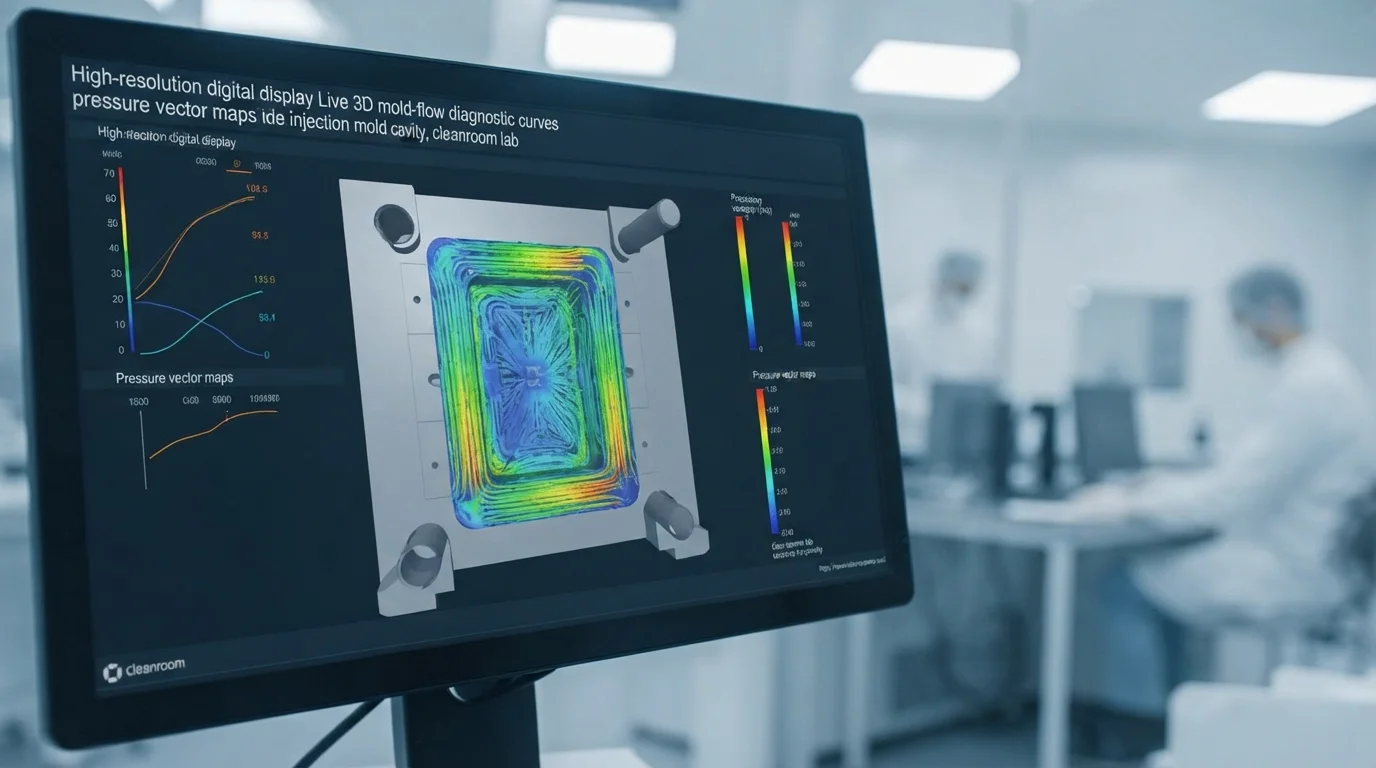
Analizzando i compromessi a lungo termine del costo dell'acciaio P20 rispetto all'alluminio per gli stampi garantisce che il tuo team di prodotto selezioni il metallo per stampi giusto per la tua resina target. Gli specialisti della produzione analizzano i tassi di taglio del polimero, il contenuto di fibra di vetro e le forze di serraggio utilizzando software avanzati di simulazione del flusso di stampo. L'approvvigionamento dei tuoi componenti da un partner esperto previene errori di comunicazione, garantendo che le modifiche di progettazione vengano propagate in modo sicuro in tutte le fasi. Lascia che ti guidi attraverso i prezzi del semilavorato grezzo, l'usura degli utensili CNC e i fattori di compatibilità della resina che determinano la tua fattura finale.
Indice
1. Differenze di prezzo del semilavorato e matematica della lavorabilità CNC
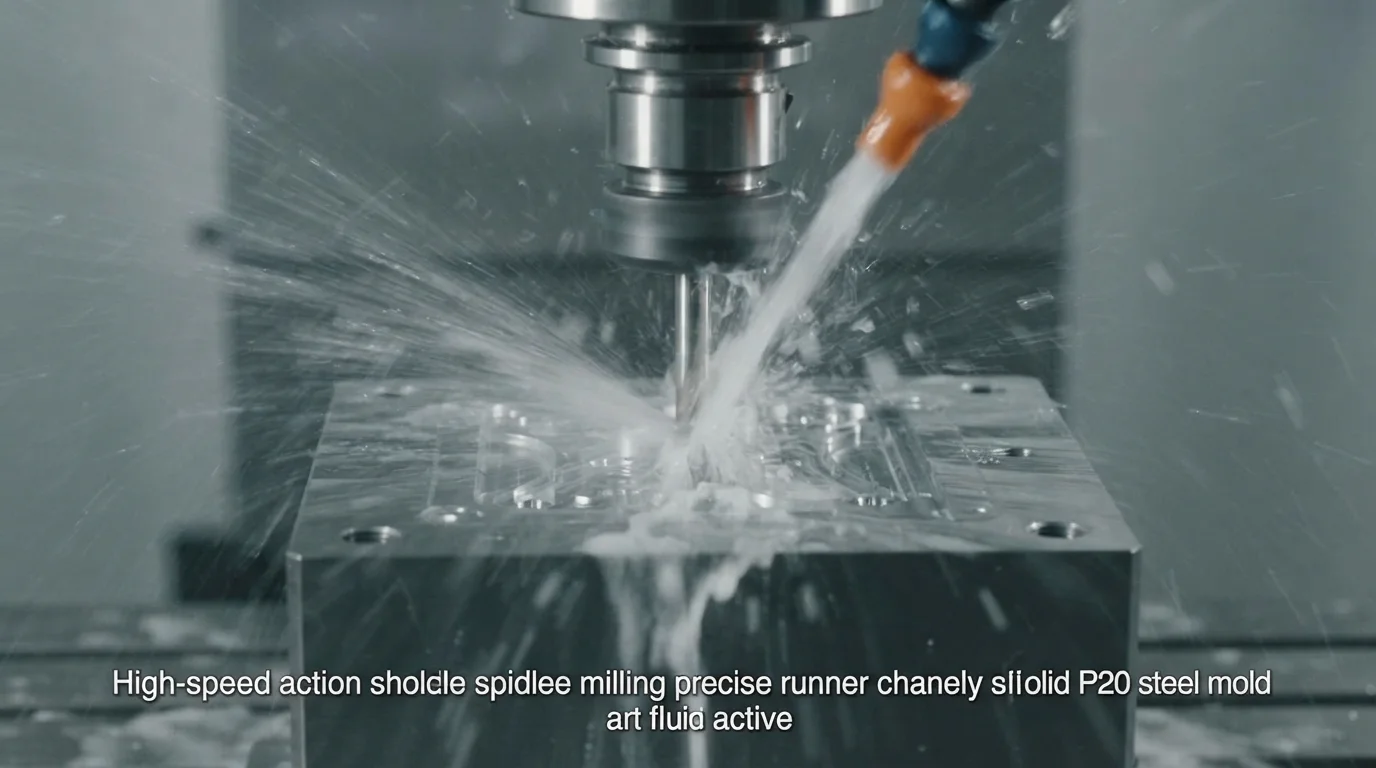
2. Tassi di usura degli utensili e ore del mandrino ad alta velocità
Differenze di prezzo del semilavorato e matematica della lavorabilità CNC
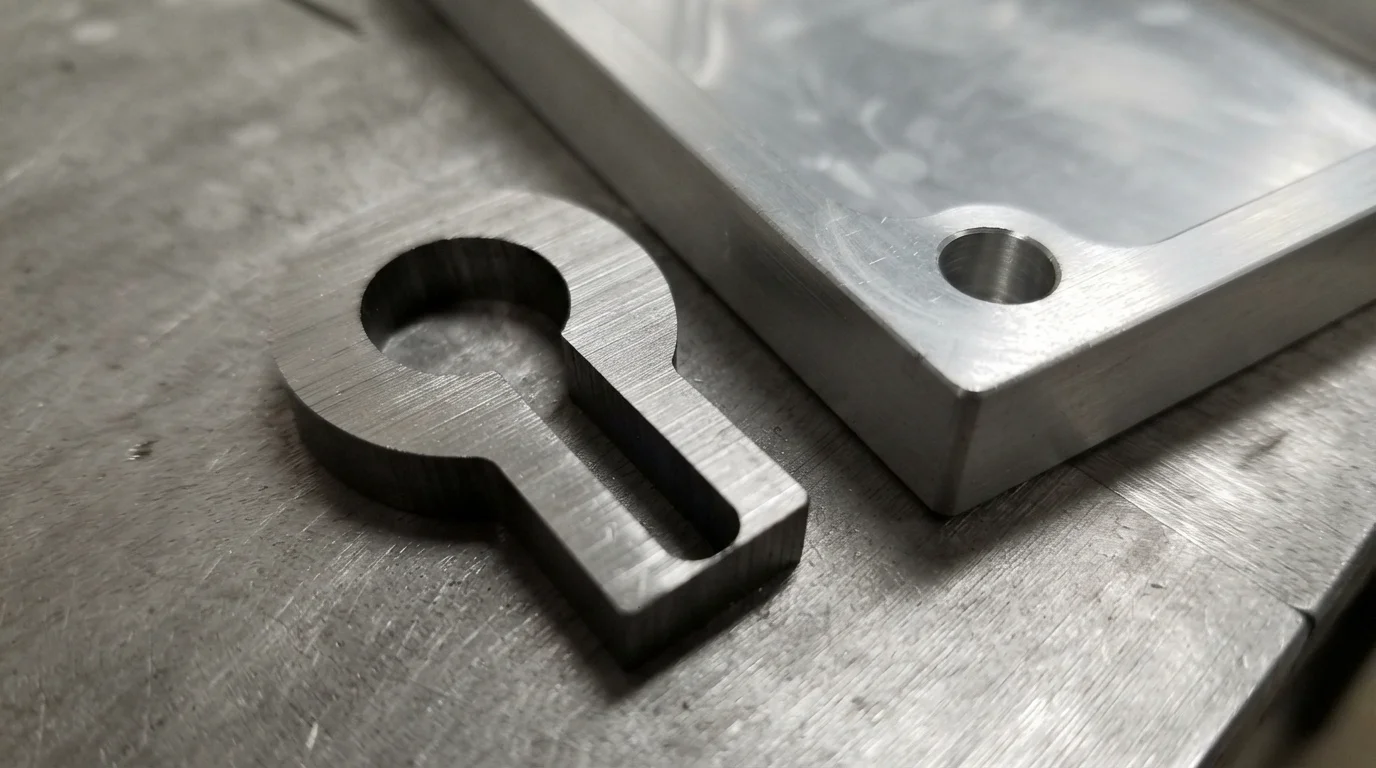
Domanda: Perché l'acciaio P20 costa di più da lavorare in uno stampo rispetto all'alluminio? L'acciaio P20 pre-temprato possiede una durezza maggiore (28-32 HRC), richiedendo avanzamenti di taglio più lenti e causando una maggiore usura degli utensili rispetto all'alluminio tenero AL7075.
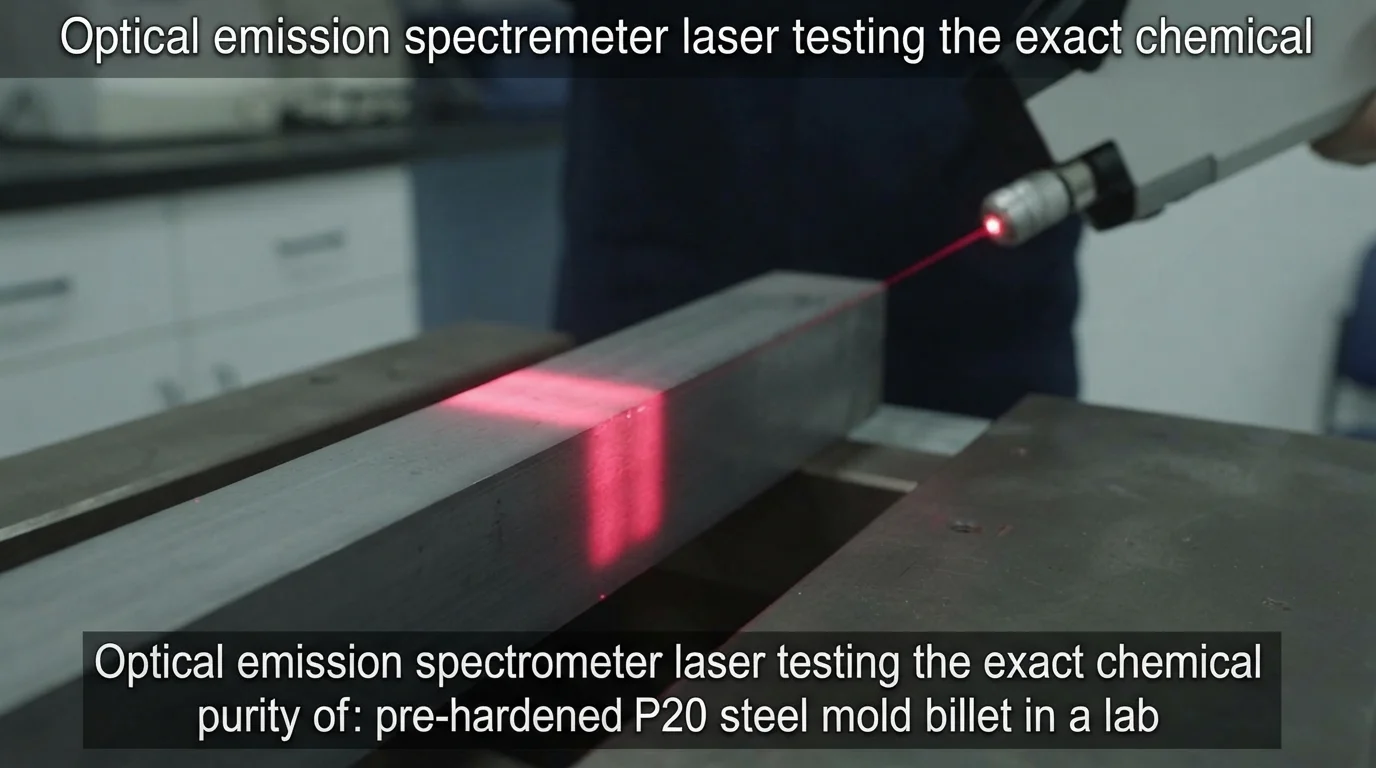
Le spese di acquisto del blocco di metallo grezzo costituiscono solo una frazione delle fatture iniziali di fabbricazione dello stampo, mentre le ore macchina CNC rappresentano il principale fattore di costo. L'approvvigionamento di alluminio tenero Alluminio (AL7075-T6) consente ai mandrini ad alta velocità di rimuovere il materiale grezzo fino a cinque volte più velocemente rispetto all'acciaio pre-temprato Acciaio per utensili. L'acciaio pre-temprato P20 arriva già temprato a 30 HRC, fornendo un'elevata rigidità strutturale senza richiedere un trattamento termico secondario sotto vuoto. L'approvvigionamento di piastre in acciaio P20 aumenta le ore di lavorazione iniziali, ma elimina i tempi di consegna del trattamento termico post-fresatura.
Calcolando il tuo complessivo costi per stampaggio rapido richiede il bilanciamento dell'usura dell'utensile da taglio con le ore di fresatura del mandrino per ogni opzione metallica. I nuclei in alluminio si tagliano rapidamente con frese standard, mentre l'acciaio P20 richiede frese in metallo duro specializzate che si usurano più rapidamente durante la fresatura profonda di tasche. Il taglio preciso di file CAD complessi consente ai costruttori di stampi esperti di analizzare manualmente le chiusure delle linee di divisione. La standardizzazione delle distanze non critiche consente ai mandrini di fresatura ad alta velocità di sgrossare rapidamente il materiale grezzo, massimizzando l'efficienza di taglio.
L'approvvigionamento di parti funzionali da un professionista Servizio di prototipazione è ideale per studi di forma iniziali, ma quei file CAD spesso violano la fisica dello stampaggio a iniezione per produzione di massa. Il taglio preciso di file CAD consente ai costruttori di stampi esperti di analizzare linee di separazione, angoli di sformo e spessori di parete utilizzando software avanzati di simulazione del flusso di stampo. I progettisti di stampi analizzano presto le linee di separazione per garantire che le chiusure in alluminio morbido resistano all'usura sotto alte pressioni di serraggio. L'approvvigionamento di metalli in billetta di alta qualità protegge il budget di sviluppo dai sovrapprezzi dei materiali.
Tassi di usura degli utensili e ore del mandrino ad alta velocità
Domanda: Quanti cicli di iniezione può sopportare uno stampo in acciaio P20? Gli stampi in acciaio P20 pre-temprato sopportano facilmente da 50.000 a 100.000 cicli di iniezione, rendendoli superiori all'alluminio per serie di breve durata più lunghe.
La valutazione delle strutture dei costi dell'utensileria in acciaio P20 rispetto all'alluminio comporta la proiezione di quante estrazioni di parti pulite il vostro stampo può fornire prima di subire una deriva dimensionale. Le cavità in acciaio P20 pre-temprato resistono allo schiacciamento della linea di divisione e all'erosione del punto di iniezione sotto elevate forze di chiusura, fornendo fino a 100.000 colpi puliti. Gli stampi in alluminio, al confronto, subiscono tipicamente l'usura della chiusura dopo 10.000-20.000 cicli, richiedendo riparazioni di rilucidatura o micro-saldatura. La scelta dell'acciaio P20 è altamente economica per produzioni di volume medio dove la longevità dello stampo supera i costi iniziali di lavorazione CNC.
L'approvvigionamento di un dedicato Servizio di attrezzaggio rapido aiuta i team di prodotto a scegliere il metallo corretto per lo stampo in base al volume di ordini annuale e all'abrasività del polimero. Questa tabella comparativa tecnica delinea le principali differenze fisiche e finanziarie tra stampi in acciaio P20 e alluminio AL7075:
| Materiale dello Stampo | Durezza della billetta | Tasso di rimozione del materiale | Durata stimata dell'utensile |
|---|---|---|---|
| Alluminio AL7075-T6 | 150 Brinell | Molto alto (500 cm³/min) | da 5.000 a 20.000 cicli |
| Acciaio Pre-temprato P20 | 30 HRC | Moderato (120 cm³/min) | Da 50.000 a 100.000 cicli |
Resine abrasive riempite con vetro e TCO a lungo termine
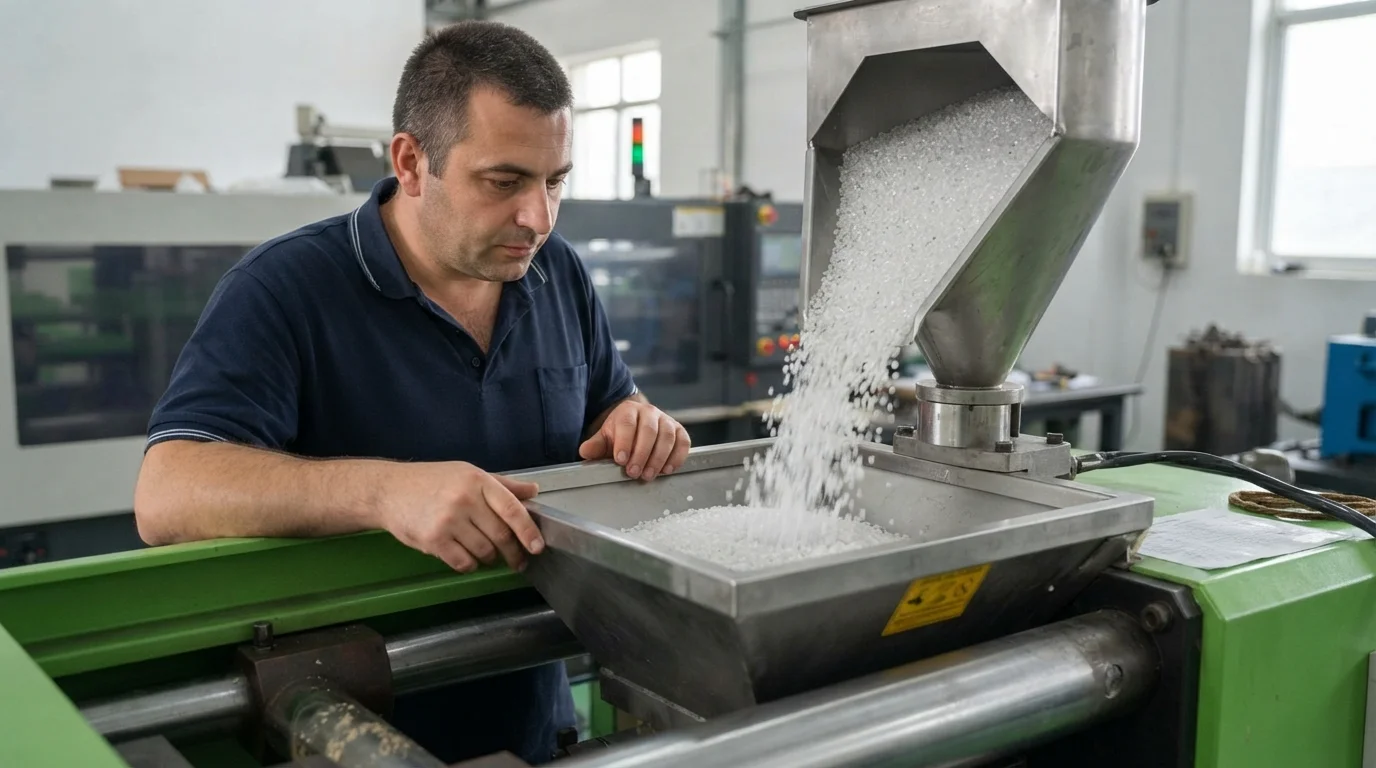
Domanda: Perché il nylon riempito con vetro impone il passaggio dall'alluminio all'acciaio P20? Le fibre di vetro tritate agiscono come carta vetrata ad alta velocità di iniezione, erodendo i punti di iniezione in alluminio grezzo entro centinaia di cicli.
L'iniezione di termoplastici rinforzati con fibre come il nylon riempito con vetro Nylon (PA) crea un'erosione abrasiva intensa contro le pareti della cavità grezze e gli ingressi del punto di iniezione. L'approvvigionamento di stampi in alluminio non temprato per nylon riempito con vetro al 30% provoca un rapido dilavamento del punto di iniezione e bave sulla linea di divisione dopo solo poche centinaia di colpi. Gli inserti in acciaio P20 pre-temprato resistono facilmente al flusso di fibre abrasive, proteggendo le dimensioni del punto di iniezione e mantenendo tolleranze strette su lunghe tirature. L'approvvigionamento di inserti in acciaio per aree ad alta usura preserva i vantaggi di velocità dello stampo in alluminio prevenendo guasti prematuri dell'utensile.
L'approvvigionamento della vostra breve serie Servizio di stampaggio a iniezione programmi da un partner integrato garantisce che i file CAD dei vostri stampi vengano sottoposti a controlli DFM esaustivi prima di tagliare il metallo. Jucheng Precision opera in uno stabilimento di produzione completamente attrezzato che contiene sia multiasse Servizio di lavorazione CNC che presse di stampaggio a iniezione di precisione. Gli ingegneri di fabbrica forniscono revisioni complete revisioni DFM gratuite 24 ore su 24 revisioni per ottimizzare le posizioni dei punti di iniezione, le linee di divisione e i profili di sformo. I passaggi ingegneristici chiave per ridurre il costo dell'attrezzatura in acciaio P20 rispetto all'alluminio includono:
- Costruzione del nucleo ibrido—Utilizzo di piastre in alluminio AL7075 per un raffreddamento rapido con inserti localizzati in acciaio P20 nei punti di iniezione ad alta usura
- Regole di spessore uniforme delle pareti—Progettare pareti tra 1,5 mm e 3,0 mm previene il ritiro localizzato del polimero e le deformazioni
- Adozione di telai modulari MUD—Il riutilizzo di basi universali evita le spese di lavorazione personalizzate del telaio esterno dello stampo
L'approvvigionamento di parti funzionali stampate in termoplastici tecnici solidi come ABS o Policarbonato (PC) fornisce un comportamento autentico del materiale sotto carico dinamico. I principali vantaggi operativi di lavorare con un produttore di stampi a tetto unico includono:
- Recensioni DFM gratuite 24 ore su 24—Gli ingegneri di fabbrica valutano le linee di divisione, le dimensioni dei punti di iniezione e i canali di raffreddamento prima di tagliare il metallo del nucleo
- Preventivi chiavi in mano trasparenti—I preventivi dettagliati includono in anticipo tutti i costi di rifilatura secondaria del punto di iniezione, verniciatura superficiale e imballaggio
- Lavorazione in officina utensili interna—I costruttori di stampi di fabbrica lavorano inserti in alluminio tenero o acciaio sotto un unico tetto
Domande Frequenti (FAQ)
Quanto è più costosa l'attrezzatura in acciaio P20 rispetto a quella in alluminio?
L'acciaio P20 pre-temprato costa circa il 20% in più da lavorare in uno stampo rispetto all'alluminio AL7075 a causa delle velocità di taglio inferiori. L'approvvigionamento di stampi in alluminio è inizialmente più economico, ma l'acciaio P20 diventa più economico per pezzo su produzioni superiori a 20.000 unità.
Come risolvono gli stampi ibridi i problemi di usura dei punti di iniezione nell'attrezzatura in alluminio?
L'installazione di inserti per punti di iniezione in acciaio P20 o H13 temprato in un nucleo di stampo in alluminio protegge i canali di ingresso ad alta usura dall'erosione abrasiva delle fibre. Gli stampi ibridi combinano economicamente la velocità di raffreddamento rapido dell'alluminio con la durata localizzata dell'acciaio.
L'acciaio P20 richiede un trattamento termico secondario sotto vuoto?
L'acciaio P20 prebonificato non richiede un trattamento termico secondario sotto vuoto perché arriva già temprato a 30 HRC. Saltare i cicli di trattamento termico elimina i rischi di distorsione termica dello stampo e riduce i tempi di consegna di settimane.

