


La produzione di componenti plastici personalizzati su scala tra 100 e 5.000 unità richiede un approccio manifatturiero specializzato che bilancia i costi fissi di configurazione della macchina con l'economia del volume di polimeri grezzi. Calcolare il tuo completo costo di stampaggio a iniezione a basso volume protegge il flusso di cassa nelle fasi iniziali, evitando le pesanti penalità per quantità minima d'ordine (MOQ) imposte dalle fonderie tradizionali di produzione di massa. L'approvvigionamento di parti a breve tiratura stampate con resine di grado produttivo consente ai gruppi di meccatronica di soddisfare in sicurezza la domanda iniziale del mercato, validando al contempo l'usura meccanica nel mondo reale. Una pianificazione meticolosa del budget di produzione a breve tiratura garantisce che la tua startup hardware cresca senza intoppi, senza immobilizzare capitale in eccesso di inventario di magazzino.
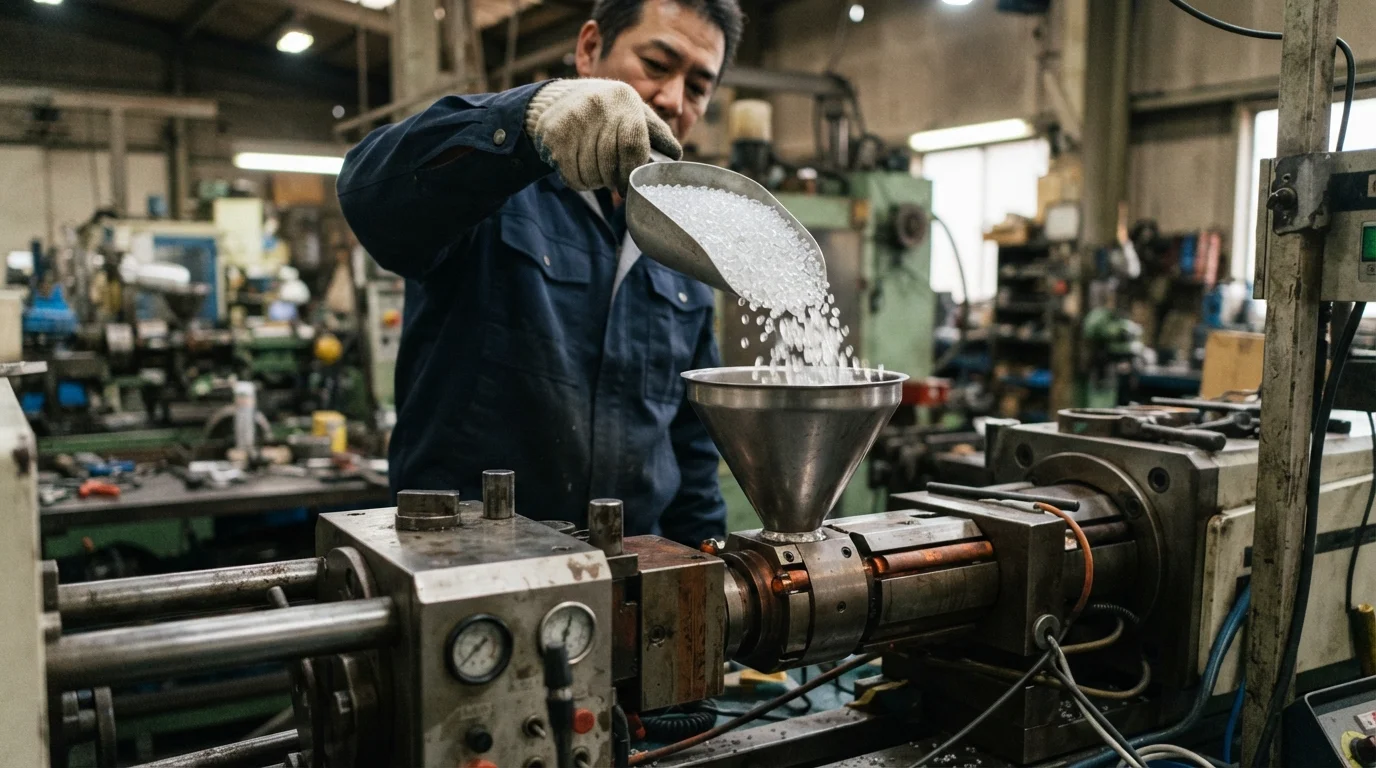
Gli specialisti della produzione valutano i requisiti di spurgo della canna, le configurazioni di bloccaggio della macchina e i tempi di raffreddamento della cavità prima di raccomandare le specifiche del metallo dello stampo. Il taglio preciso di file CAD complessi consente a stampisti esperti di analizzare linee di divisione, angoli di sformo e spessori di parete utilizzando software avanzati di simulazione del flusso di stampo. L'approvvigionamento delle tue copie da un partner esperto garantisce che le modifiche di progettazione vengano propagate in tutte le fasi in modo sicuro. Esaminiamo i fattori finanziari che governano lo stampaggio a breve tiratura ed esploriamo modi pratici per ridurre le spese per pezzo.
Indice
1. La Trappola dei MOQ: Perché le Fonderie Tradizionali Applicano Premi per le Piccole Serie
2. Ore di Configurazione, Spurgo della Canna e Spese Fisse della Pressa
3. Produzione Ponte Strategica per Conservare il Capitale di Avvio
La Trappola dei MOQ: Perché le Fonderie Tradizionali Applicano Premi per le Piccole Serie
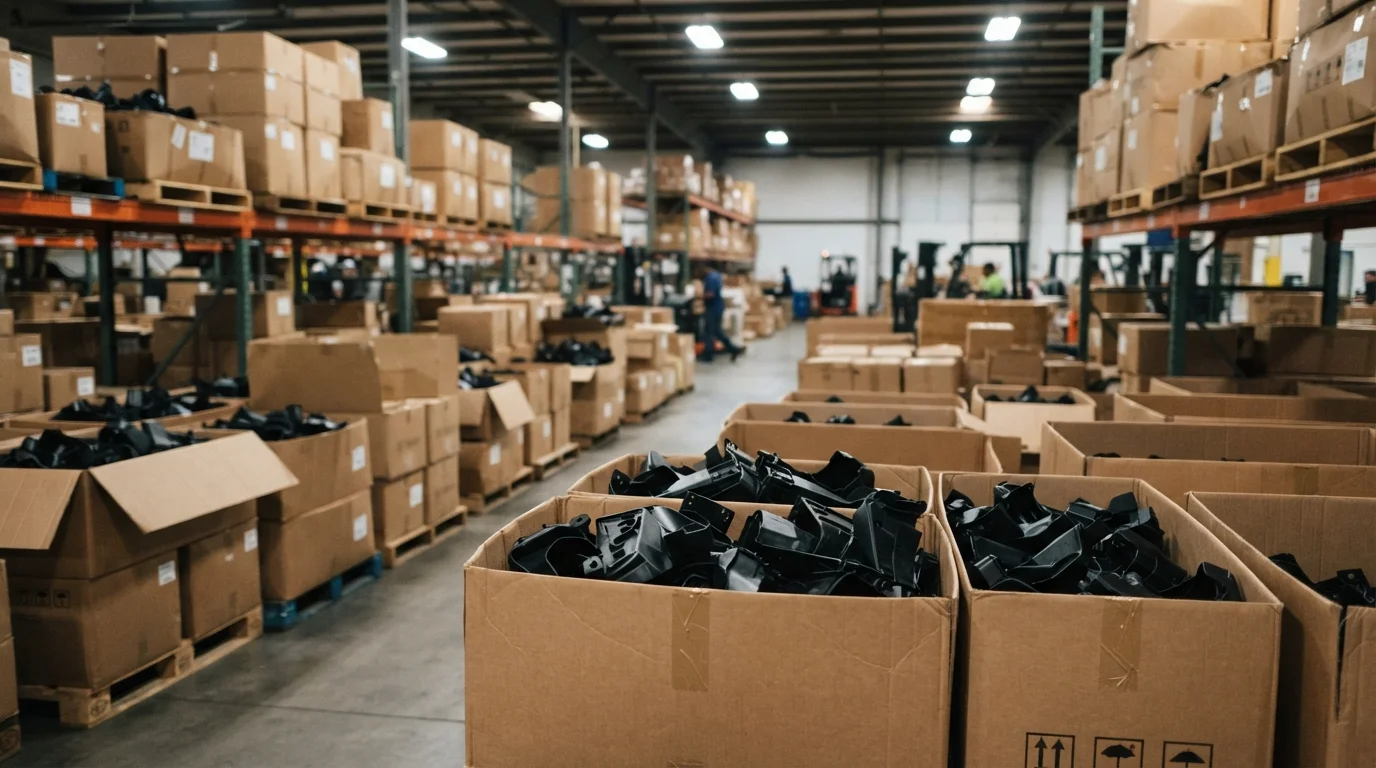
Le fonderie tradizionali di stampaggio a iniezione ad alto volume progettano i loro modelli di business attorno a cicli di produzione continui di più settimane che producono centinaia di migliaia di parti identiche. Richiedere una piccola serie di 500 unità a una fabbrica di produzione di massa li costringe a interrompere grandi linee automatizzate, con conseguenti sovrapprezzi di configurazione elevati che gonfiano i prezzi dei singoli pezzi. L'approvvigionamento di un Servizio di attrezzaggio rapido utilizzando inserti in alluminio o acciaio dolce elimina queste elevate barriere iniziali, fornendo piccoli lotti personalizzati in modo economico. Comprendere come le fonderie tradizionali strutturano i loro preventivi aiuta gli sviluppatori hardware a evitare elevate penalità per ordini minimi.
La valutazione dei rischi finanziari nascosti dei requisiti di ordine minimo elevato comporta la revisione di diverse variabili chiave della catena di approvvigionamento:
- Penalità per quantità minima d'ordine—Gli stampatori ad alto volume impongono quantità minime di 10.000 unità per compensare le lente ore di setup della pressa
- Costi di stoccaggio dell'inventario in magazzino—Conservare migliaia di involucri in plastica non verificati blocca capitale circolante cruciale per l'avvio
- Rischi di modifiche ingegneristiche tardive—Modificare stampi in acciaio temprato dopo aver scoperto cambiamenti nel feedback del mercato costa decine di migliaia
Ore di Setup, Spurgo del Barile e Spese Fisse della Pressa
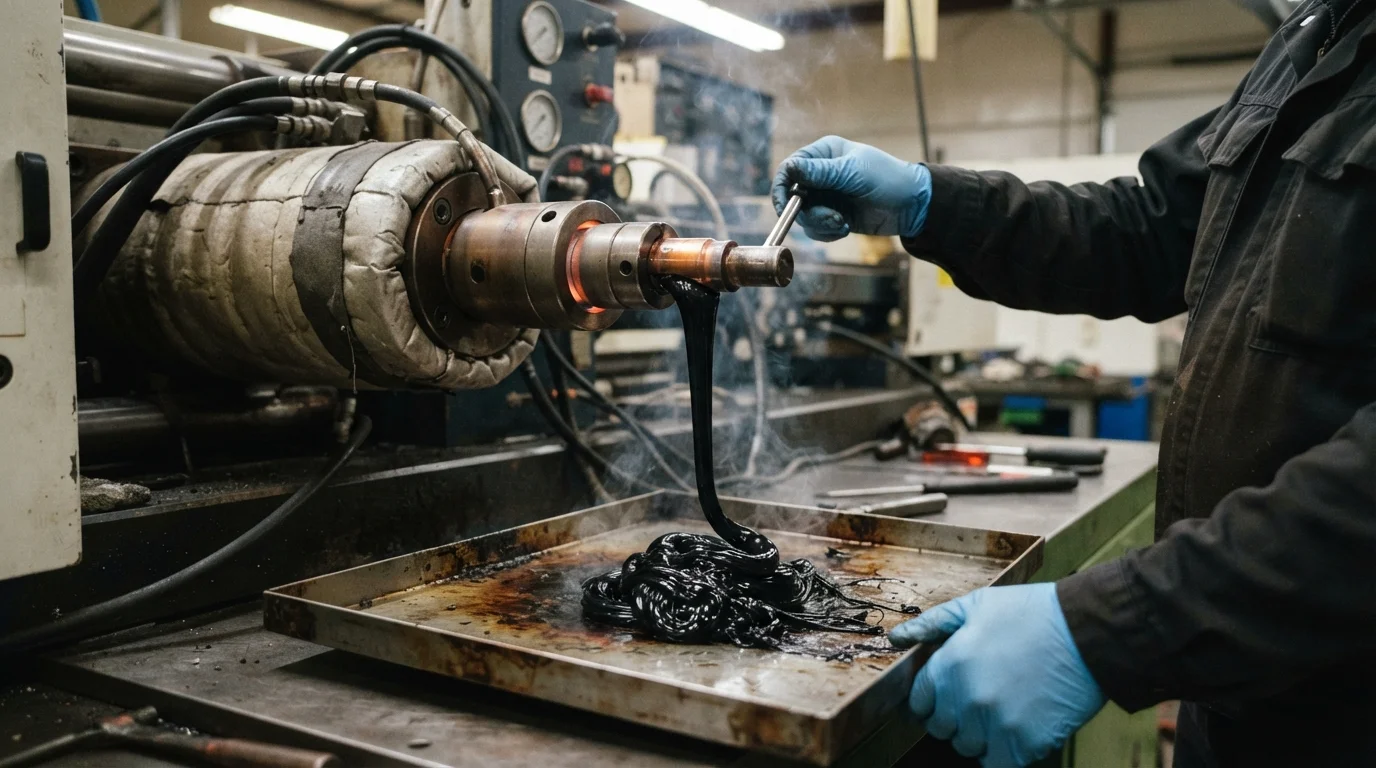
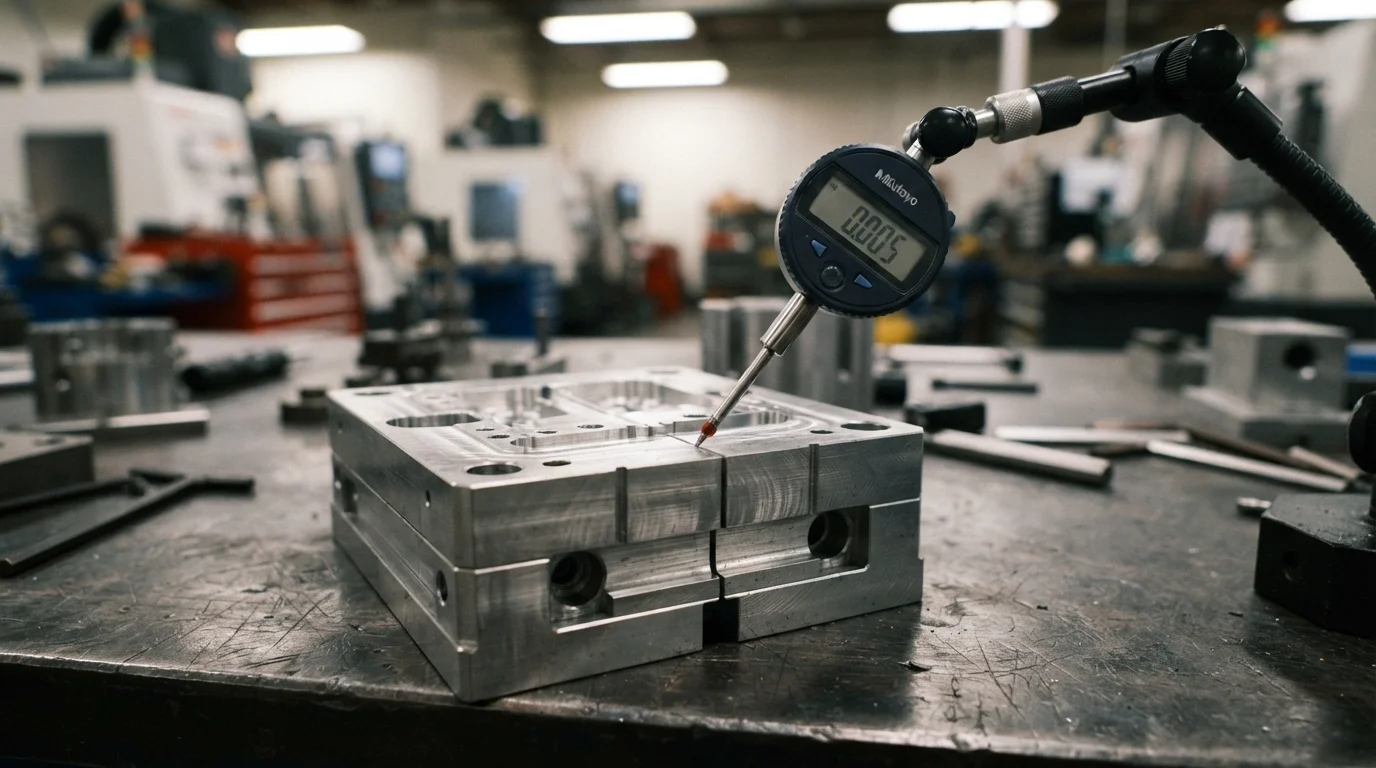
Le ore di setup della pressa, il riscaldamento termico del barile e lo spurgo della resina rappresentano costi fissi che devono essere ammortizzati sull'intera dimensione del lotto. Quando si esegue un piccolo lotto di 200 pezzi, il lavoro di setup fisso rappresenta una percentuale più alta del costo complessivo dello stampaggio a iniezione a basso volume rispetto a una produzione di 50.000 pezzi. Lo spurgo della resina grezza dal barile durante le transizioni di colore o materiale consuma diversi chilogrammi di termoplastici tecnici prima di ottenere l'approvazione del primo campione. L'approvvigionamento di inserti in anima morbida Alluminio (AL7075) o pre-temprati P20 Acciaio per utensili riduce le spese iniziali di costruzione dello stampo, aiutando a compensare queste spese fisse di setup della pressa.
L'approvvigionamento di parti funzionali stampate in termoplastici tecnici solidi come ABS, Nylon (PA), o Policarbonato (PC) garantisce che il tuo prototipo si comporti esattamente come un componente di produzione. Questa tabella di confronto tecnico delinea le strutture dei costi per diverse dimensioni di lotti di produzione:
| Dimensione del Lotto di Produzione | Fattore di Costo Principale | Strategia di Attrezzaggio Consigliata | Vantaggio Finanziario B2B |
|---|---|---|---|
| Da 10 a 50 unità | Costo di manodopera e resina | Casting sottovuoto (stampi in silicone) | CapEx iniziale più basso ($200 – $500 per stampo) |
| Da 100 a 5.000 unità | Setup fisso della pressa e ore CNC | Attrezzatura rapida (telai MUD in alluminio) | Riduce il CapEx del 60%, resine di produzione genuine |
| Oltre 50.000 unità | Tariffe orarie attive della pressa | Stampaggio di produzione (acciaio H13) | OpEx per pezzo più basso per volumi di massa estremi |
Produzione ponte strategica per conservare il capitale iniziale
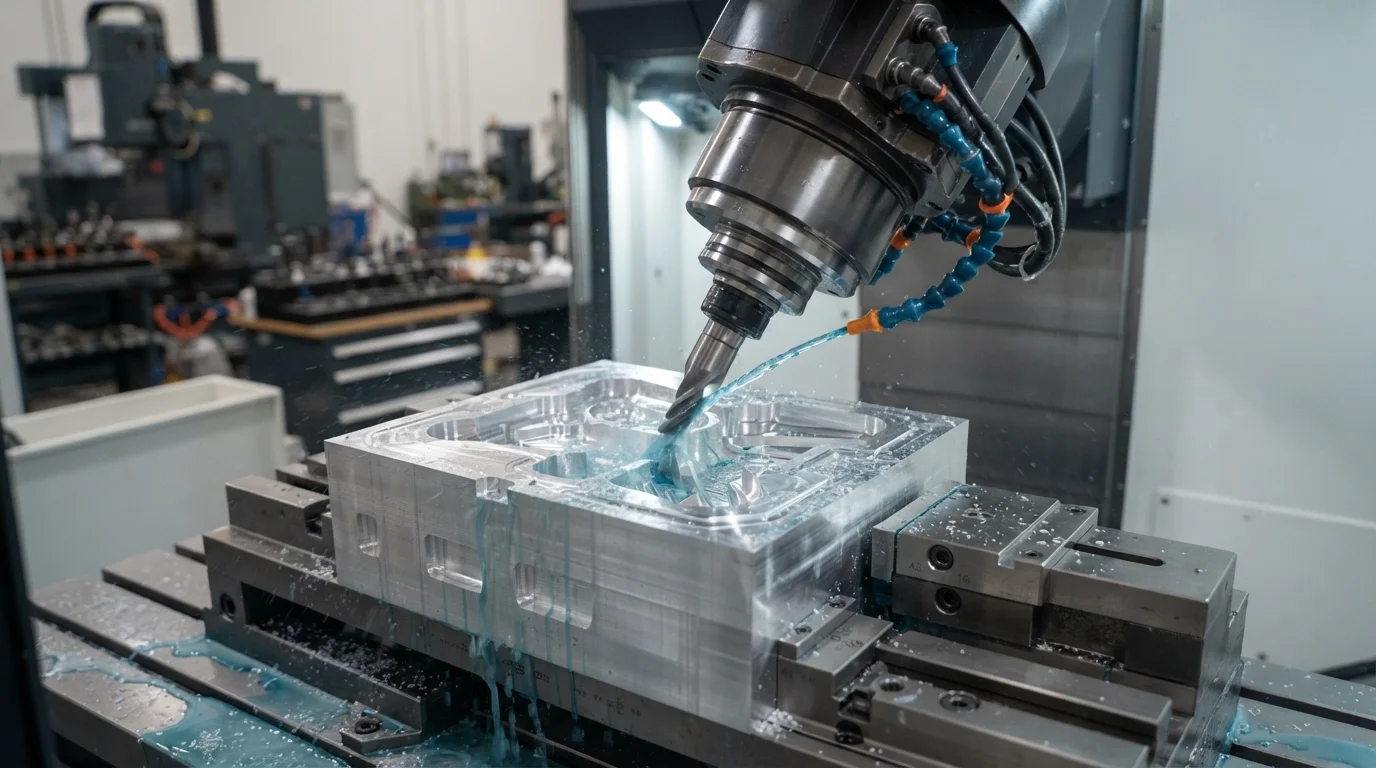
Passare a un Servizio di stampaggio a iniezione consente alle startup hardware di validare la reale trazione delle vendite prima di impegnare decine di migliaia di dollari in stampi in acciaio multi-cavità. L'approvvigionamento di programmi di stampaggio a iniezione a basso volume consente ai gruppi meccatronici di produrre hardware pronto per il mercato per l'adempimento del crowdfunding o le sperimentazioni cliniche di dispositivi medici in modo pulito. L'approvvigionamento di Servizio di lavorazione CNC o modelli Casting sotto vuoto modelli funzionali consente ai gruppi di ingegneria di validare i progetti prima di impegnarsi in stampi in alluminio o acciaio dolce. L'approvvigionamento di queste configurazioni transitorie riduce il rischio di ingresso sul mercato, dimostrando la trazione delle vendite prima di investire pesantemente in impianti di stampaggio di massa automatizzati.
Jucheng Precision opera con un impianto di produzione completamente attrezzato contenente centri di lavorazione multiasse e presse di stampaggio a iniezione di precisione. Gli ingegneri di fabbrica forniscono un servizio completo revisioni DFM gratuite 24 ore su 24 recensioni per ottimizzare le posizioni dei punti di iniezione, le linee di divisione e i profili di sformo prima di tagliare il metallo. L'approvvigionamento dei vostri programmi di stampaggio a breve serie dal nostro stabilimento produttivo sotto lo stesso tetto previene errori di comunicazione, garantendo che le modifiche di progettazione vengano propagate in modo sicuro in tutte le fasi:
- Recensioni DFM gratuite 24 ore su 24—Gli ingegneri di fabbrica valutano le linee di divisione, le dimensioni dei punti di iniezione e i canali di raffreddamento prima di tagliare il metallo del nucleo
- Nessun requisito di ordine minimo—Programmi di stampaggio flessibili consentono alle startup di ordinare da 100 a 5.000 pezzi senza penali
- Officina attrezzisti e stampaggio sotto lo stesso tetto—I nostri attrezzisti interni eseguono saldature a micro-laser e modifiche ai nuclei sotto lo stesso tetto
Collaborare con uno specialista certificato Servizio di prototipazione lo specialista garantisce che il vostro hardware finito corrisponda esattamente alle specifiche di disegno in modo pulito. L'approvvigionamento manuale dei preventivi garantisce che ingegneri esperti analizzino i vostri file 3D STEP per trovare ulteriori modi di risparmiare sullo stampaggio a breve serie. I componenti personalizzati vengono sottoposti a rigorosi controlli metrologici coordinati per confermare la conformità dimensionale esatta. L'approvvigionamento di prototipi di alta qualità garantisce che i vostri progetti siano costruiti per resistere a forze dinamiche severe in modo sicuro.
Domande Frequenti (FAQ)
Cosa si considera stampaggio a iniezione a basso volume nel settore B2B?
Lo stampaggio a iniezione a basso volume si riferisce a cicli di produzione su richiesta che vanno da 100 a 10.000 unità utilizzando stampi rapidi in alluminio o acciaio tenero. L'approvvigionamento di brevi serie colma il divario di produzione tra prototipi stampati in 3D e produzione di massa ad alto volume.
In che modo le tariffe fisse di configurazione della pressa influenzano i prezzi dello stampaggio in piccoli lotti?
Le tariffe fisse di configurazione della pressa e le spese di spurgo del barilotto di resina sono distribuite sulla quantità totale del lotto durante i cicli di produzione. L'approvvigionamento di serie brevi più grandi (1.000 unità rispetto a 100 unità) riduce i prezzi dei singoli pezzi distribuendo questi costi di configurazione su più parti.
Perché i telai MUD riducono i costi dello stampaggio a iniezione a basso volume?
I telai Master Unit Die (MUD) riutilizzano una base di stampo master universale, consentendo agli attrezzisti di lavorare solo gli inserti interni del nucleo compagno. Il riutilizzo di telai standard consente di risparmiare fino al 50% sul CapEx iniziale dell'attrezzatura, rendendo lo stampaggio a iniezione a basso volume conveniente per le startup hardware.

