


For semiconductor equipment parts, surface condition is part of performance. Finishing, deburring, cleaning, inspection, and packaging influence how a component fits, behaves, and is handled. A polished appearance alone does not prove that a part is suitable for a controlled equipment environment.
Contamination risk starts at the feature
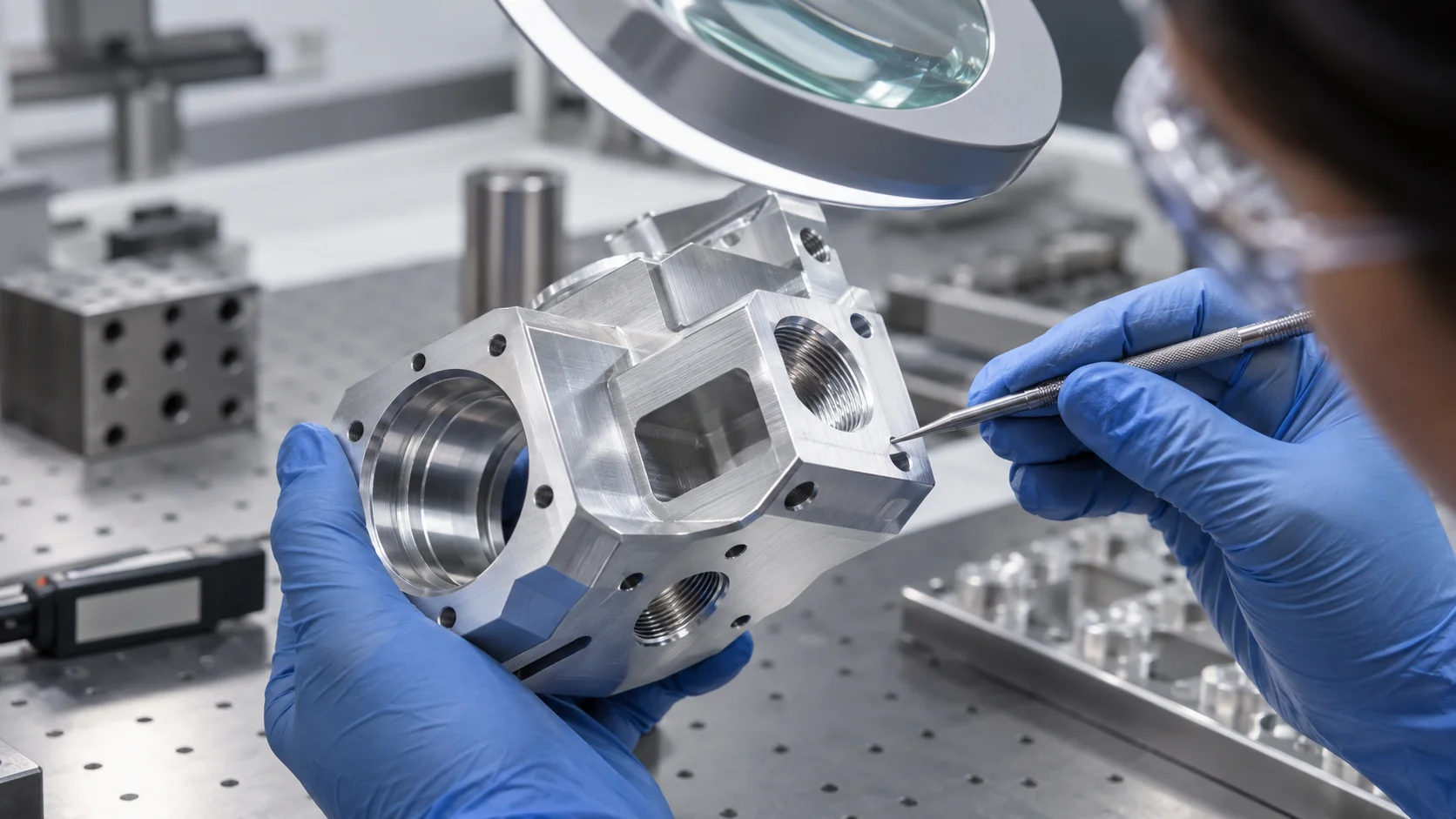
Risk can enter during machining, forming, welding, deburring, treatment, inspection, or packing. Burrs may interfere with movement or collect residue. Roughness can affect sealing or cleaning. Weld discoloration and embedded particles may create a problem even when the overall dimensions are correct.
The first step in a reliable semiconductor equipment parts manufacturing route is to identify which surfaces are functional, process-facing, cosmetic, or protected from contact.
Select finishing for the function
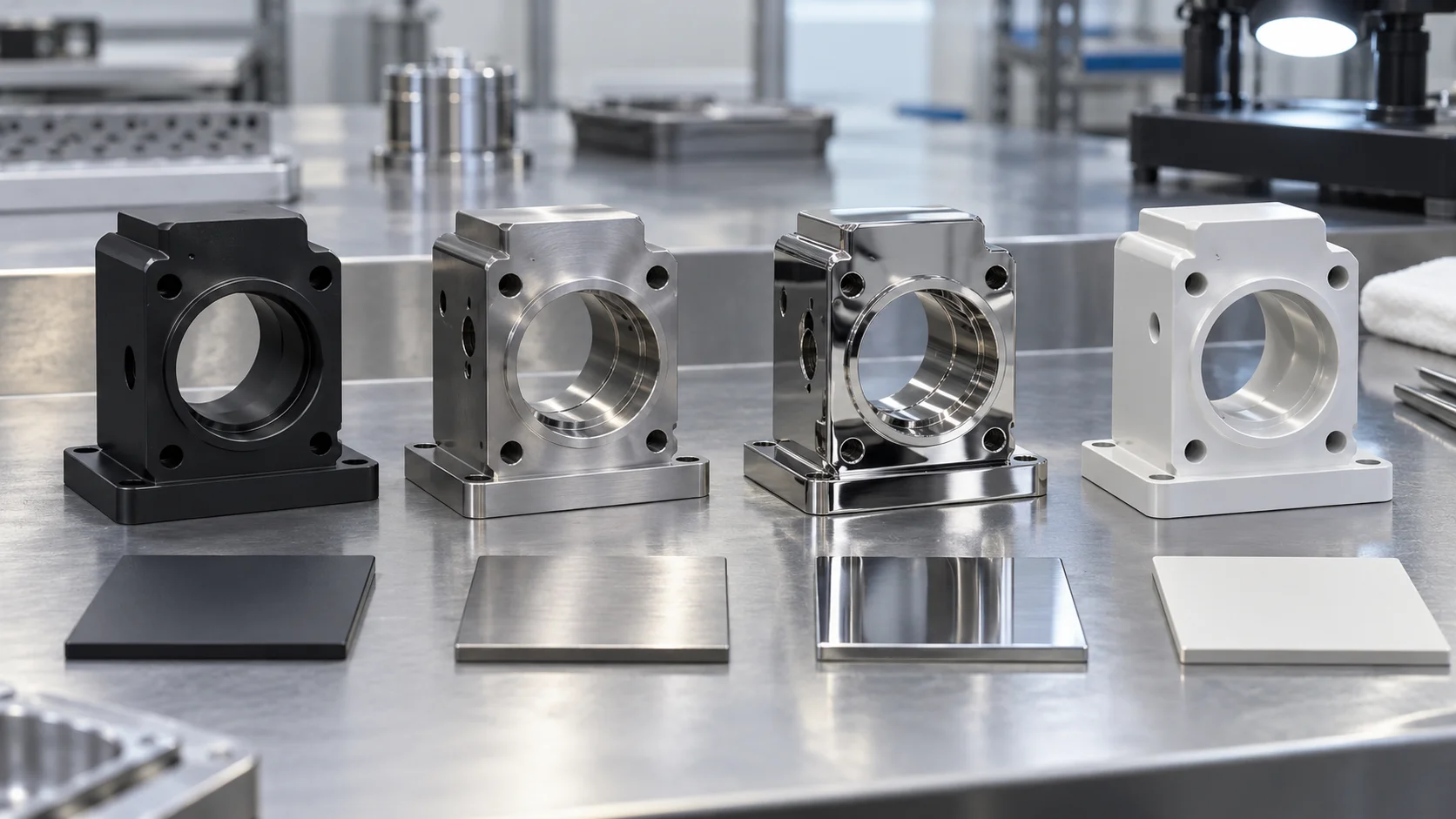
| Requisito | Possible consideration | Control point |
|---|---|---|
| Resistenza alla corrosione | Passivation or suitable coating | Coverage, masking, and records |
| Wear or friction | Polishing, hard treatment, or material change | Contact surface and dimensional effect |
| Appearance and handling | Bead blasting, painting, or controlled polish | Texture, color, and scratch protection |
| Cleanable surface | Defined roughness and edge treatment | Deburring, cleaning, and packaging |
A general surface finishing service review can help compare treatment options, but the selected finish should always be tied to the part function.
Cleaning is a process, not a final wipe
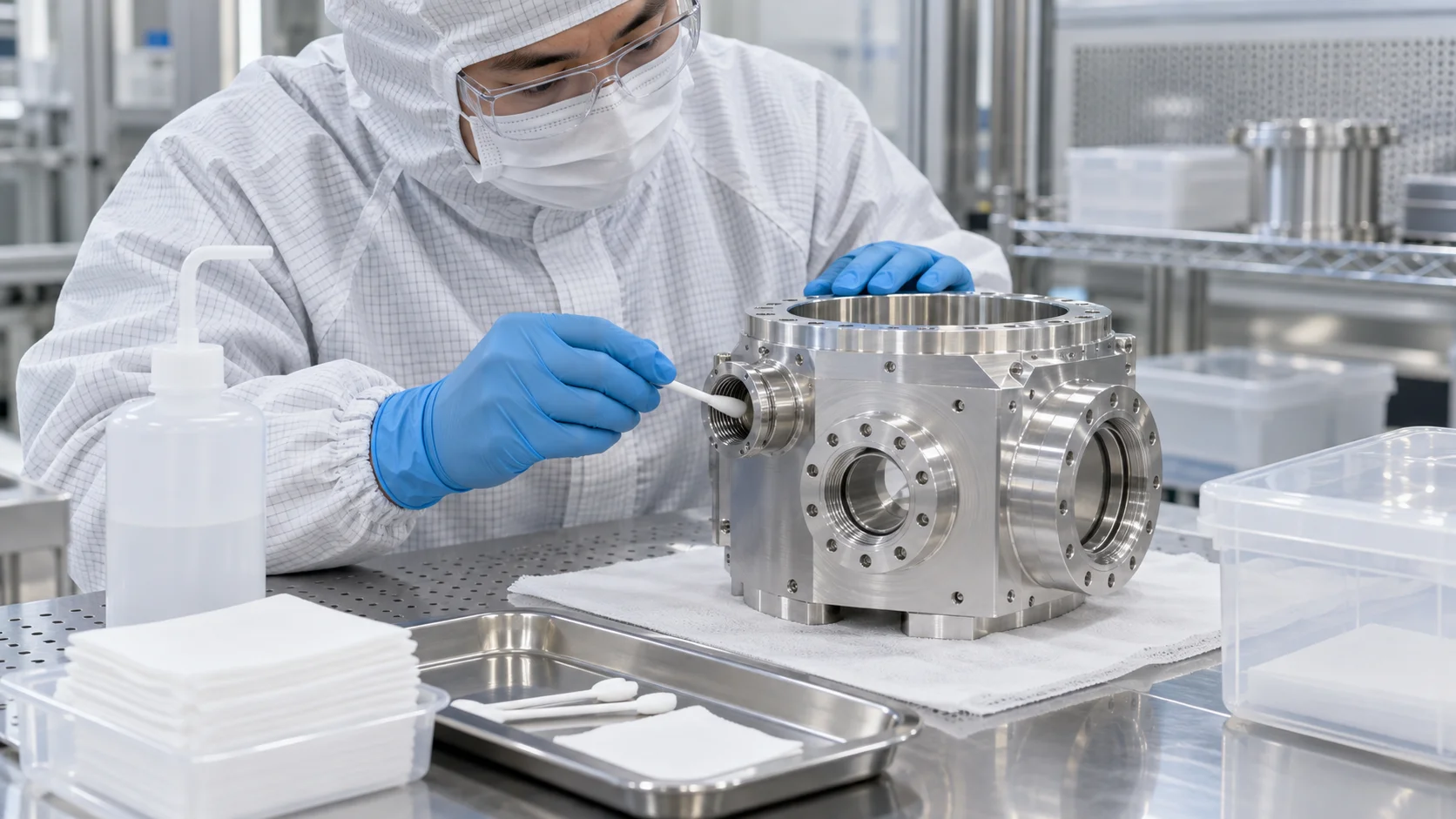
Cleaning should define the method, timing, handling tools, drying, and packaging. The required level depends on where the part will be used and how sensitive the equipment is. Avoid leaving cleaning as an undefined final step; it can affect residue, corrosion, water marks, and the condition of treated surfaces.
- Use a controlled sequence after deburring and finishing.
- Keep cleaned parts away from dirty work areas and unprotected contact.
- Identify gloves, wrapping, separators, and container requirements.
- Record any special cleaning or customer acceptance condition.
Inspect the finished condition
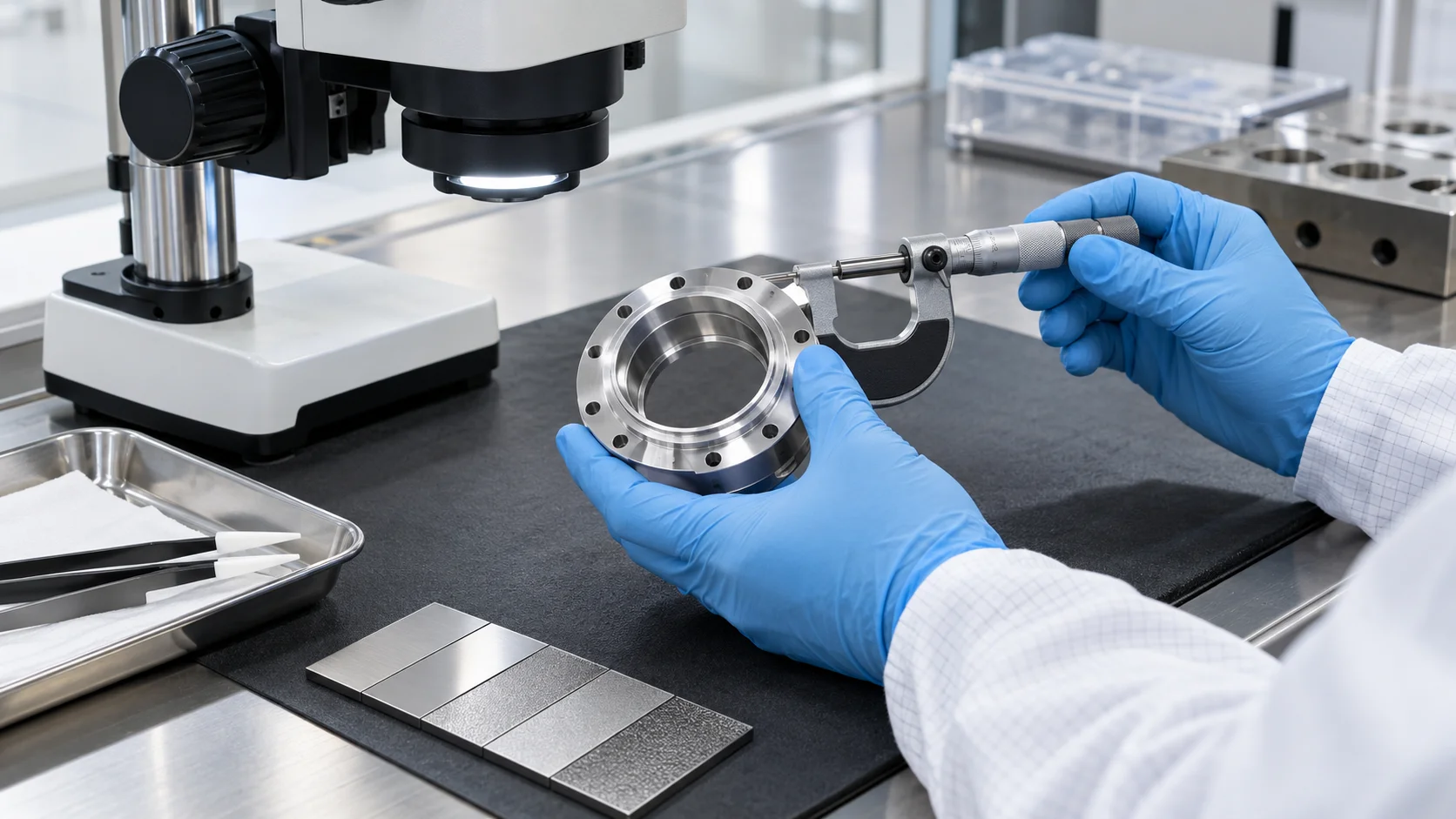
Final inspection should combine dimensional and visual checks. Measure critical interfaces after treatment when treatment can change size. Inspect burrs, edges, scratches, discoloration, coating coverage, threads, and holes. When a surface is process-facing, define the evidence needed to show that it was handled as specified.
For stainless components, a defined passivation service may be relevant, but the drawing should still state the required condition and inspection basis.
Packaging preserves the released condition
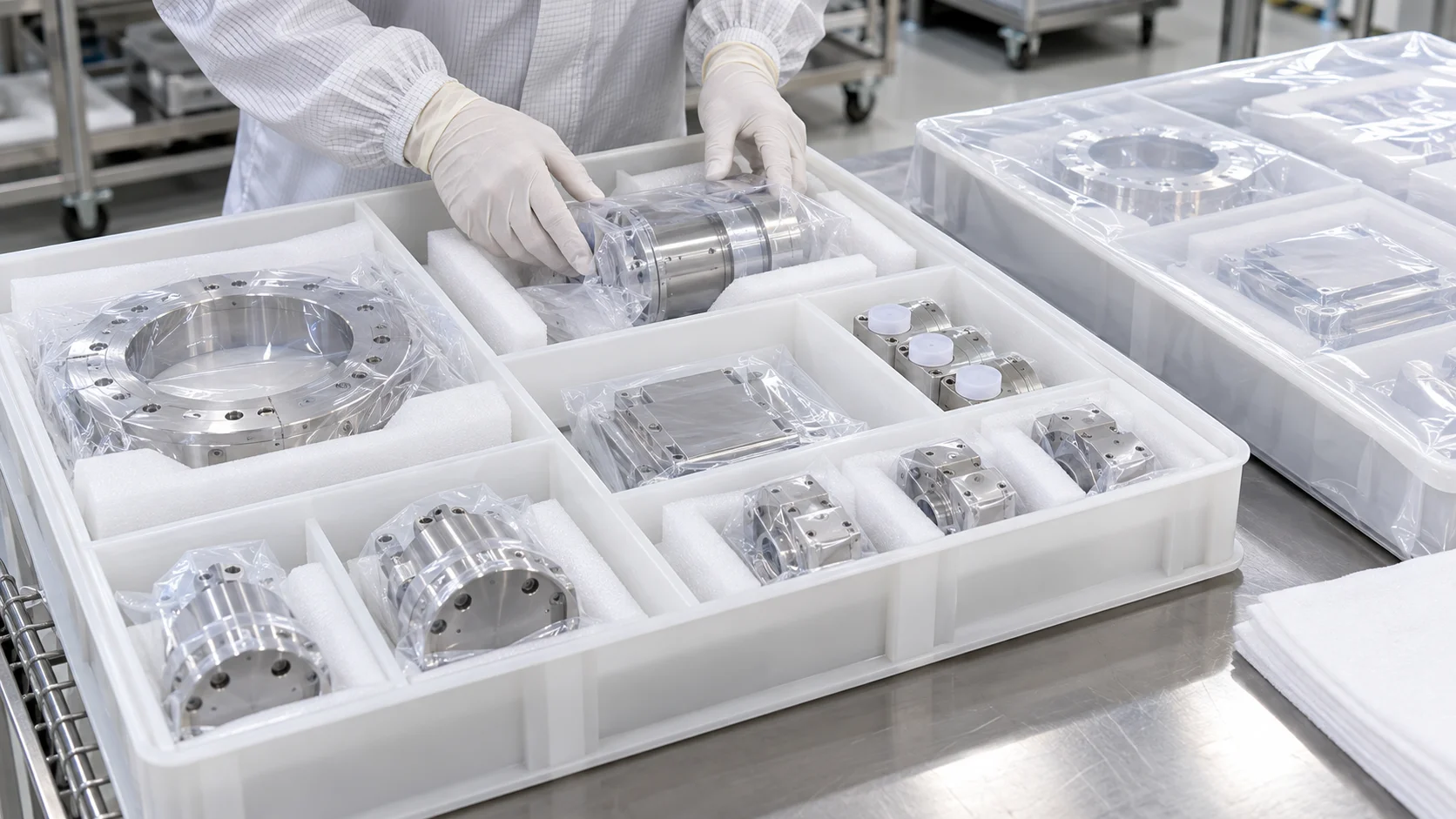
Packaging is the final manufacturing control. Use separators for finished surfaces, protect threads and locating faces, and label the part revision and lot when traceability matters. A clean component can lose its condition through dust, moisture, or careless stacking during transport.
The packing method should be agreed before quotation when the part is large, delicate, sharp-edged, or sensitive to contamination.
Finishing and Cleanliness Questions
Is a shiny surface necessarily a clean surface?
No. Appearance does not verify residue, particles, burrs, or handling condition. Cleanliness needs a defined process and acceptance method.
When should inspection occur after finishing?
Critical dimensions and treatment-sensitive features should be checked after the relevant finishing step. The exact sequence depends on the part and requirement.
The Cleanliness Chain
Surface quality is a chain from machining to packaging. Defining the function, selecting the right treatment, controlling cleaning, and inspecting the finished condition gives semiconductor equipment teams more dependable parts.

