


Produzione medicale: pro e contro di CNC, stampaggio e stampa 3D
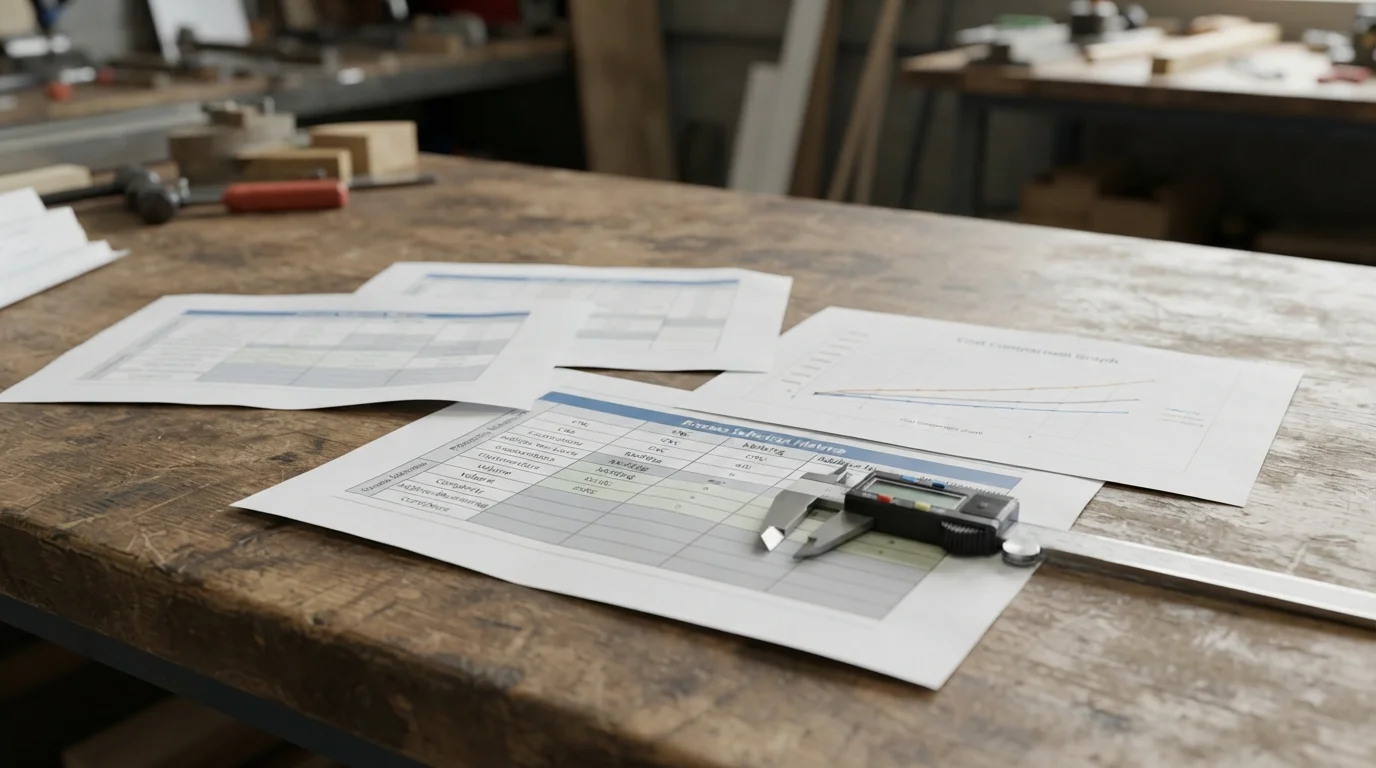
Selecting the optimal fabrication route for healthcare products requires balancing geometric complexity, production volume, surface finish requirements, and non-recurring engineering outlays. When biomedical engineering leads plan their New Product Introduction roadmaps, conducting an objective evaluation of medical manufacturing pros and cons across subtractive, formative, and additive processes is essential. Relying on an ill-suited method can result in excessive piece-part costs, unachievable dimensional tolerances, or extended regulatory submission delays.
Utilizing an experienced contract manufacturing partner ensures that high-strength titanium (Ti-6Al-4V ELI) implants, implantable PEEK spinal cages, and transparent policarbonato (PC) diagnostic cartridges transition efficiently from prototypes to certified production batches. Let us examine the technical strengths, economic trade-offs, and design boundaries governing modern medical manufacturing.
Module 1 – Definition and Working Principles of Multi-Process Trade-Offs
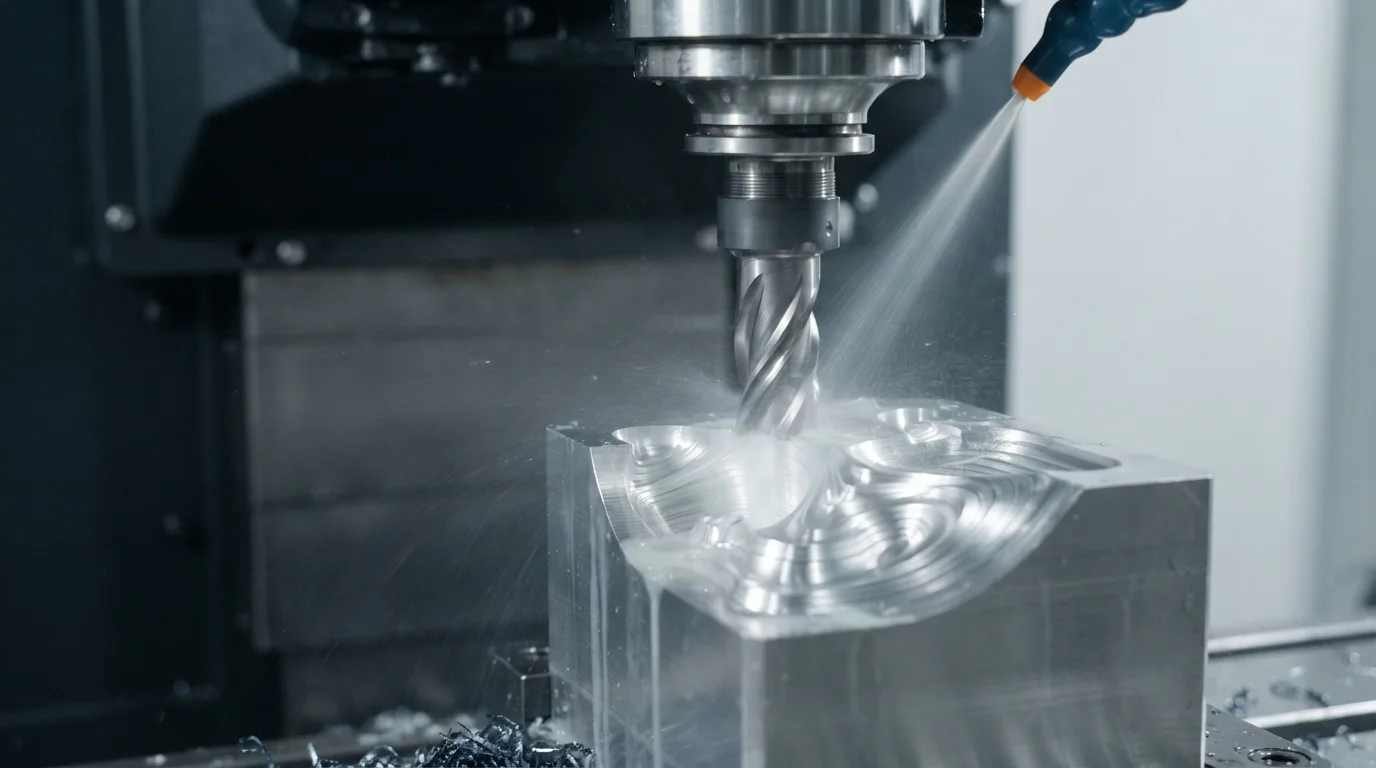
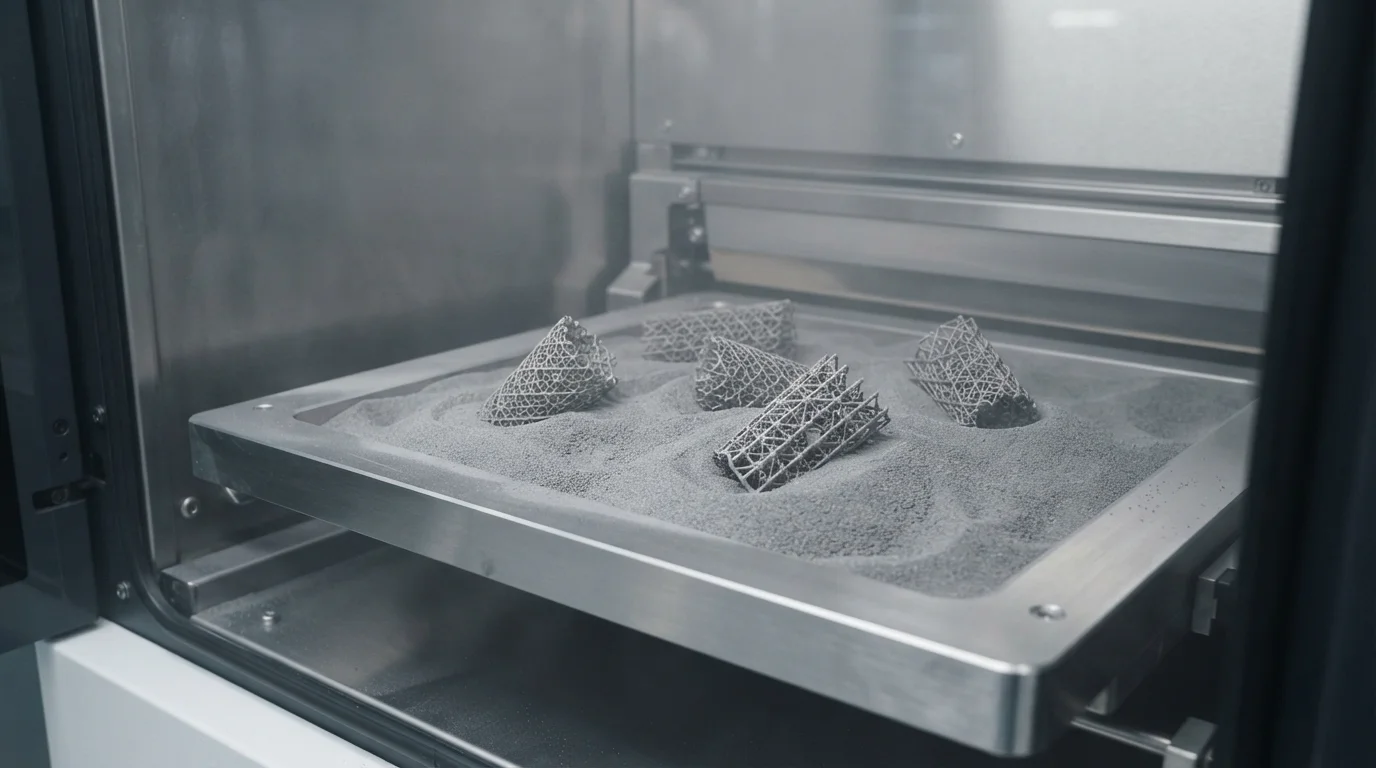
Multi-process medical production combines subtractive cutting, formative thermal molding, and additive layer sintering to solve distinct clinical challenges. Subtractive lavorazione CNC a 5 assi cuts solid metal and engineering plastic blocks with sub-micron fidelity, while formative medical injection molding forces molten polymers into hardened steel cavities under high pressure. Additive methods like direct metal laser sintering (DMLS) fuse powder particles layer by layer to create complex organic internal lattices.
To execute a structured process selection protocol on clinical hardware, engineering leads could follow these practical steps:
- Volume Threshold Mapping: Choose 3D printing or CNC machining for low-volume prototypes (1 to 50 units), transitioning to rapid bridge tooling or production injection molding for quantities exceeding 500 units.
- Geometric Complexity Audit: Deploy DMLS additive printing for porous bone-ingrowth lattices, while reserving multi-axis CNC milling for tight mating faces and precision threads.
- Material Property Verification: Confirm whether the chosen manufacturing process can process certified 316L stainless steel, titanium, or biocompatible thermoplastics without altering material purity.
Modulo 2 – Scenari Applicativi Principali
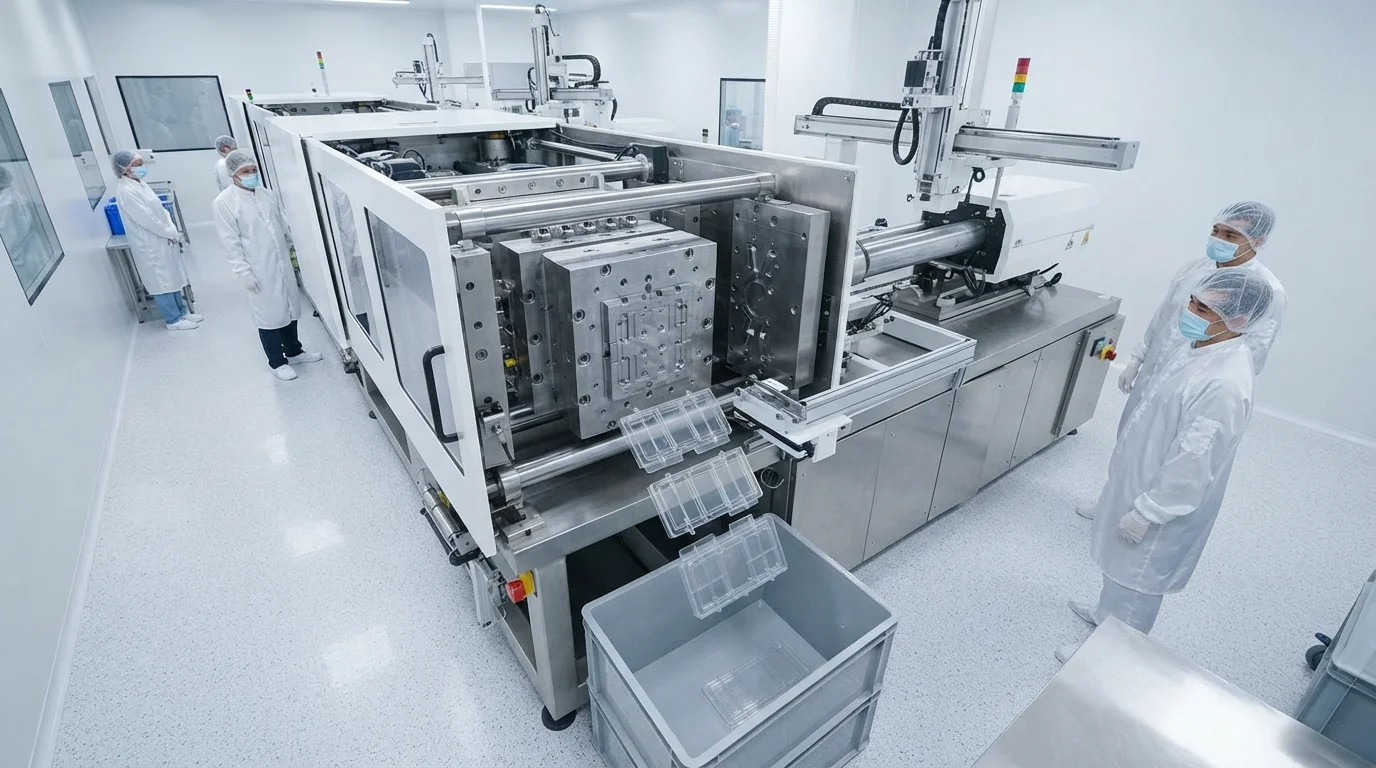
Balancing fabrication strengths is critical across orthopedic reconstruction, surgical robotics, point-of-care in-vitro diagnostics, and customized patient-specific guides. When biomedical teams evaluate conflicting project requirements, analyzing medical manufacturing pros and cons helps align design intent with budgetary realities. Feedback from biomedical engineering communities on Reddit and Facebook indicates that hybrid manufacturing—combining 3D-printed porous lattices with secondary CNC finish-milling—delivers the highest implant performance.
I settori applicativi principali includono:
- Orthopedic Implants: Printing titanium acetabular cups with porous trabecular structures, followed by precision CNC turning of critical screw threads and locking tapers.
- Surgical Handpieces: Molding ergonomic PEEK tool housings with overmolded gomma siliconica liquida (LSR) grips to withstand repeated autoclave steam cycles.
- Diagnostic Consumables: Injection molding high-volume disposable micro-fluidic cassettes requiring high optical clarity and low per-piece unit pricing.
Modulo 3 – Fattori chiave di selezione per il successo del progetto
When specifying production pathways for medical devices, engineering teams must evaluate dimensional precision, upfront non-recurring engineering outlays, and surface finish capabilities. Evaluating these core parameters ensures your medical devices achieve optimal cost-to-performance balance.
| Process Category | Key Manufacturing Advantages (Pros) | Key Process Limitations (Cons) |
|---|---|---|
| Lavorazione CNC a 5 assi | Sub-micron tolerances (±0.005 mm), genuine production alloys, no upfront mold NRE | Higher unit cost at scale, internal channel geometry limitations, material waste |
| Medical Injection Molding | Extremely low piece-part cost at scale, high cosmetic repeatability, cleanroom ready | High upfront tooling investment, line-of-sight draft constraints, longer lead times |
| DMLS / SLS 3D Printing | Complex porous trabecular structures, zero tooling setup, rapid design iterations | Rough as-built surface finish (requires post-machining), slower cycle time, high unit cost |
Modulo 4 – Suggerimenti per l'installazione e la manutenzione
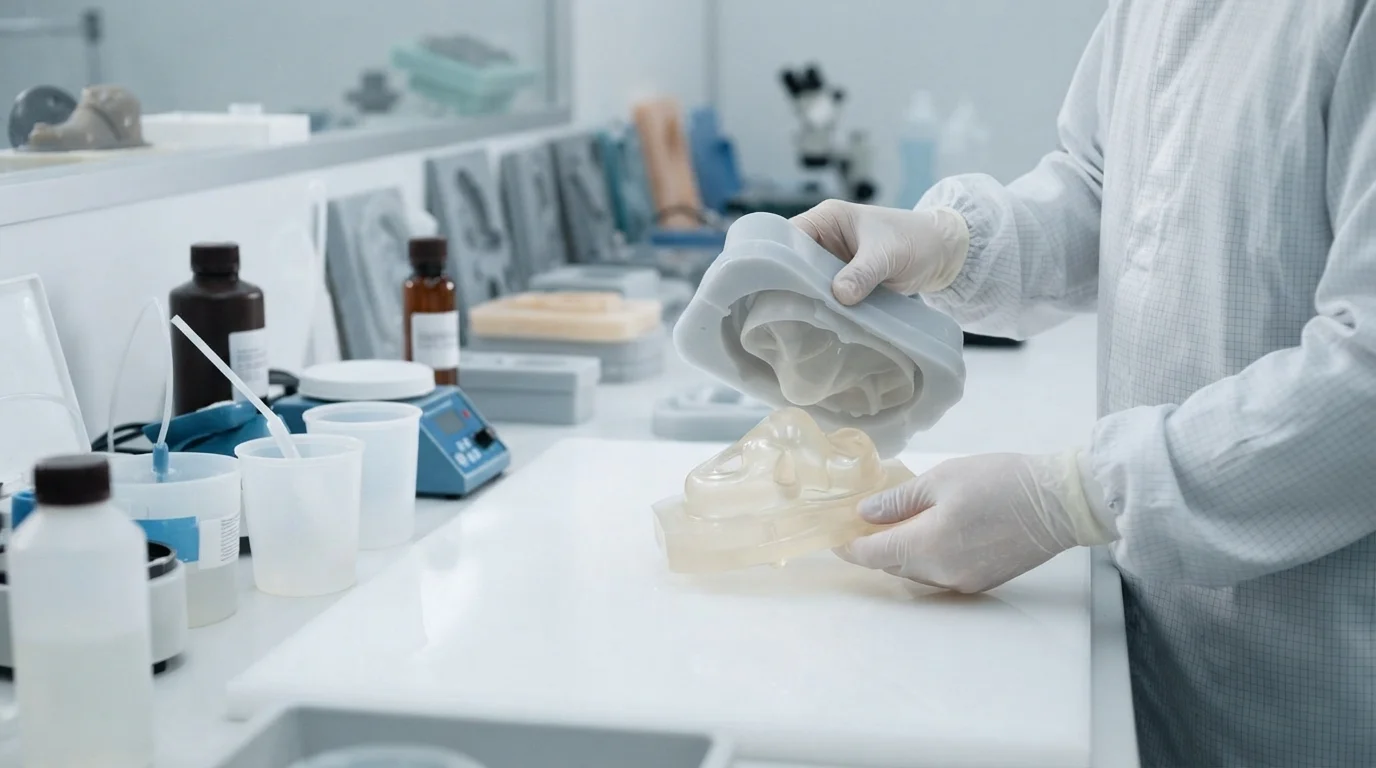
Proper post-processing, chemical passivation, and regular dimensional verification safeguard manufactured components across active healthcare deployments. Protecting critical mating interfaces from surface scratches and particulate contamination ensures long-term clinical safety.
I principali suggerimenti per l'installazione e la manutenzione includono:
- Surface Passivation Protocols: Treat machined stainless steel components in chemical passivation baths to remove free iron and prevent micro-corrosion during autoclave cycles.
- Post-Machining of 3D Prints: Machine critical mating surfaces and precision threads on DMLS printed implants via 5-axis CNC to eliminate additive layer roughness.
- Cleanroom Decontamination: Subject all molded and machined parts to multi-stage ultrasonic washing in deionized water before cleanroom packaging.
Modulo 5 – Domande frequenti (FAQ)

1. When should CNC machining be chosen over injection molding for medical devices?
CNC machining is ideal for low-to-medium volume runs (1 to 500 units), high-precision implants requiring ±0.005 mm tolerances, and projects where upfront mold tooling costs are unfeasible.
2. What are the main limitations of 3D printing in medical device manufacturing?
3D printing has higher per-unit production costs at scale, rough as-printed surface finishes, and anisotropic mechanical strength along the vertical build axis compared to molded or billet parts.
3. Why is medical injection molding the gold standard for high-volume disposables?
Once mold tooling is amortized, injection molding delivers rapid cycle times (seconds per part), extremely low per-piece costs, and consistent cleanroom part quality.
4. Can silicone vacuum casting bridge the gap between 3D printing and hard tooling?
Yes, vacuum casting uses low-cost silicone molds to duplicate 20 to 50 functional polyurethane parts with molded-in colors and textures at a fraction of hard mold tooling costs.
5. How do hybrid manufacturing approaches benefit orthopedic implant production?
Hybrid manufacturing combines DMLS 3D printing for porous cellular bone-ingrowth lattices with secondary 5-axis CNC machining for precision mating tapers and screw threads.
6. How does Jucheng Precision help OEMs select the right medical manufacturing process?
Jucheng Precision provides 24-hour free DFM reviews, multi-process capabilities (CNC, molding, sheet metal, casting), and ISO 13485 quality control to optimize your production roadmap.
Modulo 6 – Perché scegliere JUCHENG per il tuo progetto
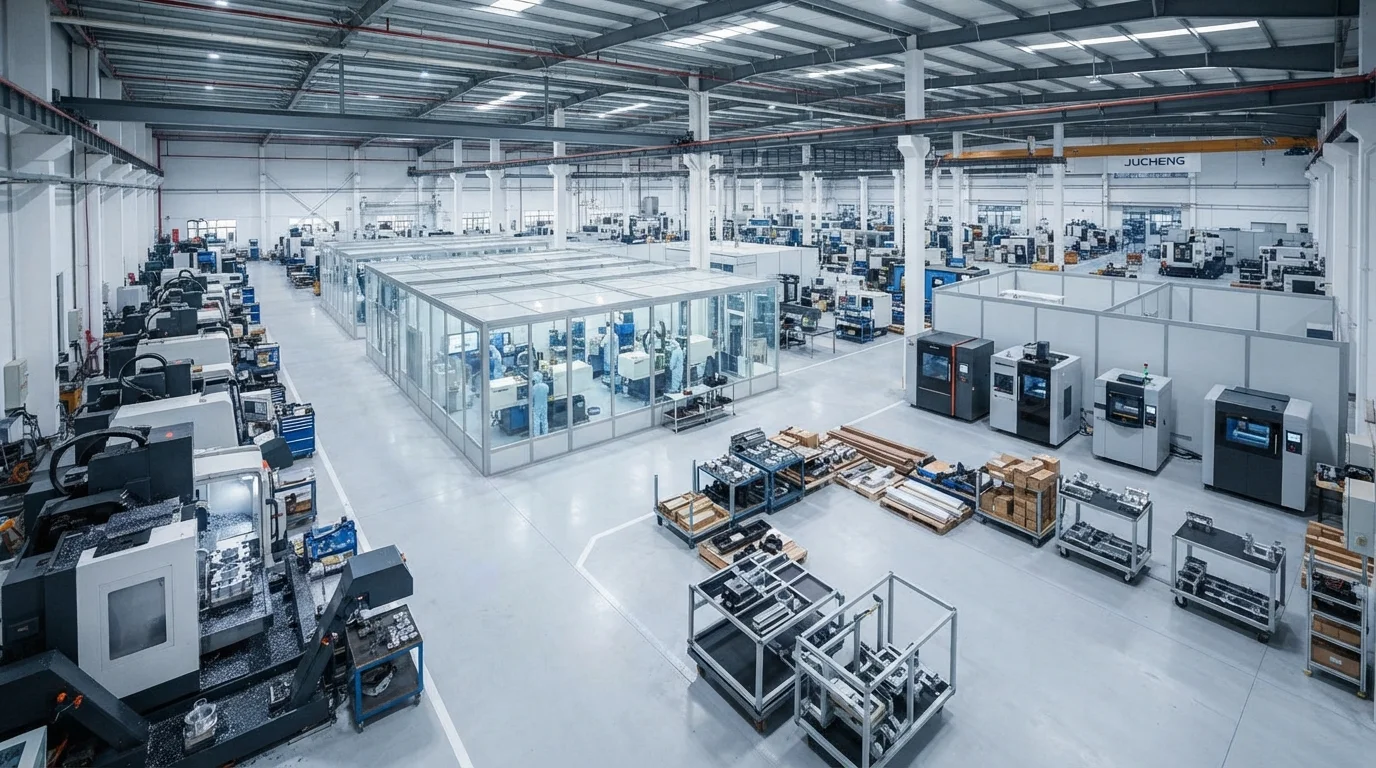
Navigating manufacturing trade-offs requires an experienced contract partner with comprehensive on-site technology fleets. JUCHENG supports healthcare innovators by delivering comprehensive revisioni DFM gratuite 24 ore su 24 reviews that analyze process suitability, wall thicknesses, and tool paths prior to production. Founded in Shenzhen in 2012 with an 8,000-square-meter facility in Dongguan, our factory houses 150+ advanced machines, including 25+ high-performance 5-axis Haas and Mazak milling centers alongside dedicated cleanroom injection molding bays.
Backed by ISO 9001, ISO 14001, ISO 13485, and IATF 16949 certifications, our engineering teams ensure that weighing medical manufacturing pros and cons leads directly to the most cost-effective, precise, and regulatory-compliant production strategy for your clinical devices.
Ready to Select the Ideal Manufacturing Process for Your Medical Device?
Carica oggi i tuoi modelli 3D per ricevere feedback immediato, prezzi competitivi e analisi DFM professionali dai nostri esperti ingegneri. Lascia che JUCHENG dia vita ai tuoi progetti complessi con velocità e affidabilità senza pari!

