


Costo di produzione di dispositivi medici: budget dal prototipo
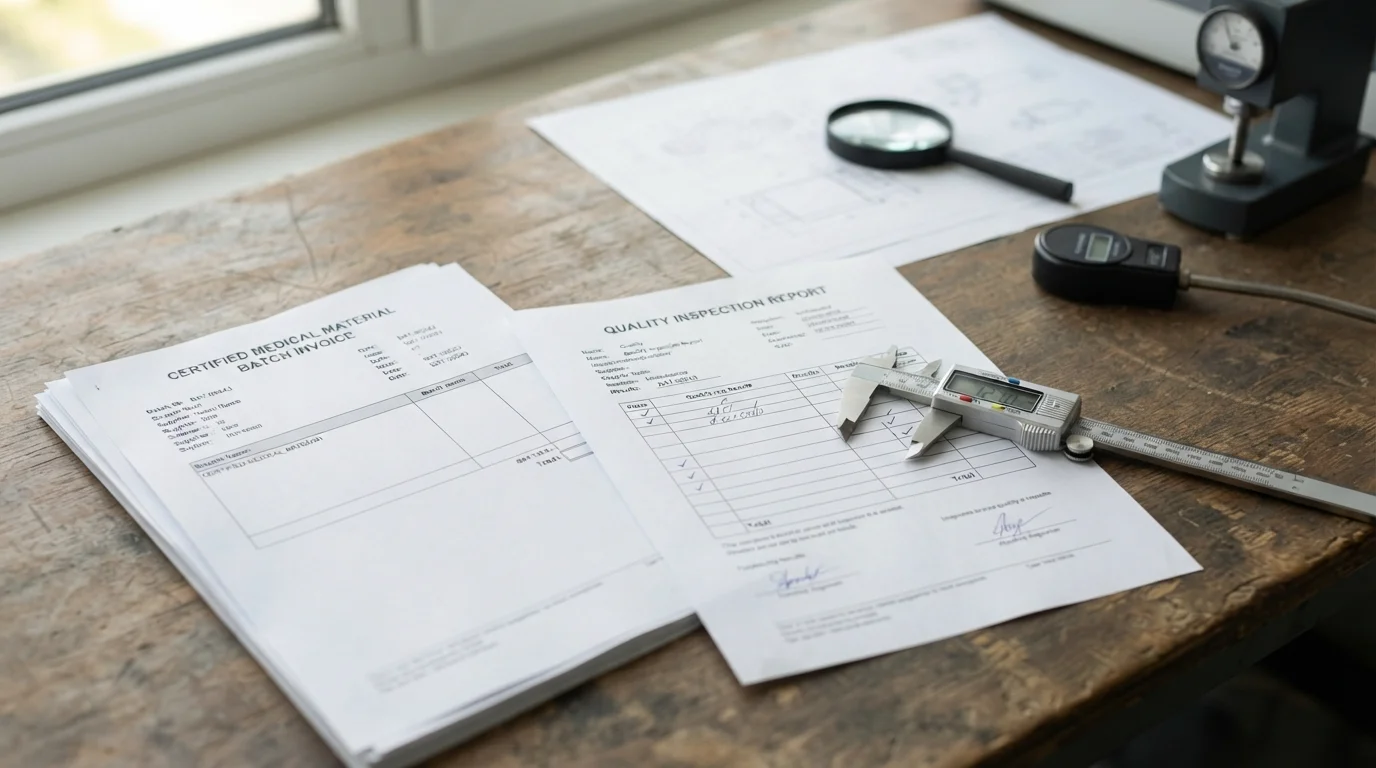
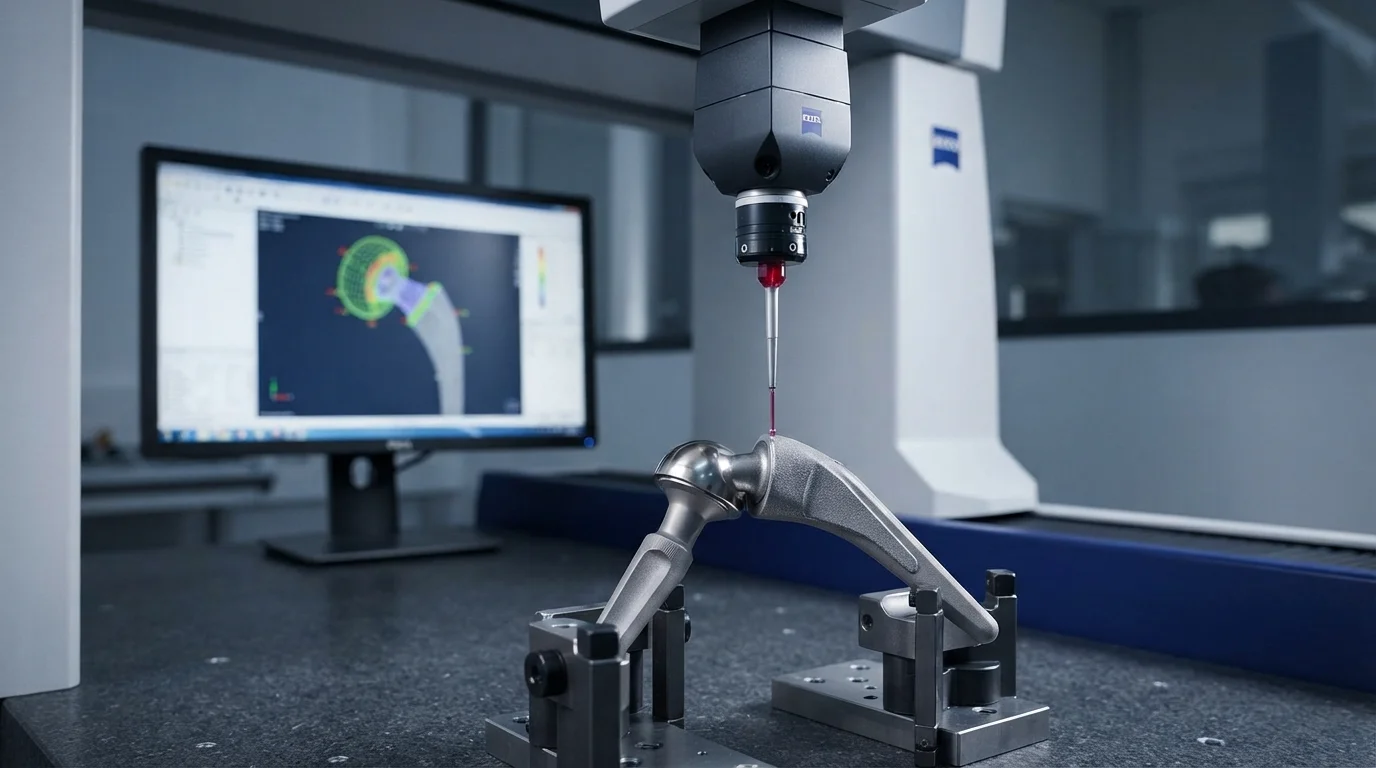
Budgeting for clinical hardware development requires balancing high-precision fabrication against uncompromising regulatory compliance overhead. When biomedical startups and established OEMs plan their capital expenditure, evaluating overall medical device manufacturing cost becomes a pivotal operational milestone. Unlike commercial consumer goods, medical products carry mandatory verification expenditures—including raw material lot tracking, cleanroom maintenance, and exhaustive coordinate measuring machine (CMM) metrology—that significantly influence unit pricing.
Utilizing an experienced contract manufacturing partner ensures that high-grade titanium (Ti-6Al-4V ELI) and implantable PEEK components transition smoothly from functional prototyping into cost-effective series production. Let us dissect the core financial drivers, tooling investments, and DFM optimization strategies that govern healthcare hardware economics.
Module 1 – Definition and Financial Mechanics of Medical Manufacturing Expenses
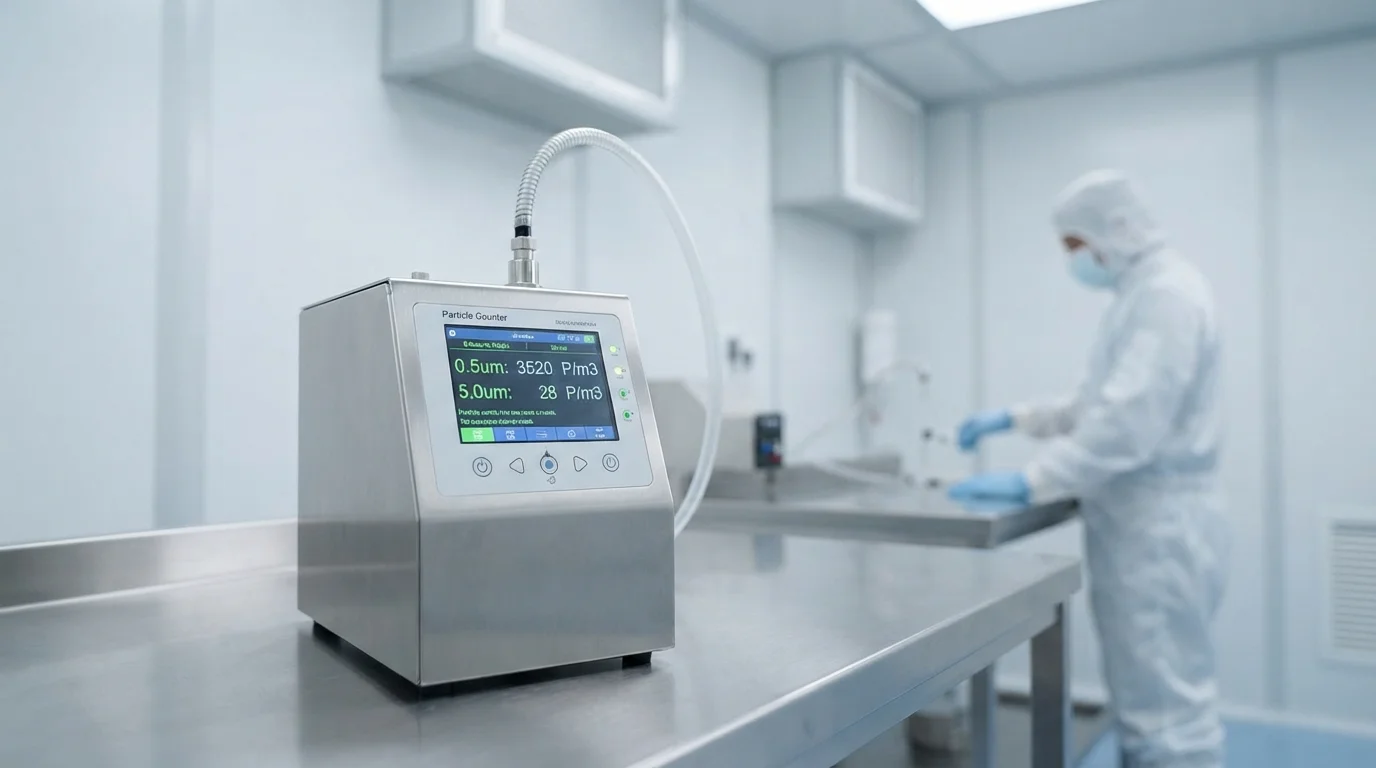
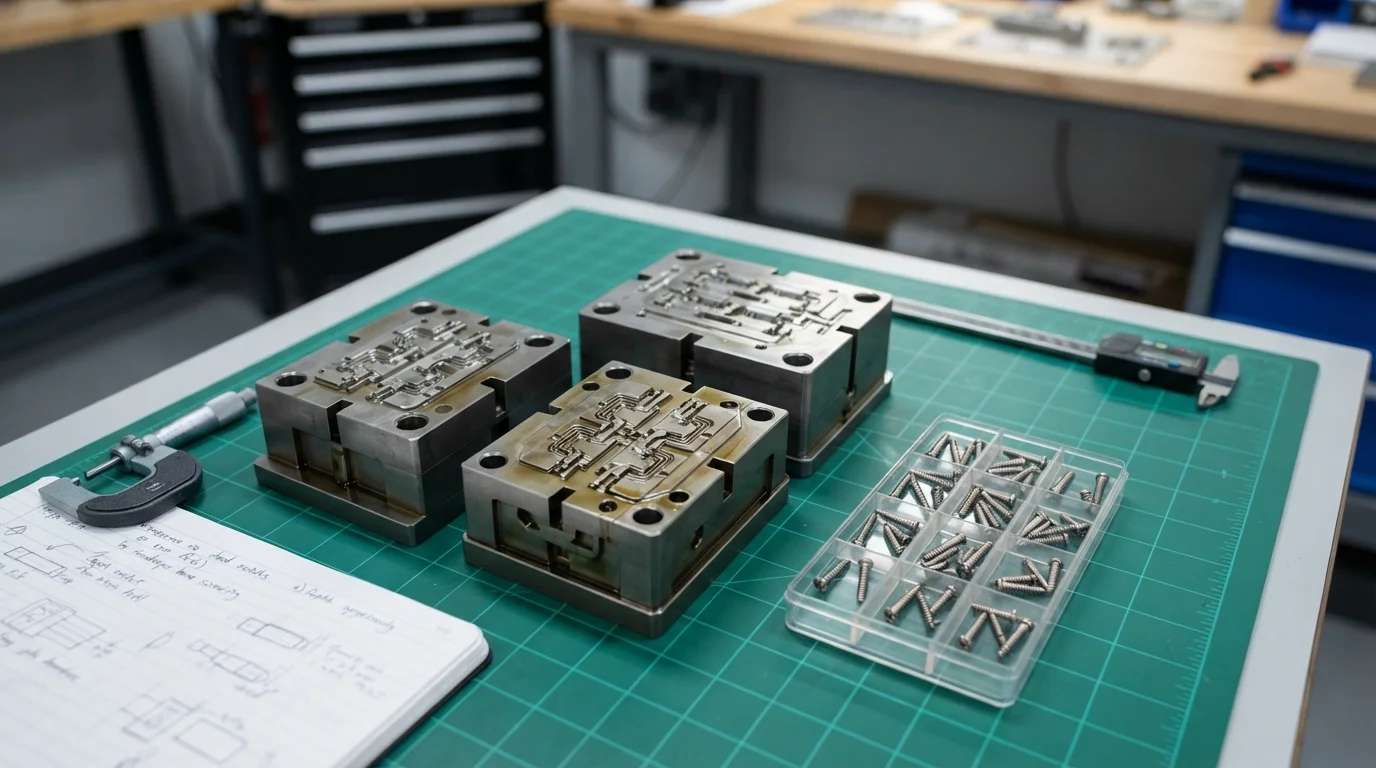
Medical manufacturing financial modeling calculates the cumulative investment required to produce regulatory-compliant clinical devices across their entire lifecycle. The working principle relies on dividing expenditures into direct tooling non-recurring engineering (NRE), raw certified material acquisition, cleanroom machine operation hours, and mandatory quality assurance documentation. While basic parts are shaped via La lavorazione CNC, multi-cavity bridge tools for medical injection molding distribute upfront mold expenses across expanding unit volumes.
To execute a structured budget control framework for clinical hardware, financial leads could follow these practical steps:
- Prototype Stage Budgeting: Utilize high-speed 5-axis milling to validate early 316L stainless steel instrument geometries without cutting permanent steel tooling.
- Bridge Tooling Investment: Deploy rapid aluminum or soft steel molds to produce 500 to 5,000 beta-testing parts while amortizing upfront NRE safely.
- Quality Assurance Allocation: Account for First Article Inspection (FAI), material Certificate of Analysis (CoA) fees, and cleanroom packaging overhead.
Modulo 2 – Scenari Applicativi Principali
Controlling production expenditures is essential across surgical robotics, orthopedic reconstruction, and automated diagnostic cart systems where aggressive market launch targets dictate commercial viability. When healthcare developers scale diagnostic consumables, managing total medical device manufacturing cost eliminates supply chain friction and protects runway capital. Feedback from biomedical engineering groups on Reddit and Facebook indicates that early Design for Manufacturability (DFM) reviews slash tooling rework by up to forty percent.
I settori applicativi principali includono:
- Orthopedic Implants: Machining titanium spinal cages and bone fixation screws with tight micron tolerances while controlling machine hour billing.
- Diagnostic Equipment: Fabricating sheet metal chassis carts, fluidic manifolds, and diagnostic monitors with optimized assembly steps.
- Surgical Disposables: Molding high-volume transparent fluid cassettes from medical-grade policarbonato (PC) e medical ABS.
Modulo 3 – Fattori chiave di selezione per il successo del progetto
When planning production budgets for clinical devices, engineering teams must evaluate raw material certification fees, dimensional tolerance classes, and cleanroom operational tiers. Evaluating these core parameters ensures your medical devices remain financially viable.
| Cost Component | Underlying Financial Drivers | Strategic Optimization Method |
|---|---|---|
| Raw Certified Materials | Lot traceability, chemical purity certs (CoA), medical resin premiums | Bulk resin purchasing and localized certified alloy stock sourcing |
| Tooling & NRE Outlays | Mold steel hardness, multi-cavity complexity, EDM spark erosion time | Modular rapid aluminum tooling for pilot runs under 10,000 units |
| Quality & Metrology | 100% CMM inspection mapping, ISO 13485 cleanroom gowning and monitoring | In-house automated metrology routines and standardized batch sampling |
Modulo 4 – Suggerimenti per l'installazione e la manutenzione
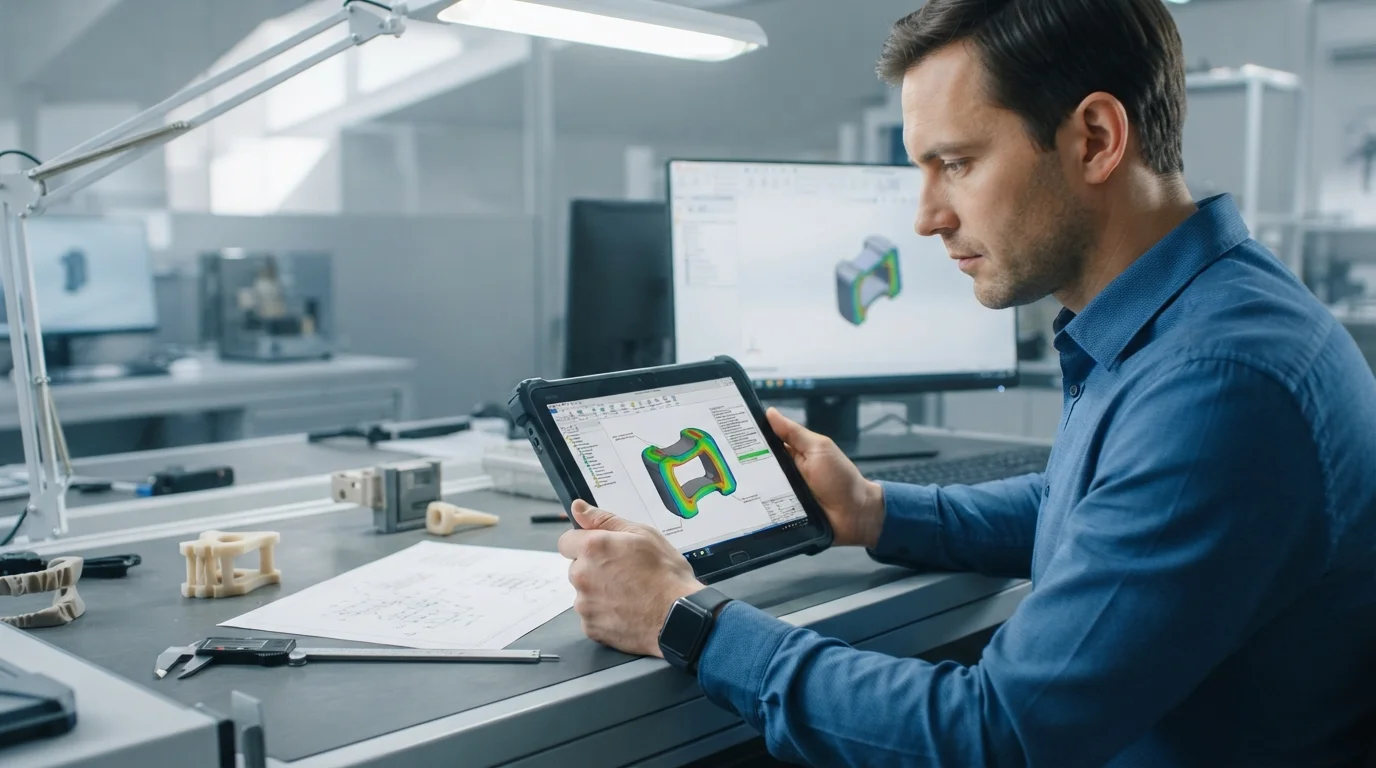
Proper DFM design adjustments, toolroom maintenance, and streamlined quality protocols safeguard manufacturing budgets across active medical production programs. Protecting precision mold cavities from premature wear prevents expensive tooling rebuilds.
I principali suggerimenti per l'installazione e la manutenzione includono:
- Uniform Wall Distribution: Design consistent wall thicknesses in CAD to prevent sink marks and shorten injection press cooling cycle times.
- Strategic Tolerancing: Apply fine micrometer tolerances (±0.005 mm) strictly to critical mating faces while assigning commercial tolerances to non-functional surfaces.
- Toolroom Preventive Maintenance: Service mold waterlines and clean ejector pin housings every 5,000 cycles to prevent unexpected press downtime.
Modulo 5 – Domande frequenti (FAQ)

1. Why is medical device manufacturing more expensive than standard commercial manufacturing?
Strict raw material traceability, certified ISO 13485 quality system audits, cleanroom environmental controls, and 100% CMM metrology inspection drive up total production overhead.
2. How does Design for Manufacturability (DFM) lower medical device production expenses?
DFM identifies complex undercuts, optimizes wall thicknesses, and eliminates unnecessary tight tolerances in the 3D CAD stage before expensive tooling is cut, saving 30% to 50% on CapEx.
3. What is the typical cost difference between rapid aluminum tooling and steel production molds?
Rapid aluminum bridge tools typically cost 50% to 70% less than hardened production steel molds, making them ideal for initial clinical trial batches under 10,000 units.
4. Are raw material Certificates of Analysis (CoA) factored into part pricing?
Yes, certified medical materials require chemical composition verification, lot tracking records, and physical test reports that add a minor administrative fee per production batch.
5. How do batch quantities affect the unit price of molded medical parts?
Higher production volumes amortize initial mold NRE expenses across more components, dropping per-piece unit prices dramatically as batch sizes scale.
6. How does Jucheng Precision help optimize medical manufacturing budgets?
Jucheng Precision provides 24-hour free DFM reviews, flexible rapid tooling, 5-axis CNC machining, and ISO 13485 cleanroom molding to help global OEMs cut CapEx by 30% to 50%.
Modulo 6 – Perché scegliere JUCHENG per il tuo progetto
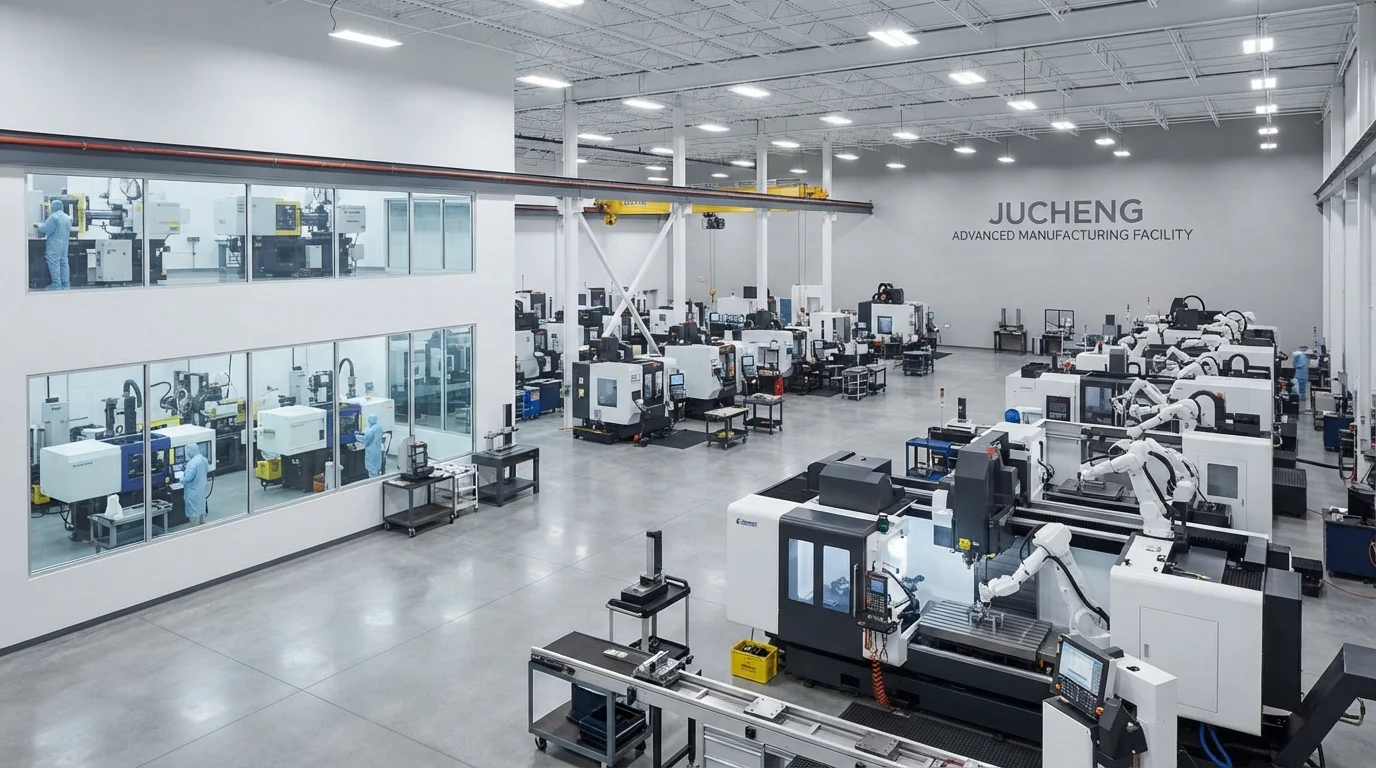
Achieving cost-effective healthcare hardware commercialization requires an experienced contract manufacturing partner with integrated toolrooms and quality systems. JUCHENG supports medical innovators by delivering comprehensive revisioni DFM gratuite 24 ore su 24 reviews that analyze draft angles, wall uniformity, and gate layouts prior to cutting metal. Founded in Shenzhen in 2012 with an 8,000-square-meter facility in Dongguan, our factory houses 150+ advanced machines, including 25+ high-performance 5-axis Haas and Mazak milling centers alongside dedicated cleanroom injection molding bays.
Backed by ISO 9001, ISO 14001, ISO 13485, and IATF 16949 certifications, our engineering teams ensure that managing your medical device manufacturing cost achieves budget predictability, sub-micron precision, full Certificate of Analysis (CoA) traceability, and absolute batch consistency.
Ready to Optimize Your Medical Manufacturing Budget?
Carica oggi i tuoi modelli 3D per ricevere feedback immediato, prezzi competitivi e analisi DFM professionali dai nostri esperti ingegneri. Lascia che JUCHENG dia vita ai tuoi progetti complessi con velocità e affidabilità senza pari!

