


Compressing product development schedules to beat competitors to market is an unyielding obsession for modern hardware engineering directors. When project milestones loom dangerously close, every single day spent waiting for fabricated parts jeopardizes the entire commercial launch. Evaluating lead time 3D printing vs rapid injection molding requires looking past simplistic assumptions to analyze printer queue bottlenecks against toolroom machining schedules.
Indice
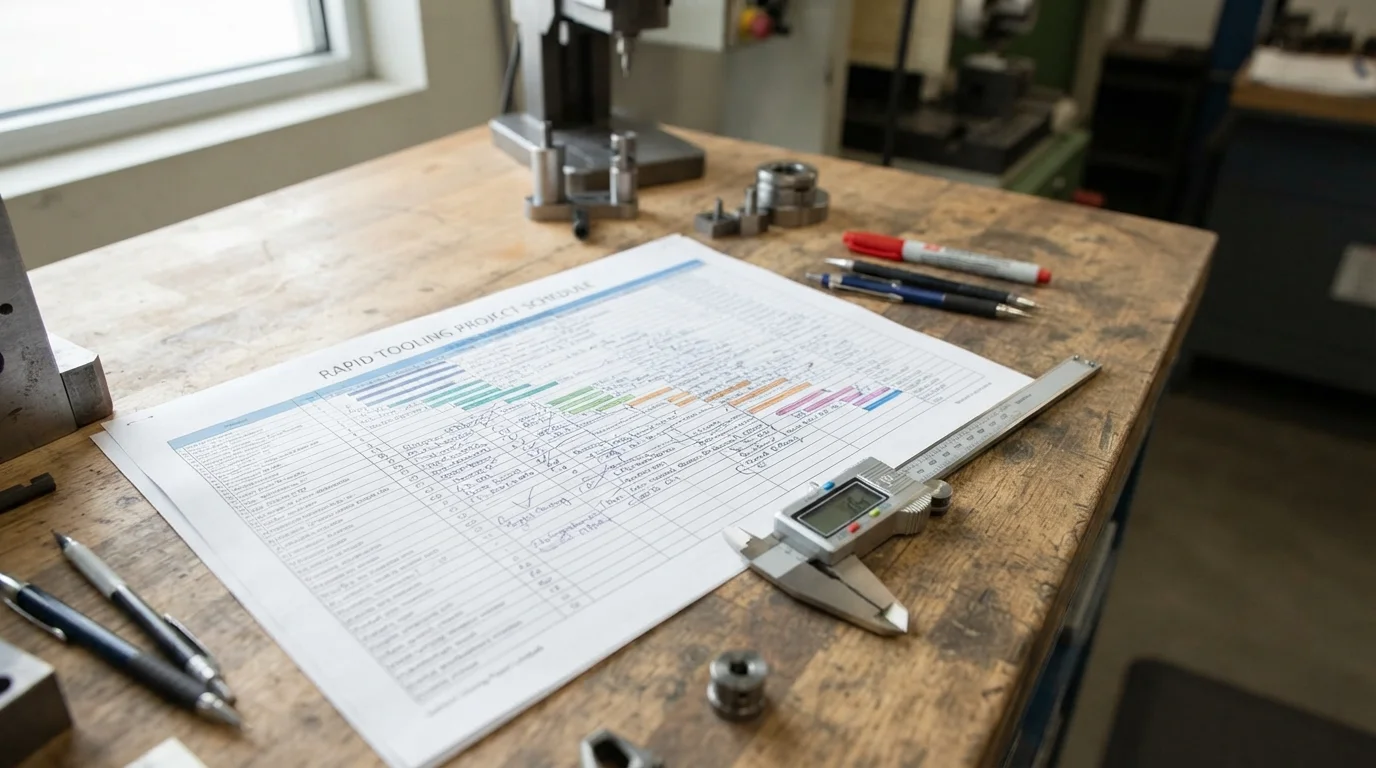
1. Printer Queue Times versus Toolroom Machining Schedules
2. The Speed of Production: Running 500 Parts in Hours versus Days
Printer Queue Times versus Toolroom Machining Schedules
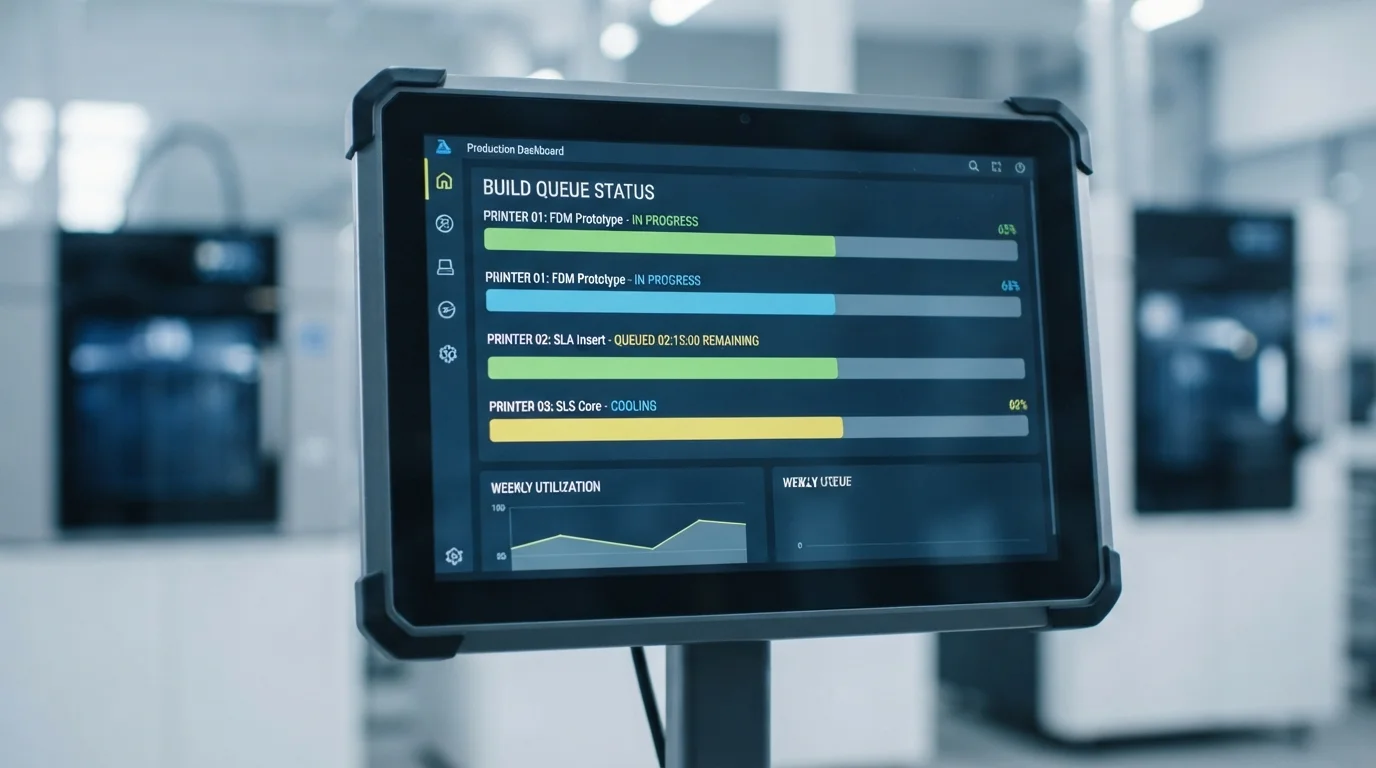
Question: How do initial scheduling lead times differ when submitting a complex CAD model to a 3D printing bureau versus commissioning a rapid aluminum bridge tool? Additive services initiate builds almost instantly from digital files, whereas rapid metal tooling requires a brief preliminary window for CAM programming and high-speed CNC cavity carving.
For individual concept models, additive manufacturing wins the pure calendar speed test because laser build trays launch within hours of file approval. However, once required quantities climb into hundreds of units, cumulative printer queue hours expand rapidly. Sourcing a dedicated Servizio di attrezzaggio rapido introduces a slight upfront machining window (typically one to two weeks), but delivers hundreds of finished parts in automated cycles.
Contrasting schedule timelines across low-volume manufacturing approaches involves tracking specific calendar milestones:
| Scheduling Parameter | Advanced 3D Printing Run (500 Units) | Rapid Injection Molding (500 Units) |
|---|---|---|
| Initial Setup Window | 1 to 2 days (Immediate build queue) | 7 to 14 days (Tool design & CNC machining) |
| Production Execution Speed | Slow linear build times (Days of laser tracing) | Extremely fast (Seconds per injection cycle) |
| Post-Processing Lead Time | Heavy labor burden (Sanding & washing) | Minimal (Immediate press extraction & trimming) |
The Speed of Production: Running 500 Parts in Hours versus Days
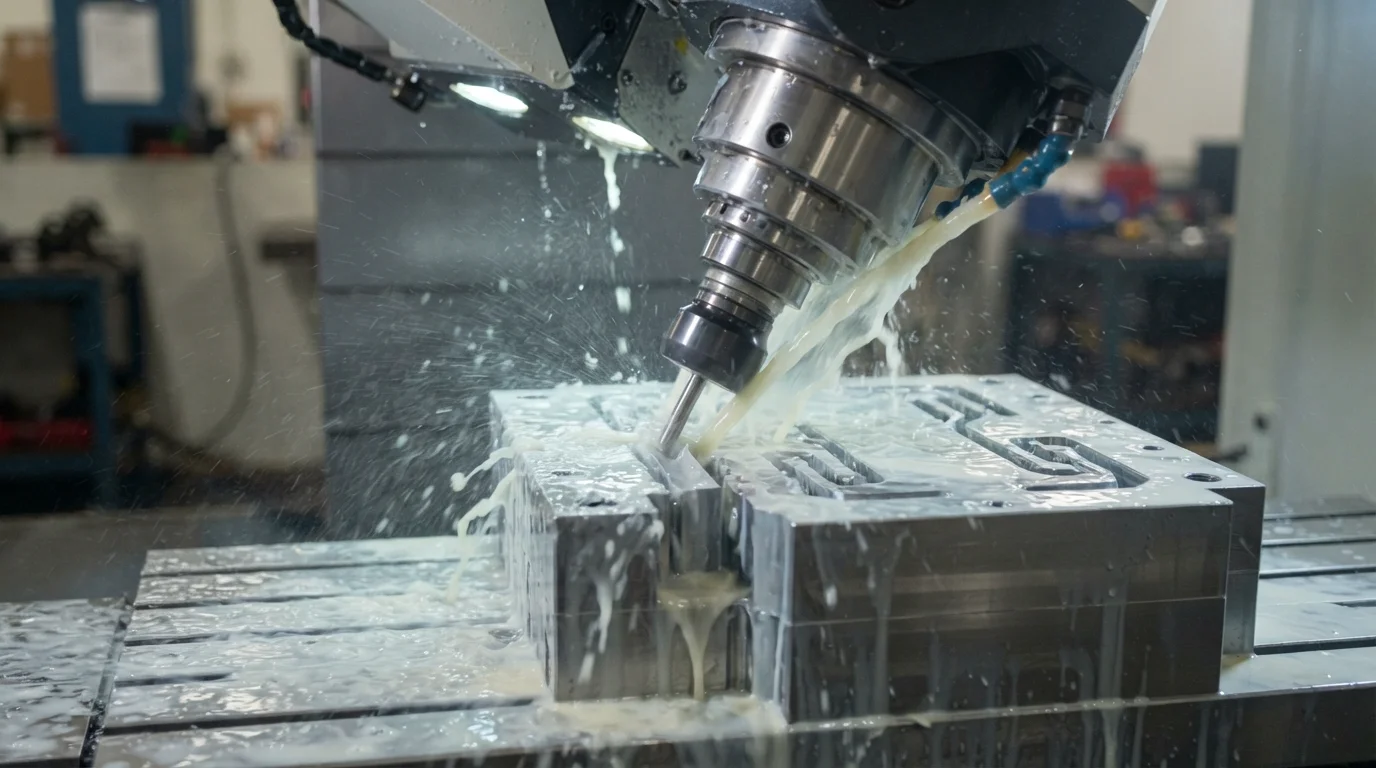
Question: Why does the actual execution phase of running five hundred components heavily favor injection molding over additive stacking? Industrial injection presses eject a fully dense, high-performance polymer part every thirty to sixty seconds.
While setting up a rapid aluminum mold takes a brief window of precision toolroom work, once the steel hits the press, production velocity skyrockets. Printing five hundred identical industrial housings sequentially forces a laser or print head to trace millions of vector layers across multiple build plates, stretching production execution across several days. Utilizing an agile Servizio di stampaggio a iniezione bypasses this cumulative printing drag entirely.
Optimizing project schedules and avoiding late-stage delivery penalties involves monitoring key execution rules:
- Factoring post-work delays—Accounting for manual support removal and surface sanding when calculating additive delivery dates
- Leveraging multi-cavity speeds—Utilizing multi-cavity bridge tools to multiply output per press injection cycle
- Prioritizing express freight—Pairing fast-T1 sampling schedules with direct international air cargo logistics
Fast-T1 Sampling: Jucheng Precision’s Rapid Tooling Turnaround Times
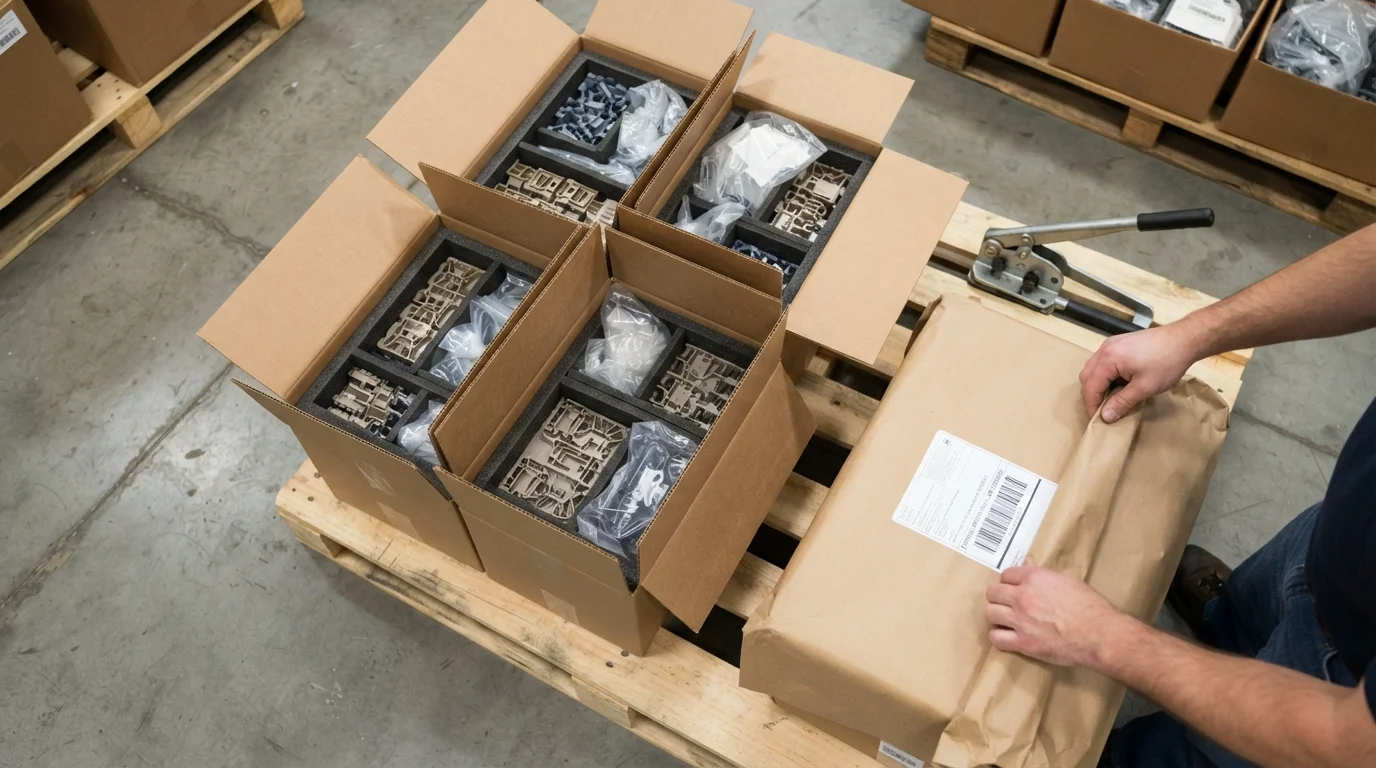
Jucheng Precision supporta gli sviluppatori di hardware fornendo revisioni DFM gratuite 24 ore su 24 reviews that evaluate geometric draft angles, wall uniformity, and gate placements instantly. Operating with an extensive floor of 35+ specialized injection molding workstations alongside 150+ advanced CNC machines, our ISO 9001 certified facilities ensure aggressive project turnaround times are met without compromise.
Key operational advantages of our high-speed manufacturing framework include:
- Rapid T1 trial delivery—Cutting aluminum and soft steel mold inserts rapidly to accelerate initial sample approvals
- High-capacity press deployment—Utilizing 35+ dedicated injection machines to fulfill large batch orders on schedule
- Nessun vincolo di quantità minima d'ordine—Politiche senza MOQ consentono un allineamento esatto dell'inventario con produzioni pilota personalizzate
Facing a tight project deadline? Let Jucheng’s high-speed injection molding teams accelerate your time-to-market.
Domande Frequenti (FAQ)
How do initial lead times compare between 3D printing and rapid injection molding?
3D printing offers an immediate setup window with build trays launching within hours, whereas rapid metal tooling requires a brief 7 to 14 day initial window for CAM programming and CNC cavity machining.
Why is the actual production execution speed faster for injection molding?
Industrial injection presses eject a fully dense polymer part every 30 to 60 seconds, whereas 3D printers must trace millions of vector layers sequentially across extended build times.
How does Jucheng Precision support fast-T1 sampling requirements?
Jucheng Precision provides 24-hour free DFM reviews, high-speed CNC mold machining, and fast-T1 sampling across 35+ specialized injection molding machines to meet tight project deadlines.

