


La trasformazione molecolare all'interno di una cavità in acciaio è un atto di violenta precisione fisica. Per gli ingegneri hardware che navigano nel Processo di stampaggio a iniezione, la transizione da una manciata di pellet di polimero grezzi a un alloggiamento diagnostico ad alta fedeltà o a una staffa automobilistica è spesso vista come una "scatola nera". In realtà, questo viaggio è un evento termodinamico ritmico e multifase che richiede una sincronizzazione al microsecondo tra forza idraulica ed energia termica. Non comprendere le sfumature dello Stampaggio a iniezione di plastica passo dopo passo è un errore strategico che porta a dimensioni incoerenti, strutture portanti deboli e difetti estetici catastrofici. Jucheng Precision opera come un santuario manifatturiero ad alta fedeltà, fornendo la profondità tecnica e la precisione delle macchine completamente elettriche necessarie per garantire che il tuo scaling di progettazione rimanga prevedibile al 100%. Non "spariamo" semplicemente pezzi; ingegnerizziamo un evento molecolare ripetibile che garantisce che il pezzo numero uno sia un gemello digitale perfetto del pezzo numero diecimila.
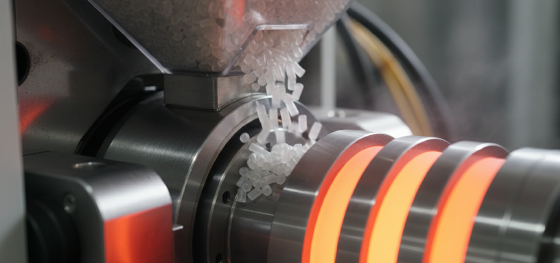
Stabilire una produzione ad alta resa richiede di andare oltre le impostazioni generiche della macchina ed entrare nel dominio del "Controllo Scientifico". Gli amatori si concentrano sul "Pulsante di Iniezione", mentre gli ingegneri di processo JUCHENG si concentrano sulla viscosità del fuso e sulla stabilità della pressione di mantenimento. Ogni fase del ciclo, dalla chiusura iniziale dello stampo alla finale espulsione meccanica, funge da guardrail critico per l'integrità del tuo pezzo. La nostra struttura, che ospita oltre 150 macchine CNC e reparti di iniezione d'élite, è ottimizzata per il terreno di gioco agile della produzione, dove Stampaggio a Iniezione a Basso Volume richiede velocità di prototipazione con rigore di produzione di massa. Questa guida scompone il ciclo di produzione in cinque fasi forensi, fornendo i dati necessari per garantire l'ingresso sul mercato del tuo progetto.
Fortezza Meccanica: La Fisica della Chiusura e della Stazza
Transizione Molecolare: Gestione della Velocità del Fronte di Fusione
Sovranità della Densità: La Scienza del Mantenimento e della Sosta
Uscita Termodinamica: Ottimizzazione del Collo di Bottiglia del Raffreddamento
Rilascio Meccanico: Garantire l'Espulsione del Pezzo Senza Danni
Fortezza Meccanica: La Fisica della Chiusura e della Stazza
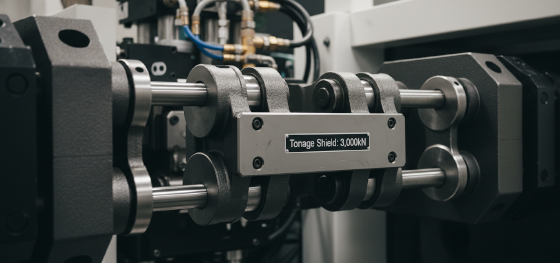
La sovranità manifatturiera inizia con il rifiuto di permettere allo stampo di "respirare". La prima fase dello Stampaggio a iniezione di plastica passo dopo passo è la fase di chiusura, in cui le due metà dell'utensile in acciaio vengono premute insieme con forza sufficiente a resistere alla pressione esplosiva del fuso plastico in ingresso. Questo "Scudo di Stazza" è calcolato in base all'area superficiale proiettata del tuo pezzo. Se si utilizza una macchina con forza di chiusura insufficiente, i 15.000 psi di pressione plastica spingeranno fisicamente lo stampo ad aprirsi di micron, risultando in Bava di stampaggio a iniezione—ugly excess plastic that ruins tolerances and requires manual trimming. Jucheng Precision utilizes high-tonnage all-electric presses that provide sub-millimeter toggle control. We calculate the exact clamp force required for your specific Materiali per stampaggio a iniezione, ensuring the parting line remains hermetically sealed throughout the cycle. By managing the "Lock-up Physics," we eliminate the secondary labor costs of trimming and ensure your parts arrive retail-ready.
Transizione Molecolare: Gestione della Velocità del Fronte di Fusione
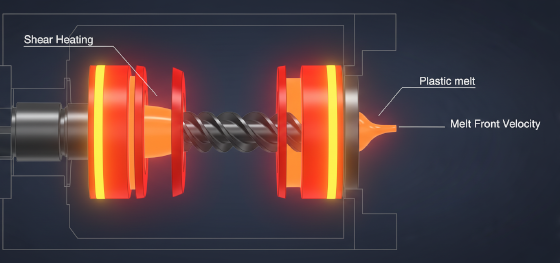
Fluid dynamics dictate the structural success of your enclosure's thin walls and ribs. Once the mold is locked, the reciprocating screw moves forward, acting as a high-pressure plunger to drive the molten polymer into the cavity. This is the "Injection Phase," and its success is measured by "Melt Front Velocity." At Jucheng Precision, we don't just "push" the material; we profile the speed. We slow the flow as it passes through the restrictive gate to prevent "Shear Burning," then accelerate to fill the main volume before the plastic "freezes off." This stage is where the "Molecular Grain" of your part is decided. If the velocity is too low, you encounter short shot injection molding failures where the part is incomplete. If too high, the polymer chains are physically torn, reducing the impact strength of your stampaggio a iniezione di prototipi batch. We utilize real-time sensor feedback to maintain a stable velocity, ensuring every rib and mounting boss achieves 100% density.
Sovranità della Densità: La Scienza del Mantenimento e della Sosta
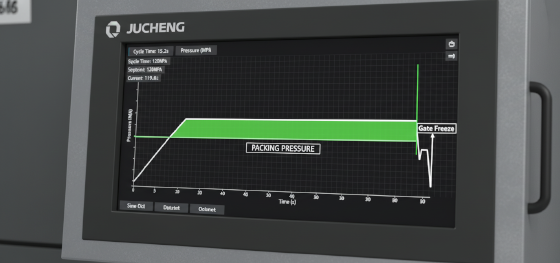
Consistency in a Stampaggio a iniezione di plastica passo dopo passo run is actually won after the cavity is 95% full. This is the "Dwelling" or "Packing" phase, the most frequently misunderstood step in the cycle. Because plastic shrinks as it cools, the machine must continue to "pack" extra material into the mold to compensate for this volumetric loss. If the packing pressure is removed too early—before the gate has physically solidified—the pressurized plastic inside the cavity will flow *backwards* out of the mold, resulting in Deformazione da stampaggio a iniezione and massive sink marks. Jucheng Precision process engineers conduct "Gate Freeze Studies" for every new tool. We plot the part weight against hold-time to identify the exact second the "Molecular Door" closes. This data-driven approach ensures your parts possess the correct mass and flexural modulus, armoring your hardware against the dimensional drift that plagues amateur manufacturing operations.
Uscita Termodinamica: Ottimizzazione del Collo di Bottiglia del Raffreddamento
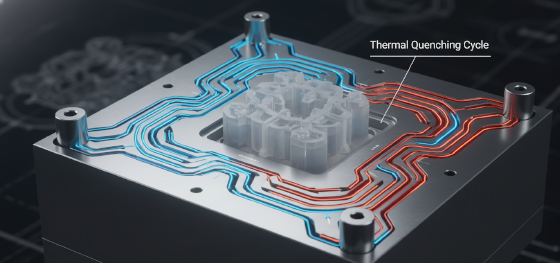
Operational profitability is governed by the speed of heat extraction. In nearly every injection cycle, "Cooling" represents seventy percent of the total duration. Because plastic is a thermal insulator, it stubbornly retains heat in thick sections. If you eject a part too early, it is still "rubbery" and will collapse under its own weight. If you wait too long, your part price skyrockets due to wasted machine time. Jucheng Precision toolmakers design "Thermodynamic Highways" within the mold steel—precision-drilled water lines that wrap around the part's geometry. For complex 3D shapes, we often utilize stampaggio a iniezione con raffreddamento conforme technology, using 3D-printed metal inserts to pull heat out of "hot spots" that traditional drilling can't reach. By synchronizing the cooling rate across the entire part, we neutralize internal residual stresses, ensuring your housings emerge flat, stable, and ready for high-precision assembly.
Rilascio Meccanico: Garantire l'Espulsione del Pezzo Senza Danni
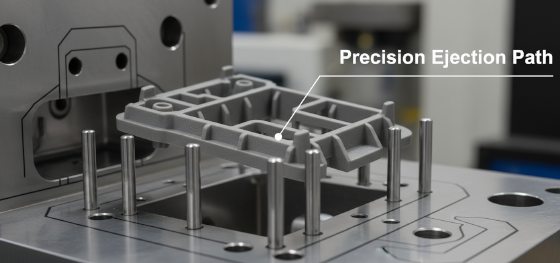
Geometric survival reaches its most vulnerable moment during the final stage: Ejection. The mold opens, and the "B-Side" ejection system—a network of polished steel pins—pushes the part out of the cavity. If the Progettazione per stampaggio a iniezione lacks proper draft angles or if the ejection force is unevenly distributed, the part will suffer from "Stress Whitening" or physical puncture. Jucheng Precision avoids this "Ejection Violence" by utilizing advanced DFM audits during the CAD phase. We ensure your part features a minimum of 1 to 2 degrees of taper on all sidewalls, allowing the component to "break free" of the steel the instant the pins move. We don't just "kick the part out"; we manage the mechanical release to protect your SPI finishes and VDI textures. This surgical care is what allows JUCHENG to deliver 50-unit lo stampaggio a iniezione di piccoli volumi batches with the same aesthetic authority as a million-part high-end consumer launch. Stop gambling with "trial and error" vendors. Leverage our decade of process mastery to ensure every step of your hardware's birth is documented for success. Contact our technical team today for a free DFM review.

