


Progettare ingressi ad alta sicurezza, barriere per camere bianche o barriere di sicurezza tagliafuoco per impianti industriali richiede una resistenza fisica estrema. Eseguire un design robusto di porte in lamiera garantisce che i tuoi pannelli in acciaio pesante possano resistere a forze immense, prevenire accessi non autorizzati e resistere alla deformazione termica durante le emergenze antincendio, mantenendo al contempo la massima rigidità torsionale sotto stress ciclico continuo. Per ingegneri architettonici e di impianti, questa barriera strutturale è la chiave per fornire cancelli di sicurezza sicuri, conformi e durevoli.

Soffri di porte industriali che si afflosciano sui cardini, si torcono fuori allineamento o non superano le valutazioni locali di resistenza al fuoco? Quando spessi telai metallici sono progettati senza precalcolare la spaziatura dei rinforzi interni, i rinforzi delle piastre di chiusura o i limiti di formatura grezza, ciò porta a una rapida deformazione strutturale e a costi di manutenzione elevati. Integrare proattivamente esatti rinforzi interni, ritagli precisi per la ferramenta di chiusura e saldature strutturali ad alta penetrazione è il modo migliore per garantire la sicurezza della tua struttura.
Esaminiamo come le strutture interne del nucleo massimizzano i livelli di sicurezza e resistenza al fuoco, esploriamo il taglio di precisione necessario per cardini e serrature e rivediamo le capacità di piegatura e saldatura ad alta tonnellaggio necessarie per lavorare lamiere spesse.
contenuto:
Strutture del nucleo per sicurezza e resistenza al fuoco
Taglio di precisione per cardini e serrature
Capacità di piegatura e saldatura di lamiere spesse
Fabbricazione personalizzata di porte industriali presso JUCHENG
FAQ: Domande critiche sul design delle porte in lamiera
Strutture del nucleo per sicurezza e resistenza al fuoco

Come si progetta una porta metallica cava per ottenere elevati livelli di sicurezza e resistenza al fuoco?
Rinforziamo l'interno cavo con una fitta griglia di canali verticali in acciaio saldati a entrambe le lamiere, riempiendo i vuoti con isolamento in lana minerale ad alta densità.
Lo scopo principale di un assemblaggio di porte metalliche cave è ottimizzare il rapporto resistenza-peso. La struttura standard comprende due lamiere esterne saldate a un nucleo di supporto interno. Il meccanismo principale alla base di questa resistenza è una griglia di canali di irrigidimento verticali. Queste nervature impediscono alle lamiere esterne sottili di flettersi sotto l'impatto, resistendo ad attacchi meccanici severi.
La resistenza alla corrosione senza pari dell'acciaio inossidabile
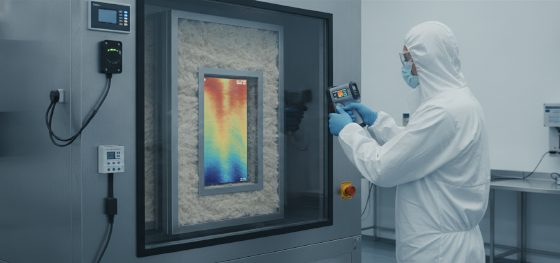
Per applicazioni tagliafuoco, la cavità interna è riempita con isolamento in lana minerale ad alta densità o fibra ceramica. Questo nucleo non combustibile blocca il trasferimento termico, impedendo alla superficie non esposta della porta di riscaldarsi durante un incendio. Questo isolamento fisico è essenziale per soddisfare rigorosi standard di sicurezza edilizia e mantenere sicure le vie di fuga.
Taglio di precisione per cardini e serrature

Why is precise laser cutting critical for door locksets and hinge mounts?
Even a 0.5mm misalignment can cause lock latches to bind or door hinges to squeak, requiring high-precision CNC cutting to ensure perfect component alignment.
Analyzing galvanized vs stainless steel sheet metal in real-world weathering environments reveals distinct degradation curves. When implementing sheet metal door design configurations, cutting precise openings for complex locks and heavy hinges is critical to preventing alignment sag. If your hinge pockets are cut out of tolerance by even 0.5mm, the door will bind or fail to latch smoothly, requiring extensive manual correction on the line. We utilize advanced fiber laser cutting systems to slice precise hinge pockets and lock cylinder holes with extreme repeatability, ensuring a perfect fit.
Furthermore, mounting heavy industrial locks and automatic closers requires local structure reinforcement. We weld thick steel reinforcement plates (typically 3.0mm to 5.0mm thick) inside the lock and hinge zones. This localized reinforcement prevents the thin door skins from flexing or tearing under continuous door-slamming forces, securing long-term mechanical reliability.
Capacità di piegatura e saldatura di lamiere spesse
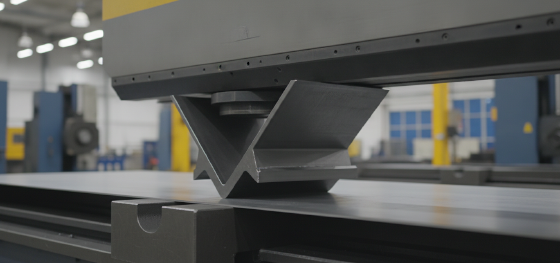
What machinery and fabrication capabilities are required to form heavy security doors?
Forming deep door frames demands high-tonnage CNC press brakes to fold thick plates cleanly, and certified MIG/TIG welding setups to assemble the multi-panel structure.
The outer frame of an industrial door (the jamb) must be exceptionally rigid to support the weight of the heavy steel panel. We fabricate these deep frames from thick carbon steel or galvanized sheets, requiring high-tonnage press brakes to execute deep multi-stage folds. Our programmers calculate the exact bend allowances to ensure the door sits perfectly flush in the frame.
Once the panels are formed, we execute heavy-duty saldatura MIG to assemble the structural shell. Our certified welders place continuous, full-penetration weld beads along the corners and internal stiffener channels, ensuring a solid, unified structure that resists twisting. Every weld joint is ground flat and polished to ensure a clean, seamless surface before powder coating.
Fabbricazione personalizzata di porte industriali presso JUCHENG

How does JUCHENG deliver high-durability, certified industrial security doors?
We operate heavy CNC laser cutters, high-tonnage benders, and automated powder coating lines managed by certified operators, checking all alignments before assembly.
Integrating these internal stiffener grids, lock cutouts, and high-tonnage welded seams into your early progettazione di lamiere è il modo più efficace per eliminare i difetti di produzione. JUCHENG integra queste avanzate validazioni geometriche e materiali nella nostra rete di produzione digitale, garantendo che i vostri file CAD si traducano in pannelli strutturali completamente finiti e durevoli con precisione dimensionale estrema.
We process a wide range of raw sheets, including high-strength galvanized steel, heavy carbon steel, and custom alloys. Our technical department provides a 24-hour free DFM analysis to check your CAD models, checking tolerances and load-bearing parameters before production. Supported by our no MOQ policy and rapid delivery guarantee, we manage your project from initial flat pattern cutting to final, high-durability powder coating and assembly.
FAQ: Domande critiche sul design delle porte in lamiera
What is a hinge pocket, and how is it reinforced in a hollow metal door?
A hinge pocket is a recessed cutout on the edge of the door panel where the hinge plate sits flush with the surface. To support the door's weight, we weld a thick steel reinforcement plate directly behind this pocket. This prevents the hinge from bending the outer door skin, eliminating sag and ensuring a smooth swing.
Why is galvanized steel preferred over standard mild steel for outdoor doors?
Outdoor industrial doors are exposed to continuous moisture and rain, which causes standard mild steel to rust rapidly. Utilizing pre-galvanized steel sheets ensures that the entire steel panel, including the hidden internal stiffener channels, is protected by a sacrificial zinc layer, preventing rust from forming from the inside out.
How does JUCHENG prevent welding distortion on large, flat door skins?
Welding internal channels directly to a thin outer skin can easily cause heat warping, leaving permanent waves on the door surface. To prevent this, we utilize advanced resistance spot welding with precise force controls or deploy low-heat laser welding. This keeps the outer surface flat and pristine, ready for immediate powder coating.
How does JUCHENG support custom sheet metal door design projects?
Our technical department reviews your CAD designs during our complimentary DFM stage. If your door design features skins that are too thin to support heavy locks, or stiffeners with inadequate spacing to pass local fire ratings, we suggest clear modifications like increasing the steel gauge, adding reinforcement plates, or optimizing weld depths, delivering safe and highly durable security solutions.

