


Achieving sub-second pick cycles without bruising delicate produce is the ultimate engineering hurdle in robotica per l'agricoltura di precisione. In the dense canopy of an apple orchard or a strawberry greenhouse, mechanical arms must move with the speed of a predator but the touch of a surgeon. Standard industrial grippers, designed for rigid automotive parts, are far too heavy and aggressive for this task. Solving this paradox requires specialized Robotic fruit harvester parts machining that combines organic 5-axis geometries with multi-material overmolding.
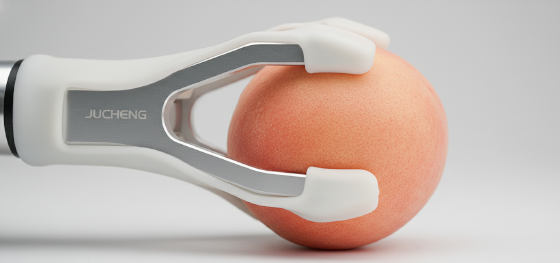
Robotic harvesters face a "Speed-Weight Paradox." To maximize the harvest window, the arm must accelerate and decelerate at extreme rates. Every extra gram of mass in the end-effector increases inertia, leading to vibration and overshoot that damages the fruit or the vine. Jucheng Precision addresses this by carving skeletal, topology-optimized components from aerospace-grade 7075-T6 aluminum. We deliver the "bones" of the modern harvester—strong enough to endure millions of cycles, yet light enough to move with bionic agility.
Operating within the Shenzhen precision manufacturing hub, JUCHENG provides a "Bridge to Production" for AgTech innovators. Our facility specializes in the hybrid manufacturing needed for bionic tools, merging the raw strength of CNC-machined skeletons with the gentle skins of vacuum-cast elastomers. This guide explores the material science, 5-axis strategies, and soft-grip technologies required to build the world’s most efficient robotic harvesting systems for the [2026] season.
The Speed-Weight Paradox: 7075 vs 6061 Aluminum
Comparative Data: Arm Stiffness and Mass
5-Axis CNC: Carving Organic Bionic Grippers
Soft-Touch Technology: Overmolding and Vacuum Casting
JUCHENG: The Hub for Precision Bionic Tools
FAQ: Manufacturing End-Effectors for Delicate Produce
The Speed-Weight Paradox: 7075 vs 6061 Aluminum
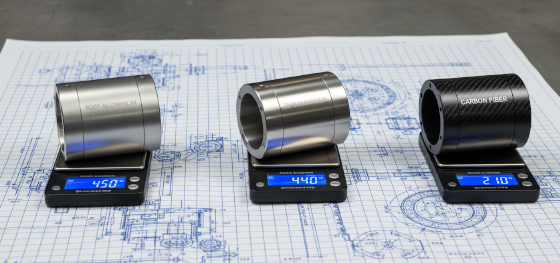
High-speed harvesting requires mechanical arms that function more like insect limbs than factory robots. In Robotic fruit harvester parts machining, the choice of aluminum grade is a critical performance driver. 6061 aluminum is the standard for general robotics, but for a fruit harvester arm operating at three picks per second, it lacks the necessary strength-to-weight ratio. JUCHENG recommends 7075-T6 aluminum for these high-acceleration applications because its yield strength is nearly double that of 6061, allowing for much thinner, skeletal wall sections that drastically reduce moving mass.
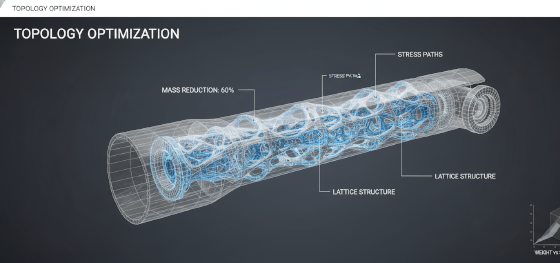
L'ottimizzazione topologica è l'arma segreta della mietitrebbia [2026]. Utilizzando software di progettazione generativa, gli ingegneri JUCHENG possono identificare le aree in cui il metallo non è strettamente necessario per l'integrità strutturale e "scolpirlo" via. Questo produce parti dall'aspetto organico che imitano le strutture ossee degli uccelli: cave, nervate e incredibilmente rigide. La lavorazione di queste forme scheletriche complesse è impossibile su frese a 3 assi; richiede le capacità di percorso utensile continuo della flotta CNC a 5 assi di JUCHENG per raggiungere cavità interne e creare transizioni morbide e senza stress.
| Caratteristica | Alluminio 6061 | Alluminio 7075-T6 | Fibra di carbonio |
|---|---|---|---|
| Carico di Snervamento (MPa) | 240 - 270 | 450 - 500 | 600+ |
| Rapporto peso/rigidezza | Standard | Eccezionale | Massimo |
| Smorzamento delle vibrazioni | Moderata | Basso | Alta |
| Costo di fabbricazione | Basso | Moderata | Molto alto |
La gestione delle vibrazioni è un altro beneficio silenzioso del 7075-T6 in Robotic fruit harvester parts machining. Un braccio più rigido ha una frequenza naturale più alta, il che significa che smette di vibrare molto più velocemente dopo un movimento ad alta velocità. Questo "tempo di assestamento" è critico; se il braccio trema ancora quando la pinza si chiude, ammacca il frutto. La lavorazione di precisione di JUCHENG garantisce che tutti i fori di montaggio e le sedi dei cuscinetti siano perfettamente allineati, eliminando il "gioco" meccanico che può amplificare queste vibrazioni durante i cicli di raccolta 24 ore su 24, 7 giorni su 7.
5-Axis CNC: Carving Organic Bionic Grippers
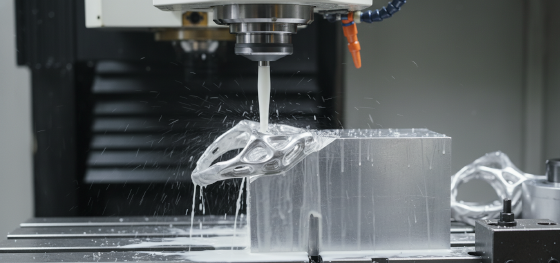
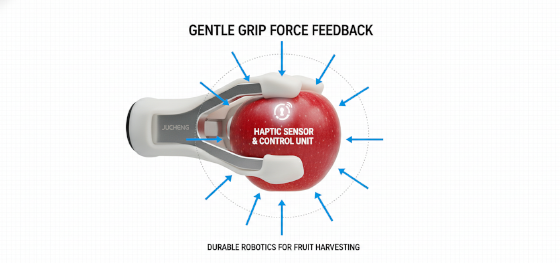
Le pinze bioniche devono imitare la complessità multi-articolata della mano umana per avvolgere in sicurezza una forma irregolare di frutta. Questi attuatori finali sono spesso composti da tre o quattro "dita", ciascuna delle quali richiede un percorso utensile 3D complesso per ottenere la necessaria leggerezza e curvatura ergonomica. JUCHENG utilizza strategie CNC a 5 assi specializzate per lavorare questi componenti in un unico setup, garantendo che i punti di snodo critici e i canali di instradamento dei cavi siano perfettamente concentrici. Ciò riduce l'attrito nei cavi di trasmissione, consentendo ai sensori aptici del robot di rilevare la minima resistenza della buccia del frutto.
La riduzione del peso interno è un segno distintivo dei Robotic fruit harvester parts machining. Spesso impieghiamo tecniche di "sottosquadro" in cui svuotiamo l'interno di un dito della pinza mantenendo una sezione trasversale strutturale "a I". Ciò è possibile solo con la capacità a 5 assi, dove l'utensile può entrare ad angoli estremi per rimuovere materiale dall'interno verso l'esterno. Il risultato è un dito della pinza che pesa il 40% in meno rispetto a un componente solido standard ma mantiene il 95% della sua rigidezza originale, migliorando direttamente il tempo di ciclo del robot e riducendo l'usura dei motori del braccio.
Surface finish on these end-effectors is critical for the secondary overmolding process. A "too-smooth" surface provides no mechanical bond for the soft silicone skin, while a "too-rough" surface creates stress risers that lead to cracks. JUCHENG utilizes controlled bead-blasting and chemical etching on the 5-axis machined parts to create a specific surface energy. This ensures that when the soft-touch skin is applied, it creates a permanent, tear-proof bond that can survive thousands of abrasive contact cycles with fruit skins and branches.
Soft-Touch Technology: Overmolding and Vacuum Casting

Gripping a peach is fundamentally different from gripping a lug nut. The end-effector requires a "variable durometer" design—a rigid skeleton for force transmission and a soft skin for surface conformability. Jucheng Precision achieves this through advanced overmolding or vacuum casting techniques. We take the 5-axis machined aluminum "bone" and place it into a secondary mold, where we inject soft-touch TPU (Thermoplastic Polyurethane) or food-grade silicone. This creates a monolithic part with a "soft-on-hard" architecture.
Vacuum casting is the preferred method for the prototyping and low-volume pilot runs common in AgTech. It allows JUCHENG to rapidly iterate on different shore hardnesses—ranging from "gummy-bear" soft to "tire-tread" firm—to find the exact grip profile for a specific crop. For Robotic fruit harvester parts machining, we often integrate air channels within the soft skin to create a "pneumatic cushion" effect. When the gripper closes, these air pockets compress, providing a gentle, uniform pressure that protects the fruit’s delicate cuticle from localized bruising.
Food-grade certification is non-negotiable for harvesting tools. All silicone and TPU materials used at JUCHENG meet FDA and EU 2026 standards for direct food contact. We ensure that no oils or mold-release agents remain on the parts, preventing any contamination of the harvest. By managing both the rigid CNC core and the soft molded skin in-house, JUCHENG guarantees a level of part integrity that outsourced, multi-vendor supply chains simply cannot match. This unified manufacturing approach is vital for the long-term hygiene and reliability of the harvester.
JUCHENG: The Precision Hub for Bionic Tools
Dominating the [2026] AgTech market requires a partner that understands the delicate balance between speed and gentleness. Jucheng Precision operates with a 24/7 manufacturing mindset in our Shenzhen precision manufacturing hub, delivering complex 5-axis mechanical arms and overmolded end-effectors with lead times as fast as 15 business days. We provide a "Bridge to Production" that allows you to move from a single 3D-printed prototype to a commercial fleet of 500 harvesters without compromising on part weight or grip quality.
Integrating your design with JUCHENG’s expertise ensures that your harvester survives the "Trial Season" and moves into mass adoption. We offer comprehensive DFM reviews within 24 hours, identifying potential weight-saving opportunities or "pinch-points" in your gripper design before they become field failures. Whether you are building an autonomous apple picker or a high-speed berry harvester, Jucheng Precision provides the bionic hardware that keeps your innovation moving through the orchard, the sun, and the harvest.
Our facility is equipped with 150+ CNC machines and dedicated soft-material molding cells, allowing us to manage the entire end-effector lifecycle in one location. We manage the complexity of multi-material bonding so your engineering team can focus on the vision algorithms and AI. By combining Shenzhen's speed with aerospace-grade 5-axis verification, JUCHENG remains the preferred partner for the world's most innovative AgTech hardware challenges. Contact us today to start your next bionic project.
FAQ: Manufacturing End-Effectors for Delicate Produce
Why use 7075 aluminum instead of 6061 for harvester arms?
7075 allows for thinner, lighter skeletal designs while maintaining the high yield strength required for rapid acceleration.
What is the best way to bond soft silicone to a CNC-machined core?
We use chemical etching and surface texturing on the aluminum core followed by vacuum casting for a permanent mechanical bond.
Can JUCHENG machine hollow, organic-shaped fingers?
Yes. Our 5-axis CNC units utilize specialized undercutting strategies to hollow out gripper fingers for maximum weight reduction.
Are the gripper materials food-safe for the 2026 season?
Yes. We only use FDA-certified, food-grade silicone and TPU resins designed for direct harvest contact.
What are typical lead times for a pilot run of bionic grippers?
A pilot run of 10 to 50 bionic end-effectors is typically delivered in 15 to 20 business days.
Speed-induced bruising in AgTech is an absolute hardware killer. Partnering with Jucheng Precision ensures that your gripper arms are built with the skeletal 5-axis aluminum and specialized overmolding techniques the industry demands. Reach out to our Shenzhen manufacturing hub today for a complete DFM review and build the bionic foundation your autonomous fleet requires.

