


Reamers are essential cutting tools in manufacturing and machining, designed to refine and size pre-drilled holes to achieve high precision and smooth surface finishes. Their role is critical in industries such as aerospace, automotive, and general engineering, where tight tolerances are paramount. This article delves into the various materials used in reamer construction and the different types available, providing insights to help professionals make informed decisions. We will explore key aspects like HSS reamers, carbide reamers, Carbon tool steel T12, PCD reamers, CBN reamers, and overall types of reamers, ensuring a thorough understanding of their applications and benefits. By examining these elements, readers can appreciate how material selection and reamer design impact performance, durability, and cost-effectiveness in real-world scenarios.
contenuto:
What is a Reamer and Why is it Important?
What Are Reamers Made Of?
What Are the Different Types of Reamers?
How Do You Choose the Right One?
What is a Reamer and Why is it Important?
Imagine drilling a hole in a piece of wood. The edges are often rough and the size isn't always perfect. A reamer is a tool that follows the drill. Its job is to gently shave the inside of the hole to make it very, very smooth and to make it the exact size needed.
This is super important for parts that have to fit together perfectly, like a wheel on an axle. If the hole is even a little too big or too small, the parts won't work right. Reamers help make sure everything fits perfectly every time.
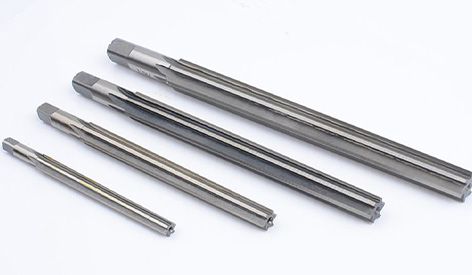
What Are Reamers Made Of?
Reamers can be made from different materials, kind of like how knives can be made from different types of metal. The material chosen depends on what job the reamer needs to do.
HSS Reamers (The All-Star): HSS stands for "High-Speed Steel." This is a very strong and durable type of steel. Think of it like a reliable, all-purpose kitchen knife. HSS reamers are great for most everyday jobs. They can be used on common metals like aluminum and steel and are a good balance of strength and cost. They can even be given a special coating to make them last longer.
Carbide Reamers (The Super Strong): Carbide reamers are like the superhero of tool materials. They are much harder and more wear-resistant than steel. They are used for the toughest jobs, like working with very hard metals or in factories that make thousands of parts. They last a lot longer than steel reamers but can be more brittle, meaning they can chip if they are bumped too hard.
Carbon Tool Steel T12 (The Old Reliable): This is a classic type of tool steel that was used a lot in the past. It's good for making very sharp edges. However, it's not as hard as modern steels and can lose its sharpness if it gets too hot. You might still find it in some simple, hand-held tools, but for most big machines, stronger materials are used today.
PCD Reamers (The Diamond Tool): PCD stands for "Polycrystalline Diamond." Yes, that means diamond! These reamers have tips made from tiny, man-made diamond pieces. Diamond is one of the hardest materials on Earth. PCD reamers are amazing for working with soft, sticky, or very abrasive materials like alluminio, copper, or plastic. They stay sharp for a very, very long time and can make the inside of a hole as smooth as a mirror.
Alesatori CBN (Lo Specialista del Ferro): CBN sta per "Nitruro di Boro Cubico." Questo è un altro materiale super-duro, subito dopo il diamante. Ma a differenza del diamante, che non ama il ferro, gli alesatori CBN sono perfetti per tagliare metalli molto duri a base di ferro. Vengono utilizzati su acciai temprati e resistenti che consumerebbero altri alesatori quasi istantaneamente.
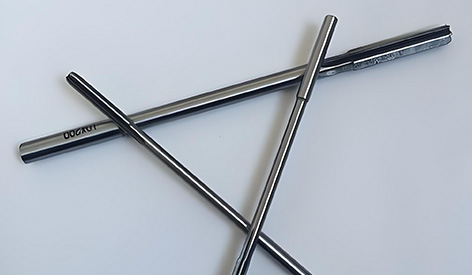
What Are the Different Types of Reamers?
Proprio come esistono diversi tipi di cucchiai (cucchiaino, cucchiaio da tavola, cucchiaio da minestra), esistono molti tipi di alesatori per diversi lavori.
Alesatori a Mano: Questi sono progettati per essere girati a mano, di solito con una chiave. Vengono utilizzati per riparazioni o per lavori che richiedono molto controllo.
Alesatori per Macchina: Questi sono progettati per essere utilizzati in potenti macchine come torni o trapani. Vengono utilizzati nelle fabbriche per produrre molte parti in modo rapido e preciso.
Alesatori Regolabili: Questi sono intelligenti perché puoi cambiare leggermente la loro dimensione! Hanno lame che possono essere spostate per rendere l'alesatore un po' più grande o più piccolo. Questo è ottimo per creare fori di dimensioni personalizzate o quando l'utensile inizia a consumarsi.
How Do You Choose the Right One?
Scegliere l'alesatore giusto è come scegliere l'utensile giusto per qualsiasi lavoro. Devi pensare a:
Quale materiale stai tagliando? Alluminio morbido? Usa HSS o PCD. Acciaio duro? Usa Carburo o CBN.
Quante parti stai producendo? Per poche parti, un alesatore in HSS va bene. Per migliaia, un alesatore in carburo di lunga durata è migliore.
Stai usando una macchina o le tue mani? Hai bisogno di un alesatore per macchina per un utensile elettrico e di un alesatore a mano per il lavoro manuale.
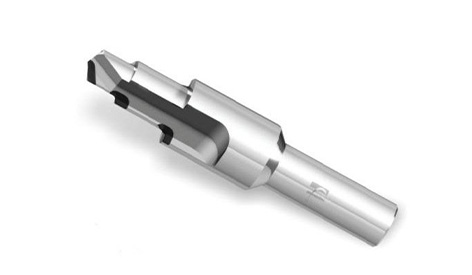
In sintesi, gli alesatori svolgono un ruolo fondamentale nel raggiungere precisione e qualità nelle operazioni di lavorazione. La scelta dei materiali degli alesatori—dall'HSS e carburo all'acciaio per utensili al carbonio T12, PCD e CBN—influisce direttamente su prestazioni, durata e idoneità per applicazioni specifiche. Allo stesso modo, i diversi tipi di alesatori, inclusi quelli a mano, per macchina, regolabili e design specializzati, offrono soluzioni su misura per varie esigenze industriali. Comprendendo questi elementi, i professionisti possono prendere decisioni informate che bilanciano efficienza, costo e precisione. Con l'avanzare della tecnologia, materiali come PCD e CBN continuano a spingere i confini, consentendo velocità più elevate e una maggiore durata dell'utensile. In definitiva, scegliere l'alesatore giusto comporta un approccio olistico, considerando sia le proprietà dei materiali che i tipi di alesatori per soddisfare le esigenze della produzione moderna.

