


Il tuo prodotto dovrebbe essere uno specchio impeccabile e invisibile al mondo? O dovrebbe avere una texture silenziosa e onesta che inviti al tatto?

Questa non è solo una questione tecnica. È una questione di filosofia. Si tratta di definire la personalità del tuo prodotto. La finitura superficiale è la pelle del tuo prodotto. È la prima cosa che un cliente vede e sente. È la prima stretta di mano con il tuo marchio.
Nel mondo di Attrezzatura rapida, you have access to a full palette of finishes to define this personality. This guide will introduce you to the world of Rapid tooling surface treatment, dal linguaggio degli standard SPI all'arte delle texture personalizzate.
contenuto:
Communicating Precision: Polished Finishes
Inviting the Touch: Matte and Textured Finishes
A Language of Precision: VDI Textures
Adding Layers of Story: Secondary Operations
A Dialogue in Texture: Choosing Your Finish
Communicating Precision: Polished Finishes
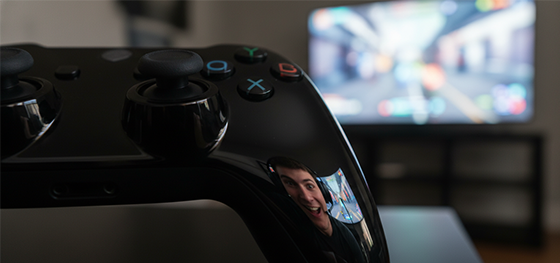
The finish of a plastic part is a perfect replica of the mold's surface. To create a perfectly smooth, glossy part, the mold itself must be polished. This is a highly skilled and labor-intensive art.
The industry uses SPI (Society of the Plastics Industry) standards for this. An SPI A-1 finish is a true diamond polish. It creates a part with a flawless, mirror-like gloss. However, achieving this on a softer aluminum rapid tool is very difficult and often not recommended.
A more realistic and highly achievable goal for rapid tooling is a B-grade finish. The aluminum mold is polished with fine grit paper, removing all tool marks. This creates a part with a very good commercial gloss, perfect for most cosmetic applications, without the extreme cost and limitations of a diamond polish.
Inviting the Touch: Matte and Textured Finishes
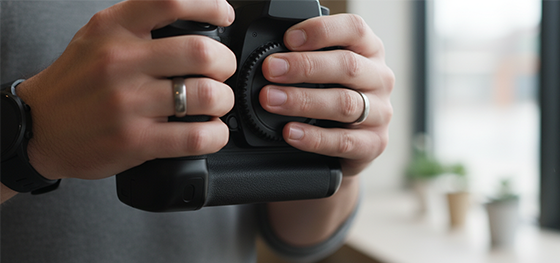
But what if your product's personality is not "shiny"? What if it is understated, professional, and meant to be held? This is the world of textured finishes. And this is where aluminum rapid tools truly excel.
Instead of polishing the mold, we use an abrasive process to give it a uniform, non-reflective texture. SPI C and D grades are created by blasting the mold surface with fine stone powder or sand.
A D-grade finish, from a coarse sandblast, results in a rough, deeply matte surface. It is great for hiding imperfections and for parts where a secure grip is needed.
A C-grade finish uses a finer abrasive. It creates a smoother, more subtle matte finish. This is a very popular choice for professional electronic housings and tools. It feels pleasant to the touch and looks very clean, modern, and honest.
A Language of Precision: VDI Textures
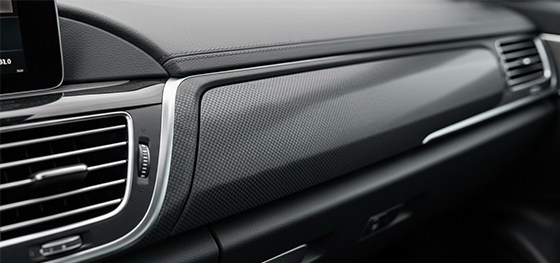
For a more precise and technical texture, many designers turn to the VDI 3400 standard.
VDI is a German standard. Unlike SPI grades, VDI defines a series of very specific, repeatable textures. These are created on the mold using a process called spark erosion, or EDM. This process is perfectly suited to aluminum tooling.
The result is a very uniform, fine-grained matte texture that feels distinctly "engineered" and high-quality. It is extremely durable and excellent at hiding fingerprints and minor scuffs. If you look at the dashboard of a high-quality car, you are almost certainly looking at a VDI texture. It is a fantastic way to give a part a robust, professional character.
Adding Layers of Story: Secondary Operations
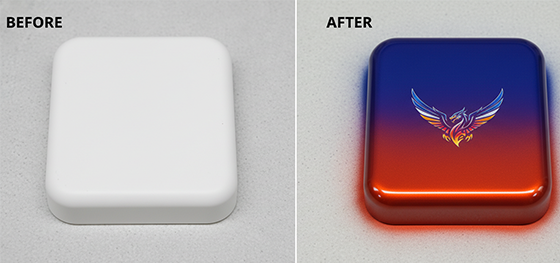
The finish from the mold is not the end of the story. The parts produced by your rapid tool are real injection molded parts. This means they are a perfect canvas for any secondary finishing operations.
Painting is a common option. It allows you to achieve any color imaginable. It also enables special effects like soft-touch coatings that feel velvety, or metallic finishes that mimic real metal.
Pad printing and silkscreening let you print high-resolution logos, text, and graphics directly onto your part. This is where your brand's visual identity comes to life.
Laser etching is another premium option. A laser can be used to precisely engrave logos or serial numbers onto the plastic surface, creating a very durable and high-end mark that can never wear off.
A Dialogue in Texture: Choosing Your Finish

Scegliere una finitura superficiale è una decisione di design critica con molte variabili. Un'immagine su uno schermo non potrà mai catturare veramente la sensazione di una texture.
Ecco perché lavorare con un buon partner di produzione è così importante. Alla JUCHENG, non ci limitiamo a mostrarvi immagini. Abbiamo targhette fisiche di texture. Questi sono campioni che rappresentano tutte le finiture SPI e VDI comuni.
Possiamo inviarvi queste targhette. Questo vi permette di vedere e, soprattutto, sentire le diverse opzioni di persona. Questa esperienza pratica è l'unico modo per prendere una decisione sicura.
Questo processo collaborativo fa parte del nostro impegno ad essere più di un semplice fornitore. Siamo i vostri partner nella creazione di un prodotto che non solo funziona perfettamente, ma racconta anche la storia esatta che volete raccontare.

