


Progettare involucri in plastica personalizzati per lo stampaggio a iniezione di piccole serie richiede un attento equilibrio tra estetica del pezzo, forze di espulsione e durezza del metallo dello stampo. Gli sviluppatori di prodotto spesso commettono l'errore di applicare le regole standard di sformo di 1 grado provenienti dagli stampi in acciaio per la produzione a stampi in alluminio tenero, con conseguenti gravi abrasioni superficiali durante l'espulsione. L'alluminio AL7075 e gli acciai teneri pre-induriti P20 hanno valori di durezza superficiale inferiori rispetto all'acciaio H13 temprato, rendendo le pareti verticali del nucleo molto più suscettibili alla micro-grippatura sotto la pressione del ritiro. Richiedere un feedback tecnico DFM in anticipo garantisce che le geometrie CAD incorporino adeguate conicità verticali prima che gli stampisti inizino la fresatura del metallo.
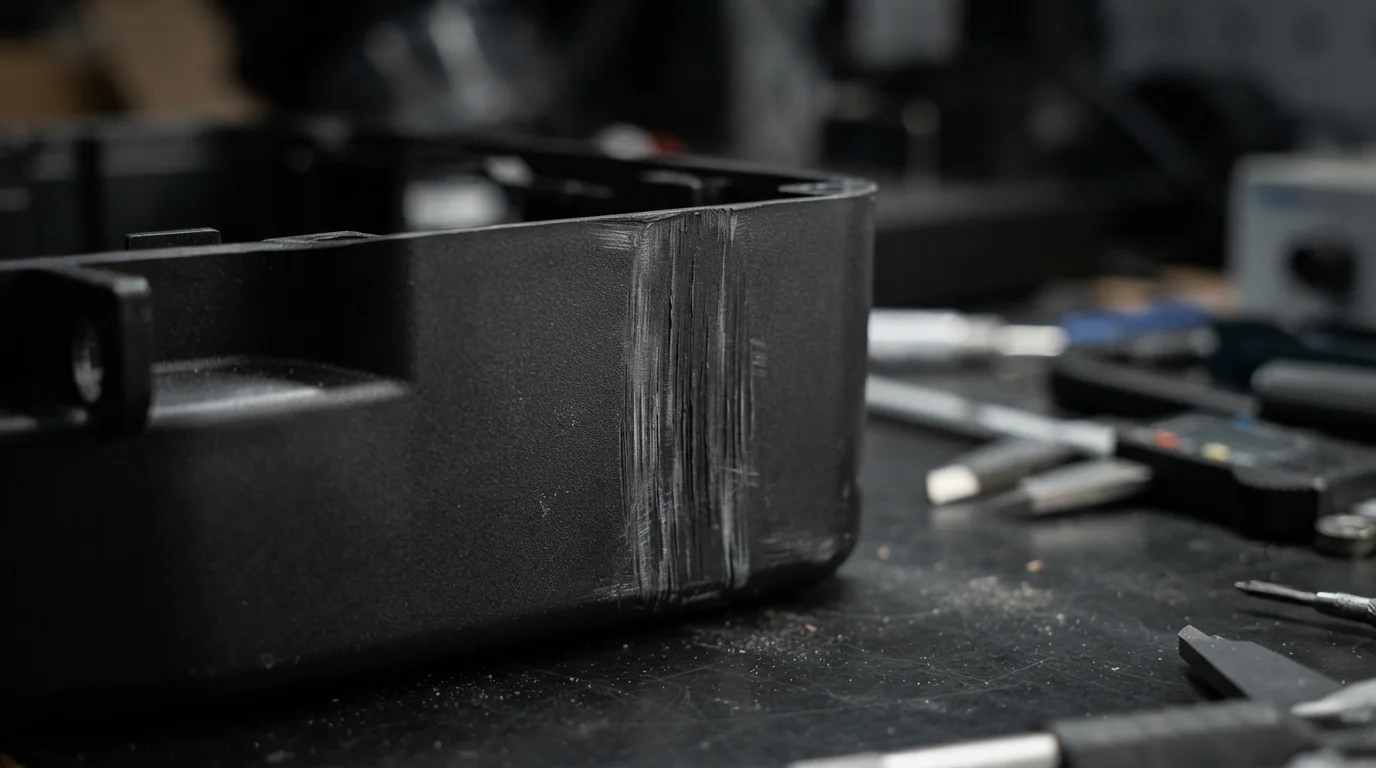
L'implementazione di angoli di sformo per utensileria rapida protegge l'investimento nel nucleo dello stampo mantenendo superfici estetiche pulite e senza imperfezioni. Il taglio preciso di geometrie CAD tridimensionali complesse consente a stampisti esperti di analizzare linee di divisione, angoli di sformo e spessori di parete utilizzando software avanzati di simulazione del flusso di stampo. L'approvvigionamento dei componenti da un partner esperto garantisce che le modifiche di progettazione vengano propagate in modo sicuro in tutte le fasi. Vediamo perché gli stampi teneri richiedono conicità generose ed esploriamo le linee guida consigliate per le superfici testurizzate.
Indice
1. Perché gli stampi teneri richiedono angoli di sformo maggiori rispetto all'acciaio
2. Linee guida per lo sformo di superfici testurizzate VDI e nervature profonde
Perché gli stampi teneri richiedono angoli di sformo maggiori rispetto all'acciaio
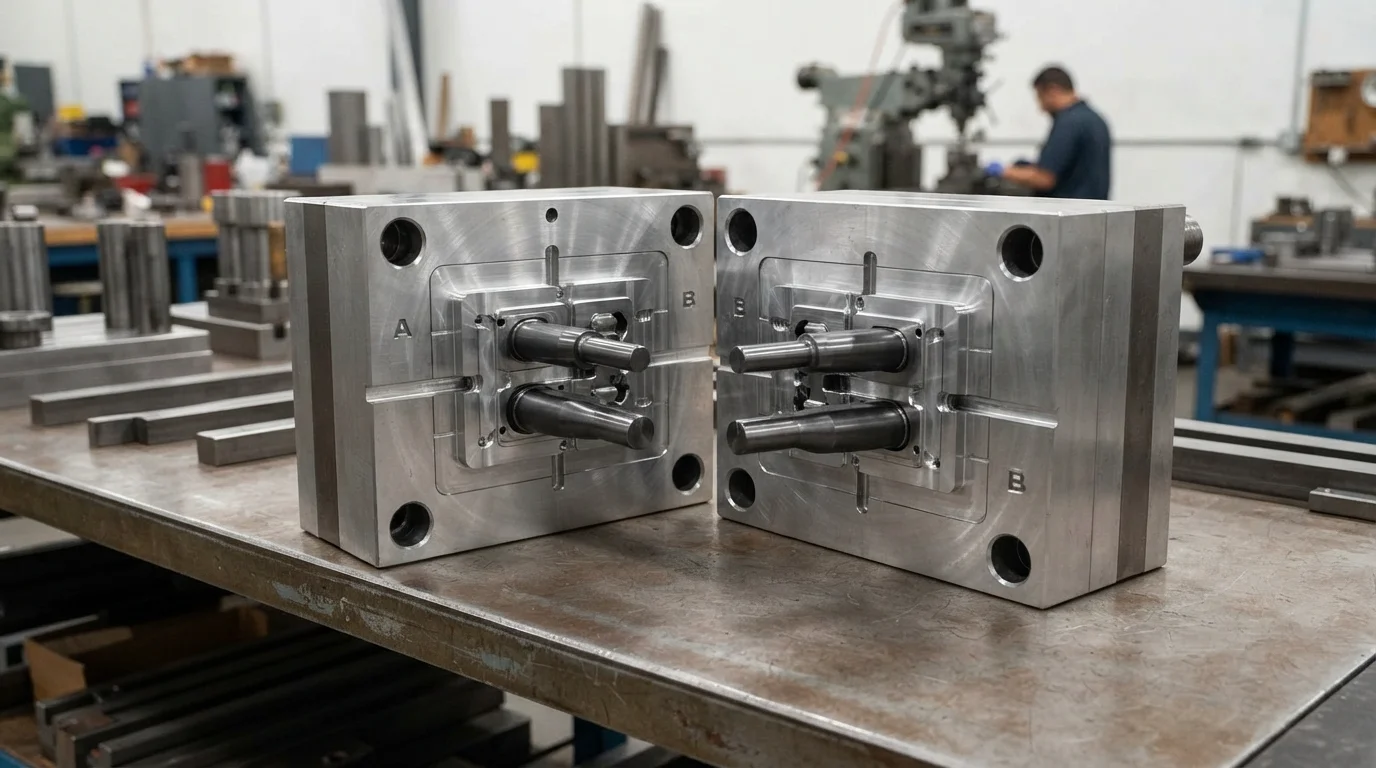
Domanda: Perché gli stampi in alluminio richiedono angoli di sformo maggiori rispetto agli stampi in acciaio? Le leghe di alluminio tenero si grippano e trascinano più facilmente sotto le pressioni di ritiro del polimero, richiedendo almeno 1,5-2,0 gradi di sformo per un rilascio pulito.
La selezione di metalli teneri per i nuclei degli stampi riduce drasticamente i costi di investimento iniziali per l'attrezzatura e riduce i tempi di lavorazione a 10-15 giorni lavorativi. L'adesione a linee guida complete di progettazione per lo stampaggio rapido garantisce che i nuclei degli stampi teneri sopravvivano a decine di migliaia di cicli senza subire derive dimensionali. L'approvvigionamento di un Servizio di attrezzaggio rapido utilizzando AL7075-T6 Alluminio o pre-temprato P20 in acciaio per utensili dedicato fornisce componenti stampati a iniezione reali da resine di grado produzione entro poche settimane. Le cavità in metallo tenero dissipano il calore rapidamente, accorciando i cicli di raffreddamento e aumentando la velocità di produzione.
Le pareti verticali senza sformo creano un attrito estremo quando la plastica in raffreddamento si restringe saldamente attorno ai perni del nucleo durante la fase di mantenimento. I perni di espulsione idraulici che spingono contro parti senza sformo esercitano forze elevate che strappano micro-trucioli di alluminio tenero dalle pareti della cavità. La micro-grippatura si accumula rapidamente, creando graffi profondi sulle parti successive e costringendo a una rilucidatura precoce dello stampo. Richiedere revisioni DFM anticipate garantisce che nervature verticali e boss includano uno sformo adeguato prima di tagliare il metallo.
L'approvvigionamento di parti funzionali stampate da plastiche ingegneristiche solide come ABS, Nylon (PA), o Policarbonato (PC) fornisce un comportamento autentico del materiale sotto carico dinamico. L'approvvigionamento di parti funzionali da un professionista Servizio di prototipazione è ideale per studi di forma iniziali, ma quei file CAD spesso violano la fisica dello stampaggio a iniezione di produzione di massa. I progetti di componenti simmetrici semplificano i dispositivi di fissaggio, riducendo drasticamente le ore di manodopera di configurazione iniziale. La standardizzazione dei giochi non critici consente ai mandrini di fresatura ad alta velocità di sgombrare rapidamente il materiale grezzo, massimizzando l'efficienza di taglio.
Linee guida per lo sformo di superfici testurizzate VDI e nervature profonde
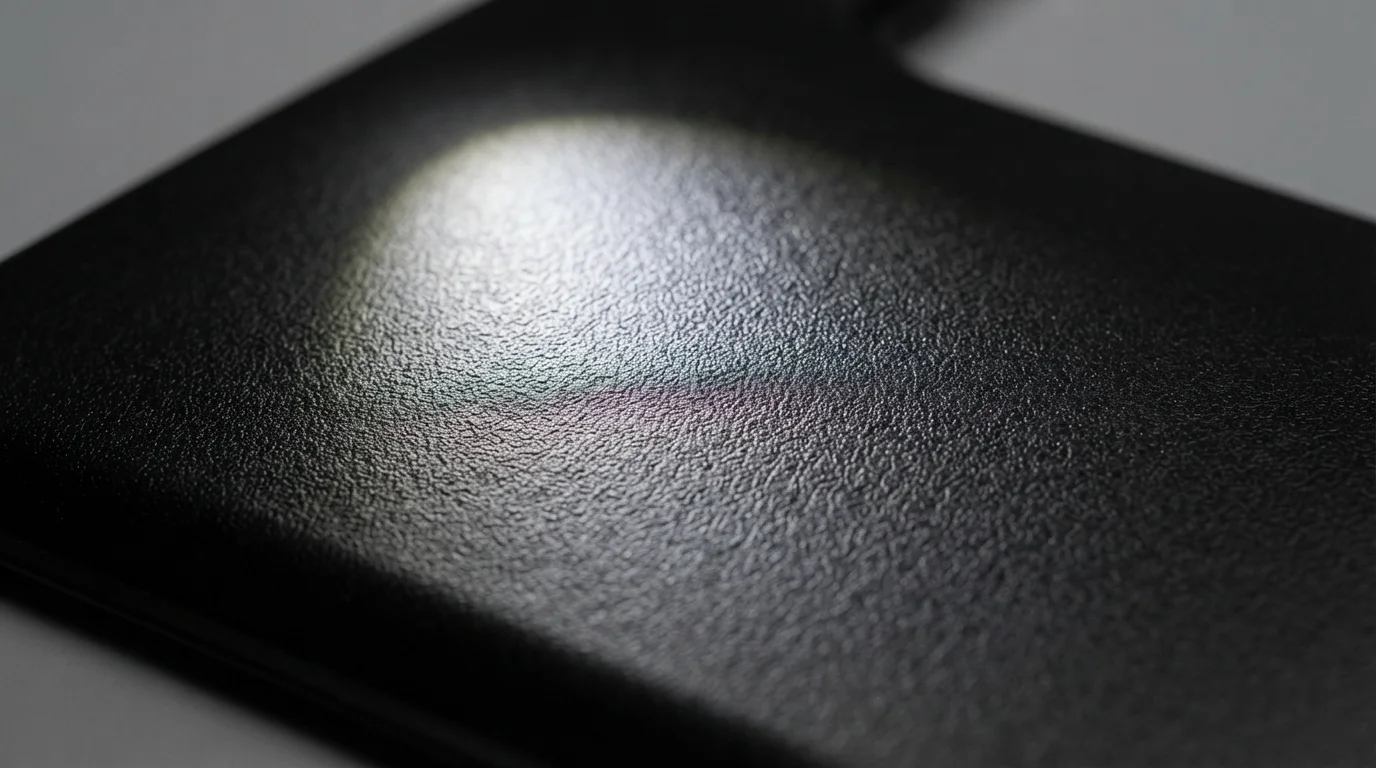
Domanda: Quanto angolo di sformo è necessario per superfici in plastica testurizzate? Le superfici testurizzate richiedono un ulteriore 1,0 grado di sformo per ogni 0,025 mm (0,001 pollici) di profondità della texture per prevenire abrasioni.
L'applicazione di testure tramite erosione a scintilla chimica o sabbiatura a microsfere alle cavità in alluminio crea picchi e valli microscopici che intrappolano la plastica in raffreddamento. I pezzi stampati estratti direttamente da cavità testurizzate senza un angolo di sformo sufficiente taglieranno i picchi della testura, creando antiestetici segni bianchi da stress. Incorporare un minimo di 3,0 gradi di sformo su tutte le pareti verticali testurizzate garantisce che la plastica si rilasci in modo pulito dalla superficie dello stampo testurizzato. Seguire queste regole nel calcolo degli angoli di sformo per l'utensileria rapida garantisce che i vostri pezzi a breve tiratura mantengano finiture di livello retail.
Anche le nervature di rinforzo profonde e i mozzi per viti alti richiedono una meticolosa scalatura dell'angolo di sformo per prevenire il bloccaggio in espulsione. Le caratteristiche alte trattengono il calore più a lungo, causando un ritiro localizzato del polimero che afferra saldamente i perni di nucleo. Dimensionare correttamente gli angoli di sformo delle nervature consente ai pezzi di essere espulsi senza deformazioni o imperfezioni da spinta dei perni. Questa tabella comparativa tecnica delinea gli angoli di sformo raccomandati in base al tipo di caratteristica e alla finitura superficiale:
| Caratteristica / Finitura Superficiale | Sformo Standard per Stampo in Acciaio | Standard di Sformo per Utensileria Rapida | Motivo Ingegneristico Principale |
|---|---|---|---|
| Parete Liscia / Lucidata | 0,5° a 1,0° minimo | 1,5° a 2,0° minimo | Previene lo sfregamento da attrito sull'alluminio morbido |
| Testura Leggera (VDI 18 – 24) | 1,5° a 2,0° minimo | 2,5° a 3,0° minimo | Previene il taglio dei picchi della testura durante l'espulsione |
| Testura Pesante (VDI 27 – 33) | 3,0° a 5,0° minimo | 4,0° a 6,0° minimo | Accommodates deep texture micro-undercuts |
Preventing Micro Galling and Ejection Damage
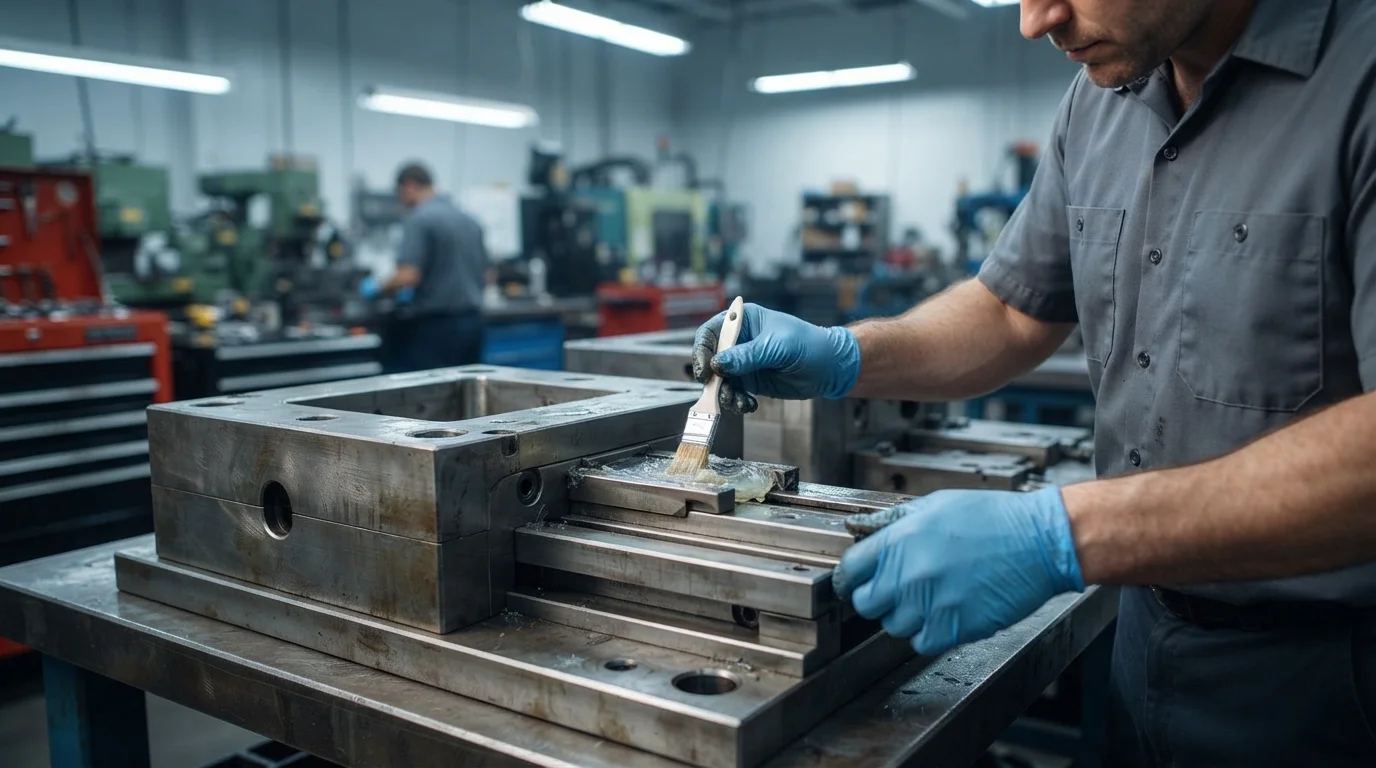
Question: How can micro-galling be prevented in soft aluminum core inserts? Applying nickel plating or hard anodizing hardens aluminum surfaces while adding proper draft tapers minimizes tool friction.
Passare a un Servizio di stampaggio a iniezione requires a complete overhaul of raw prototype CAD geometries to accommodate mold release physics. Applying proper rapid tooling draft angles across all vertical features is the single most effective way to protect mold core investment. Sourcing early DFM reviews simplifies split line layouts, eliminating the need for expensive mechanical sliders in rapid molds. Sourcing high-quality prototypes ensures your designs are built to withstand severe dynamic forces safely.
Jucheng Precision opera una struttura di fabbrica completamente integrata contenente sia centri multiasse Servizio di lavorazione CNC che presse di stampaggio a iniezione di precisione. Gli ingegneri di fabbrica forniscono revisioni complete revisioni DFM gratuite 24 ore su 24 reviews to optimize gate locations, parting lines, and draft profiles before cutting metal. Sourcing a dedicated rapid tooling service using aluminum or soft steel cores delivers genuine injection-molded components from production-grade resins within weeks. Sourcing high-quality prototypes ensures your designs are built to withstand severe dynamic forces safely.
Collaborare con un produttore certificato ti aiuta a gestire la transizione dai primi mockup visivi alla tooling di ponte a basso volume senza soluzione di continuità. Effettuare manualmente la ricerca dei preventivi garantisce che ingegneri esperti analizzino i tuoi file 3D STEP per trovare ulteriori modi di risparmiare sullo stampaggio a basso volume. I componenti personalizzati vengono sottoposti a rigorosi controlli metrologici a coordinate per confermare la conformità dimensionale esatta. La ricerca di prototipi di alta qualità garantisce che i tuoi progetti siano costruiti per resistere in modo sicuro a forze dinamiche severe.
Domande Frequenti (FAQ)
Quanto velocemente possono essere lavorati stampi rapidi personalizzati in alluminio?
Soft aluminum or P20 steel rapid molds are typically machined on multi-axis CNC mills within 10 to 15 business days. Bypassing slow spark-erosion EDM processes allows manufacturers to deliver functional, production-grade molded samples in weeks rather than months. Sourcing early DFM reviews simplifies split line layouts, eliminating the need for expensive mechanical sliders in rapid molds.
Quali sono i requisiti minimi di sformo per parti in plastica testurizzate?
Standard draft angles of 1.5 to 2.0 degrees are recommended for smooth aluminum mold release, but textured surfaces demand up to 3.0 degrees. Sourcing early DFM reviews ensures vertical ribs and bosses incorporate adequate draft before cutting metal. Sourcing your prototypes from a turnkey manufacturer ensures experienced mold makers suggest smart gate placements.
Perché scegliere inserti caricati a mano rispetto a slitte automatiche negli stampi rapidi?
Sostituire complesse azioni laterali idrauliche con inserti di nucleo caricati a mano riduce significativamente i costi iniziali di costruzione dello stampo. Gli inserti caricati a mano vengono posizionati manualmente all'interno della cavità prima di ogni ciclo, rendendoli ideali per brevi produzioni da 100 a 5.000 pezzi.

