


La validazione di parti strutturali per alloggiamenti automobilistici, staffe motore ad alta sollecitazione o collettori complessi per apparecchiature mediche prima di impegnarsi nella produzione di utensili rappresenta una sfida di capitale importante. La specifica di fusioni rapide di prototipi in alluminio fornisce al tuo team di sviluppo prodotto un percorso eccezionalmente conveniente per valutare le strutture di fusione effettive senza pagare le ingenti spese non ricorrenti di ingegneria (NRE) degli stampi in acciaio. Questo flusso di lavoro specializzato di formatura dei metalli funge da metodo essenziale e ad alta durabilità prototipazione rapida, utilizzando metodi sottrattivi avanzati e fusione temporanea per fornire hardware di grado produttivo in pochi giorni.
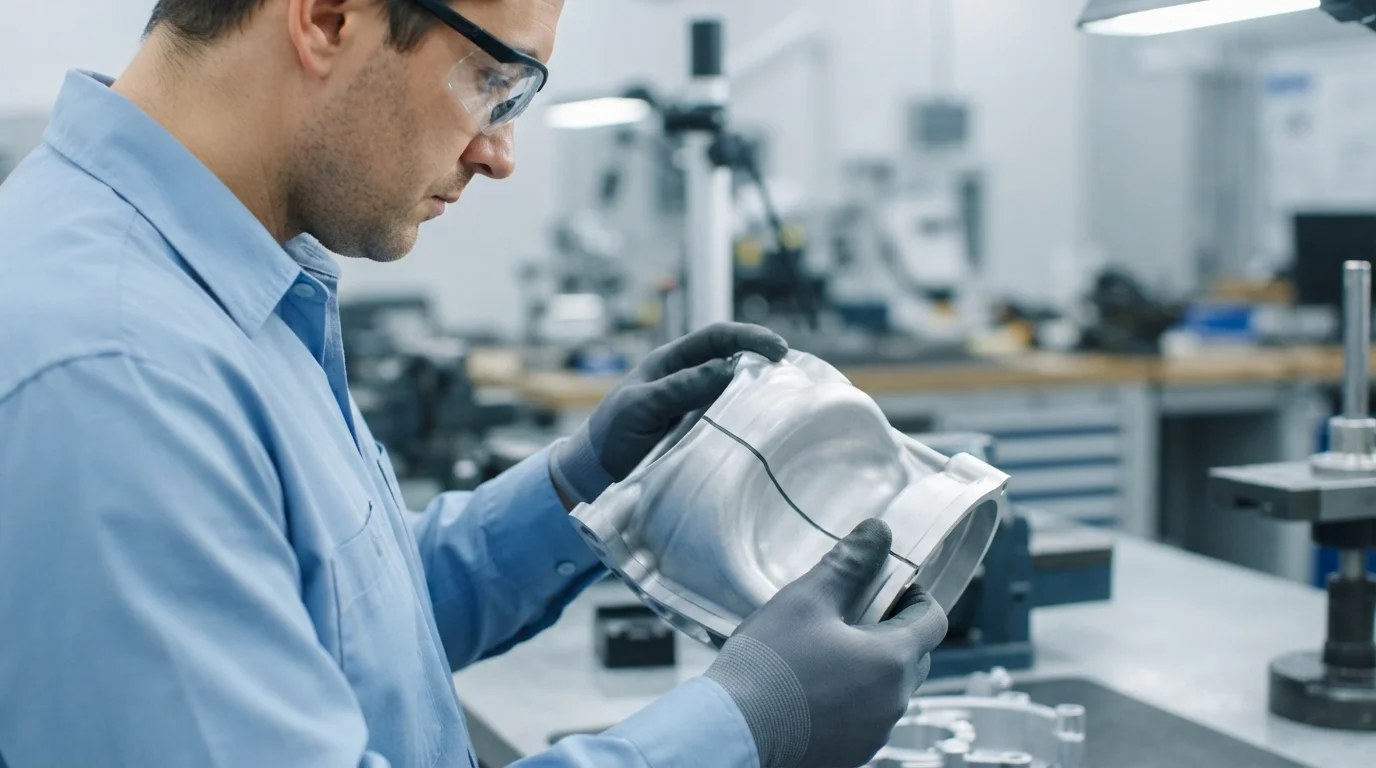
Soffri di pannelli piatti grezzi o modelli in plastica fragili che non riescono a imitare il peso strutturale, la dissipazione termica e i profili di sformo complessi delle fusioni reali? Quando i componenti hardware sono progettati senza valutare le variazioni di spessore delle pareti, le cavità di ritiro interne o i limiti di sformo specifici, i prototipi risultanti non forniscono dati di prova rappresentativi. Allineare proattivamente i tuoi controlli pre-produzione con i corretti metodi di simulazione delle leghe è il modo migliore per garantire il tuo programma di lancio del prodotto.
Esploriamo perché l'utensileria troppo precoce è un rischio finanziario importante, analizziamo come la fresatura CNC diretta da billette solide simula pulitamente le caratteristiche di fusione e rivediamo le differenze di convenienza economica tra la fusione in stampo di gesso temporaneo e la fusione a cera persa.
La sfida della prototipazione di parti pressofuse
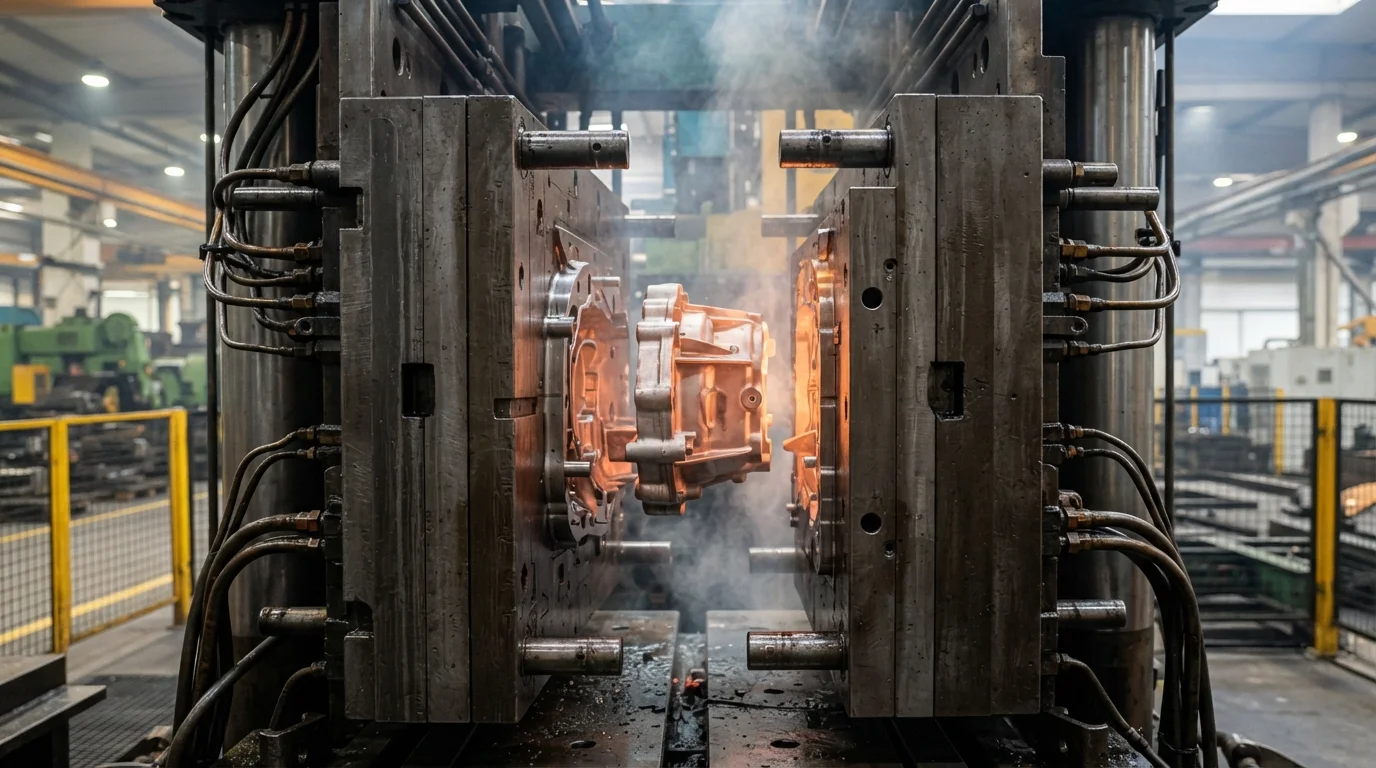
Per progettare alloggiamenti metallici di alta precisione per la produzione in serie, gestire il rischio di capitale iniziale dello sviluppo degli stampi è fondamentale. La pressofusione ad alta pressione pressofusione è il metodo standard del settore per produrre in serie parti metalliche complesse con pareti sottili e finiture superficiali eccellenti. Tuttavia, la fabbricazione di questi stampi in acciaio temprato richiede mesi di rettifica CNC di precisione e elettroerosione a tuffo, con conseguenti enormi investimenti iniziali (spesso superiori a 15.000-50.000 USD).
Se il tuo progetto contiene conflitti geometrici non rilevati o richiede una piccola modifica dimensionale dopo la costruzione, modificare uno stampo in acciaio temprato è un processo eccezionalmente lento e costoso. Condurre le tue prime valutazioni funzionali utilizzando alternative prototipali rapide e a basso costo ti consente di congelare in sicurezza i parametri di progetto prima di tagliare l'acciaio per stampi. Questo protegge il tuo budget di lancio e previene costosi ritardi pre-produzione.
Lavorazione da billetta piena: la simulazione definitiva
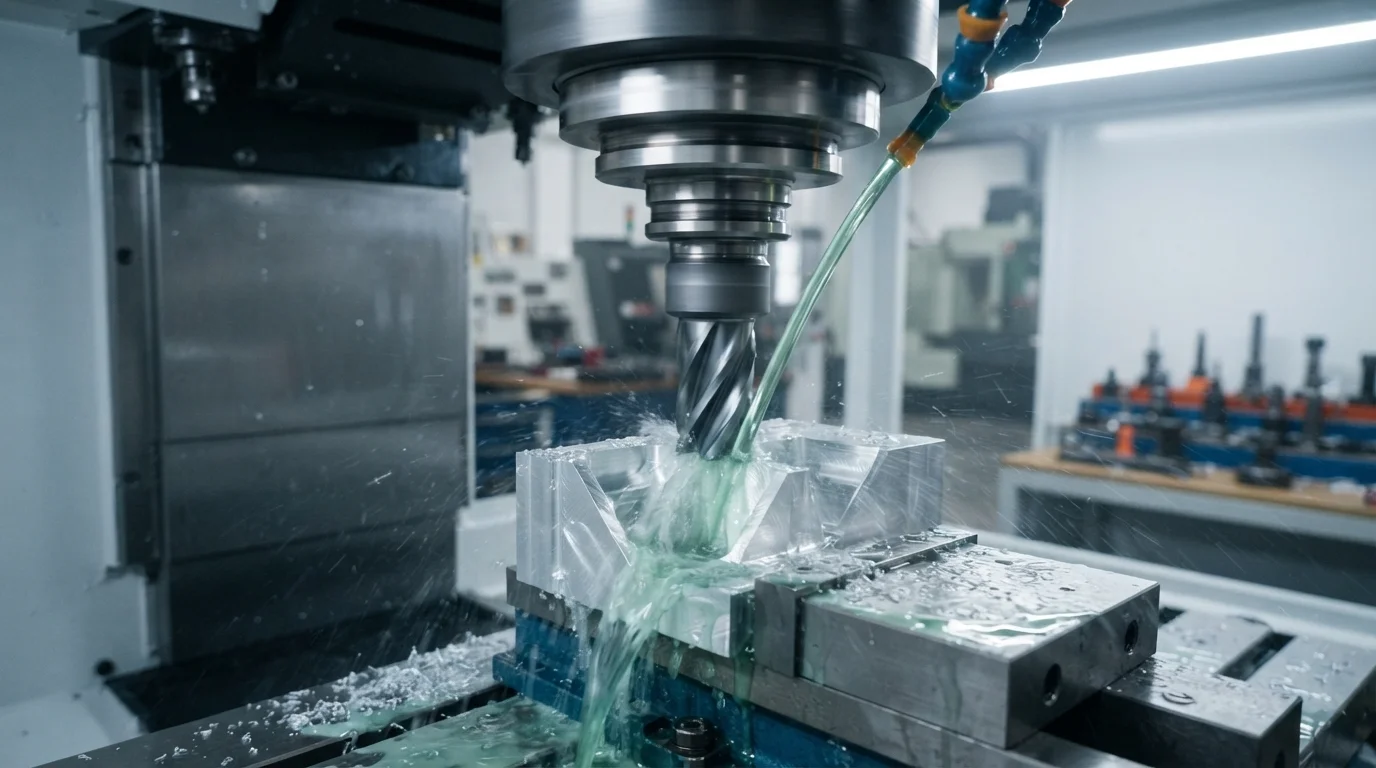
Quando i tuoi obiettivi di validazione richiedono una precisione dimensionale estrema, la lavorazione CNC diretta da un blocco di metallo pieno è la scelta principale. Invece di colare metallo liquido, scolpiamo i tuoi prototipi direttamente da una billetta piena di leghe di fusione standard (come A380 o ADC12). Poiché la billetta grezza viene estrusa ad alta pressione, il componente finito possiede un'eccellente densità fisica ed è completamente privo di difetti di porosità interna.
Questo processo sottrattivo ci consente di mantenere tolleranze eccezionalmente strette (entro ±0,015 mm) su tutte le dimensioni critiche. Durante le prime revisioni di progettazione, possiamo programmare le nostre fresatrici multiasse per includere caratteristiche di fusione standard, come specifici angoli di sformo e nervature localizzate, direttamente nelle parti fresate. Ciò garantisce che il prototipo si comporti esattamente come un componente fuso di grado produttivo, stabilendo un percorso altamente affidabile per selezionare la lega ottimale dal tuo materiali per prototipazione rapida disponibile.
Alternative alla colata in gesso e alla microfusione
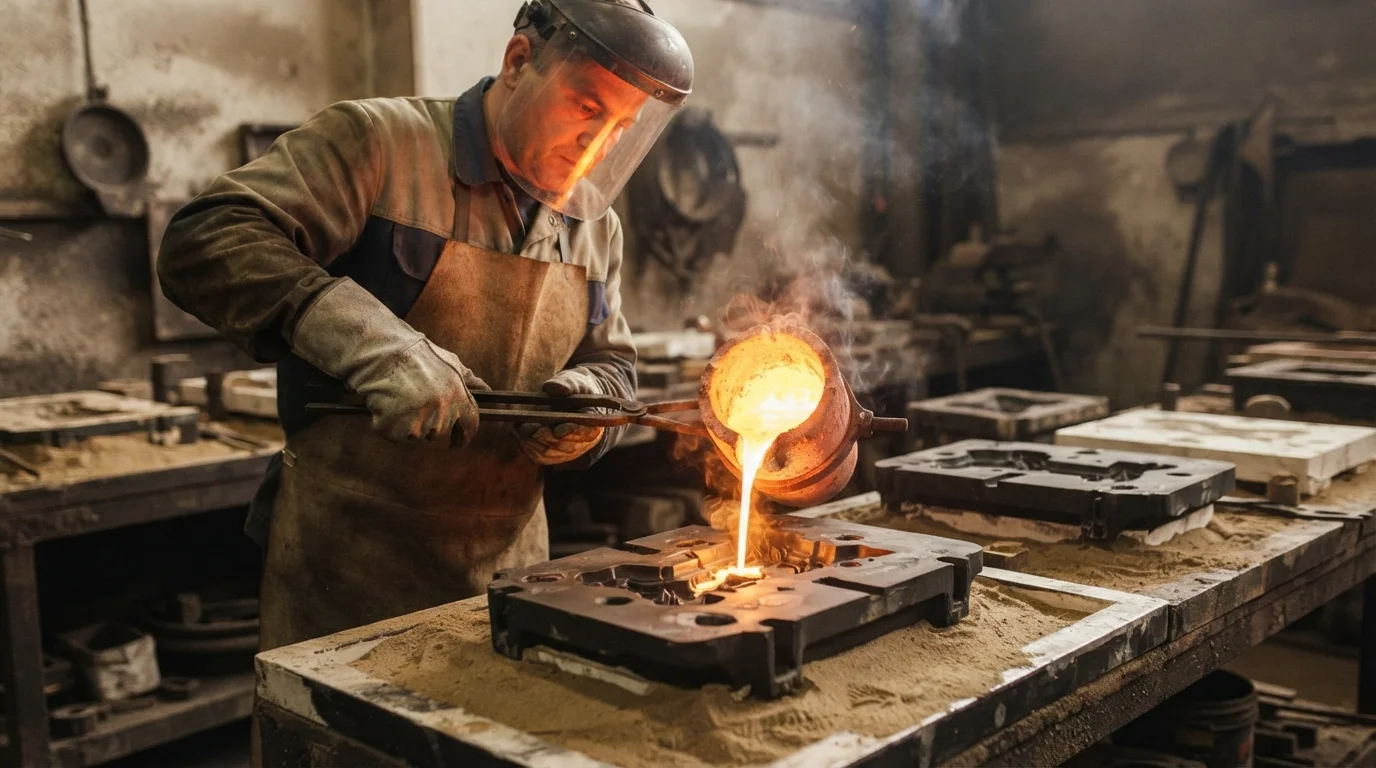
Per progetti che richiedono più prototipi (da 10 a 50 pezzi) per condurre prove funzionali di flusso di fluidi o test di nebbia salina ambientale, la fresatura CNC diretta può essere troppo lenta e costosa. Per ridurre i costi unitari su brevi serie, raccomandiamo la colata in stampo di gesso. Questo processo stampa un modello master SLA ad alta risoluzione, versa gesso liquido attorno ad esso per formare una cavità temporanea e cola lega di alluminio fusa nel guscio di gesso per gravità, fornendo pezzi a parete sottile altamente accurati fusioni rapide di prototipi in alluminio.
Per geometrie complesse di staffe aerospaziali con canali interni intricati, utilizziamo la microfusione avanzata (colata a cera persa). Questo metodo stampa un modello in cera personalizzato utilizzando stampanti 3D ad alta precisione, lo riveste con una sospensione ceramica refrattaria per costruire un guscio solido e scioglie la cera per creare una cavità cava. Colare metallo fuso in questo guscio ceramico produce componenti con eccezionale integrità strutturale e finiture superficiali eccellenti, consentendoti di validare progetti ad alto carico prima della produzione di massa.
Transizione senza soluzione di continuità alla pressofusione ad alto volume presso JUCHENG
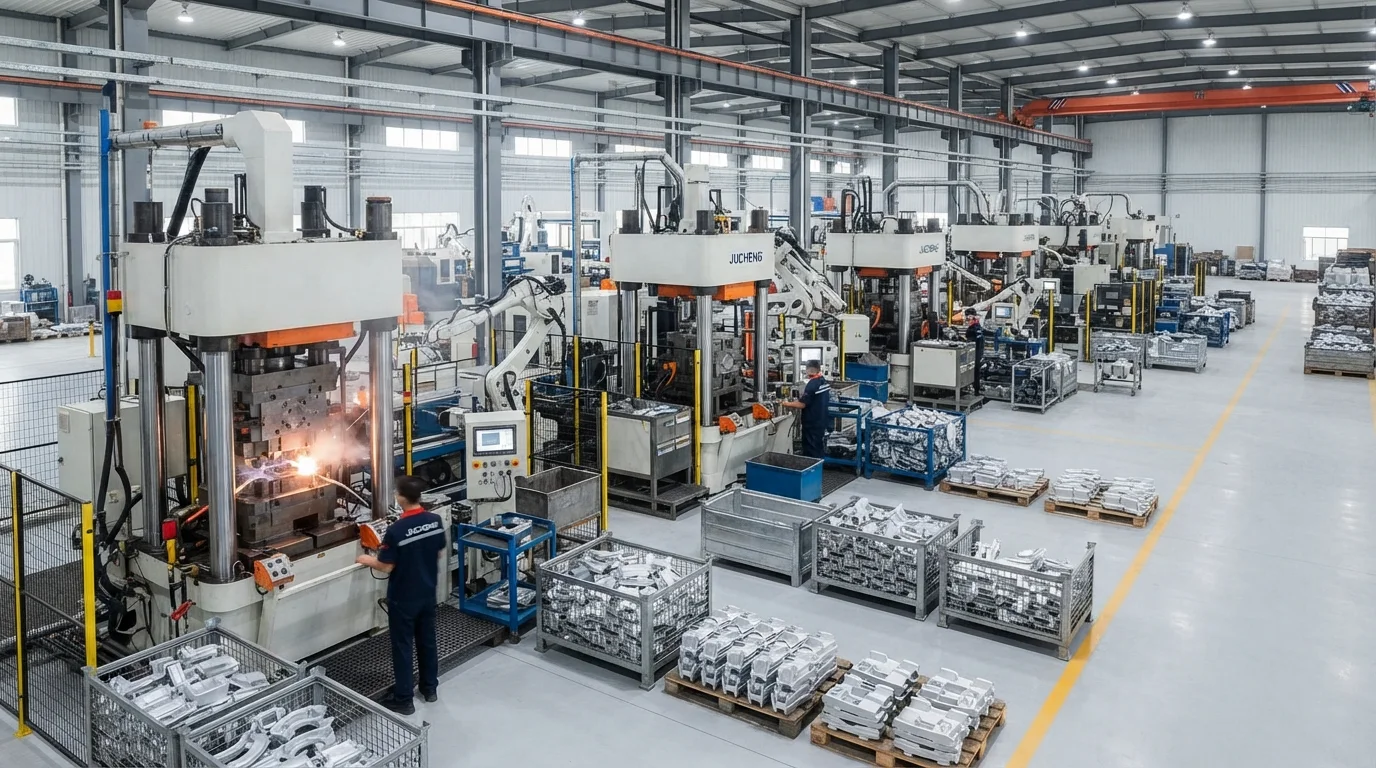
L'approvvigionamento di prototipi metallici ad alta integrità richiede un'officina integrata e ad alta capacità. JUCHENG gestisce una struttura all'avanguardia di 8.000 metri quadrati che ospita sia centri di fresatura CNC di precisione che presse per pressofusione ad alta pressione per impieghi gravosi. Questa capacità unificata garantisce che le tue parti vengano validate nelle nostre celle di prototipazione rapida e poi trasferite direttamente alle nostre linee di produzione in serie sotto un unico sistema di gestione della qualità certificato.
Il nostro reparto produttivo opera secondo gli standard AS9100 e IATF 16949, garantendo che raccordi aerospaziali personalizzati e staffe automobilistiche soddisfino severi requisiti normativi. Come vostro partner di fiducia prototipazione rapida, offriamo un'analisi DFM gratuita in 24 ore per valutare i vostri modelli CAD, verificando gli angoli di sformo e i parametri di ritiro del materiale prima di tagliare l'acciaio per stampi. Supportati dalla nostra politica senza quantità minima d'ordine e dalla garanzia di consegna rapida, gestiamo il vostro progetto dal taglio iniziale del piatto fino all'imballaggio e all'assemblaggio finale ad alta durabilità, senza alcuna deviazione dimensionale.
FAQ: Domande critiche sui getti in alluminio prototipali rapidi
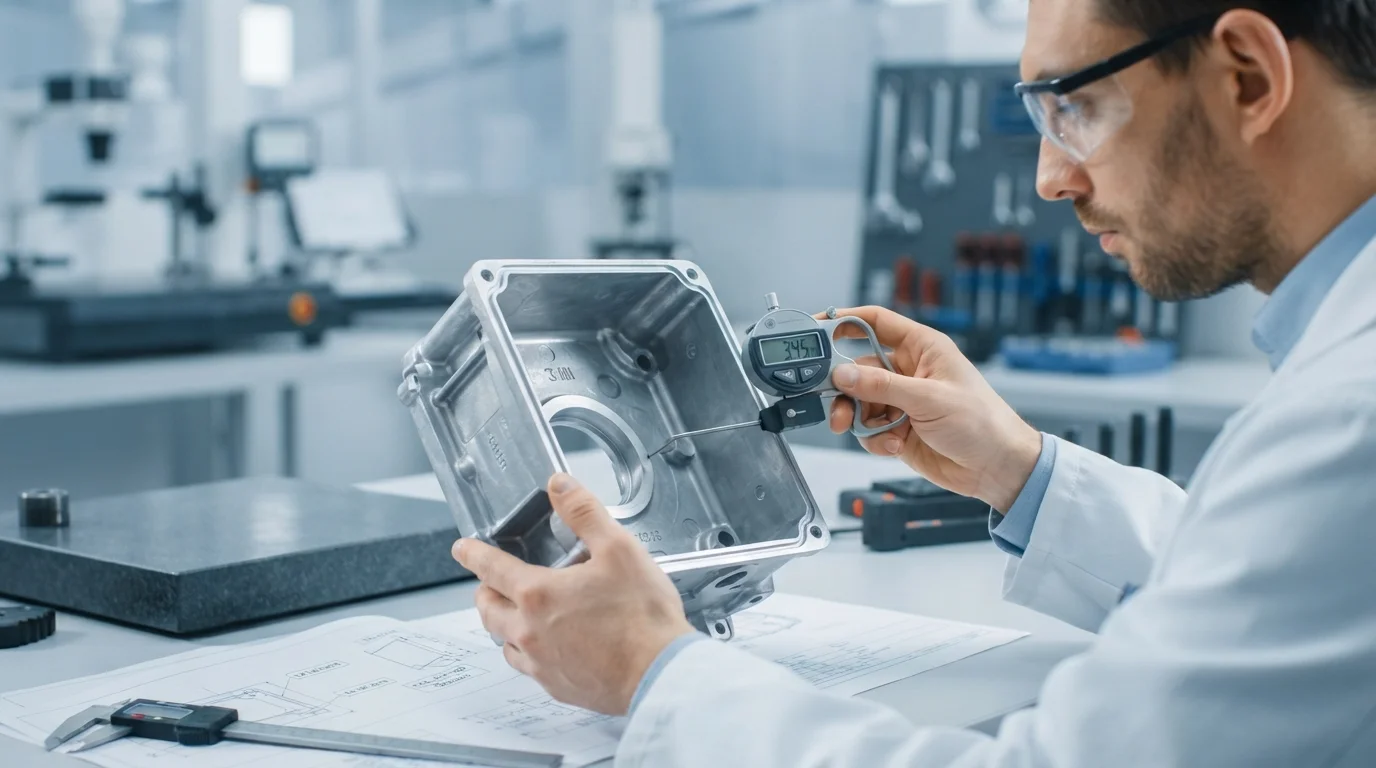
Il nostro team di ingegneri ha compilato soluzioni professionali e concise ai problemi più comuni di qualità e costo affrontati durante le produzioni di colata in pre-produzione:
- Possiamo utilizzare parti standard lavorate a CNC per simulare i progetti di pressofusione?
Sì, assolutamente. Possiamo lavorare prototipi personalizzati direttamente da bilette piene in A380 o ADC12 sui nostri centri a 5 assi, pre-programmando angoli di sformo standard (da 1 a 2 gradi) e angoli interni arrotondati per imitare completamente la geometria del getto. - Cosa causa la porosità nelle colate in gesso personalizzate e come possiamo prevenirla?
Internal porosity occurs when trapped gases or air pockets form during gravity pouring. We eliminate these structural voids by degasifying the molten alloy completely using nitrogen purging, and executing the pour under vacuum to ensure a highly dense metallurgical structure. - Does the material shrinkage rate vary between plaster casting and high-pressure die casting?
Yes, slightly. Due to different mold cooling rates, the physical shrinkage on plaster-cast parts is slower and more uniform than high-pressure die casting. Our toolmakers pre-calculate these specific shrinkage factors during the mold design phase to ensure that your final parts match target CAD tolerances. - How does JUCHENG prevent thickness variations on high-volume rapid prototype aluminum castings orders?
We verify mounting clearances using in-house digital coordinate gauges and run automated probe calibrations on our Zeiss coordinate measuring machines (CMM) before final shipping, ensuring total compliance.

