


Affrettarsi direttamente verso la produzione di massa senza una validazione fisica garantisce un suicidio finanziario assoluto. I fondatori di hardware spesso approvano stampi a iniezione in acciaio da cinquantamila dollari basandosi puramente su simulazioni al computer, solo per scoprire che i loro circuiti stampati collidono fisicamente con i distanziatori di montaggio interni. Realizzare un involucro prototipo neutralizza completamente questo enorme rischio geometrico. Avere un modello fisico tangibile permette al tuo team di ingegneria di verificare le distanze critiche del PCB, testare la tattilità dei pulsanti e dimostrare la logica di assemblaggio prima di sprecare capitali enormi in cavità permanenti in acciaio.
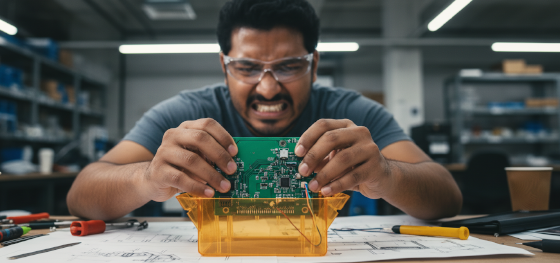
Ottenere finanziamenti di venture capital richiede di presentare un dispositivo impeccabile e completamente funzionale, piuttosto che un concetto grezzo di wireframe. Gli investitori rifiutano violentemente prodotti hardware che sembrano e si sentono come esperimenti da garage a buon mercato. Eseguire una lavorazione CNC di involucri elettronici personalizzati di alta fedeltà fornisce un involucro prototipo iniziale che sembra incredibilmente premium, imitando perfettamente la sensazione tattile dell'hardware commerciale finale.
Navigare la transizione caotica dai primi progetti a lotti pilota scalabili separa le startup di successo dalle campagne Kickstarter fallite. Analizziamo perché specifici metodi di fabbricazione funzionano meglio per diverse fasi di test, come validare i limiti termici di raffreddamento e perché rimanere con un unico produttore chiavi in mano accelera il tuo lancio globale.
contenuto:
Distanze PCB e verifica dell'assemblaggio
Matrice di fabbricazione: stampa vs fusione vs fresatura
Validazione dell'estetica e della termica dell'alluminio solido
Transizione senza soluzione di continuità alla produzione a basso volume
FAQ: Risposte oneste su velocità di iterazione e materiali
Distanze PCB e verifica dell'assemblaggio

Perché le simulazioni al computer non riescono a prevedere i disastri nell'assemblaggio hardware?
Digital software assumes thick wire harnesses bend perfectly and battery packs never swell; physical testing instantly exposes these hidden dimensional interferences that render the final assembly impossible to close.
Squeezing a dense motherboard into a tight physical space requires absolute tolerance certainty. Manufacturing an early physical shell allows technicians to physically route the complex wiring, ensuring external USB ports align flawlessly with the exterior cutouts without scraping the connectors.
Modifying a digital CAD file takes ten minutes and costs nothing. Modifying a hardened H13 steel mold after your prototype enclosure reveals a physical collision costs tens of thousands of dollars and actively delays your product launch by several months.
Matrice di fabbricazione: stampa vs fusione vs fresatura
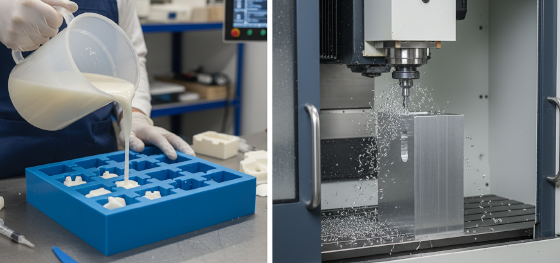
How do engineers match the fabrication method to their specific testing goals?
Teams deploy rapid 3D printing for spatial checks, utilize vacuum casting for low-volume investor presentations, and mandate subtractive milling when testing ultimate structural and thermal limits.
Throwing cheap plastic filament at an initial design validates basic ergonomics overnight. However, standard additive manufacturing produces porous, rough surfaces that look terrible under bright lights and completely fail strict waterproof drop tests during field evaluations.
Pitching to high-net-worth investors requires breathtaking cosmetics. Utilizing colata sottovuoto produces flawless polyurethane copies that perfectly mimic mass-produced consumer plastics. When engineers must validate heavy payload stress, La lavorazione CNC carves unyielding metallic armor directly from solid billets.
Validazione dell'estetica e della termica dell'alluminio solido
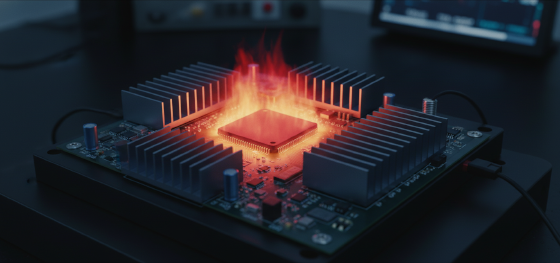
Why must high-wattage computing devices be tested using solid metal models?
Plastics trap destructive heat instantly, making it physically impossible to test the thermodynamic exhaust capabilities required to keep high-performance motherboards from frying during peak loads.
Developing a premium alloggiamento in alluminio per elettronica requires cutting an actual prototype enclosure from aerospace-grade billets during the beta phase. Testing thermal conductivity using inferior plastic substitutes generates dangerously false temperature readings that will ultimately ruin your final product.
Subtractive milling delivers the exact premium tactile heft luxury consumers demand. Raw metallic test units also accept chemical anodizing and powder coating flawlessly, allowing marketing teams to finalize the commercial aesthetic months before committing to massive factory volumes.
Transizione senza soluzione di continuità alla produzione a basso volume

Why does changing suppliers between the testing and production phases cause massive delays?
New factories must completely reprogram their cutting toolpaths and re-evaluate the geometric tolerances from scratch, entirely ignoring the valuable manufacturing data captured during your initial testing phase.
Fragmenting your supply chain introduces terrifying liability gaps. Operating our massive precision manufacturing hub, JC Rapid eliminates this logistical friction by seamlessly moving your validated CAD files directly from the engineering lab into our low-volume production bays.
Stop paying machine setup fees twice for the exact same hardware design. Send your early-stage concepts to our engineering team today for a rigorous DFM analysis. We will cut your initial test units perfectly and scale your commercial rollout without dropping a single day.
FAQ: Risposte oneste su velocità di iterazione e materiali

Does vacuum casting require expensive metal tooling to produce the plastic copies?
No. Liquid polyurethane is poured directly into soft, flexible silicone master molds, completely bypassing the massive NRE costs associated with traditional high-pressure steel injection runs.
Can I use a plastic test model to certify my device for FCC electromagnetic compliance?
Absolutely not. Plastics offer zero electromagnetic shielding. Passing strict federal radiation audits requires testing a fully conductive, precision-milled metallic shell to trap the radio noise properly.
How fast can your engineers deliver a fully CNC milled metal test unit?
Depending on geometric complexity and required surface finishing, our dedicated rapid machining bays routinely deliver fully functional metallic hardware within five to ten business days globally.
Will the final mass-produced parts look identical to the early test models?
Partnering with a turnkey factory ensures absolute visual consistency. We utilize the exact same chemical anodizing and powder coating lines for your beta units as we do for your final retail batches.

