


La validazione di assemblaggi metallici strutturali e portanti richiede un equilibrio meticoloso tra resistenza fisica del materiale, complessità geometrica e budget di produzione dinamici. I team di sviluppo prodotto spesso sottovalutano come l'allineamento dei grani della lega grezza e i tempi di lavorazione alterino il costo finale dei loro componenti metallici. Reperire componenti metallici affidabili richiede la selezione sistematica delle leghe grezze corrette, dei percorsi utensile e delle fasi di controllo qualità prima di tagliare il metallo. Una pianificazione meticolosa del tuo costo di prototipazione rapida in metallo protegge la tua pista di lancio, consentendo alla tua startup di scalare in sicurezza verso mercati commerciali competitivi.
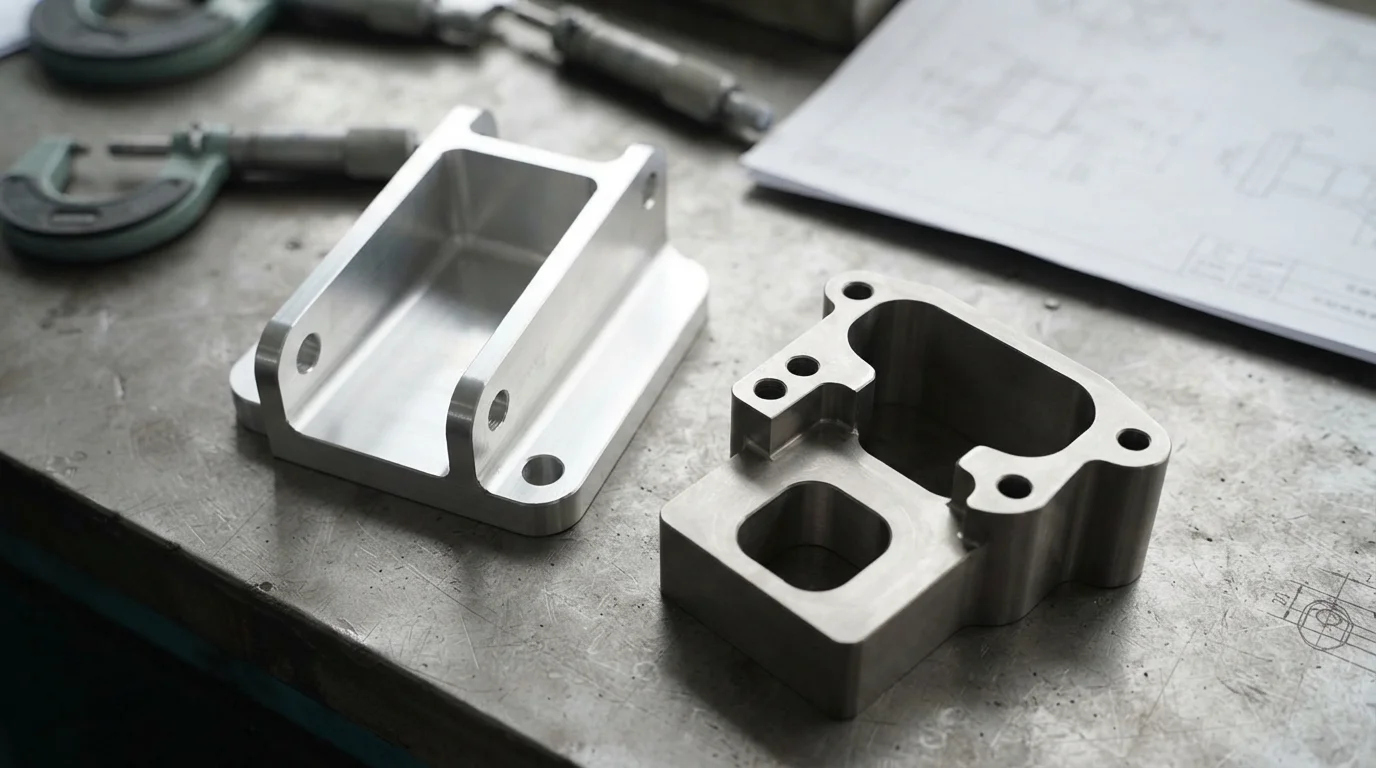
I specialisti di produzione collaborano con i progettisti per valutare linee di separazione, posizioni dei punti di iniezione, angoli di sformo e uniformità delle pareti utilizzando software CAD diagnostici avanzati. Ottenere un feedback tecnico precoce aiuta i progettisti a ottimizzare i loro file per le reali capacità delle macchine utensili, prevenendo costosi cicli di rilavorazione a valle. Reperire le tue copie da un partner con ampie capacità interne ti garantisce di ricevere consigli onesti e convenienti per il tuo specifico programma hardware. Vediamo come ottimizzare le tue geometrie per ridurre le spese in sicurezza mantenendo una qualità ad alta fedeltà.
Indice
1. Economia della lavorazione CNC di alluminio in billetta e acciaio per utensili
2. Spese di sinterizzazione DMLS di titanio e leghe di nichel
3. Budget per fresatura da blocco pieno rispetto a mockup di pressofusione
Economia della lavorazione CNC di alluminio in billetta e acciaio per utensili
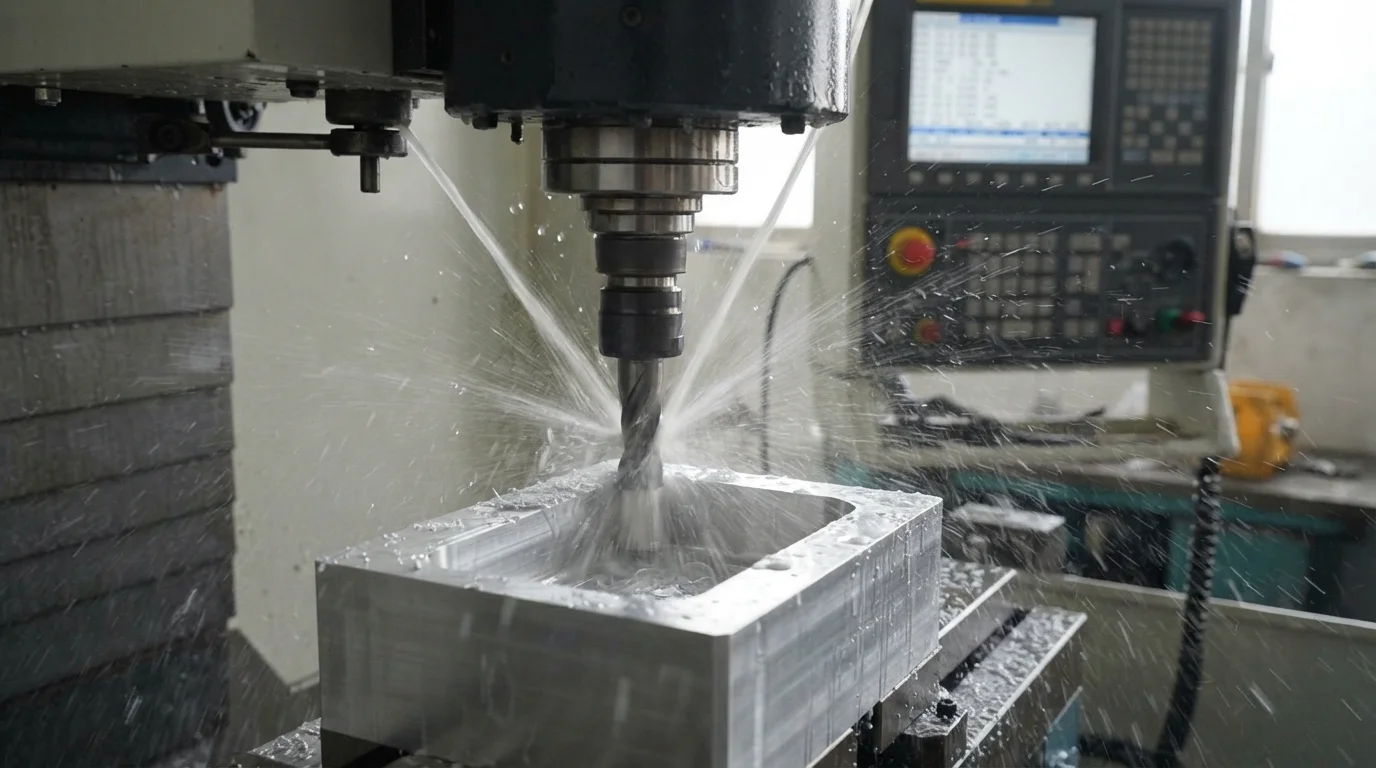
Domanda: Perché l'alluminio è il metallo più conveniente per la prototipazione CNC? L'alluminio è altamente lavorabile, il che significa che i centri di fresatura ad alta velocità possono asportare rapidamente il materiale grezzo con una minima usura del mandrino.
La selezione dei metalli grezzi influenza direttamente le ore macchina attive, il tempo di programmazione G-code e l'usura degli utensili da taglio. Le leghe standard Alluminio come Al6061-T6 tagliano incredibilmente velocemente, consentendo ai mandrini CNC ad alta velocità di asportare rapidamente ed efficientemente il materiale grezzo. Materiali più duri come Acciaio per utensili (H13 o P20) richiedono velocità del mandrino più lente e morse di serraggio rigide, il che aumenta direttamente il tempo totale di lavorazione. Padroneggiare le linee guida geometriche riduce significativamente il rcosto di prototipazione rapida mantenendo al minimo le ore macchina.
La lavorazione sottrattiva da billettoni di metallo massiccio preserva le strutture granulari autentiche del metallo, eliminando i difetti di porosità interna inerenti alla fusione o sinterizzazione del metallo. I componenti finiti tagliati sulla nostra piattaforma CNC subiscono anodizzazione chimica passiva o sabbiatura per migliorare la resistenza alla corrosione. L'approvvigionamento di billettoni metallici di alta qualità protegge il tuo budget di sviluppo dai sovrapprezzi dei materiali. I progetti di componenti simmetrici semplificano i dispositivi di fissaggio, riducendo drasticamente le ore di manodopera per l'impostazione iniziale.
Spese di sinterizzazione DMLS per titanio e leghe di nichel
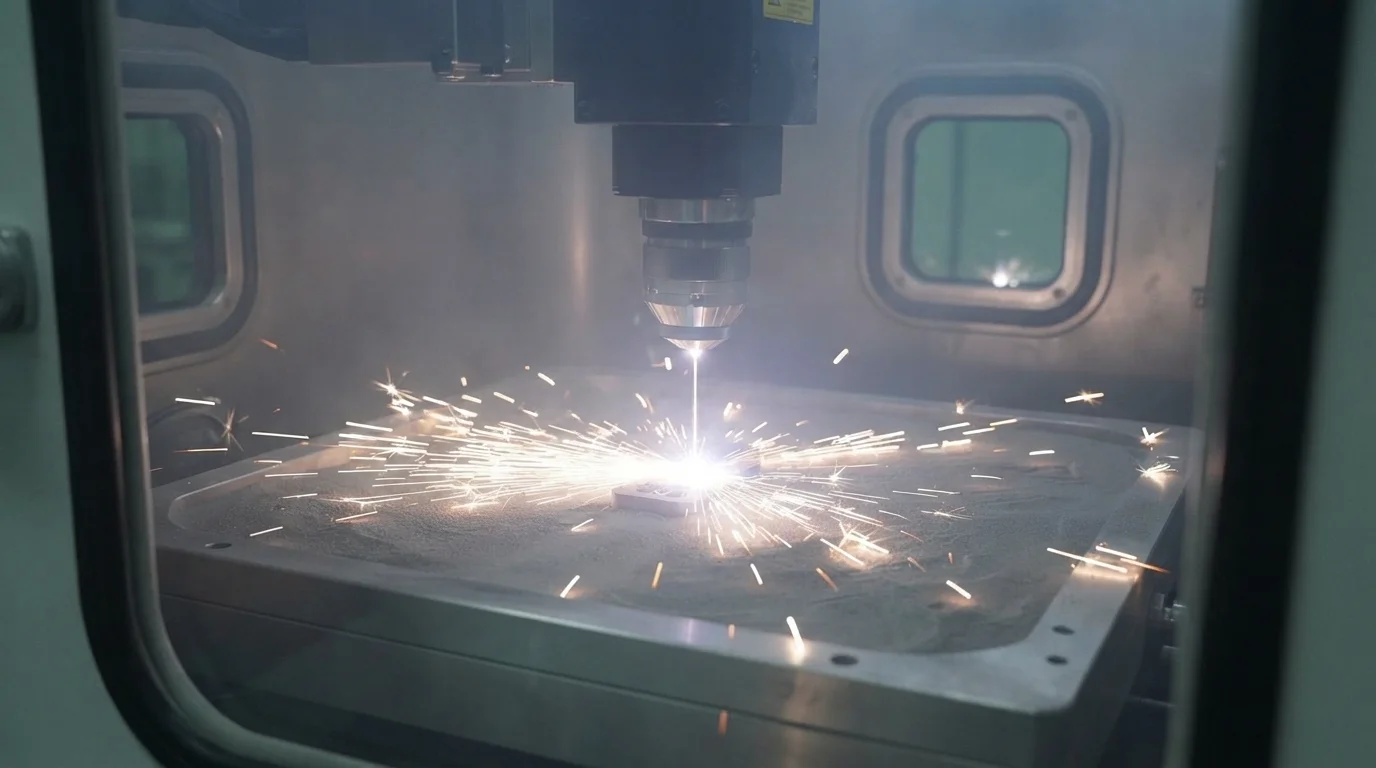
Domanda: Perché la stampa 3D in metallo è significativamente più costosa della fresatura CNC? La sinterizzazione laser diretta di metalli (DMLS) utilizza polveri costose di titanio o leghe di nichel, richiede laser a fibra ad alta potenza e necessita di finitura CNC o EDM a filo post-stampa.
La sinterizzazione di staffe aerospaziali strutturali o impianti medici biocompatibili da polveri metalliche grezze rappresenta l'estremità premium della produzione additiva. L'approvvigionamento Titanio di polveri di grado 5 o Inconel comporta costi di materia prima estremamente elevati rispetto ai billettoni di alluminio massiccio. I laser a fibra ad alta potenza richiedono velocità di scansione lente e altamente controllate all'interno di camere di gas argon inerte per prevenire l'ossidazione delle polveri. Le alte temperature di lavorazione creano forti tensioni residue interne, rendendo obbligatori i trattamenti di distensione termica post-saldatura.
Le parti metalliche stampate richiedono operazioni secondarie Servizio di lavorazione CNC o EDM a filo per separare il pezzo dalla piastra di costruzione in acciaio. Le fasi di post-elaborazione specializzate aggiungono tempi di configurazione della macchina e ore di manodopera significativi al costo complessivo della prototipazione rapida in metallo. Richiedere revisioni di produzione anticipate ti aiuta a decidere se la fresatura CNC da blocchi di metallo massiccio è un'alternativa molto più economica. Le configurazioni di componenti simmetrici semplificano i dispositivi di fissaggio, riducendo drasticamente le ore di manodopera per l'impostazione iniziale.
La selezione del metallo strutturale corretto comporta il bilanciamento delle proprietà fisiche grezze con i tempi di fresatura complessivi e l'usura degli utensili. Questa tabella di confronto tecnico evidenzia i comportamenti di costo di base tra i metodi standard di fabbricazione rapida:
| Metodo di Fabbricazione | Costo di avvio | Fattore di scarto materiale | Volume ottimale per risparmio |
|---|---|---|---|
| Stampa 3D (DMLS) | Molto alto (ore laser) | Minimo (polvere riciclabile) | Da 1 a 5 unità (forme complesse) |
| Lavorazione CNC | Alta (programmazione manuale) | Alto (fino a 80% di billetta di scarto) | Da 5 a 100 unità (forme semplici) |
| Pressofusione | Estremo (ore di anima dello stampo) | Minimo (canali riciclabili) | Oltre 1.000 unità (scala di volume) |
Fresatura di blocchi pieni vs. budget per mockup di pressofusione
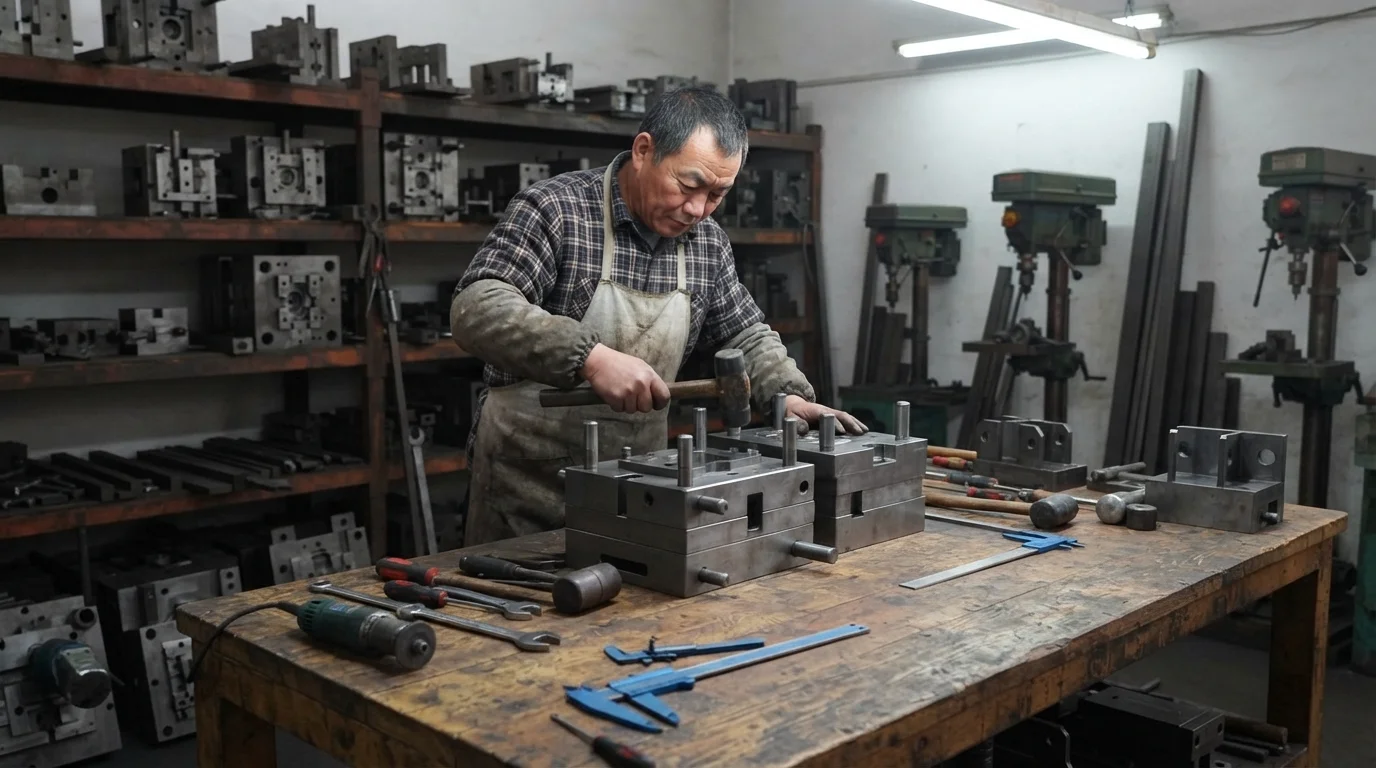
Domanda: La fresatura CNC di blocchi pieni può sostituire la costosa pressofusione per i test sui prototipi? Tagliare billette piene da acciaio legato di alta qualità replica il comportamento meccanico denso delle parti pressofuse a basso costo, evitando le spese iniziali per gli stampi.
Investire in anime di acciaio per utensili ad alto volume per una Servizio di pressofusione richiede mesi di tempo di fabbricazione e ingenti investimenti di capitale. La fresatura CNC di blocchi pieni rappresenta un'eccezionale alternativa, producendo componenti metallici ad alta fedeltà senza pagare costose spese iniziali per gli stampi. L'approvvigionamento di fusioni in alluminio o Acciaio Inossidabile direttamente da blocchi pieni è una tecnica distintiva utilizzata per simulare le prestazioni delle parti pressofuse. L'unione precisa di file CAD grezzi consente ai costruttori di stampi esperti di analizzare manualmente linee di separazione, limiti di sformo e offset del canale di colata.
Jucheng Precision supporta i gruppi di meccatronica offrendo opzioni di fabbricazione metallica altamente ottimizzate e convenienti che si allineano a budget ristretti. L'approvvigionamento delle nostre revisioni DFM esperte aiuta i gruppi di prodotto a ottimizzare i posizionamenti dei canali di colata, le linee di separazione e i profili di sformo prima di tagliare il metallo. L'utilizzo di configurazioni di fresatura multiasse ad alta efficienza garantisce di fornire consigli completamente onesti e pratici per ridurre il costo della prototipazione rapida dei metalli. L'approvvigionamento di componenti completamente validati e di grado produttivo entro 4-15 giorni consente ai gruppi di meccatronica di accelerare in sicurezza i programmi di sviluppo.
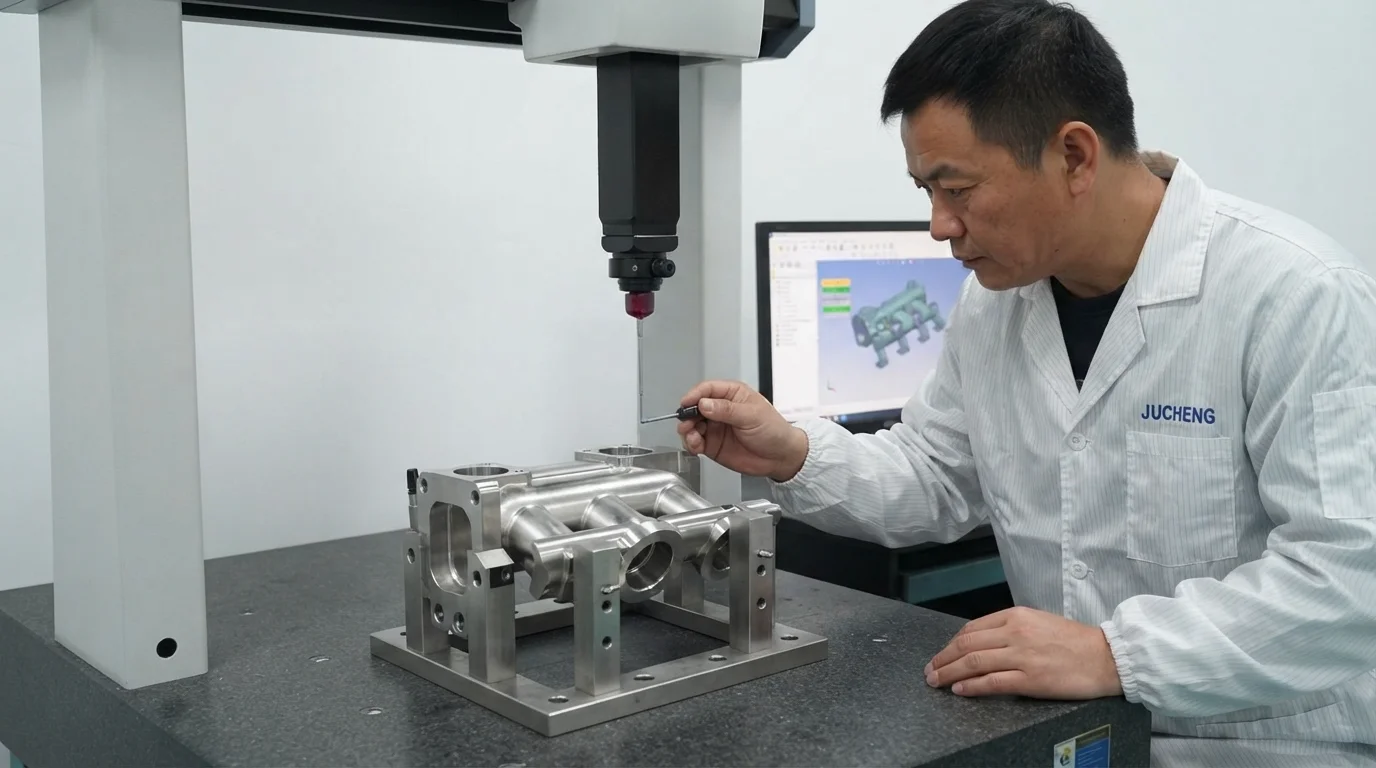
Collaborare con un produttore certificato ti aiuta a gestire la transizione dai primi mockup visivi alla produzione ponte a basso volume senza intoppi. Richiedere preventivi manualmente garantisce che ingegneri esperti analizzino i tuoi file 3D STEP per trovare ulteriori modi di risparmiare denaro sulla prototipazione rapida in metallo. I componenti funzionali vengono sottoposti a rigorosi controlli metrologici a coordinate per confermare la conformità dimensionale esatta. Sourcing di prototipi di alta qualità garantisce che i tuoi progetti siano realizzati per resistere a forze dinamiche severe in modo sicuro.
Domande Frequenti (FAQ)
Come posso minimizzare i costi del billet di materia prima per i miei prototipi CNC?
Selezionare blocchi grezzi di dimensioni vicine a quelle del pezzo finito rappresenta il modo più semplice per ridurre al minimo lo spreco di materiale e tagliare i costi del billet. Sourcing di diametri di barre standard, pronti all'uso, evita la necessità di configurazioni personalizzate di squadratura del billet, risparmiando preziose ore di lavoro. Sourcing di revisioni DFM anticipate garantisce che il tuo layout CAD rientri nelle dimensioni standard del materiale prima dell'inizio della lavorazione.
La stampa 3D in metallo è significativamente più costosa della fresatura CNC?
La sinterizzazione laser diretta di metallo (DMLS) rappresenta una tecnologia specializzata Servizio di stampa 3D che in genere costa fino a cinque volte di più della fresatura CNC per staffe in alluminio. La stampa 3D in metallo richiede polveri costose di grado aerospaziale e ore continue di scansione laser, costando diverse volte di più della fresatura sottrattiva. Sourcing delle nostre revisioni esperte ti aiuta a scegliere il processo metallico più conveniente per il tuo specifico programma hardware.
In che modo le tolleranze strette influiscono sui costi di lavorazione dei metalli?
Richiedere tolleranze strette fino a ±0,01 mm richiede passate di finitura lente della macchina e controlli di calibrazione costanti, aumentando il tempo macchina attivo. Sourcing di revisioni anticipate Servizio di prototipazione garantisce che le dimensioni non critiche vengano allargate per prevenire ore di lavorazione non necessarie. Sourcing di rapporti dettagliati di ispezione dimensionale aggiunge ore di lavoro di controllo qualità al tuo progetto complessivo.

