


Choosing the wrong metal for stamping instantly destroys million-dollar hard tooling. Crushing a thick alloy sheet between heavy steel plates generates terrifying kinetic energy that cannot be ignored. Failing to calculate exact material elongation properties before running the press guarantees your entire production batch will suffer catastrophic physical tearing.
Procurement executives frequently underestimate the raw physics required to permanently bend rigid sheets into complex functional geometries. Executing high-volume manufacturing requires masterfully balancing raw material cost against brutal progressive tool wear. Selecting an overly abrasive alloy severely damages your delicate punch matrix, bringing the entire assembly line to a grinding halt.

Managing severe progressive die amortization dictates your ultimate hardware financial survival. Spending eighty thousand dollars on a complex interlocking steel tool absolutely demands using an alloy that flows seamlessly under massive pressure. Specifying cheap, highly stressed base metals simply to save a few pennies per kilogram is financial suicide for hardware startups.
Operating deep inside the Shenzhen precision manufacturing hub equips our veteran engineers with absolute metallurgical authority. We forcefully compel hardware designers to respect structural elongation limits before cutting any expensive P20 steel. Interrogating the physical chemistry of the raw coil completely neutralizes terrifying factory disasters before the machinery ever powers on.
contenuto:
Conquering Aggressive Springback Compensation
Surviving Violent Yield Strength Failure
Defeating Friction and Severe Tool Galling
JUCHENG Hub: Dominating Heavy Press Operations
Domande frequenti: fisica della lamiera
Conquering Aggressive Springback Compensation

Un pezzo di lamiera permanentemente piegato rimane naturalmente esattamente dove la macchina lo ha pressato?
Raramente. Piegare leghe rigide induce un'enorme tensione cinetica interna, causando il ritorno elastico fisico della flangia metallica non appena la pressa pesante rilascia la pressione di serraggio.
Per sconfiggere questa memoria fisica altamente distruttiva sono necessari intensi algoritmi di compensazione del ritorno elastico. Gli utensilisti devono deliberatamente piegare eccessivamente il materiale grezzo di alcuni gradi precisi durante la corsa effettiva. Rilasciare la pressione idraulica consente al metallo di rilassarsi naturalmente esattamente nella tolleranza dimensionale perfetta di novanta gradi richiesta dal progetto.
Specificare acciaio al carbonio acciaio inossidabile amplifica drammaticamente questo terrificante rimbalzo geometrico. I materiali più duri combattono aggressivamente lo stampo di formatura, rendendo estremamente difficile ottenere una precisione angolare stretta su grandi volumi di produzione. Gli ingegneri devono testare meticolosamente diverse tempra delle bobine per trovare il punto dolce esatto tra rigidità strutturale e comportamento di piegatura prevedibile.
Progettare parti complesse di telai automobilistici interbloccati richiede un controllo matematico assoluto su questo fenomeno. Se il metallo rimbalza indietro anche solo mezzo grado fuori specifica, l'intera linea di saldatura robotizzata automatizzata fallirà violentemente nell'allineare i componenti di accoppiamento. Catturare questa deriva dimensionale richiede stazioni di ispezione laser completamente automatizzate posizionate subito dopo l'operazione di pressatura.
Surviving Violent Yield Strength Failure
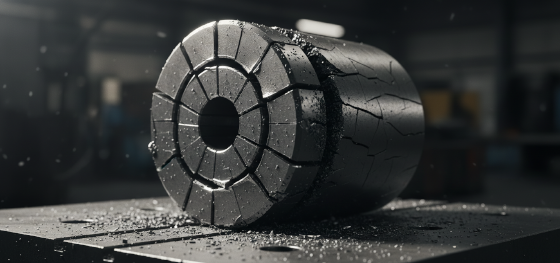
Aumentare la tonnellata idraulica può forzare magicamente un metallo fragile a stirarsi in una forma complessa e profonda?
Assolutamente no. Spingere una lega oltre il suo limite fisico ultimo causa semplicemente lacerazioni e fratture violente, rovinando completamente il pezzo e potenzialmente distruggendo l'intero stampo punzone costoso.
Sperimentare un cedimento per carico di snervamento sul pavimento della fabbrica ferma istantaneamente le linee di assemblaggio. Forzare un grezzo metallico piatto in una coppa cilindrica massiccia richiede che le molecole interne si stirino e scivolino senza soluzione di continuità. Selezionare un metallo per stampaggio che manca di proprietà di allungamento adeguate risulta semplicemente in fondi esplosi e bordi gravemente frastagliati e taglienti come rasoi.
Valutare dati metallurgici specifici previene completamente questi disastri di fabbricazione violenti. Gli ingegneri devono esaminare attivamente i limiti di trazione esatti e le percentuali di allungamento prima di finalizzare il progetto strutturale. Utilizzare gradi di lega di alluminio più morbidi consente intrinsecamente operazioni di imbutitura molto più profonde, ma sacrifica pesantemente la resistenza all'impatto ultima dell'involucro finale.
| Grado di lega per lamiera | Allungamento e formabilità | Fattore di usura dell'attrezzatura | Ideal Factory Application |
|---|---|---|---|
| Acciaio laminato a freddo (SPCC) | Excellent (High stretch) | Moderate (Industry baseline) | Automotive body panels and heavy brackets |
| Aluminum Alloy 5052 | Good (Prone to tearing if pushed) | Low (Gentle on steel punches) | Lightweight electronics enclosures |
| Acciaio Inossidabile 304 | Moderate (Requires massive tonnage) | Severe (Causes heavy die friction) | Medical trays and corrosive environments |
| Bronzo fosforoso | Excellent (Perfect for tight bends) | Basso | Complex electrical battery contacts |
Defeating Friction and Severe Tool Galling

Why do perfectly smooth metallic parts suddenly emerge from the machine covered in deep, ugly scratches?
Extreme kinetic friction causes microscopic particles of the sheet metal to literally cold-weld themselves onto the steel tool, heavily gouging every subsequent part that passes through the press.
Preventing severe tool galling demands highly specialized industrial lubrication and flawless metal for stamping selection. Deep drawing operations generate massive localized thermal heat as the molecules violently shift. Flooding the pressing zone with heavy synthetic stamping fluids prevents the soft metal from violently fusing to the hardened steel punch.
Slashing unpredictable manual labor costs requires parts to drop out of the machine completely flawless. Relying on tedious secondary manual polishing to desperately fix galled, scratched surfaces instantly destroys your operational profit margin. Toolmakers must highly polish the internal die surfaces to a flawless mirror finish to guarantee material flows without dragging.
Selecting pre-lubricated or specifically coated metal coils prevents this dangerous friction from initiating. Zinc-galvanized sheets naturally provide a microscopic layer of lubricity that actively protects the tooling matrix. Procurement teams must calculate the slightly higher cost of coated coils directly against the massive savings generated by eliminating tooling maintenance shutdowns.
JUCHENG Hub: Dominating Heavy Press Operations
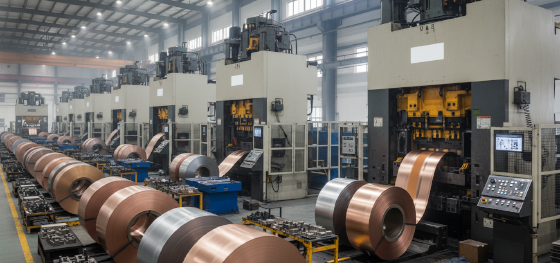
Why do aggressive hardware startups prefer vertically integrated factories for heavy metal forming?
Because resolving complex metallurgical tearing issues requires immediate, localized collaboration between the tooling engineers cutting the steel dies and the press operators physically running the coils.
Partnering with highly experienced veterans prevents massive tooling budgets from vaporizing overnight. Jucheng Precision executes uncompromising Design for Manufacturability (DFM) audits instantly upon receiving your digital CAD files. We aggressively identify impossible corner radii and dangerous draw depths that mathematically guarantee yield strength failure.
Running fully automated progressive stamping lines allows our facility to produce millions of flawless metallic components rapidly. Protecting your progressive die amortization remains our absolute top priority. We refuse to feed inappropriate, abrasive raw materials into our high-speed presses, guaranteeing your global supply chain runs continuously without terrifying dimension failures.
Domande frequenti: fisica della lamiera

Can precise thermal heat treatment reverse the dangerous hardening caused by heavy mechanical forming?
Yes. Violently bending metal causes severe work-hardening, making the localized area incredibly brittle. Utilizing specialized industrial annealing ovens safely relaxes the internal crystalline structure, restoring vital flexibility before executing further deep forming operations.
Does designing a larger internal bend radius physically prevent the raw sheet metal from cracking?
Absolutely. Forcing thick alloy plates into infinitely sharp ninety-degree corners aggressively stretches the outer edge of the metal beyond its physical tearing point. Increasing the bend radius distributes the extreme mechanical tension across a much wider surface area, safely preventing surface fractures.
Why does the grain direction of the raw metal coil matter during the forming process?
Rolling metal coils at the mill aligns the internal crystalline molecules perfectly into long, continuous directional grains. Bending the metal perfectly parallel to these long grains acts exactly like splitting firewood, practically guaranteeing the structural flange will snap cleanly in half under pressure.

