


L'ottone, una lega composta principalmente da rame e zinco, è stato per secoli una pietra miliare nella produzione grazie alla sua eccezionale lavorabilità, resistenza alla corrosione e appeal estetico. Industrie che vanno dall'aerospaziale all'idraulica si affidano all'ottone per componenti che richiedono durata, conducibilità elettrica e dimensioni precise. Questo articolo approfondisce le varie tecniche utilizzate nella lavorazione dell'ottone, inclusi i metodi di lavorazione e fusione, per aiutare ingegneri e produttori a selezionare l'approccio ottimale per i loro progetti. Esploreremo processi chiave come la lavorazione dell'ottone, la fresatura CNC dell'ottone e la fusione dell'ottone, evidenziando i vantaggi e le applicazioni delle parti lavorate in ottone, delle parti tornite CNC in ottone e dei metodi tradizionali come la fusione in sabbia dell'ottone. Comprendendo questi metodi, le aziende possono migliorare l'efficienza, ridurre i costi e produrre componenti in ottone di alta qualità che soddisfano rigorosi standard di settore.
contenuto:
Cos'è l'ottone e perché lo usiamo?
Intagliare l'ottone con le macchine
Robot intagliatori: fresatura CNC dell'ottone
Cose interessanti fatte con ottone intagliato
Tornitura e formatura: parti tornite in ottone
Modellare l'ottone con gli stampi
Colata di metallo liquido: fusione dell'ottone
Il metodo tradizionale: fusione in sabbia
Cos'è l'ottone e perché lo usiamo?
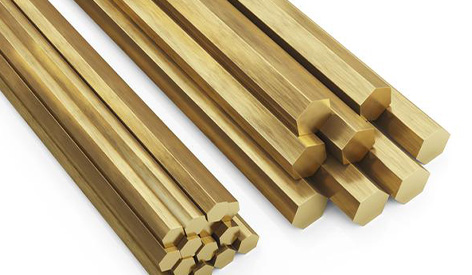
Immagina un metallo facile da tagliare e modellare, ma comunque molto resistente. Questo è ottone! Modificando la quantità di rame e zinco nella miscela, possiamo ottenere ottone morbido e flessibile o duro e resistente. È anche un super conduttore di elettricità e calore, motivo per cui viene utilizzato in prese e radiatori. Soprattutto, combatte i germi da solo, rendendolo perfetto per cose come maniglie delle porte in scuole e ospedali. Poiché è così utile, le persone hanno inventato molti modi intelligenti per costruire con esso.
Intagliare l'ottone con le macchine
La lavorazione dell'ottone è un modo elegante per dire che stiamo intagliando un blocco solido di ottone in una forma specifica. Pensalo come usare una versione super potente e precisa di uno strumento per intagliare il legno. La macchina fa ruotare un utensile da taglio affilato molto velocemente e rimuove con cura piccoli pezzi di ottone fino a formare il pezzo desiderato.
La cosa interessante dell'ottone è che è abbastanza morbido da essere tagliato facilmente senza consumare troppo l'utensile. Viene via in piccoli trucioli arricciati, quasi come trucioli di matita affilati. È così che produciamo parti precise per automobili, strumenti musicali come trombe e piccoli componenti all'interno di dispositivi elettronici.
Robot intagliatori: fresatura CNC dell'ottone
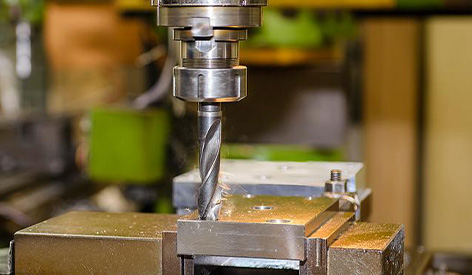
Ora parliamo di robot! La fresatura CNC dell'ottone è quando usiamo un computer per controllare la macchina di intaglio. Prima, un ingegnere progetta il pezzo su un computer. Poi, il computer dice alla macchina esattamente come muoversi e tagliare.
It's like a robot artist that can make incredibly detailed and complex shapes. The machine can move the cutting tool up, down, and sideways to create slots, holes, and curved surfaces. This method is perfect for making lots of identical parts very quickly and perfectly, such as special brackets for airplanes or unique pieces for a video game controller.
Cose interessanti fatte con ottone intagliato
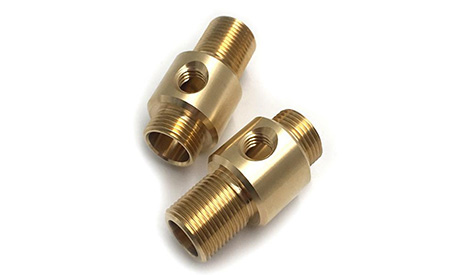
The parts made by these carving machines are called brass machined parts. You can find them everywhere! They are the connectors that help electricity flow in your home's wiring, the strong and non-rusting fittings on boats, and the tiny screws that hold things together. Because brass is so easy to work with, making these parts is fast and doesn't cost too much, which is great for builders and engineers.
Tornitura e formatura: parti tornite in ottone
Another way to shape brass is by spinning it. For brass CNC turned parts, a computer-controlled machine called a lathe spins a piece of brass really fast. Then, a sharp tool is pressed against it to shave it down into a round shape.
This is the best way to make things that are round and symmetrical, like screws, metal pens, or small pipes. Because a computer is in control, every single piece comes out exactly the same, which is super important for things that need to fit together perfectly, like parts for a bicycle or a medical device.
Modellare l'ottone con gli stampi
But what if you want to make a shape that's really complicated, like a statue of a lion or a fancy Christmas ornament? Carving it from a solid block would be too hard. That's where brass casting molds come in!
A mold is like a hollow container in the shape you want. You pour liquid brass into it, let it cool down and become solid, and then you open the mold to get your part. Some molds, made of strong metal, can be used over and over again. Others, made from special sand or plaster, are broken apart after one use to reveal the beautiful brass object inside.
Colata di metallo liquido: fusione dell'ottone
Brass metal casting is the amazing process of melting solid brass until it becomes a glowing, hot liquid and then pouring it into a mold. It's like making a chocolate statue by pouring melted chocolate into a mold, but much, much hotter!
There are different ways to do this. Sometimes, the liquid metal is forced into the mold under high pressure to make very detailed parts. Other times, a wax model is used to create a one-time-only mold for a super detailed piece, like a piece of jewelry. This method lets us create big or intricate shapes that would be almost impossible to carve.
Il metodo tradizionale: fusione in sabbia
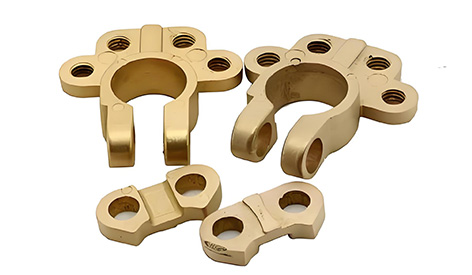
One of the oldest and simplest types of casting is sand casting brass. Imagine making a sandcastle at the beach, but instead of a castle shape, you press an object into the sand to leave a perfect imprint. That's the basic idea!
A pattern (a model of the object) is packed into special sand to create its shape. The pattern is removed, leaving a hollow space. Then, molten brass is poured into that sand mold. After it cools, the sand is broken away, and there's your brass object! This is a great way to make single, large, or unique items without needing expensive, permanent molds.
So, as you can see, there are many awesome ways to turn simple brass into the amazing things we use every day. We can machine and mill it with super-precise tools, turn it on spinning machines, or cast it by pouring it as a liquid into molds. Whether it's a tiny, precise brass CNC turned part for a robot or a large, decorative piece made through sand casting brass, this golden metal helps build our world. Maybe the next time you turn a doorknob or play a instrument, you'll remember the cool science and engineering that went into making it!

