


Progettare mockup hardware personalizzati spesso spinge i team di sviluppo prodotto a specificare tolleranze estreme e finiture ultra-lisce che non hanno alcun impatto sulle prestazioni funzionali. Ogni micro-pollice di precisione non necessaria e ogni ora di lucidatura manuale aggiunge premi elevati al tuo bilancio, superando i budget di sviluppo ristretti. Imparare come ridurre i costi degli stampaggi rapidi durante le prime iterazioni CAD richiede una strategia di produzione equilibrata che abbini i tuoi obiettivi di validazione immediati con il processo di fabbricazione più conveniente. Eliminare le caratteristiche eccessivamente progettate in anticipo assicura di ottenere parti strutturalmente solide senza pagare più del dovuto per dettagli estetici.
Indice
1. Eliminare le Sottosquadri per Evitare Costosi Scorrevoli e Alzate
2. Inserti Caricati a Mano e Regolazioni della Finitura Superficiale
3. Standardizzare lo Spessore delle Pareti e Ottimizzazione DFM Anticipata
Eliminare le Sottosquadri per Evitare Costosi Scorrevoli e Alzate
Domanda: Perché le sottosquadri aumentano i budget degli stampi? Le sottosquadri richiedono meccanismi scorrevoli mobili o alzate idrauliche all'interno dello stampo, aggiungendo migliaia di dollari in lavorazione e manodopera di montaggio.
Sottosquadri interne intricate e fori laterali richiedono meccanismi mobili complessi che aumentano le spese iniziali di fabbricazione dello stampo. Trovare un Servizio di attrezzaggio rapido utilizzando anime in alluminio o acciaio dolce fornisce componenti stampati a iniezione genuini da resine di grado produzione entro poche settimane. Tagliare con precisione i file CAD consente ai costruttori di stampi esperti di analizzare linee di divisione, angoli di sformo e spessori delle pareti utilizzando software avanzati di simulazione del flusso di stampo. Eliminare i meccanismi scorrevoli non necessari protegge le chiusure in alluminio dolce dall'usura prematura, mantenendo il tuo costi per stampaggio rapido ben entro i limiti target.
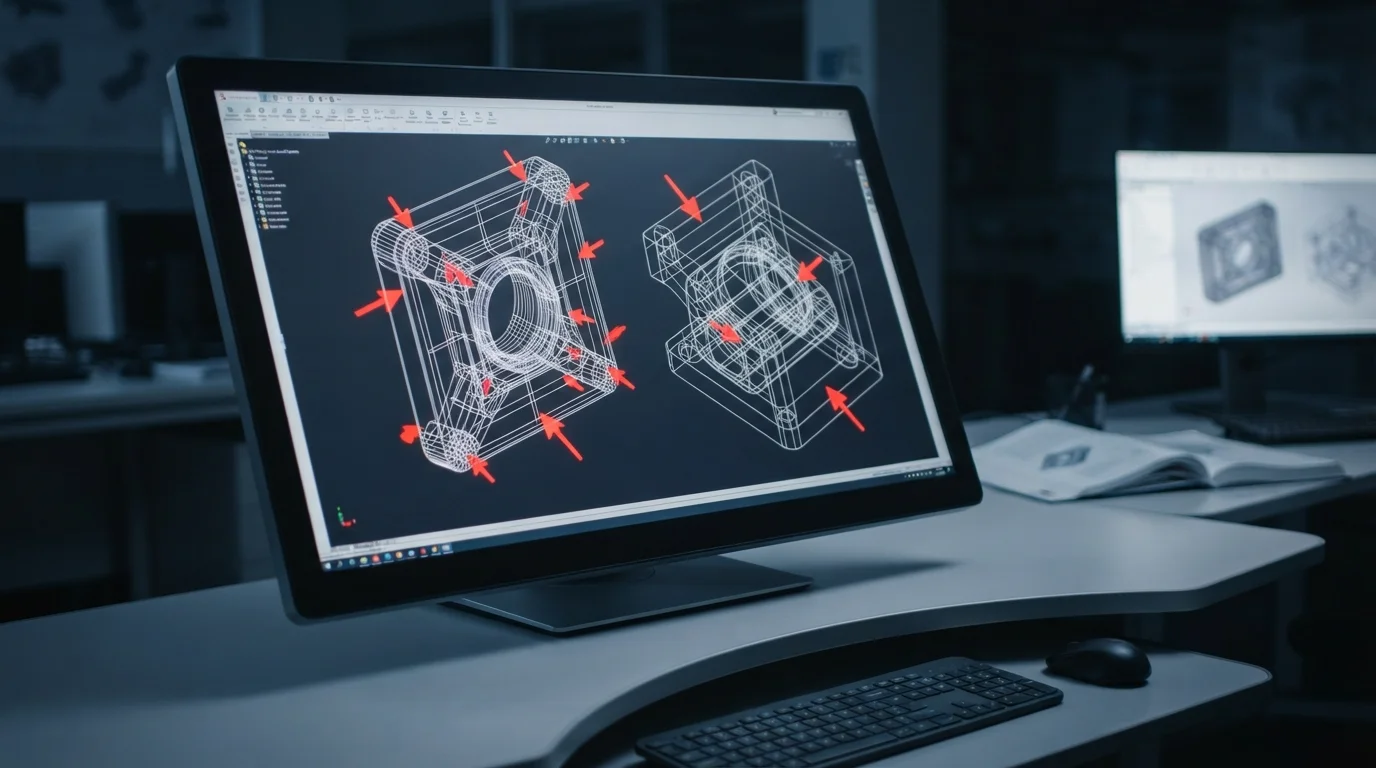
Riprogettare le geometrie delle parti per bypassare le sottosquadri rappresenta la strategia DFM più efficace per mantenere bassi i costi degli stampaggi rapidi. I principali metodi di modifica CAD per eliminare gli scorrevoli includono:
- Chiusure passanti—Posizionare un ritaglio sotto le linguette a scatto interne consente alle metà opposte dello stampo di formare i ganci senza parti mobili
- Spostamento della linea di divisione—Spostare il punto in cui le metà dello stampo si incontrano trasforma i sottosquadri esterni in geometrie a sformo diretto
- Inserti allentati caricati a mano—Inserire manualmente perni in acciaio allentati prima di ogni ciclo bypassa $5.000 azioni laterali idrauliche
Inserti caricati a mano e regolazioni della finitura superficiale
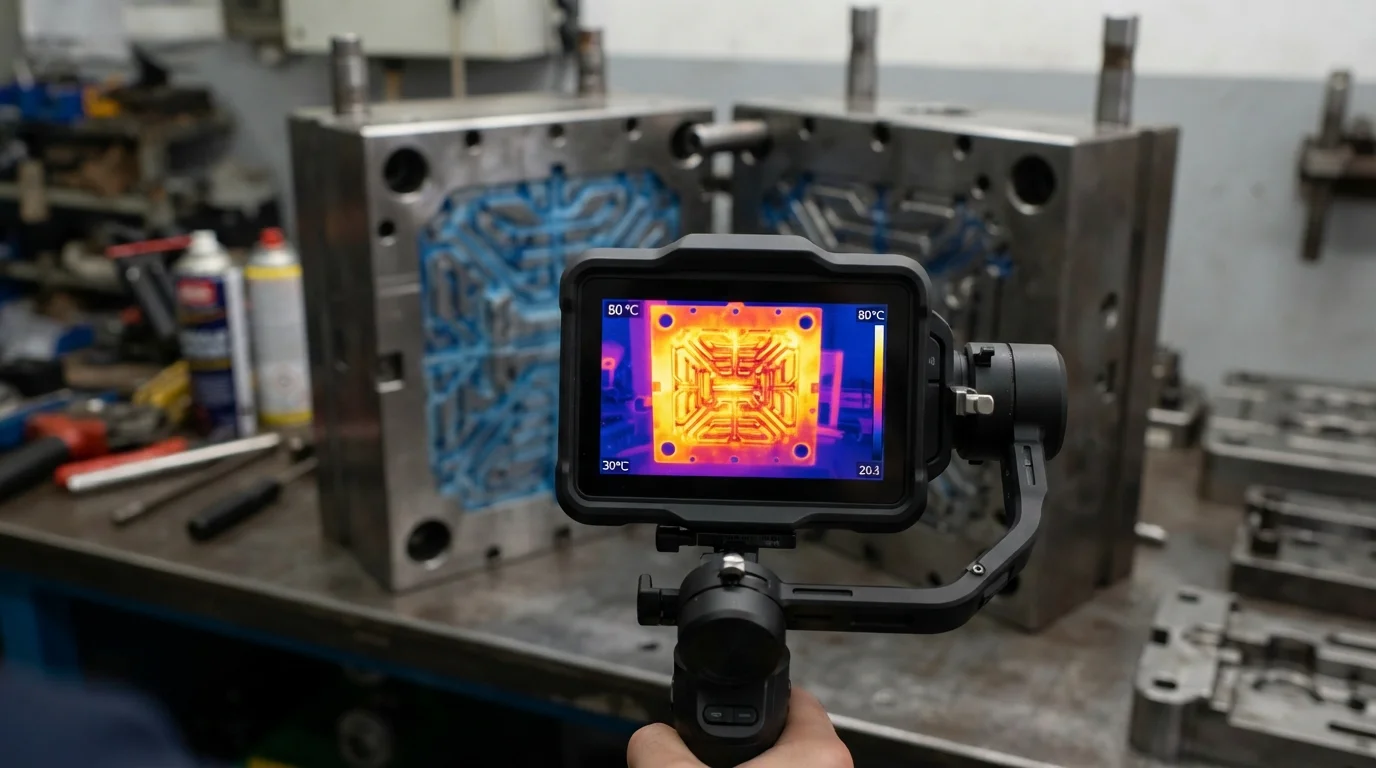
Domanda: In che modo le specifiche di finitura superficiale influenzano il prezzo dello stampo a iniezione? Specificare una lucidatura ottica ad alta brillantezza richiede ore intensive di levigatura manuale, mentre le finiture come da lavorazione o sabbiate mantengono bassi i costi di manodopera.
L'applicazione di Finiture superficiali alle cavità del nucleo influenza significativamente i costi di manodopera manuale. La lucidatura a diamante ad alta brillantezza SPI-A1 richiede decine di ore di lucidatura manuale specializzata, raddoppiando le spese di finitura. Specificare finiture standard sabbiate o grezze da lavorazione per le caratteristiche strutturali interne mantiene al minimo la manodopera di lucidatura. Comprendere come ridurre i costi di utensileria rapida durante le prime revisioni delle specifiche aiuta i team di ingegneria ad allocare i fondi di finitura solo alle superfici visibili di presentazione.
L'approvvigionamento di parti funzionali stampate da plastiche ingegneristiche solide come ABS, Nylon (PA), o Policarbonato (PC) fornisce un comportamento autentico del materiale sotto carico dinamico. L'approvvigionamento di cavità in metallo tenero realizzate in AL7075 Alluminio o P20 Acciaio per utensili abbassa le spese di acquisto della billetta grezza. Questa tabella comparativa tecnica delinea i comportamenti di costo di base tra diverse scelte DFM:
| Variabile di progettazione | Pratica di progettazione costosa | Alternativa di risparmio sui costi | Vantaggio finanziario principale |
|---|---|---|---|
| Caratteristiche laterali | Slider idraulici automatici ($3.000+) | Chiusure passanti o inserti caricati a mano | Eliminates complex moving mold components |
| Cavity Finish | SPI-A1 mirror diamond polish | As-machined or light bead blasting | Saves up to 40% on manual toolroom labor |
| Wall Structure | Thick, variable solid blocks | Uniform walls (1.5–3.0 mm) with 60% ribs | Shortens cooling cycle times, prevents warpage |
Standardizing Wall Thickness and Early DFM Optimization
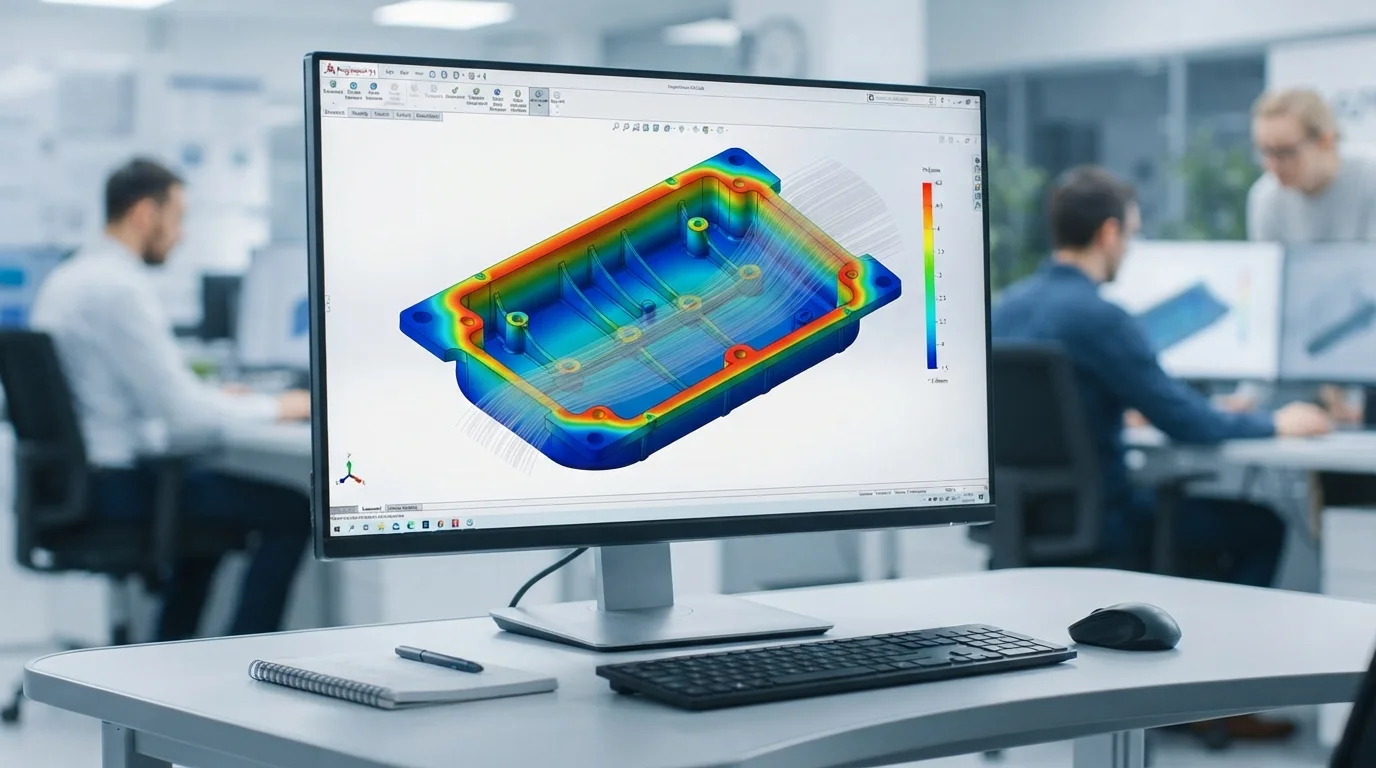
Maintaining uniform wall thickness represents the golden rule of plastic engineering, preventing uneven cooling rates that cause post-mold warpage. Thick plastic bosses or solid ribs cool slower than adjacent thin walls, creating internal vacuum stresses that pull exterior skin inward. Incorporating reinforcing ribs with a thickness of 60 percent of the main wall provides structural stiffness without causing visible sink marks. Sourcing early dimensional validation ensures interlocking features align perfectly under physical dynamic loads.
Jucheng Precision opera una struttura di fabbrica completamente integrata contenente sia centri multiasse Servizio di lavorazione CNC centers and precision Servizio di stampaggio a iniezione di precisione. Gli ingegneri dello stabilimento forniscono revisioni revisioni DFM gratuite 24 ore su 24 per ottimizzare le posizioni dei punti di iniezione, le linee di divisione e i profili di sformo prima di tagliare il metallo. L'approvvigionamento di modelli Servizio di prototipazione parts or soft-alloy molds allows engineering groups to validate designs before committing to high-volume production. Proven CAD optimizations help engineers discover how to reduce rapid prototyping cost across all manufacturing phases:
- Recensioni DFM gratuite 24 ore su 24—Factory engineers analyze draft angles, wall uniformity, and gate locations before cutting metal
- Moldflow simulation sweeps—Digital programs trace liquid polymer front velocities, predicting air traps and sink mark risks
- Standardized MUD mold frames—Reusing universal master bases slashes raw steel purchasing requirements by up to 50 percent
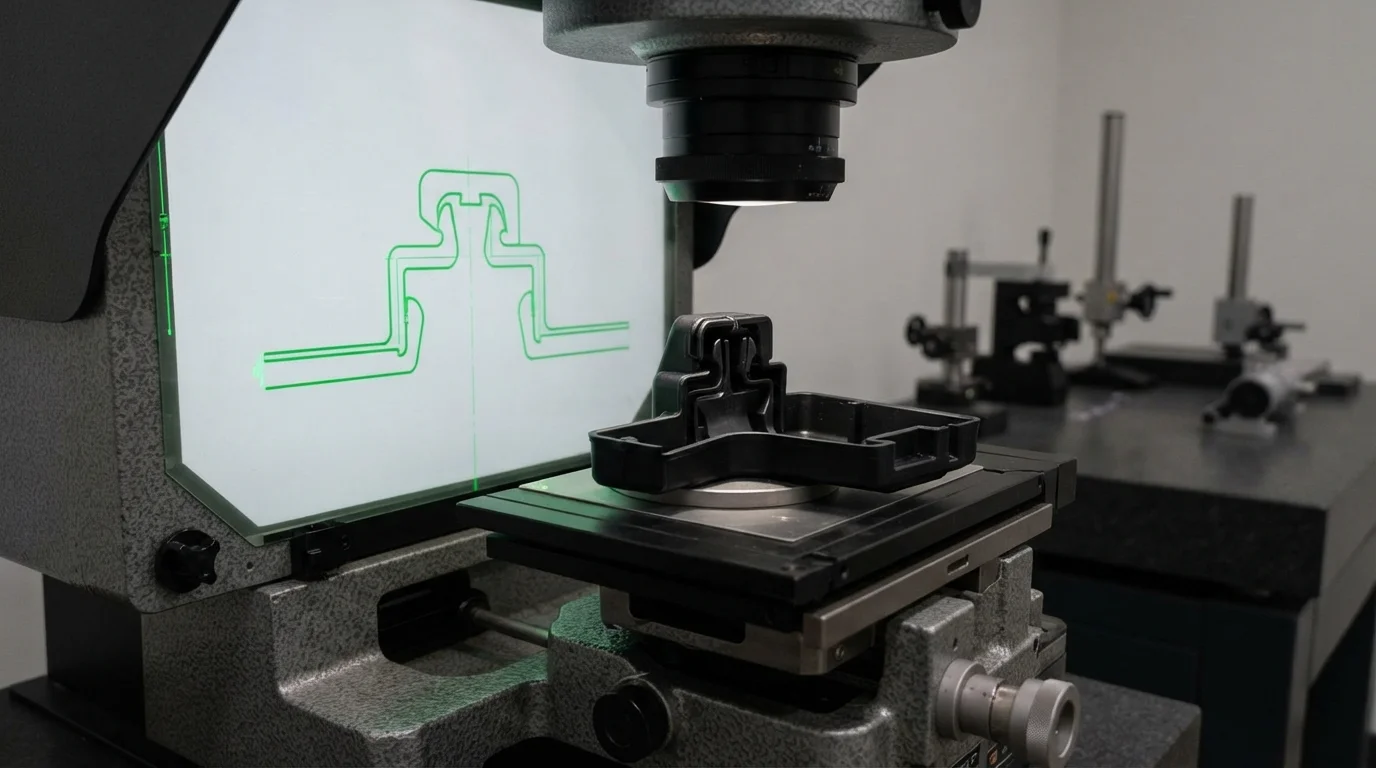
Partnering with a certified manufacturer helps you navigate the transition from early visual mockups to low-volume bridge tooling seamlessly. Sourcing your quotes manually ensures experienced engineers analyze your 3D STEP files to find additional ways of saving money. Custom components undergo rigorous coordinate metrology checks to confirm exact dimensional compliance. Sourcing high-quality prototypes ensures your designs are built to withstand severe dynamic forces safely.
Domande Frequenti (FAQ)
What is the single most effective way to lower mold costs during CAD design?
Eliminating undercuts and incorporating pass-through shut-offs represents the single most effective DFM modification. Removing side-actions avoids thousands of dollars in mechanical slider and lifter fabrication hours.
Does requiring tighter tolerances increase rapid tooling bills significantly?
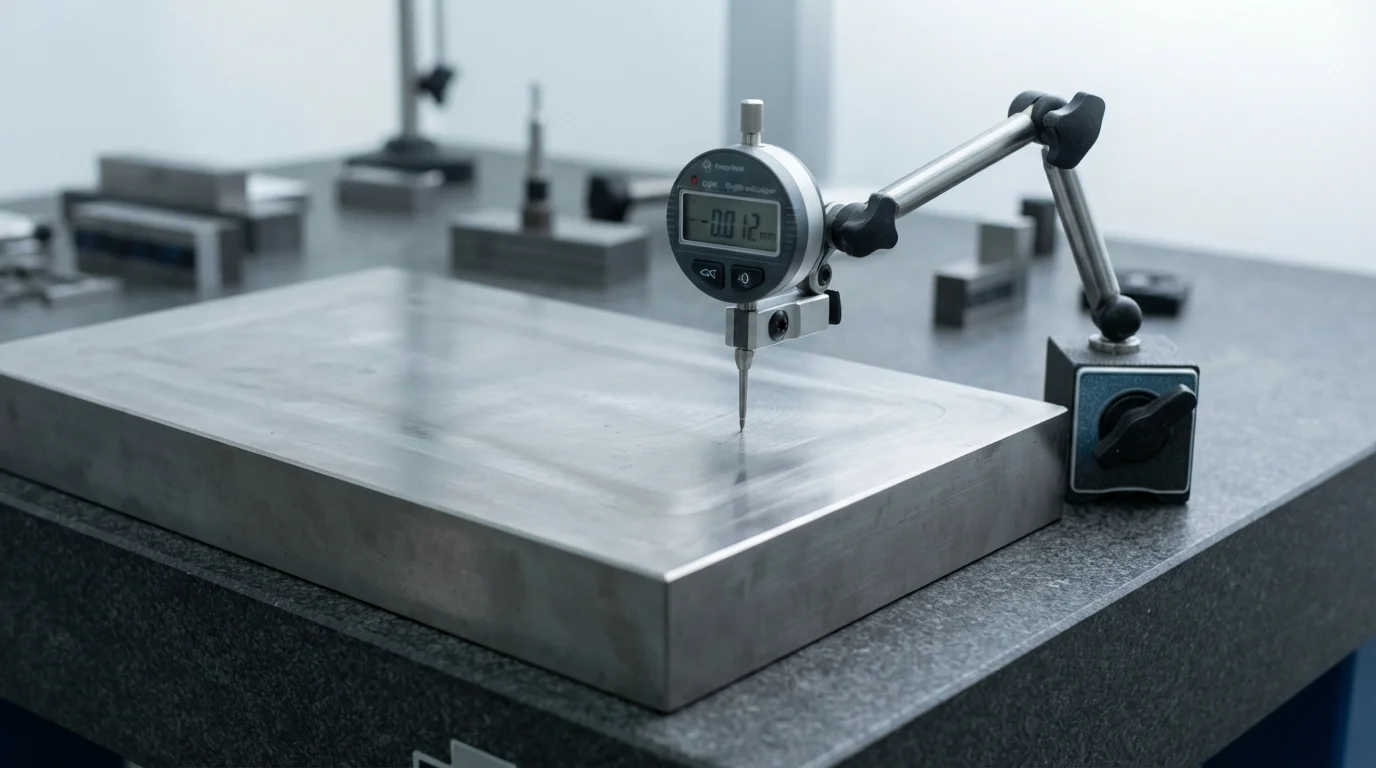
Demanding micro-tolerances down to ±0.01 mm requires slow machine finishing passes and constant CMM metrology inspection runs. Relaxing non-mating clearances to ±0.1 mm reduces machine time and lowers total tooling expenses.
Why should hand-loaded inserts be used for low-volume injection runs?
Replacing automatic hydraulic sliders with loose steel inserts placed manually into the cavity saves $3,000 to $8,000 per feature. Hand-loaded inserts are ideal for small runs of 100 to 2,000 parts where operator labor is cheaper than complex mold mechanisms.

