


Choosing carbon steel for an enclosure starts with the grade, delivery condition and requirements of the finished part. A compromesso tra acciaio laminato a caldo e laminato a freddo in lamiera comparison helps separate mill tolerances and surface condition from what bending, joining and coating can achieve.

A close-fitting enclosure needs a drawing that defines formed flatness, rail alignment and mounting fit. Specify the stock and its finish separately, then verify the required dimensions and coating on representative parts.
This guide compares mill processing, surface options and the part-level checks that help when choosing steel for a fabricated enclosure.
contenuto:
Il processo di produzione: tolleranze di laminazione e raffreddamento
Finitura superficiale e precisione dimensionale
Quale è migliore per involucri personalizzati?
Servizi di fabbricazione dell'acciaio economicamente vantaggiosi presso JUCHENG
FAQ: Domande critiche sull'acciaio laminato a caldo vs laminato a freddo in lamiera
Il processo di produzione: tolleranze di laminazione e raffreddamento
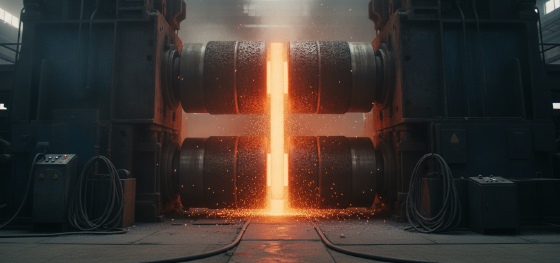
Cosa definisce la differenza nella lavorazione in laminatoio tra acciaio laminato a caldo e laminato a freddo?
Hot rolling shapes steel at elevated temperatures. Cold reduction normally rolls descaled hot-rolled feed further, below the recrystallization range, to reduce thickness and control dimensions and surface texture.
Hot-rolled sheet can be ordered in several grades, thicknesses and surface conditions. Cooling and mill processing influence dimensions, but the applicable purchase specification determines the permitted thickness, width and flatness variation.
Cold reduction changes thickness and can work-harden the steel; it is not a densification process. Annealed, temper-rolled and full-hard products have different properties. Use the ordered grade, product dimensions and mill tolerance rather than assuming every cold-rolled sheet is held to the same limit.
Finitura superficiale e precisione dimensionale
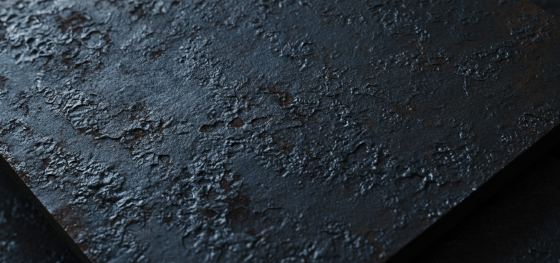
How do surface finishes differ between hot rolled and cold rolled steel?
As-rolled hot-rolled steel may carry mill scale, while pickled hot-rolled sheet has had scale removed. Cold-rolled sheet commonly has a smoother surface, but it can arrive dry or oiled and with different finishes.
Choose between as-rolled and pickled hot-rolled stock using the requirements of the part. If scale is present, agree on how it will be removed where welding or coating requires it. Pickled-and-oiled sheet may still need cleaning or degreasing before finishing.
A smoother cold-rolled surface can help achieve a consistent appearance, but it does not guarantee paint adhesion. Agree on cleaning and pretreatment for the chosen paint or powder and confirm the finish and adhesion on representative parts.
Quale è migliore per involucri personalizzati?
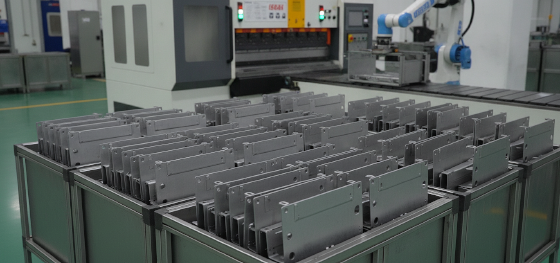
Why is cold rolled steel specified for server racks and computer brackets?
A specified cold-rolled product can suit thin panels and rails with appearance or dimensional requirements. Load capacity and fit depend on the actual grade, thickness and enclosure geometry, and should be checked on the finished assembly.
Commercial cold-rolled grades such as SPCC can be useful for general housings. For a load-bearing rail or fatigue-sensitive bracket, use verified material properties and the actual load and joint design. Confirm the forming limits for the ordered grade and condition.
Hot-rolled material, including commercial grades such as SPHC where appropriate, can be considered if the required grade, dimensions and surface are available. Compare stock cost, flatness, preparation and formed-part tolerances rather than ruling it out based on the rolling route alone.
Servizi di fabbricazione dell'acciaio economicamente vantaggiosi presso JUCHENG
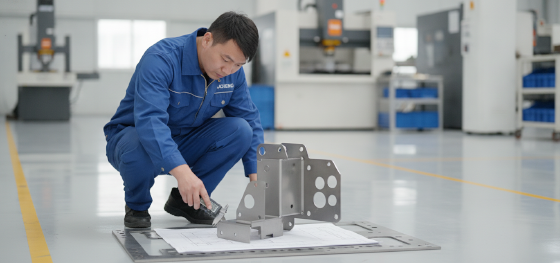
How does JUCHENG help you select and fabricate the ideal carbon steel alloy?
We operate high-power fiber laser cutters and high-tonnage press brakes managed by skilled operators, utilizing precise die clearances to prevent cracking on both metals.
Selecting this versatile materiale in lamiera ensures that your completed hardware maintains its target structural integrity under its specific operating conditions. JUCHENG integrates advanced shearing, punching, and forming systems into our full-service production lines. This allows us to transition your 3D models into fully finished, durable carbon steel hardware with extreme dimensional accuracy.
Operiamo in un ambiente certificato IATF 16949 e ISO 13485, utilizzando oltre 150 macchine di produzione ad alte prestazioni per eseguire complesse operazioni di stampaggio e formatura. Il nostro team di ingegneria fornisce un'analisi DFM gratuita 24 ore su 24 per verificare i tuoi modelli CAD, controllando le tolleranze di piegatura e gli spazi prima della produzione. Supportati dalla nostra politica senza quantità minima di ordine e dalla garanzia di consegna rapida, gestiamo il tuo progetto dal taglio iniziale del modello piatto fino all'imballaggio e all'assemblaggio finale.
FAQ: Critical Questions About Hot Rolled vs. Cold Rolled Steel Sheet Metal
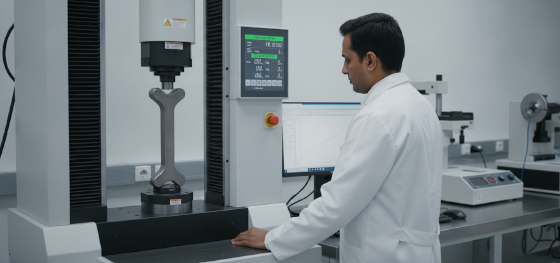
Why does cold rolled steel exhibit high springback compared to hot rolled steel?
Cold-rolled steel does not always spring back more than hot-rolled steel. Cold work can increase yield strength, but annealing and other delivery conditions affect the result. Review the actual grade, thickness, bend direction, radius and tooling, and measure the angle after unloading.
Is SPHC hot rolled steel less formable than SPCC cold rolled steel?
Neither designation alone establishes which sheet will form better for a particular feature. Compare the actual grade, delivery condition, thickness tolerance, bend direction and bend radius. Use representative bends to verify cracks, released angles and fit.
How does JUCHENG remove mill scale from hot rolled steel parts before powder coating?
We utilize mechanical sandblasting or automated chemical pickling washes to remove mill scale completely. Choose the preparation for the delivered surface and coating system. Pickled-and-oiled material may only need oil and other contaminants removed before the specified pretreatment. Confirm coating adhesion against the agreed acceptance criteria.
How does JUCHENG prevent thickness variations in hot rolled vs cold rolled steel sheet metal orders?
Laser and press-brake calibration does not change incoming sheet thickness. Verify the delivered thickness against the purchase specification and qualify bend compensation on the actual stock. Check released angles, flatness and fit against the finished-part drawing. Our team utilizes advanced 3D unfolding software to calculate exact material elongation parameters, and conducts full coordinate measuring machine (CMM) dimensional checks on completed assemblies before final packaging.

