


La modellazione a deposizione fusa, comunemente nota come FDM, rappresenta una delle forme di tecnologia di stampa 3D più accessibili e ampiamente adottate oggi. Dai hobbisti che armeggiano nei loro garage agli ingegneri che sviluppano prototipi funzionali, le stampanti FDM hanno sbloccato nuove possibilità nella fabbricazione digitale. Questa guida esplora il mondo di questa tecnologia. Copre i meccanismi di base della stampa 3D FDM. Esamina anche il costo delle stampanti 3D FDM. Infine, discute il dibattito in corso tra stampanti a resina e FDM.
contenuto:
Cos'è una stampante FDM?
FDM vs. FFF: Qual è la differenza?
La tua mini fabbrica personale: Stampanti FDM da tavolo
Quanto costa davvero?
Di cosa sono fatte queste stampanti?
Come stampa effettivamente qualcosa?
Il grande confronto: Stampanti a resina vs. FDM
Cos'è una stampante FDM?
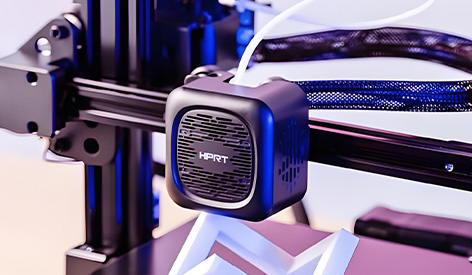
Una stampante FDM è un tipo di stampante 3D che funziona molto come un pasticcere elegante che decora con la glassa. Per una stampante 3D FDM, la "glassa" è una lunga e sottile stringa di plastica, chiamata filamento. La stampante riscalda il filamento fino a farlo sciogliere. Poi, lo spreme accuratamente attraverso un minuscolo ugello, disegnando una fetta piatta di un oggetto alla volta. Inizia dal basso e costruisce verso l'alto, con ogni nuovo strato che aderisce a quello sottostante. Dopo un po', tutti questi strati si accumulano per creare un oggetto solido e tridimensionale che puoi tenere in mano. Questo intero processo sorprendente è chiamato stampa 3D FDM!
FDM vs. FFF: Qual è la differenza?
Potresti anche sentire persone parlare di stampanti "FFF". Non lasciare che questo ti confonda! Le stampanti 3D FDM e FFF sono esattamente la stessa cosa. "FDM" è stato il primo nome commerciale per questa tecnologia, un po" come alcune persone dicono "Scotch" invece di "nastro adesivo". "FFF" è il nome generico e non commerciale. Quindi, che tu veda FDM o FFF, si parla delle stesse fantastiche macchine che costruiscono cose con filamento di plastica.
La tua mini fabbrica personale: Stampanti FDM da tavolo
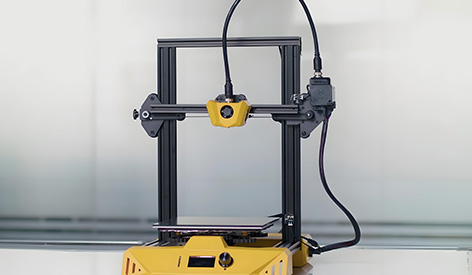
Il tipo più comune che vedrai è una stampante FDM da tavolo. Queste sono macchine abbastanza piccole da stare su un piano di lavoro, proprio come una normale stampante per carta. Poiché sono più piccole e progettate per essere usate da tutti, il prezzo delle stampanti 3D FDM per questi modelli è molto più accessibile. Questo è il motivo per cui molte scuole, artisti e bambini (con l'aiuto di un adulto!) possono averne una. Avere una stampante FDM da tavolo è come avere una minuscola fabbrica sulla tua scrivania, pronta a creare tutto ciò che puoi immaginare.
Quanto costa davvero?
Quando pensi al costo di una stampante 3D FDM, devi considerare due cose. Primo, c'è il prezzo della macchina stessa. Puoi trovare alcune buone stampanti per principianti per un paio di centinaia di dollari. Ma secondo, devi anche comprare il filamento di plastica, che è come l""inchiostro" per la stampante. Una bobina di filamento di solito costa tra i venti e i trenta dollari. A volte, piccole parti della stampante, come l'ugello, possono usurarsi e devono essere sostituite. Quindi, il costo totale di una stampante 3D FDM include la macchina più i materiali di consumo necessari per farla funzionare.
Di cosa sono fatte queste stampanti?
La stringa di plastica che la stampante usa è chiamata materiale FDM, o filamento. Esiste in molti tipi diversi, proprio come ci sono diversi tipi di carta per disegnare.
PLA Plastic: This is the most popular kind. It's made from cornstarch and is easy to use. It's great for making toys, models, and art projects.
ABS Plastic: This type is tougher and can handle heat better, like a Lego brick! It's used for stronger things, but it can be a little trickier to print with.
PETG Plastic: This is a great middle-ground. It's strong and durable, and people often use it to make water bottles and parts that need to last a long time.
TPU Plastic: This one is really cool because it's bendy and flexible, like rubber! You could use it to print a phone case or a squishy toy.

Come stampa effettivamente qualcosa?
The FDM 3D printing process is a fun, step-by-step adventure:
Design It: First, you need a 3D design. You can create one on a computer using a special program or download a ready-made design from the internet.
Slice It: Next, a special computer program called a "slicer" chops your 3D model into hundreds of flat, horizontal layers, like slicing a loaf of bread.
Print It: The slicer sends the instructions to the printer. The printer heats up, and the nozzle starts moving, laying down the first layer of melted plastic onto a flat plate. It keeps going, layer by layer, until your object is finished!
Enjoy It: Once the printer is done, you just carefully take your new creation off the plate. Sometimes you might need to snap off little plastic supports that helped during printing.
Il grande confronto: Stampanti a resina vs. FDM
You might wonder how FDM printers are different from other kinds, like resin printers. Let's compare resin vs. FDM printers!
FDM Printers: These are great for making bigger, stronger things that you can actually use, like a pencil holder or a tool. The plastic is tough, and the FDM 3D printer cost is usually lower. You can see the layers on the finished object, which gives it a neat, lined texture.
Resin Printers: These are the champs for super tiny details. They are amazing for making tiny, super-smooth miniatures for games or incredibly detailed jewelry. However, the liquid resin they use can be smelly and messy, and you have to be very careful handling it.
In short, if you want to make strong, useful stuff, an FDM printer is your best friend. If you want to make tiny, super-detailed sculptures, a resin printer is better.

FDM printers have firmly established themselves as a pivotal tool in the maker movement and professional sectors alike. The journey from understanding the nuances of FDM FFF 3D printers to selecting the right FDM material and navigating the FDM 3D printer price landscape is part of mastering this transformative technology.

