


La sfida di creare prototipi flessibili e funzionali è stata storicamente un collo di bottiglia nello sviluppo del prodotto. Sebbene "gomma" implichi un materiale singolare, la realtà coinvolge una gamma complessa di elastomeri come TPE, TPU e silicone. Ottenere parti flessibili, precise e durevoli per guarnizioni, tenute e impugnature richiede processi specializzati oltre la stampa 3D rigida tipica.
Per gli acquirenti B2B focalizzati su test funzionali e produzione in piccoli lotti, la matrice decisionale spesso coinvolge sia la produzione additiva (stampa 3D) che l'attrezzatura morbida (colata sottovuoto). Questa guida si concentra sui fattori critici per una stampa 3D di elastomeri di successo e le sue controparti produttive, garantendo che i tuoi componenti flessibili soddisfino i criteri di prestazione nel mondo reale.
Lo spettro dei materiali: alternative a TPE, TPU e silicone
Selezione del processo: quando scegliere la stampa 3D rispetto alla colata sottovuoto
Considerazioni critiche di progettazione per prototipi flessibili
Applicazioni funzionali: guarnizioni, impugnature e ammortizzatori
Lo spettro dei materiali: alternative a TPE, TPU e silicone
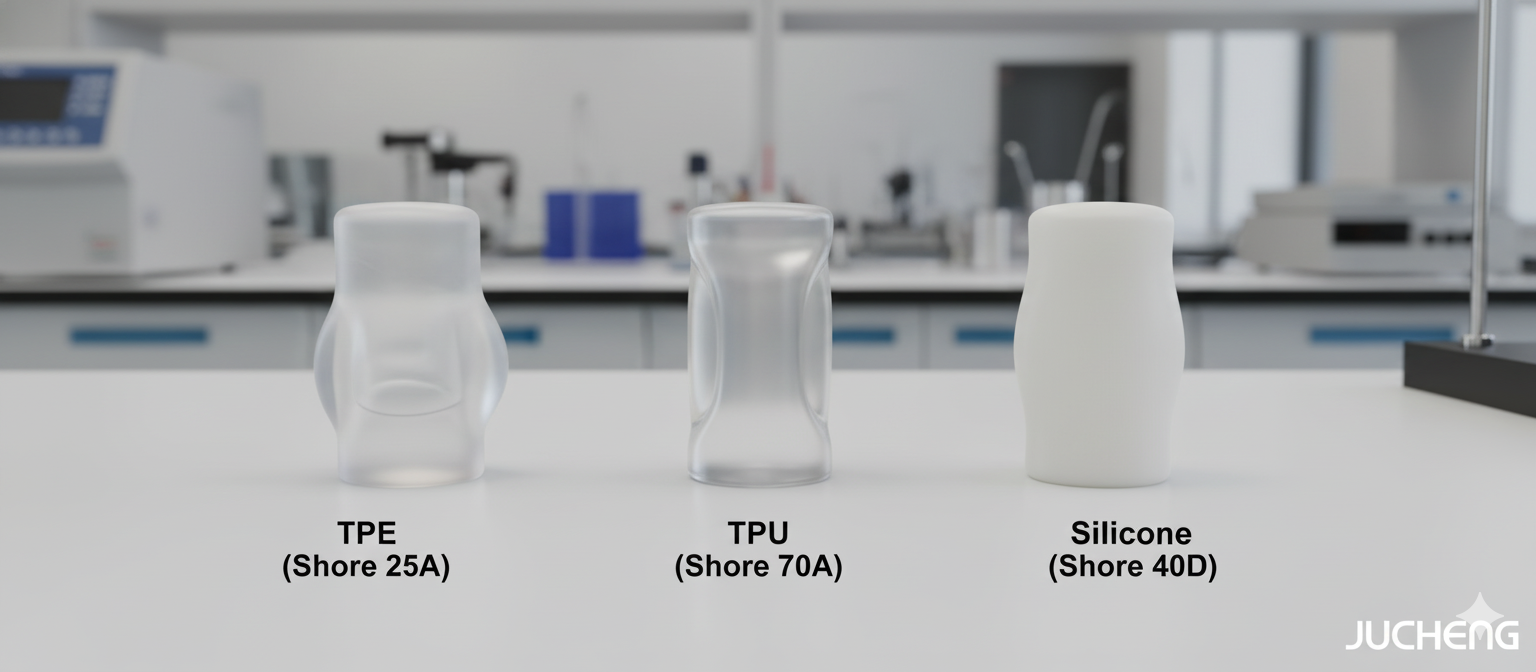
Sebbene la gomma pura sia difficile da stampare direttamente in 3D, gli elastomeri termoplastici specializzati (TPE) e i siliconi offrono eccellenti proprietà simili alla gomma. La scelta del materiale è guidata dalla durezza Shore richiesta e dall'ambiente operativo:
Poliuretano termoplastico (TPU): Utilizzato nella stampa 3D FDM e nella sinterizzazione laser selettiva (SLS), offre una buona resistenza all'usura ed elasticità, ideale per involucri flessibili e ammortizzatori d'impatto.
Resine flessibili SLA: Le resine SLA specializzate imitano i TPE, fornendo prototipi altamente dettagliati e lisci per controlli visivi e di adattamento, anche se spesso meno durevoli per veri test funzionali.
Uretani per colata sottovuoto: Gli elastomeri poliuretanici (ad es. serie T0387, 8570, 8743) possono replicare con precisione le proprietà del TPU morbido o del silicone, offrendo le proprietà del materiale più accurate per prototipi funzionali.
Selezione del processo: quando scegliere la stampa 3D rispetto alla colata sottovuoto
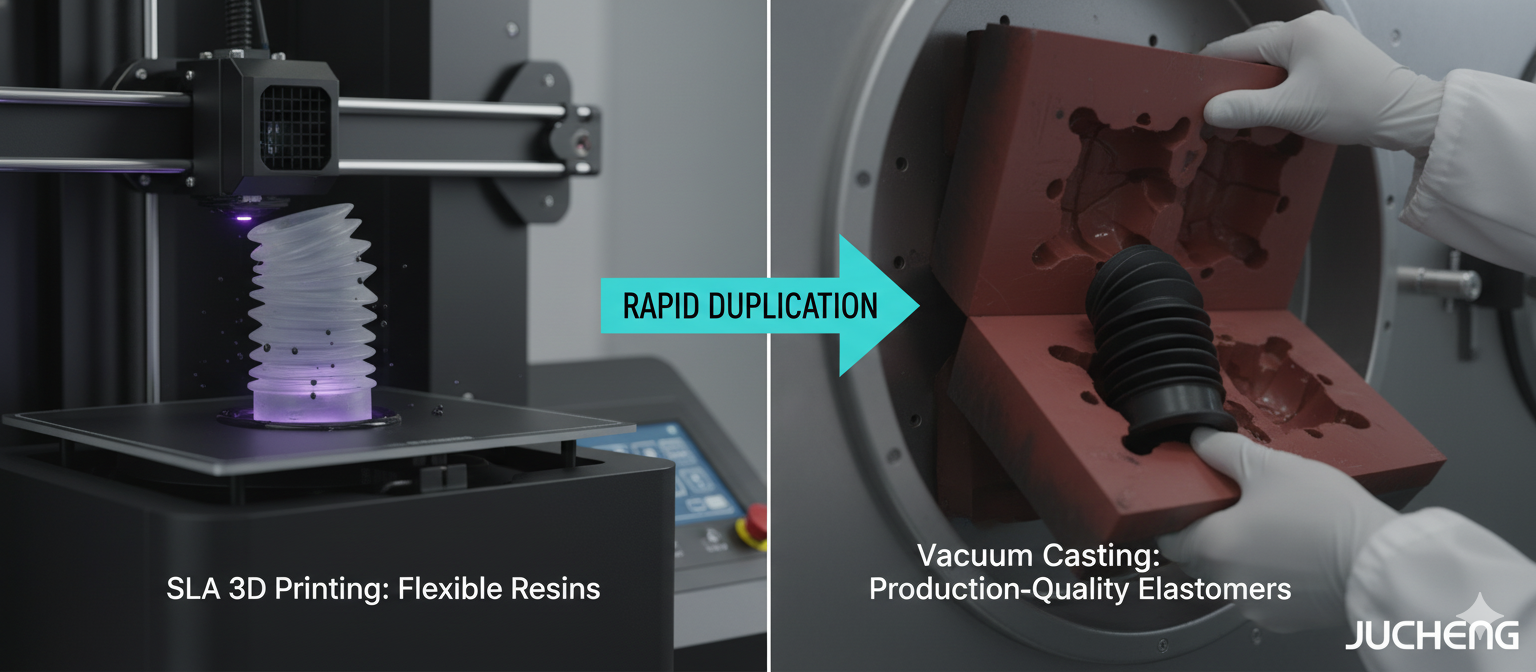
Il processo ottimale per un Stampaggio 3D in gomma il progetto dipende fortemente dal volume di produzione e dalla fedeltà meccanica richiesta:
Stampaggio 3D (SLS/SLA): Ideale per la verifica di progettazione monopezzo, controlli di adattamento o quando la geometria è estremamente complessa. Offre i tempi di consegna più rapidi (4-7 giorni) senza impegno di attrezzature rigide.
Casting sottovuoto (Casting in uretano): La scelta superiore per prototipi funzionali (20-500 pezzi) e produzione a basso volume. Utilizza uno stampo in silicone realizzato da un master stampato in 3D, offrendo la replica più accurata delle proprietà dell'elastomero finale, inclusa la durezza Shore e la flessibilità.
Scalabilità a lungo termine: Per la produzione di massa (oltre 5000 pezzi), il materiale viene spesso trasferito allo stampaggio a iniezione di silicone o allo stampaggio a inserti, sfruttando servizi specializzati di prototipazione rapida.
Considerazioni critiche di progettazione per prototipi flessibili
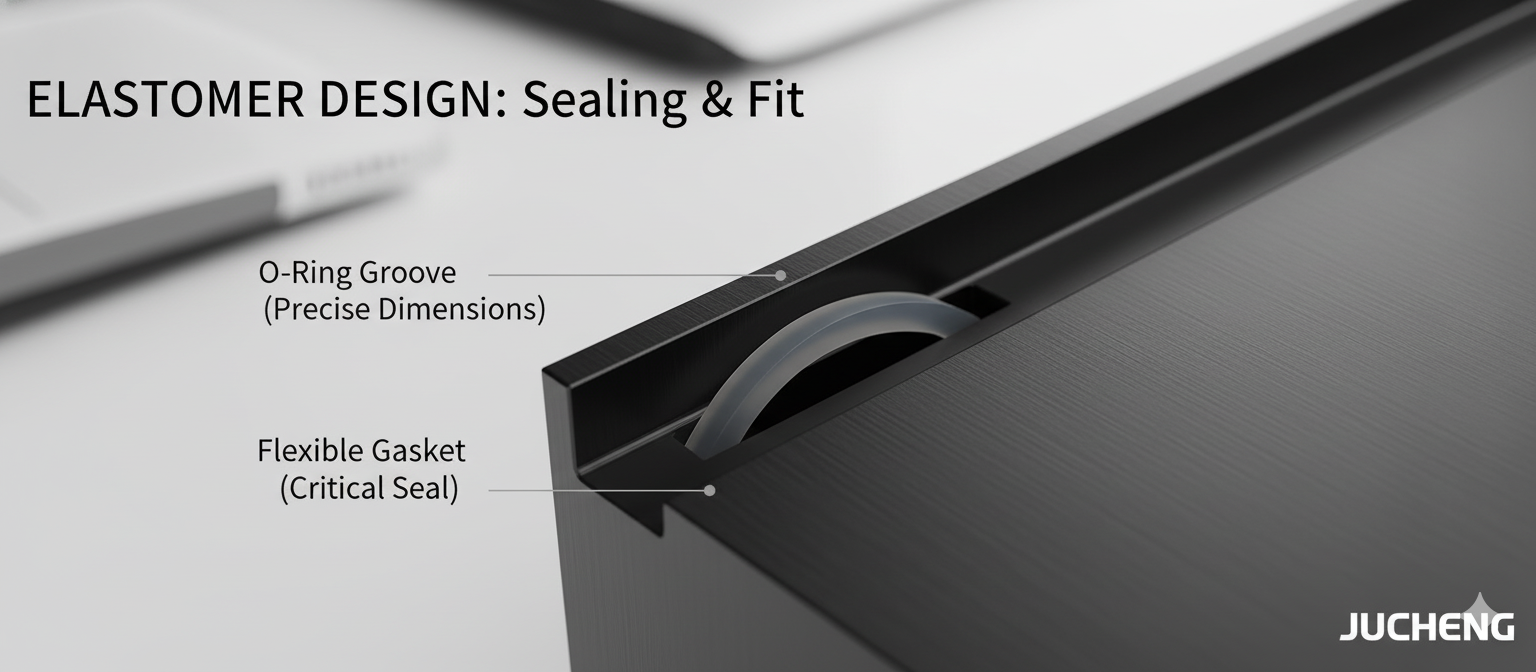
La progettazione per materiali flessibili richiede attenzione alla resistenza allo strappo, alle pareti sottili e alla meccanica di sformatura, in particolare quando si utilizzano durezze Shore più morbide:
Spessore della parete: Le parti flessibili richiedono spessori minimi delle pareti più spessi (ad esempio, >1,0 mm) rispetto alle plastiche rigide per mantenere l'integrità strutturale durante la manipolazione e i test.
Superfici di tenuta: Per O-ring e guarnizioni, la superficie di tenuta deve essere mantenuta estremamente piatta e liscia, richiedendo spesso una post-lavorazione minima per evitare di danneggiare il labbro di tenuta cruciale.
Sottosquadri: I materiali flessibili possono accogliere sottosquadri significativi durante la sformatura, specialmente nel casting sottovuoto, che sfrutta la flessibilità dello stampo in silicone.
Applicazioni funzionali: guarnizioni, impugnature e ammortizzatori
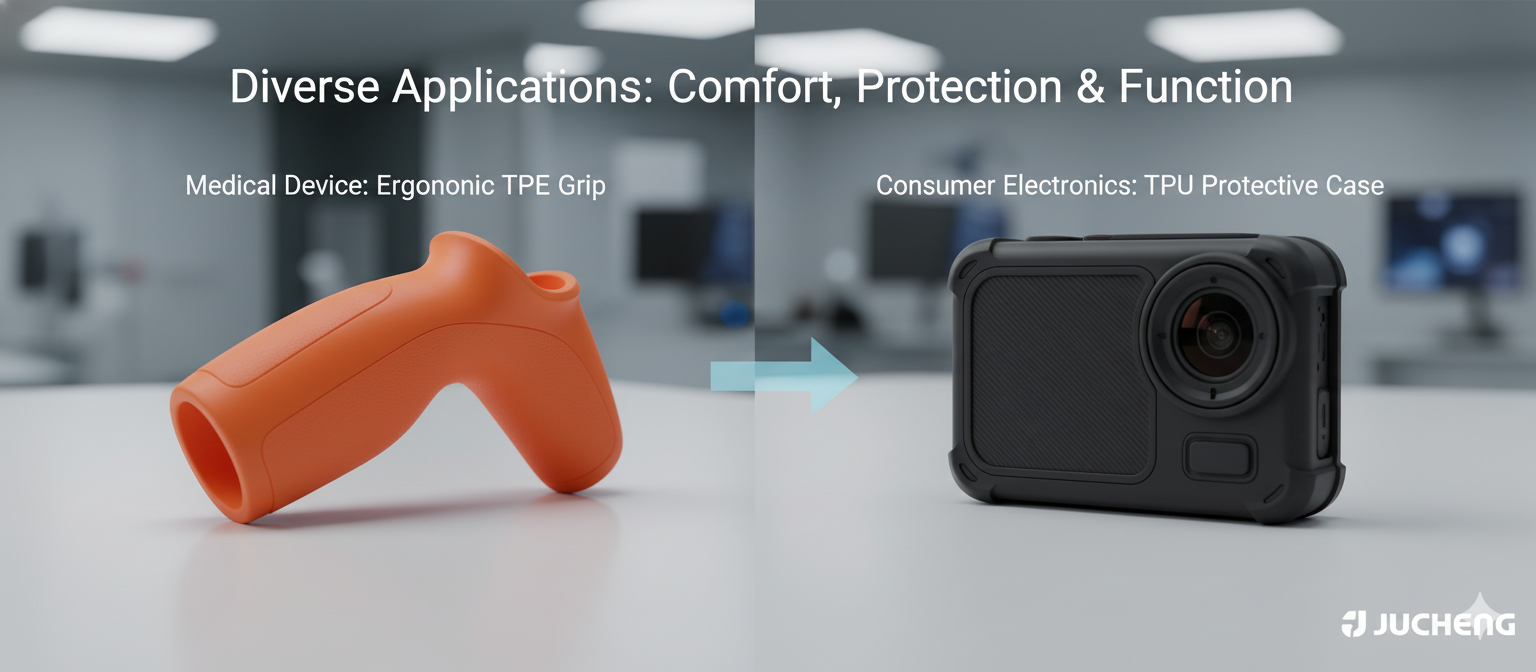
La prototipazione elastomerica di successo consente di testare le funzioni meccaniche più critiche in scenari reali nei settori Automotive, Medical e Consumer Products:
Tenuta e Guarnizioni: Testare l'integrità stagna e la compressione set delle guarnizioni in involucri di dispositivi medici o illuminazione automobilistica è essenziale per la certificazione.
Ergonomia e Aptica: La prototipazione di impugnature, maniglie e pulsanti soft-touch consente test critici da parte dell'utente su comfort, feedback tattile e assorbimento degli urti.
Smorzamento delle Vibrazioni: Testare la durezza e la geometria dei supporti di isolamento dalle vibrazioni utilizzando uretani colati fornisce un feedback meccanico accurato per la validazione finale del progetto.
Che il tuo progetto richieda la velocità della stampa 3D in gomma o la fedeltà dei materiali della colata sottovuoto, Jucheng Precision Technology offre la soluzione completa. I nostri processi certificati e l'approccio a doppia tecnologia garantiscono che i tuoi prototipi flessibili funzionino perfettamente, accelerando il time-to-market.
Non scendere a compromessi su flessibilità e funzione. Contattaci oggi per discutere la migliore strategia di prototipazione elastomerica per la tua prossima innovazione.

