


Managing hardware budgets for low-to-medium volume production requires a highly critical mathematical strategy. Procurement teams often celebrate the low upfront expense of wooden or foam patterns, completely ignoring the massive cleanup bills hidden downstream. Analyzing your comparative die casting vs sand casting cost early prevents you from falling into the traditional "low-NRE trap" that destroys your ongoing profit margins.
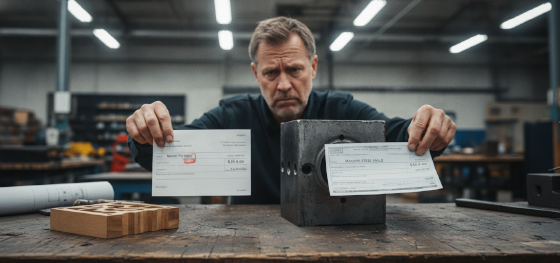
Smascherando le voci di fabbrica nascoste si mantiene sicuro il flusso di cassa continuo durante l'intero ciclo di sviluppo. Ogni singolo secondo che il vostro pezzo trascorre a raffreddarsi all'interno della pressa aumenta direttamente il vostro costo continuo di pressofusione. Controllare queste spese correnti determina se i vostri margini al dettaglio rimangono sostenibili per l'intero ciclo di vita del prodotto.
Demanding absolute financial transparency separates elite manufacturing partners from low-tier brokers. Let's dissect the core tooling and post-processing variables that determine unit pricing, analyze the exact volume tipping points, and explain how to secure the most profitable casting technology.
contenuto:
Tooling Expenses: Permanent Steel Dies vs. Expendable Sand Molds
Hidden Post-Machining Overhead: Paying for Secondary Finishing
Volume Tipping Points: When Permanent Molds Win the Budget Battle
Sourcing Agility: Choosing the Correct Technology with JC Rapid
FAQ: Honest Answers About Surface Roughness and Molds
Tooling Expenses: Permanent Steel Dies vs. Expendable Sand Molds
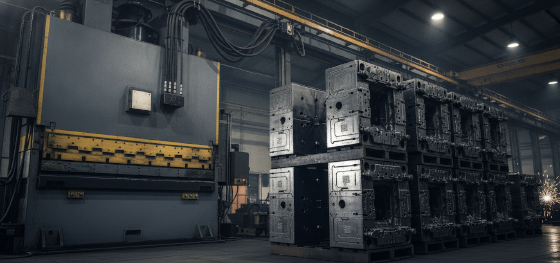
Why do expendable molds require such low initial investments compared to permanent steel tooling?
Because standard sand foundries manually pack cheap, abundant green sand around a simple wooden pattern, avoiding the expensive machining of complex H13 tool steel cavities entirely.
Sourcing raw patterns cheaply is the ultimate secret to launching small runs. If you only need five prototype brackets, paying forty thousand dollars for a permanent steel tool is financial suicide; utilizing sand casting is the undisputed king of short-run prototyping.
Balancing this low-NRE advantage against high labor costs is crucial. While the mold price remains low, the manual labor required to build and destroy a sand mold for every single part you inject drives up your piece part price aggressively.
Hidden Post-Machining Overhead: Paying for Secondary Finishing
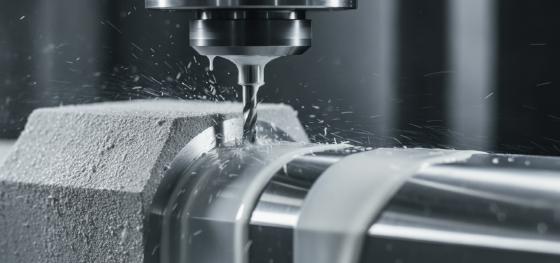
Why does a raw sand-cast component require extensive, expensive secondary CNC processing?
Because pouring molten metal into compacted sand leaves the final part with a highly textured, sandpaper-like finish that cannot hold tight tolerances or seal O-ring grooves.
Shaving off several millimeters of rough material requires extensive, highly expensive secondary lavorazione CNC a 5 assi. This slow, manual-intensive cleanup drastically inflates your overall die casting post processing cost, making the cheap sand part incredibly expensive to finish.
Managing this finishing bottleneck requires moving to permanent steel dies. High-pressure injection captures the mirror-smooth surface of the polished steel mold perfectly, allowing your hardware to exit the press with excellent net-shape accuracy and minimal machining needs.
Volume Tipping Points: When Permanent Molds Win the Budget Battle
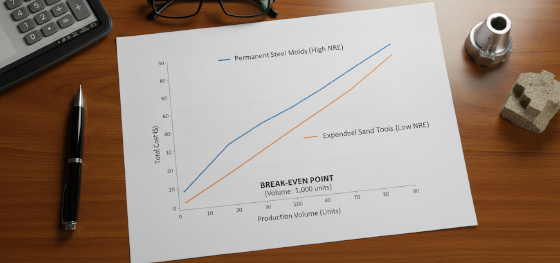
How do engineers determine the exact production volume where steel tooling becomes cheaper than sand?
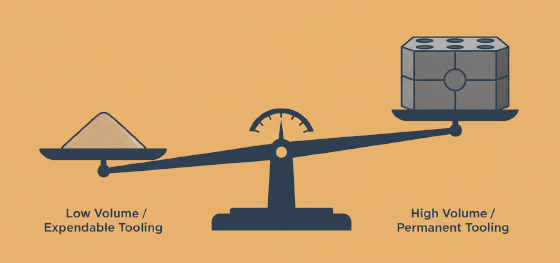
By calculating the exact crossover point where the accumulated piece-price and machining savings of high-pressure injection offset the initial upfront tooling expense completely.
Pushing past five hundred units completely shifts the financial math. The comparison matrix below outlines how the rapid injection of metal quickly outperforms slow, manual sand casting processes.
| Quantità di produzione | Sand Casting Cost (Amortized) | Low-Volume Die Casting Cost |
|---|---|---|
| 100 Units | $35.00 (Cheaper) | $150.00 (High NRE) |
| 1,000 Units | $35.00 | $18.00 (Tooling amortized) |
| 5.000+ unità | $35.00 | $8.50 (Lowest overall expense) |
Analyzing the die casting vs sand casting cost from a total cost of ownership perspective is non-negotiable. If your annual volume is two thousand pieces, paying the upfront tool fee will save you tens of thousands of dollars in secondary milling labor over the life of the project.
Sourcing Agility: Choosing the Correct Technology with JC Rapid
Why must hardware teams rely on experienced contract manufacturers for structural components?
Because raw casting houses that do not own in-house CNC shops will ignore your post-processing requirements, delivering rough parts that require expensive third-party machining.
JC Rapid offers a highly detailed, complimentary DFM review to show you exactly how to optimize your wall thicknesses and gating systems to minimize your die casting vs sand casting cost. We operate both sand casting and automated high-pressure injection lines in-house.
Smetti di pagare per design sovradimensionati e spese di spedizione inutili. Invia oggi i tuoi complessi file CAD al nostro team di ingegneria. Effettueremo un'analisi completa e manuale del flusso DFM e forniremo un preventivo manuale estremamente preciso e garantito entro ventiquattro ore dall'invio.
FAQ: Honest Answers About Surface Roughness and Molds
Does the complexity of the internal gating system increase my die casting vs sand casting cost?
Sì, i canali di colata complessi consumano più metallo grezzo per colata. Progettiamo percorsi di colata altamente ottimizzati per ridurre al minimo il metallo di scarto in eccesso, mantenendo lo spreco di materiale eccezionalmente basso.
Posso utilizzare zinco e alluminio nello stesso identico stampo in acciaio?
No. Poiché metalli diversi si restringono e contraggono a velocità completamente diverse, versare alluminio in uno stampo progettato per lo zinco produrrà parti che non soddisfano le tolleranze dimensionali richieste.
Addebitate costi aggiuntivi per i Rapporti di Prova dei Materiali obbligatori?
Fornire certificazioni chimiche complete (CoA) e certificati di conformità RoHS con ogni singola consegna è la nostra pratica standard, inclusi interamente gratuitamente.
Quanto velocemente i vostri ingegneri possono fornire un preventivo manuale definitivo?
Saltiamo completamente i sistemi di preventivazione automatica imprecisi. Il nostro team tecnico esamina manualmente i file CAD e fornisce un preventivo estremamente preciso e garantito entro ventiquattro ore dall'invio.

