

Parti OEM Lavorazione CNC: Problemi a Cui Prestare Attenzione
Visualizzazioni: 2 Autore: Editor del sito Data di pubblicazione: 2024-05-23


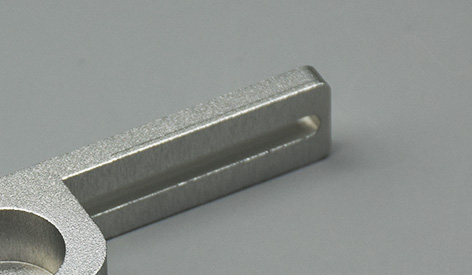
La lavorazione CNC è un processo critico nella produzione di parti per Original Equipment Manufacturer (OEM). Queste parti, spesso progettate su misura e altamente specializzate, richiedono tecniche di produzione precise per soddisfare rigorosi standard di qualità e prestazioni. Sebbene la lavorazione CNC offra precisione e versatilità senza pari, presenta anche diverse sfide che devono essere affrontate per garantire una produzione di successo. Questo articolo esplora i problemi chiave nella lavorazione CNC per parti OEM e fornisce approfondimenti dettagliati su come affrontare efficacemente queste sfide.
Introduzione alla Lavorazione CNC per Parti OEM
La lavorazione CNC (Controllo Numerico Computerizzato) comporta l'uso di macchine controllate da computer per produrre parti con alta precisione. È ampiamente utilizzata in vari settori, tra cui automotive, aerospaziale, medicale ed elettronica, per produrre parti OEM che soddisfano requisiti specifici. Il processo coinvolge varie operazioni di lavorazione come fresatura, tornitura, foratura e rettifica, controllate da software pre-programmato.
Problemi Chiave nella Lavorazione CNC per Parti OEM
1. Progettazione e Integrazione CAD/CAM
2. Selezione dei materiali
3. Utensileria e attrezzature
4. Precisione e Tolleranze
5. Finitura Superficiale e Trattamento
6. Efficienza produttiva
7. Controllo qualità e ispezione
8. Gestione della catena di approvvigionamento
9. Gestione dei Costi
10. Conformità e Standard
Progettazione e Integrazione CAD/CAM
Problema
La fase di progettazione è cruciale nella lavorazione CNC, poiché qualsiasi errore o calcolo errato può portare a rilavorazioni costose o parti scartate. L'integrazione dei sistemi CAD (Computer-Aided Design) e CAM (Computer-Aided Manufacturing) garantisce che il progetto sia tradotto accuratamente in istruzioni di lavorazione.
Soluzione
· Processo di progettazione collaborativa: Coinvolgere ingegneri progettisti, operatori di macchine e team di controllo qualità nelle fasi iniziali per garantire che il progetto sia producibile e soddisfi tutte le specifiche.
· Software CAD/CAM avanzato: Utilizzare software avanzato in grado di simulare il processo di lavorazione, identificare potenziali problemi e ottimizzare i percorsi utensile per efficienza e precisione.
· Revisioni regolari del progetto: Condurre revisioni e aggiornamenti regolari del progetto per incorporare il feedback dalla produzione e affrontare eventuali problemi.
Selezione dei materiali
Problema
La scelta del materiale giusto è essenziale per le prestazioni e la durata dei componenti OEM. Materiali diversi hanno proprietà variabili come resistenza, durezza, lavorabilità e stabilità termica.
Soluzione
· Test e analisi dei materiali: Eseguire test e analisi complete dei materiali per determinarne l'idoneità all'applicazione prevista.
· Collaborazione con i fornitori: Lavorare a stretto contatto con i fornitori di materiali per garantire qualità e disponibilità costanti dei materiali.
· Materiali alternativi: Considerare materiali alternativi che possano offrire prestazioni migliori o vantaggi in termini di costi senza compromettere la qualità.
Utensileria e attrezzature
Problema
La selezione di attrezzature e utensili appropriati è fondamentale per ottenere precisione ed efficienza nella lavorazione CNC. Attrezzature inadeguate o inappropriate possono portare a finiture superficiali scadenti, usura degli utensili e imprecisioni dimensionali.
Soluzione
· Selezione degli utensili: Choose tools that are specifically designed for the material and type of machining operation. High-quality, coated tools can enhance performance and longevity.
· Machine Maintenance: Regularly maintain and calibrate CNC machines to ensure optimal performance and accuracy.
· Tool Path Optimization: Use software to optimize tool paths and reduce unnecessary movements, which can save time and improve tool life.
Precisione e Tolleranze
Problema
Maintaining tight tolerances is a hallmark of CNC machining, but it can be challenging due to factors such as tool wear, thermal expansion, and machine vibrations.
Soluzione
· High-Precision Machines: Invest in high-precision CNC machines that can consistently achieve tight tolerances.
· Environmental Control: Maintain a stable temperature and humidity in the machining environment to minimize thermal expansion and other environmental effects.
· Regular Calibration: Regularly calibrate machines and tools to ensure accuracy and consistency.
Finitura Superficiale e Trattamento
Problema
The surface finish of OEM parts affects their performance, aesthetics, and compatibility with other components. Achieving the desired surface finish can be challenging, especially for complex geometries.
Soluzione
· Appropriate Tooling and Parameters: Select the right cutting tools and machining parameters to achieve the desired surface finish.
· Post-Machining Treatments: Apply post-machining treatments such as polishing, anodizing, or coating to enhance surface properties.
· Controllo qualità: Implement stringent quality control measures to inspect and verify the surface finish of parts.
Efficienza produttiva
Problema
Balancing precision with production efficiency is a key challenge in CNC machining. High precision often requires slower machining speeds, which can impact production rates.
Soluzione
· Ottimizzazione dei Processi: Continuously optimize machining processes to improve efficiency without compromising quality.
· Automazione: Implement automation solutions such as robotic loading and unloading, automated tool changers, and in-process inspection systems to reduce downtime and increase productivity.
· Lean Manufacturing: Adopt lean manufacturing principles to eliminate waste, streamline processes, and enhance overall efficiency.
Controllo qualità e ispezione
Problema
Ensuring the quality of OEM parts is critical, as any defects or deviations can lead to failures in the final product. Rigorous inspection and quality control are necessary to meet stringent standards.
Soluzione
· Ispezione in-process: Implement in-process inspection techniques such as laser scanning, CMM (Coordinate Measuring Machine) measurements, and visual inspections to detect and correct issues early.
· Controllo Statistico di Processo (SPC): Use SPC tools to monitor and control the manufacturing process, ensuring consistency and quality.
· Comprehensive Testing: Perform comprehensive testing of parts, including dimensional checks, material property tests, and functional tests, to verify conformance to specifications.
Gestione della catena di approvvigionamento
Problema
Effective supply chain management is essential for ensuring the timely delivery of materials and components. Disruptions in the supply chain can lead to delays and increased costs.
Soluzione
· Supplier Relationships: Build strong relationships with reliable suppliers to ensure a consistent supply of high-quality materials and components.
· Inventory Management: Implement robust inventory management systems to track and manage materials and components, reducing the risk of shortages or excess inventory.
· Contingency Planning: Develop contingency plans to address potential supply chain disruptions, such as alternative suppliers or increased safety stock levels.
Gestione dei Costi
Problema
Managing costs is a critical aspect of CNC machining for OEM parts. High precision and quality often come with increased costs, which need to be balanced with competitive pricing.
Soluzione
· Cost Analysis: Perform detailed cost analysis to identify areas where costs can be reduced without compromising quality.
· Process Improvement: Continuously improve machining processes to increase efficiency and reduce waste, thereby lowering costs.
· Value Engineering: Apply value engineering principles to optimize the design and manufacturing process, focusing on cost reduction while maintaining or improving quality and performance.
Conformità e Standard
Problema
Compliance with industry standards and regulations is essential for the acceptance and use of OEM parts. Failure to meet these standards can result in product failures, recalls, and legal issues.
Soluzione
· Adherence to Standards: Ensure that all parts and processes comply with relevant industry standards, such as ISO, ASME, ASTM, and sector-specific regulations.
· Regular Audits: Conduct regular internal and external audits to verify compliance and identify areas for improvement.
· Continuous Training: Provide continuous training for employees on the latest standards, regulations, and best practices to ensure compliance.
Conclusione
CNC machining of OEM parts involves navigating a complex landscape of challenges and issues. By addressing key areas such as design integration, material selection, tooling, precision, surface finish, production efficiency, quality control, supply chain management, cost management, and compliance, manufacturers can achieve success in producing high-quality, reliable parts that meet stringent industry standards.
Are you looking for OEM CNC machining?
At Jucheng Precision, we excel in CNC machining for OEM parts, delivering exceptional quality and precision. Our advanced facilities, state-of-the-art machinery, and experienced team ensure that every part we produce meets the highest standards of accuracy and performance.
We understand the complexities and challenges involved in CNC machining, and we are committed to providing tailored solutions that address your specific needs. Whether you require high-precision components, rapid prototyping, or large-scale production, Jucheng Precision is your trusted partner.
Contact Jucheng Precision today to learn more about our CNC machining service and how we can support your manufacturing needs. Trust us to deliver the precision, quality, and reliability you need to stay ahead in your industry.
ㆍPrivacy: Rispettiamo la tua privacy. Qui puoi trovare un esempio di accordo di non divulgazione. Inviando questo modulo, accetti i nostri termini e condizioni e la politica sulla privacy.