


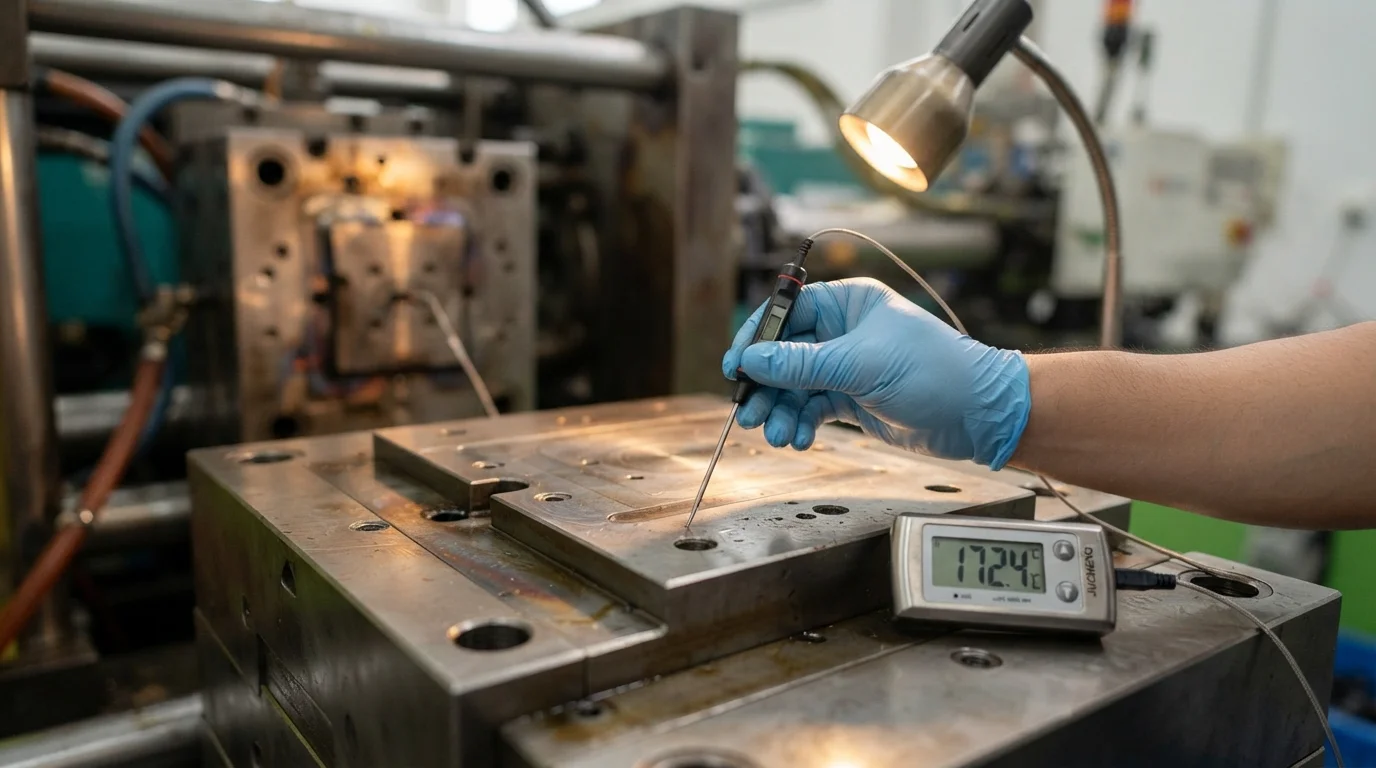
Controlling thermal energy inside an injection molding cavity dictates more than just structural part solidification; it directly governs manufacturing press productivity and overall per-piece unit pricing. When molten thermoplastic resin surges into a cold metal tool at high temperatures, the speed at which that thermal energy dissipates sets the rhythm for the entire production line. Slower cooling cycles mean extended machine press holding times, driving up operational expenses across pilot runs.
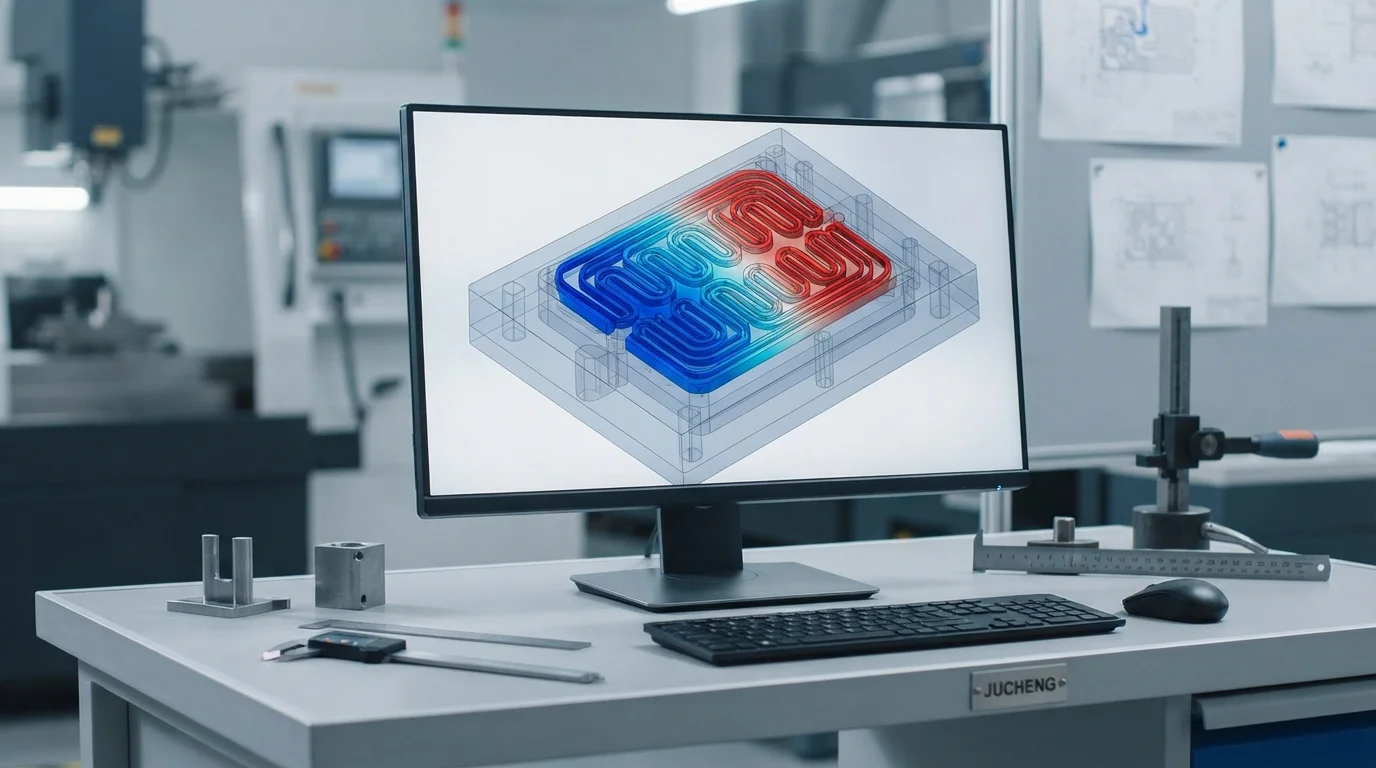
Investigating thermal conductivity aluminum vs p20 molds reveals a massive thermodynamic advantage for non-ferrous aerospace alloys in fast-paced bridge manufacturing. Exploring these heat transfer mechanics helps tool designers engineer smarter cooling channels that maximize press throughput and lower component manufacturing costs.
Indice
1. The Physics of Heat Dissipation: Why Aluminum Cools Faster
2. Reducing Injection Molding Cycle Times and Piece-Part Prices
The Physics of Heat Dissipation: Why Aluminum Cools Faster
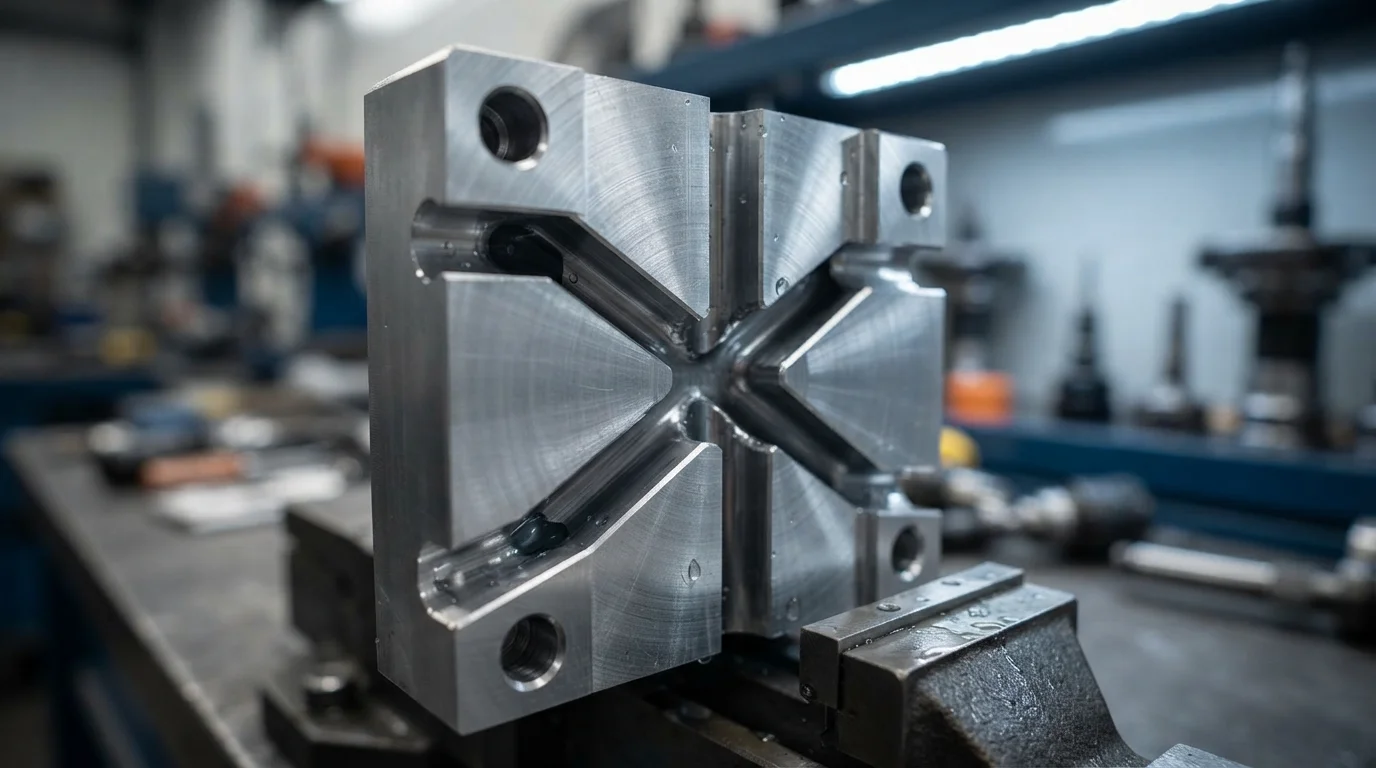
The fundamental structural difference in thermal conductivity between aluminum and pre-hardened steel stems from atomic crystal lattice vibrations and electron mobility. Aerospace-grade AL7075-T6 aluminum possesses a thermal conductivity rating roughly three to five times higher than standard P20 alloy steel. This means thermal energy travels outward through aluminum mold blocks toward internal cooling waterlines at an accelerated rate, pulling heat away from solidifying polymer faces with remarkable efficiency.
Utilizing an agile Servizio di stampaggio a iniezione equipped with precision temperature control units maximizes this cooling delta, ensuring resins like ABS o Policarbonato (PC) achieve structural rigidity much quicker during rapid pilot runs.
Contrasting thermodynamic performance metrics across rapid tooling alloys involves monitoring specific thermal properties:
| Thermal Property | Stampi in alluminio AL7075-T6 | Stampi in acciaio P20 pre-temprato |
|---|---|---|
| Indice di conducibilità termica | Circa 130 W/m-K (elevata dissipazione) | Circa 40 W/m-K (moderata ritenzione) |
| Velocità di solidificazione del polimero | L'estrazione rapida del calore accorcia la fase di raffreddamento | Una dispersione termica più lenta prolunga la durata della pressione in pressa |
| Efficienza complessiva del ciclo di pressa | Ottimizzato per una rapida produzione di brevi serie | Bilanciato per una maggiore durata in lotti estesi |
Riduzione dei tempi di ciclo nello stampaggio a iniezione e dei prezzi dei singoli pezzi
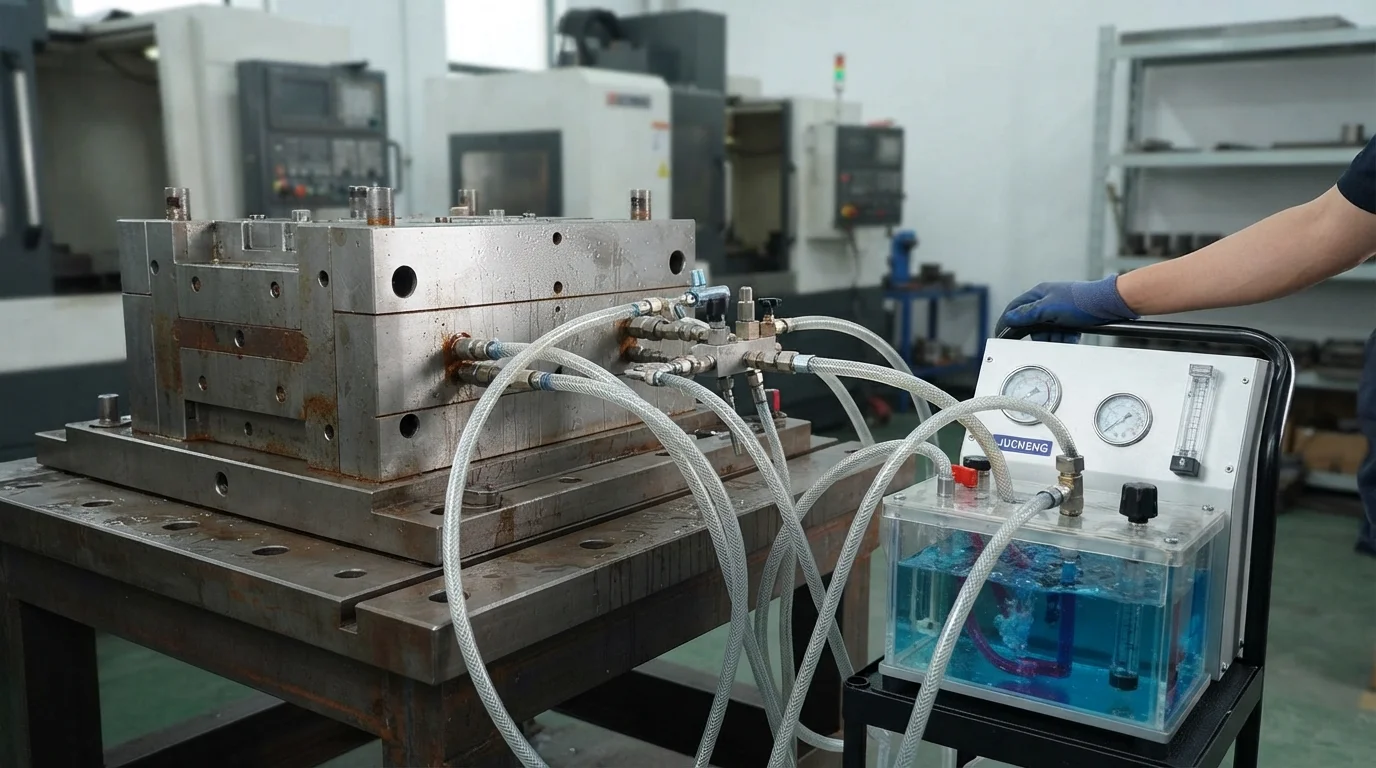
Domanda: In che modo velocità di raffreddamento più elevate si traducono direttamente in minori spese finanziarie durante la produzione commerciale di ponti? Intervalli di raffreddamento più brevi diminuiscono i secondi totali di pressa per colpo, riducendo le tariffe orarie di pressa e abbassando le spese marginali per singolo pezzo.
Poiché il tempo di pressa viene fatturato direttamente a ore, risparmiare da dieci a quindici secondi su ogni singolo ciclo di iniezione si accumula in enormi risparmi sui costi in una produzione da cinquecento o mille pezzi. L'approvvigionamento di uno stampo dedicato Servizio di attrezzaggio rapido garantisce che i layout delle linee di raffreddamento siano progettati per sfruttare appieno la superiorità termica dell'alluminio.
L'ottimizzazione della gestione termica e la massimizzazione della produttività della pressa comportano il monitoraggio di linee guida ingegneristiche chiave:
- Placing waterlines close to cavities—Routing cooling channels within optimal distance of hot polymer zones
- Balancing fluid turbulence—Ensuring coolant flow rates maintain turbulent transfer dynamics inside tool blocks
- Avoiding thermal hotspots—Targeting localized cooling inserts in deep structural ribs or thick bosses
Optimized Cooling Design and Molding at Jucheng Precision
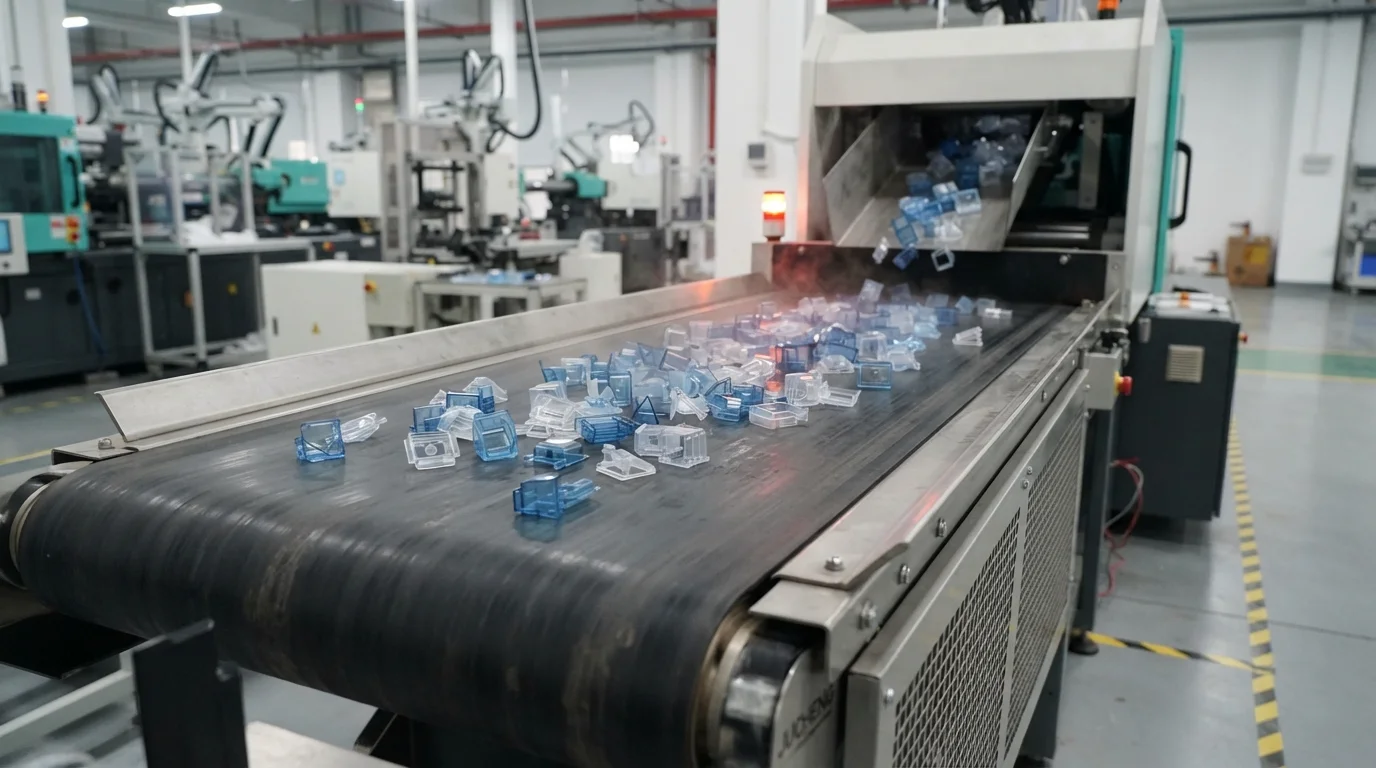
Engineered thermal control requires sophisticated CAD simulation and precise multi-axis toolroom execution. Jucheng Precision supports hardware innovators by delivering comprehensive revisioni DFM gratuite 24 ore su 24 reviews that analyze cooling line layouts, gate positioning, and alloy thermal profiles prior to cutting metal. Backed by 150+ advanced CNC machines and 35+ specialized injection molding workstations under strict ISO 9001 governance, our engineering teams ensure your bridge tooling achieves optimal cycle velocity and part stability. Explore our optimized cooling design and molding capabilities at Jucheng Precision to elevate your next manufacturing program.
Domande Frequenti (FAQ)

Why does aluminum offer higher thermal conductivity than P20 steel in molds?
Aluminum’s atomic crystal lattice and electron mobility allow it to dissipate heat roughly three to five times faster than P20 steel, rapidly pulling thermal energy away from molten polymer.
How do faster cooling rates reduce piece-part prices in injection molding?
Shorter cooling intervals decrease total machine press seconds per shot, lowering hourly press billing overhead and substantially reducing marginal per-piece manufacturing expenses.
How does Jucheng Precision optimize mold cooling performance?
Jucheng Precision provides 24-hour free DFM reviews, expert thermal simulation, and precision CNC cooling line integration across 35+ dedicated injection molding workstations.

