Developing healthcare equipment requires strict adherence to dimensional tolerances and chemical sterilization standards. High-performance polymers and medical-grade metals must withstand cyclic autoclaving or aggressive disinfectant exposure without undergoing thermal degradation. Engineering teams evaluate material limits, structural integrity, and manufacturing feasibility during early product development cycles. This comprehensive engineering review analyzes optimal fabrication techniques, biocompatibility standards, and ISO-compliant quality measures needed to bring clinical hardware safely to market.
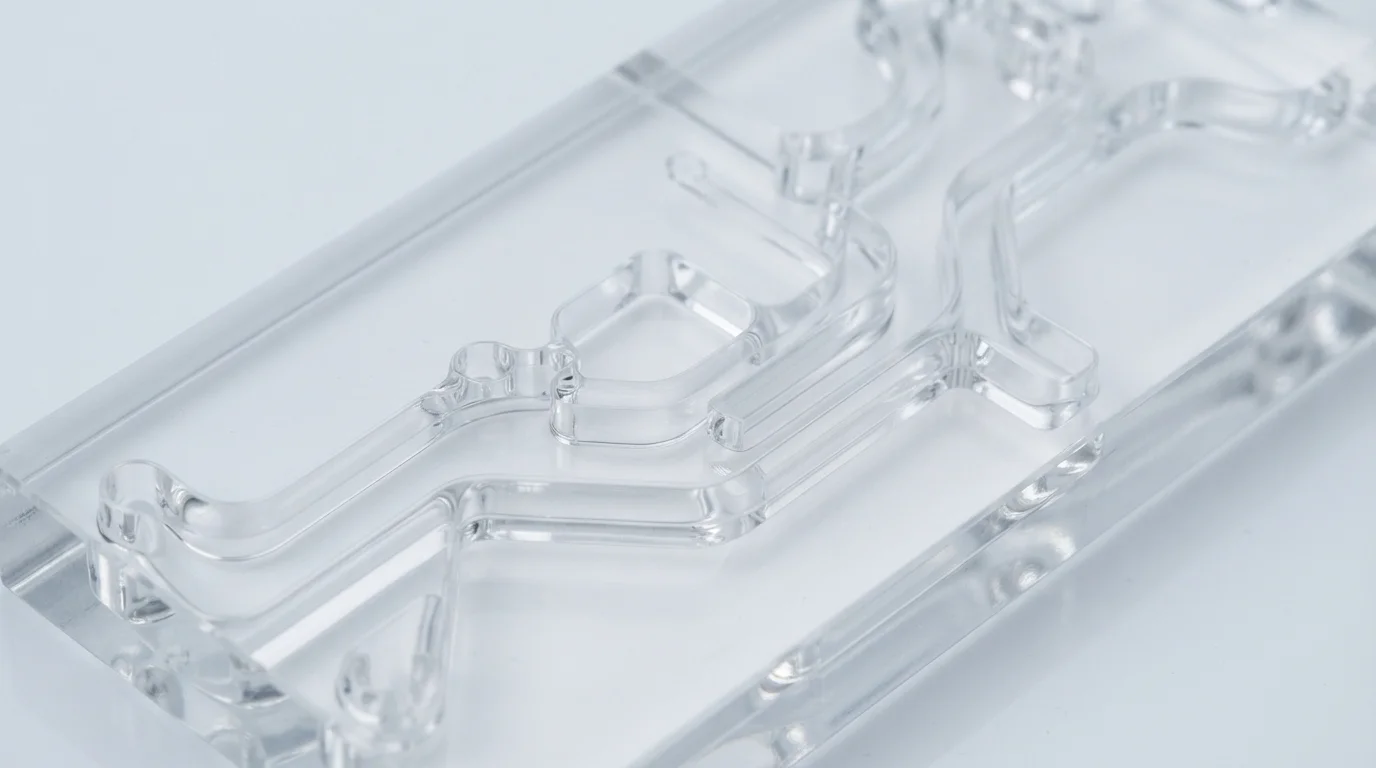
Table of Contents
1. Critical Role of Biocompatible Materials
2. CNC Machining for Surgical Tools and Handheld Devices
3. Vacuum Casting and Rapid Tooling for Medical Enclosures
Critical Role of Biocompatible Materials
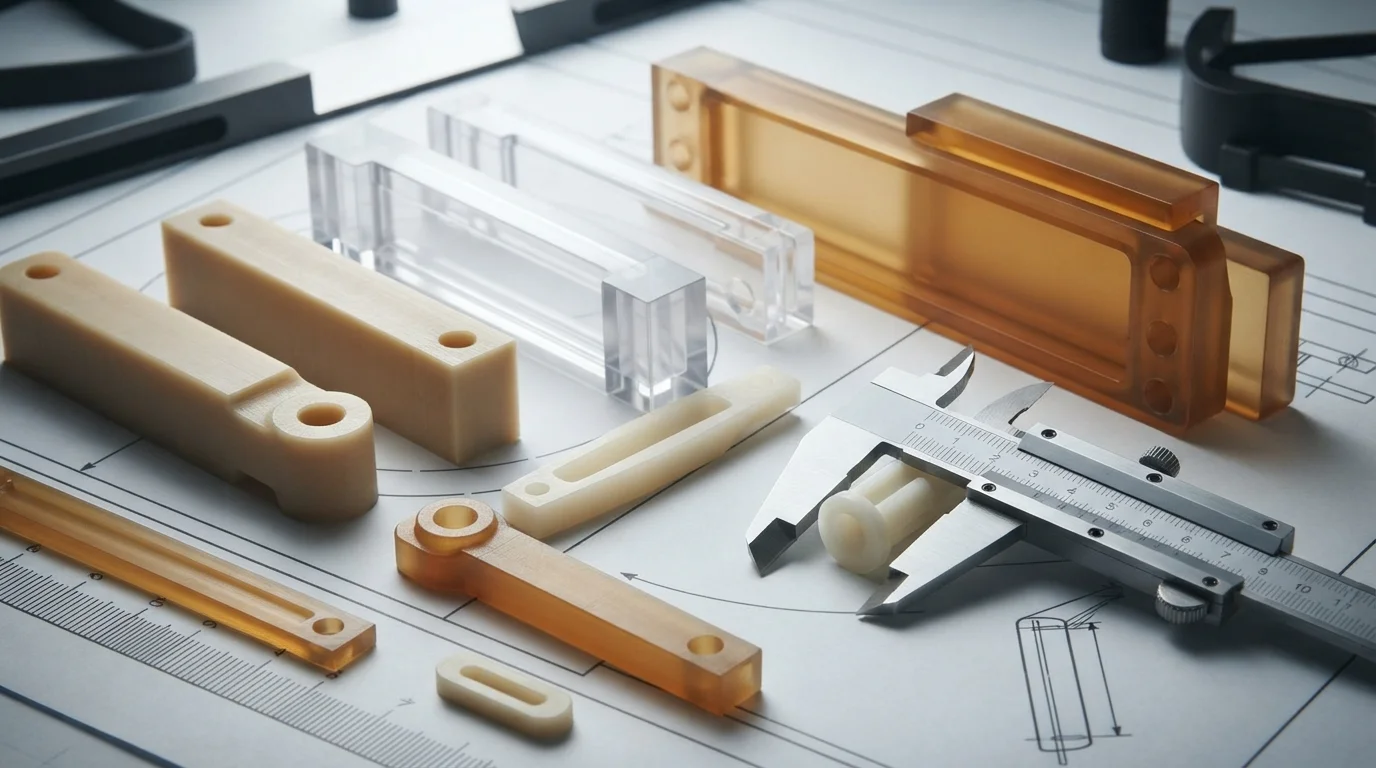
Question: Which plastics are safest for clinical evaluation? PEEK, medical-grade polycarbonate, and certified polyurethane offer excellent biocompatibility and chemical resistance.
Selecting materials for medical device prototyping involves balancing physical strength with severe biocompatibility regulations. Polyetheretherketone (PEEK), medical-grade polycarbonate (PC), and cyclic olefin copolymers (COC) frequently replace standard commercial polymers. Medical-grade engineering resins demand raw material compliance that meets ISO 10993 classifications to avoid cellular toxicity during clinical testing. Standard 3D printing resins often fail these strict criteria, making high-precision CNC machining or rapid injection molding with certified pellets essential.
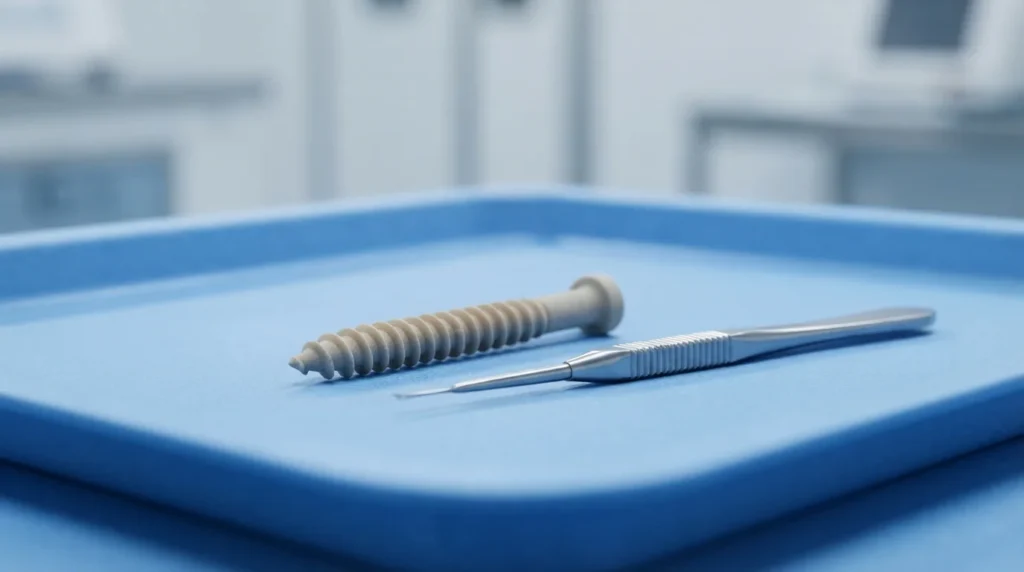
Biomaterials require extensive validation to ensure they do not leach volatile organic compounds when in contact with bodily fluids. Engineers specify sterilizable thermoplastic polymers like Ultem 1010 or Radel PPSU for surgical tools that undergo repeated high-pressure steam exposure. This detailed comparison below highlights standard engineering polymers used for medical components:
| Material Family | Tensile Strength | Sterilization Compatibility | Primary Healthcare Application |
|---|---|---|---|
| PEEK (Unfilled) | 97 MPa | Autoclave, Gamma, EtO | Implantable trials, surgical guides |
| Polycarbonate (PC) | 65 MPa | Gamma, Ethylene Oxide (EtO) | Fluidic manifolds, housings |
| Ultem 1010 (PEI) | 93 MPa | Autoclave, Gamma, EtO | Surgical trays, analytical instruments |
CNC Machining for Surgical Tools and Handheld Devices
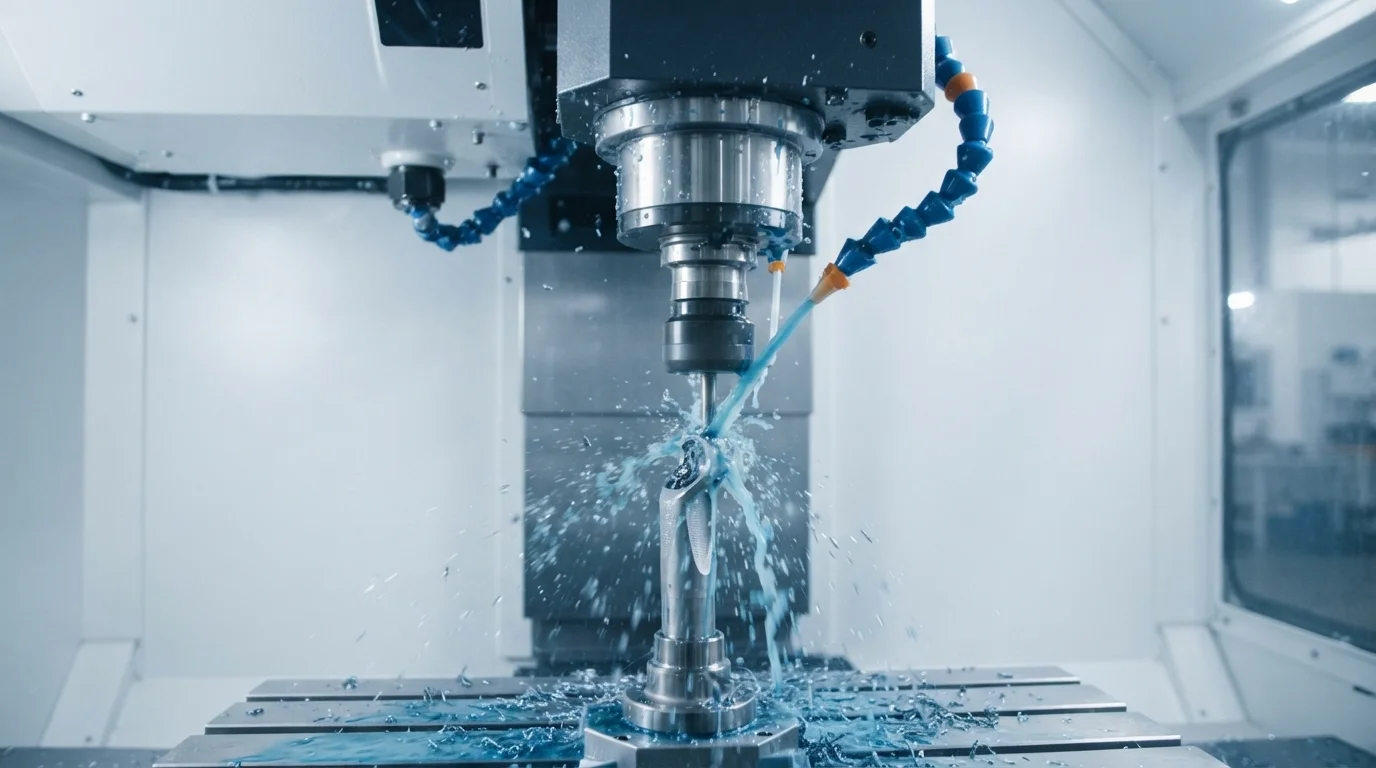
Question: Why is CNC milling preferred for orthopedic instruments? Sub-micron tolerances and pristine surface finishes prevent cellular accumulation and guarantee mechanical alignment.
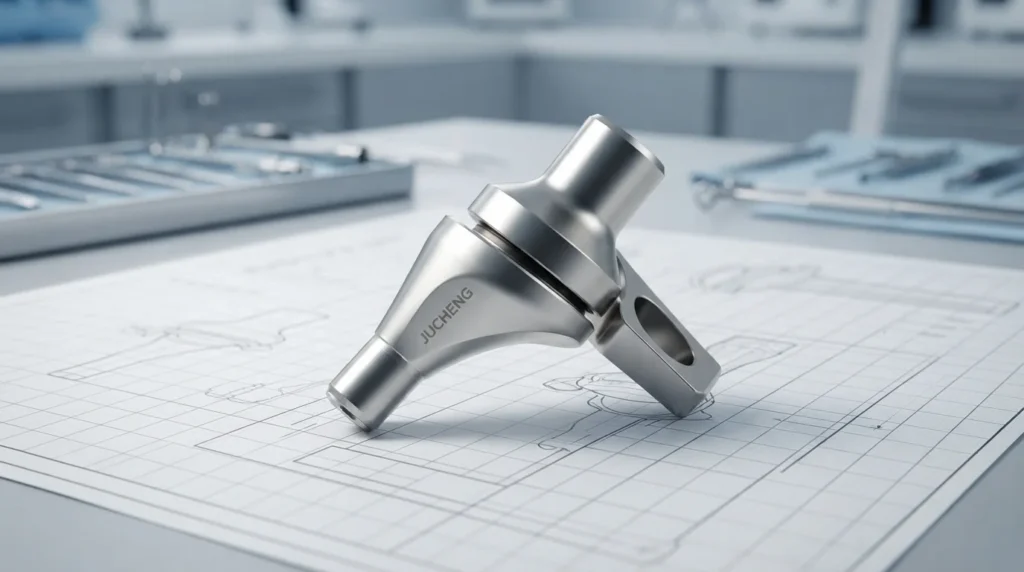
Machining surgical handheld instruments requires tight geometric dimensioning and tolerancing (GD&T) to ensure seamless mechanical interaction. Surgical drills, scalpel handles, and endoscopic graspers feature complex geometries that must be machined from stainless steel 316L, titanium Grade 5, or anodized aluminum. Sub-micron alignment prevents mechanical failure during delicate clinical operations.
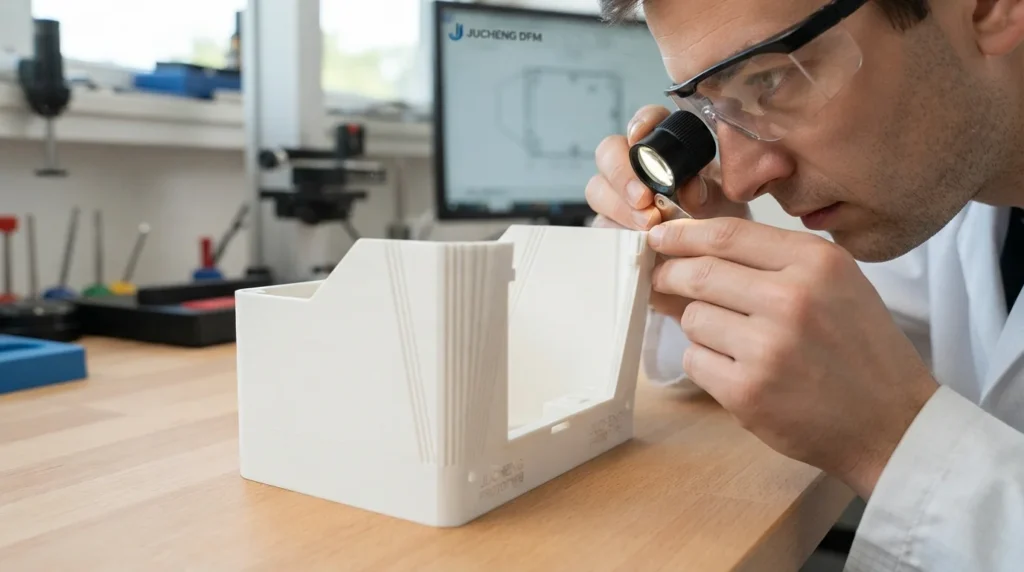
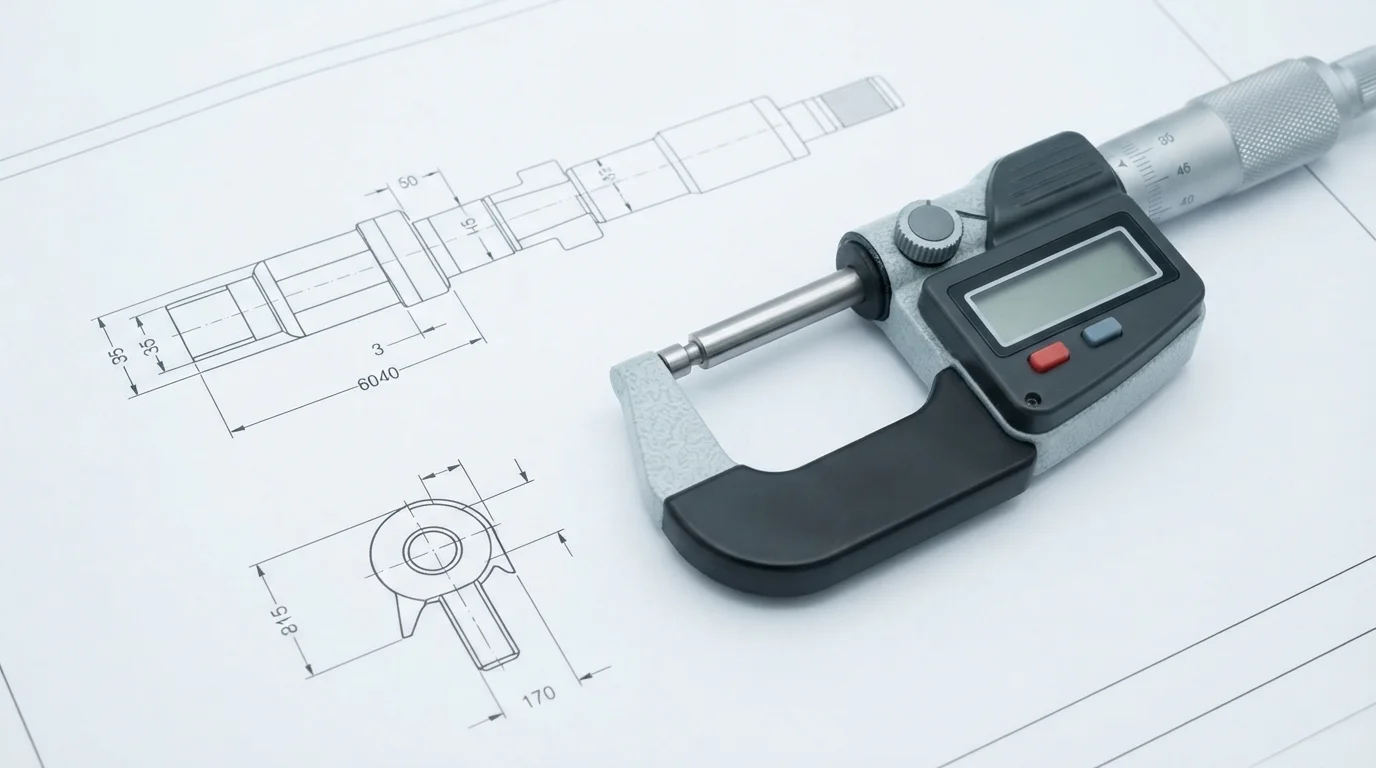
Multi-axis CNC milling accelerates medical device prototyping for complex mechanical assemblies. Precision-machined surfaces undergo passive electropolishing to eliminate micro-burrs where bacterial contamination could occur. Quality control specialists verify critical dimensions using advanced vision systems and optical comparators to confirm total compliance with engineering specifications.
Vacuum Casting and Rapid Tooling for Medical Enclosures
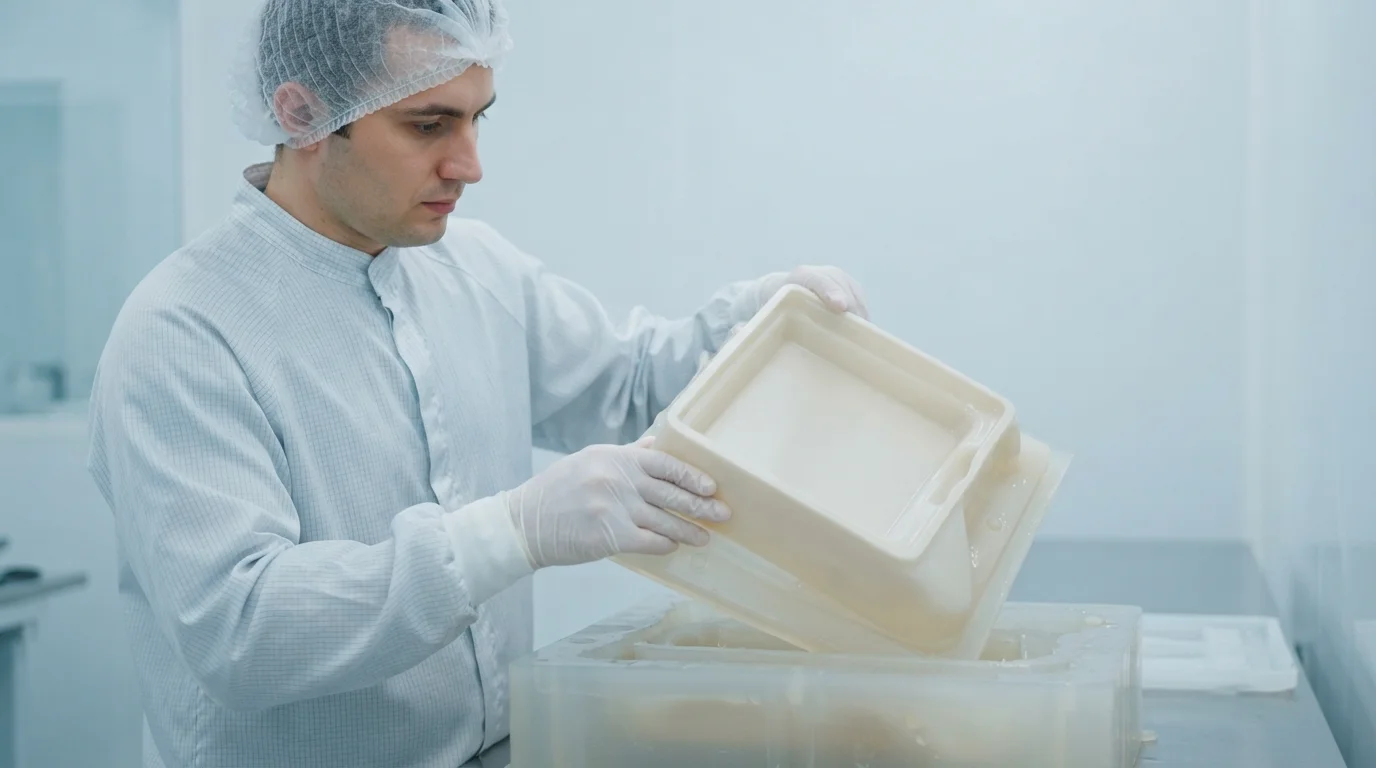
Question: How are low-volume medical housings fabricated cost-effectively? Vacuum casting in polyurethane replicates production-grade ABS properties without expensive steel mold costs.
Large-format medical housings for diagnostic ultrasound systems or MRI consoles require robust, flame-retardant enclosures. Polymer formulations must achieve UL94-V0 flammability ratings to comply with hospital safety guidelines. Vacuum casting using silicone molds provides an excellent low-volume solution for physical fitment testing.
Transitioning from silicone molds to rapid tooling bridge molds allows developers to produce hundreds of functional plastic parts. Rapid tooling using aluminum core and cavity inserts delivers genuine injection-molded parts within weeks. Various rapid prototyping applications require this strategic balance between cosmetic finish and structural load capacity.
ISO 13485 Certified Prototyping at Jucheng Precision
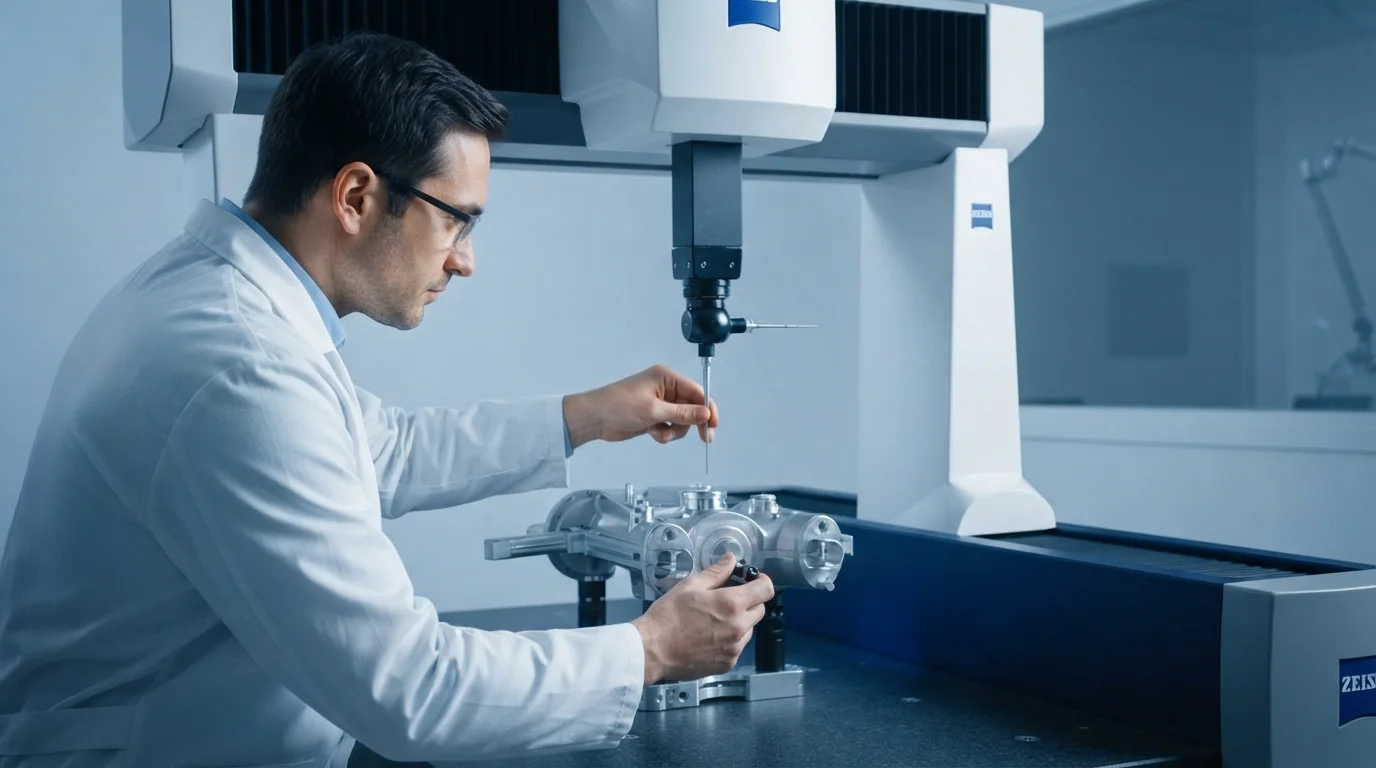
Question: What compliance certifications are mandatory for medical manufacturing? Quality management systems must achieve ISO 13485 certification to guarantee traceability.
Regulatory approval for clinical hardware relies heavily on documenting every step of the manufacturing journey. Jucheng Precision maintains a certified ISO 13485 quality management system specifically tailored for medical part manufacturing. Factory protocols guarantee strict Lot Traceability for raw resins, metal billets, and processing steps. Quality assurance personnel generate comprehensive inspection reports using automated CMM Zeiss metrology systems.
Operating as an engineering bridge to production, we eliminate risks associated with scale-up manufacturing by implementing robust DFM checks. Technical reviews are delivered within 24 hours to optimize parting lines, draft angles, and wall thicknesses. Flexible manufacturing programs with no minimum order quantities (no MOQ) allow medical startups to order precise prototype quantities without upfront financial penalties.
Collaborating with Jucheng Precision ensures your medical device prototyping phase transitions smoothly into clinical trials. Production-grade prototypes undergo meticulous functional validation, reducing engineering revision cycles. Engineers secure reliable hardware components optimized for life-saving applications.
Frequently Asked Questions (FAQ)
How does Jucheng Precision guarantee material traceability for medical prototypes?
Raw material batches undergo strict validation upon entering our facility, accompanied by official Certificate of Analysis (CoA) records. Each production step is recorded in our tracing logs to satisfy medical audit requirements.
What is the typical lead time for a custom surgical tool prototype?
Surgical tool prototypes machined from titanium or stainless steel are typically completed within 5 to 7 business days. Complex multi-part assemblies requiring specialized micro-milling may take up to 10 days depending on tolerances.
Can medical prototypes be manufactured in an ISO Class 7 cleanroom?
Injection molded parts and rapid assemblies requiring low bioburden environments are processed in certified cleanroom enclosures. Cleanroom manufacturing prevents environmental particulates from contaminating sensitive fluidic channels or implant surfaces.