


Checking a sleeve against its own drawing is necessary, but it does not settle the whole fit question. The sleeve sits between other controlled components. Its relationship with the cylinder head and injector can change when a material, seating detail, or mating-part revision changes. A useful fuel injector sleeve review therefore begins with all three definitions, not just the most convenient part to measure.
For a component developer or manufacturing buyer, this is a configuration and acceptance problem before it becomes a machining problem. The objective is to produce a sample whose material, geometry, surface condition, and reference parts are known. This guide covers that development scope; it does not provide engine repair, installation, or interchange instructions.
Identify the configuration before comparing materials
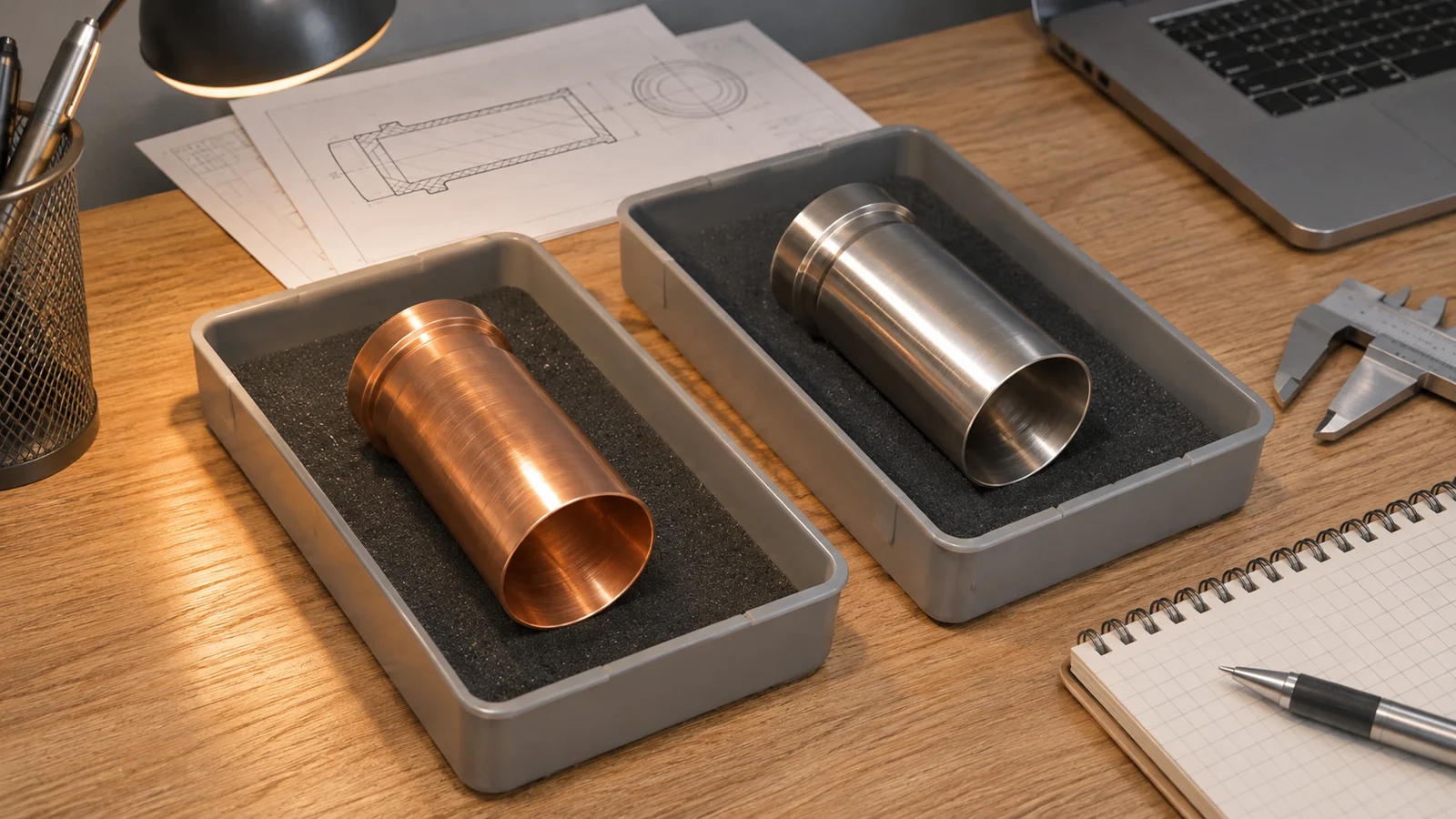
Copper and stainless steel are not interchangeable answers to a generic sleeve question. A Volvo service bulletin preserved by NHTSA discusses sleeve configurations and materials within specified engine applications. Its application limits matter. The document does not justify substituting one material for another in every cylinder head or retaining unrelated installation details after a design change.
Use that distinction when preparing a prototype brief. Record the engine or development configuration, the sleeve drawing revision, the injector reference, the head reference, and the intended material specification. If the project is evaluating a new configuration, identify it as a development variant. Do not present it as an approved replacement solely because an existing sleeve has similar external dimensions.
Material review should also separate alloy identification from delivery condition. The manufacturing plan may depend on the starting form, condition, subsequent operations, and required final surface. Generic labels such as copper sleeve or stainless sleeve leave too much unresolved for a meaningful quotation comparison. They also make it difficult to interpret differences found during a trial assembly.
Map the three-part interface on one review sheet
Start with a sectioned assembly drawing or another controlled view that makes the relationships visible. Identify which surfaces locate the sleeve in the head, which features relate to the injector, and which details belong to the specified sealing arrangement. Do not assume that a visually prominent face is the primary manufacturing reference. The reference system must follow the actual design requirements.
| Relationship | Information to supply | Question for acceptance |
|---|---|---|
| Sleeve to cylinder head | Controlled receiving geometry and relevant seating references | Does the sleeve meet the specified locating and contact definition? |
| Sleeve to injector | Mating injector geometry and its revision | Is the intended relative position represented by the sample? |
| Sleeve and specified sealing features | Applicable configuration and final surface requirements | Were the required features produced in the correct final state? |
| Complete development assembly | Identification of all mating parts and evaluation scope | Which relationships were actually checked together? |
This table is a planning aid, not a substitute for an engine-specific acceptance specification. A sleeve supplier can inspect defined features, but cannot infer undisclosed mating geometry from a loose sample. If only a physical reference is available, distinguish dimensions taken from that sample from requirements confirmed by the design owner. Wear, damage, and previous modification can make an old component a misleading manufacturing master.
For a fuel injector sleeve component enquiry, Jucheng Precision’s machining scope should be discussed against this interface sheet. That gives the buyer a concrete basis for reviewing the features to be produced, the references used for inspection, and any mating samples needed. It avoids turning a request for one thin-wall part into an unsupported promise about the complete engine assembly.
Choose a blank route around the development question
Producing a sleeve from stock, developing a tube-based blank, and evaluating a formed construction are different assignments. A stock-machined sample can help review geometry without committing immediately to a dedicated blank route. It does not reproduce every consequence of another starting form or process. Record the difference when the sample is used to make a later manufacturing decision.
Thin walls make workholding and release conditions worth discussing explicitly. Ask how the relevant surfaces will be supported during machining, which features remain accessible, and in what condition the part will be measured. The drawing should identify the required acceptance state. Measurements taken while a part is constrained do not automatically represent the same geometry after it is released.
Jucheng Precision’s stainless steel material page is a useful starting point when the approved configuration calls for a specified stainless grade. It is not evidence that stainless steel is the correct substitute for a copper configuration. The material choice remains a design decision; the supplier’s role is to review how the approved material and condition affect the proposed component route.
Protect seating features through the final operation
List the features that could be changed by deburring, cleaning, finishing, or handling. A general instruction to remove sharp edges can be inadequate when an edge belongs to a controlled seating or sealing detail. The part drawing should distinguish intentionally controlled geometry from edges that may be treated under a general requirement. Resolve uncertainty before a sample is modified.
The inspection report should identify the final state of the sleeve. If an intermediate measurement is retained for process control, label it accordingly. Avoid combining measurements from different states into an apparently complete final report without explaining the sequence. A buyer needs to know whether a seating feature was checked before or after the last operation capable of changing it.
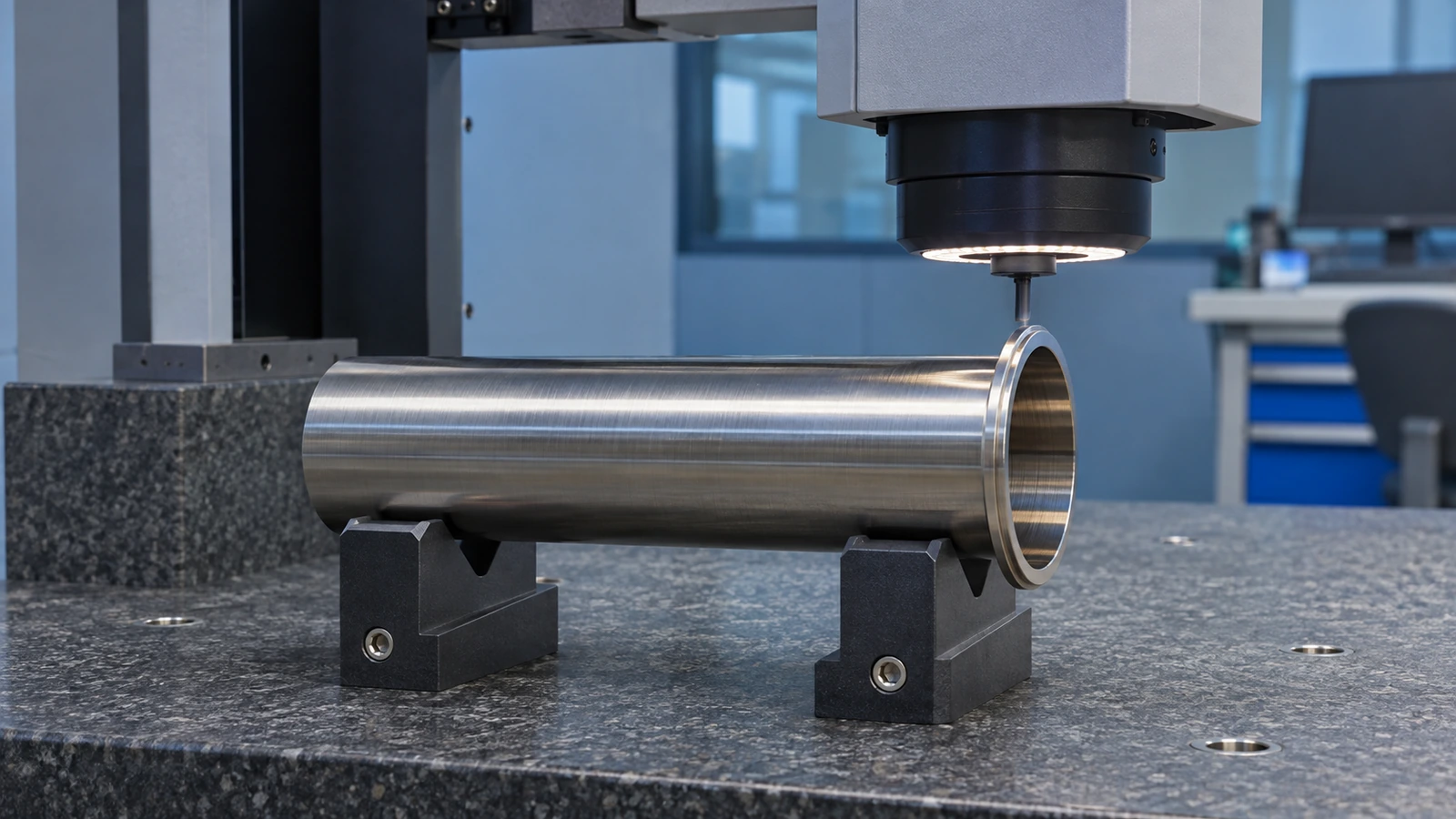
Packaging belongs in this discussion when contact surfaces can be damaged by loose-part handling. Define the protection needed for the approved features and how samples are individually identified. This is a practical procurement requirement, not a claim that a particular packaging method establishes cleanliness, sealing performance, or readiness for engine installation.
Investigate a mismatch without changing three variables
Imagine a hypothetical review in which a new sleeve material, an altered seating detail, and a different injector reference are introduced in one prototype lot. If the assembly result differs from the baseline, the lot cannot isolate which change caused it. The useful response is a controlled comparison plan, with each variant identified and the mating references held consistent where the engineering question requires it.
For the fuel injector sleeve itself, compare the defined locating features, seating geometry, and final condition before deciding that a material change is responsible. Check whether the inspected part and the evaluated assembly use the same revisions. Record any adjustment made during the review. An adjusted sample can still be informative, but it no longer represents the original drawing without qualification.
This approach makes a manufacturing discussion more productive. Jucheng Precision can review component files and prototype scope with the relevant material and interface requirements visible. Engine-specific compatibility, leakage, thermal behavior, and service validation remain separate responsibilities that need an agreed engineering basis and appropriately qualified evaluation.
Additional questions for the prototype order
Is a sectioned sample useful alongside complete sleeves?
It can be useful when the review needs access to an otherwise hidden feature, provided the sectioning purpose and method are agreed. Identify it separately from complete parts. A sectioned sample is not evidence that every supplied sleeve has the same condition unless the sampling and acceptance plan supports that conclusion.
Should legacy and development variants travel together?
Only with clear segregation and identification. Label their revisions, material conditions, and intended evaluations so that a baseline reference cannot be mistaken for an installation-approved development part. Keep the comparison record tied to the actual components used.
To define a focused next step, send Jucheng Precision the sleeve and mating-interface references. A useful quotation should state the component route, inspection state, supplied references, and unresolved validation requirements before production work begins.