


Aerospace Materials: Titanium, Superalloys, and Polymers
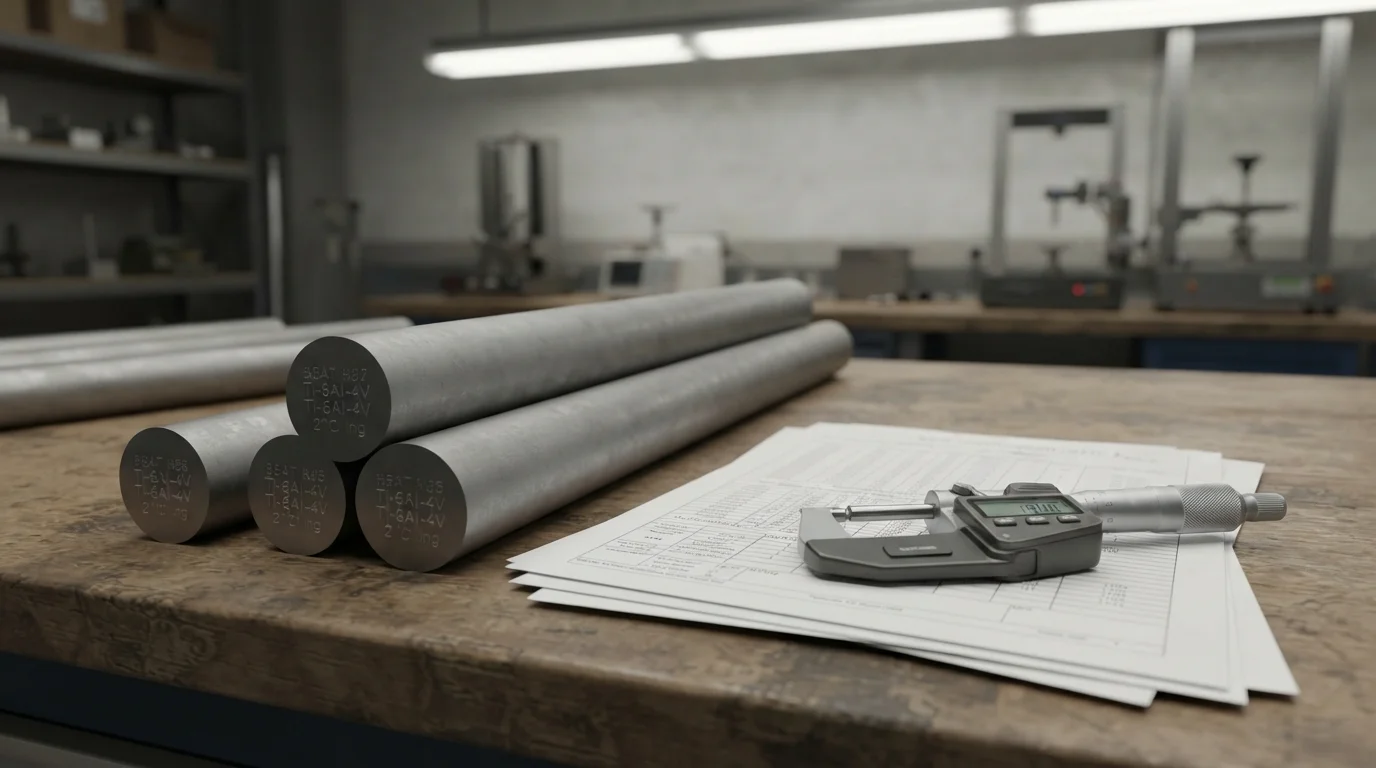
Operating aircraft and orbital space vehicles requires engineering substrates that withstand blistering combustion chamber temperatures, deep-space thermal cycling, and aggressive aerodynamic shear forces. When aerospace structural engineers specify certified aerospace materials, selecting the proper alloy or high-performance polymer dictates whether an airframe survives thousands of flight pressurization cycles without fatigue failure. Using unverified commercial-grade stock introduces catastrophic micro-porosity and fracture risks that instantly void airworthiness certifications.
Utilizing an experienced contract manufacturing partner ensures that flight-grade titanium (Ti-6Al-4V Grade 5) and nickel-based Inconel 718 superalloys are machined without inducing destructive work hardening. Let us examine the metallurgical classifications, superalloy thermal envelopes, and space-grade polymers that drive modern aviation engineering.
Module 1 – Definition and Working Principles of Flight-Grade Metallurgical Science
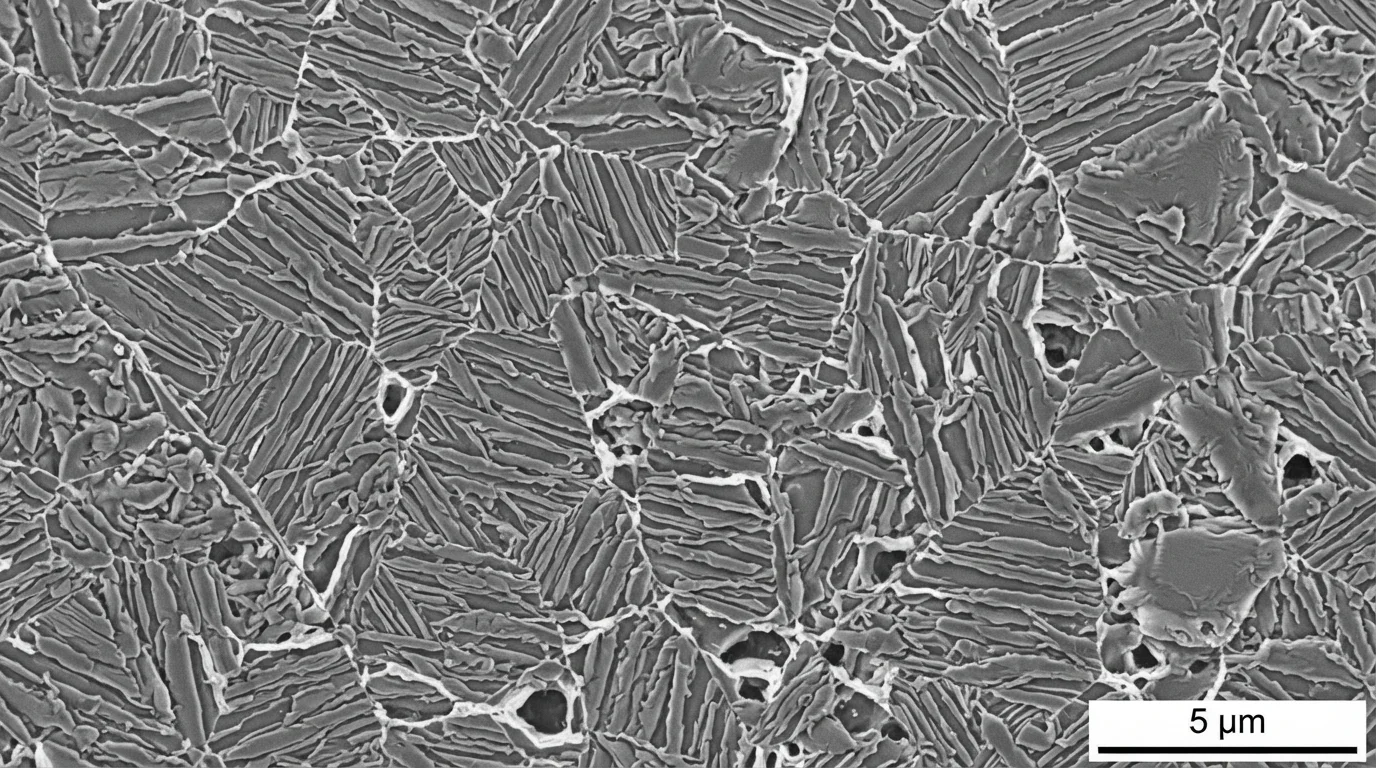
Aerospace material engineering evaluates the strength-to-weight ratio, fracture toughness, thermal expansion stability, and creep resistance of metallic and non-metallic substrates under extreme operational envelopes. The working principle relies on fine-tuning atomic crystal structures through vacuum arc remelting, controlled forging, and artificial aging heat treatments. While structural airframe bulkheads are shaped via precision lavorazione CNC a 5 assi, lightweight cabin brackets and radomes depend on specialized PEEK polymers to shed critical launch mass.
To execute a structured material selection protocol for flight-critical hardware, engineering teams could follow these practical steps:
- Thermal Profile Analysis: Map localized operating temperatures to assign structural AL7075-T6 aluminum below 120°C, titanium up to 400°C, and nickel superalloys for 700°C+ hot turbine zones.
- Specific Strength Auditing: Calculate yield strength divided by density to maximize airframe weight reduction without compromising structural safety factors.
- Mill Certificate Verification: Validate authentic Material Test Reports (MTR) to confirm chemical composition and ultrasonic flaw detection integrity.
Module 2 – Core Application Scenarios Across Airframe and Propulsion Systems
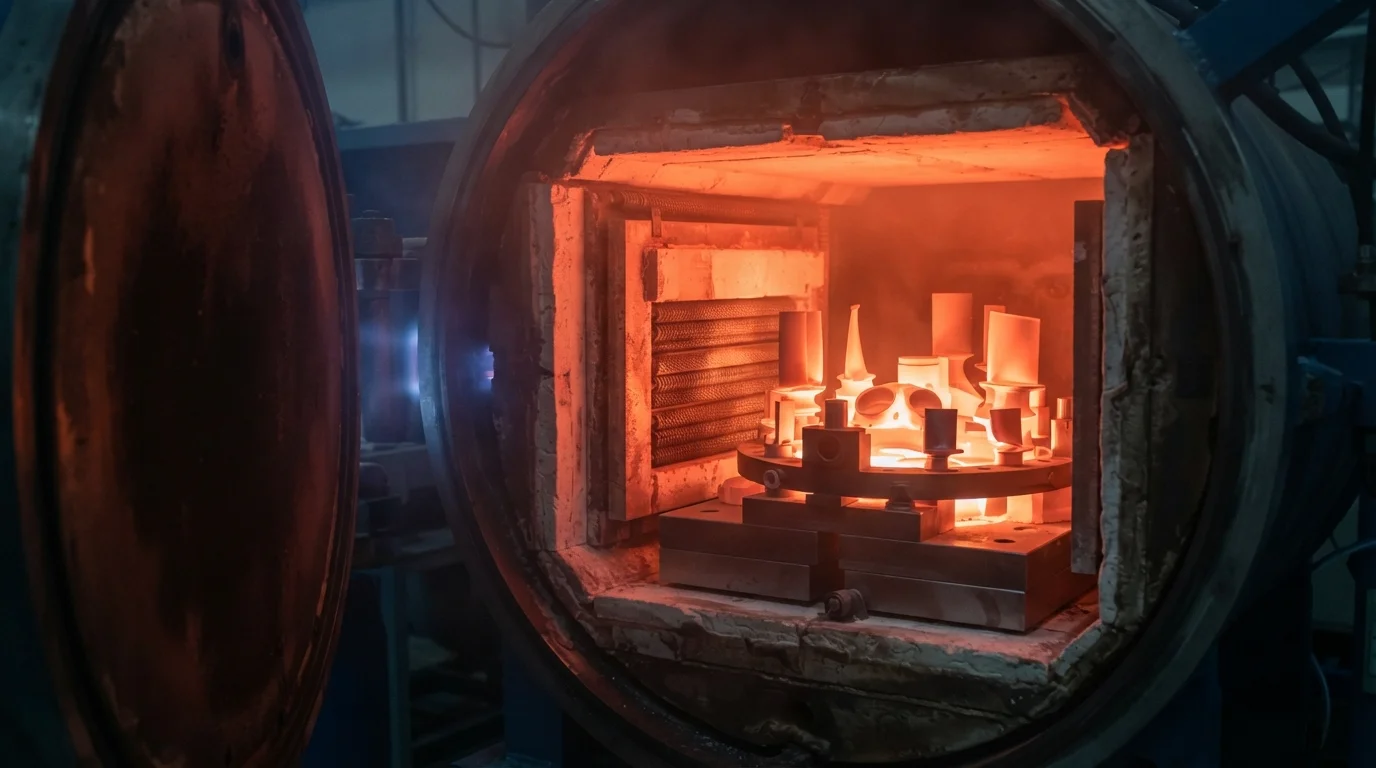
Deploying specialized flight substrates is mandatory across commercial airliners, military fighter jets, satellite launch vehicles, and unmanned reconnaissance drones where material failure causes immediate vehicle loss. When aerospace OEMs construct jet propulsion assemblies, sourcing certified aerospace materials guarantees creep rupture resistance during sustained high-thrust operations. Discussions across aerospace engineering communities on Reddit and Facebook emphasize that vacuum-melted superalloys are indispensable for turbine rotor reliability.
I settori applicativi principali includono:
- Fuselage & Wing Assemblies: Machining high-strength AL2024 wing skins and AL7075-T6 internal ribs for maximum cyclic fatigue life.
- Turbine Engine Hot Sections: Turning Inconel 718 turbine discs, combustion chamber liners, and afterburner brackets capable of withstanding 700°C+ exhaust streams.
- Avionics & Cabin Interiors: CNC milling flame-retardant Ultem 9085 and PEEK conduits to replace heavy metal brackets with space-grade polymers.
Modulo 3 – Fattori chiave di selezione per il successo del progetto
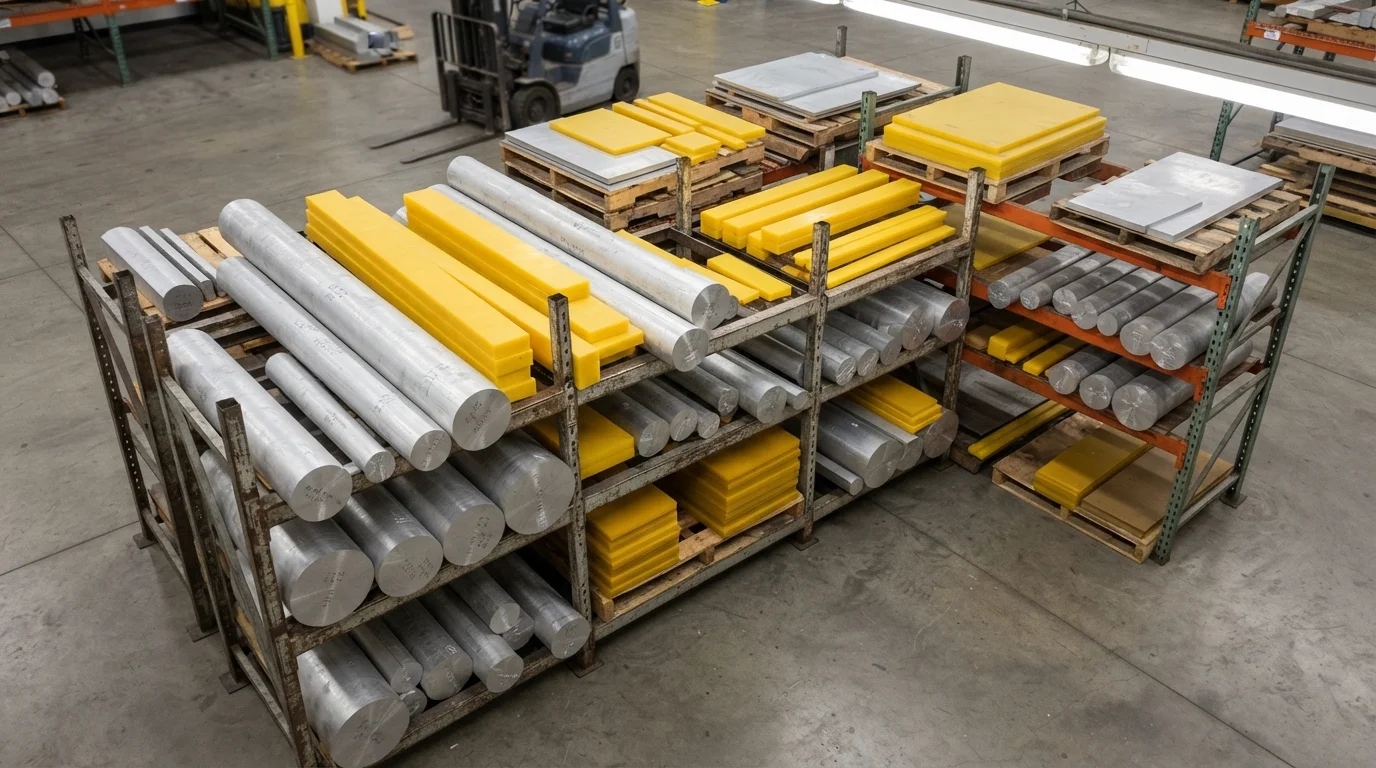
When selecting material grades for aerospace hardware, engineering teams must evaluate operating temperature limits, machinability ratings, and raw material mill certification standards. Evaluating these core parameters ensures your parts survive rigorous flight envelopes.
| Grado del materiale | Operating Temp Limit | Primary Aerospace Advantage |
|---|---|---|
| Titanium Ti-6Al-4V Grade 5 | Up to 400°C | Exceptional strength-to-weight ratio, high corrosion defense, galvanic compatibility |
| Inconel 718 Superalloy | Up to 700°C+ | High creep rupture strength, oxidation resistance in jet exhaust sections |
| Alluminio AL7075-T6 | Up to 120°C | High tensile yield strength (500 MPa), lightweight, excellent CNC machinability |
Modulo 4 – Suggerimenti per l'installazione e la manutenzione
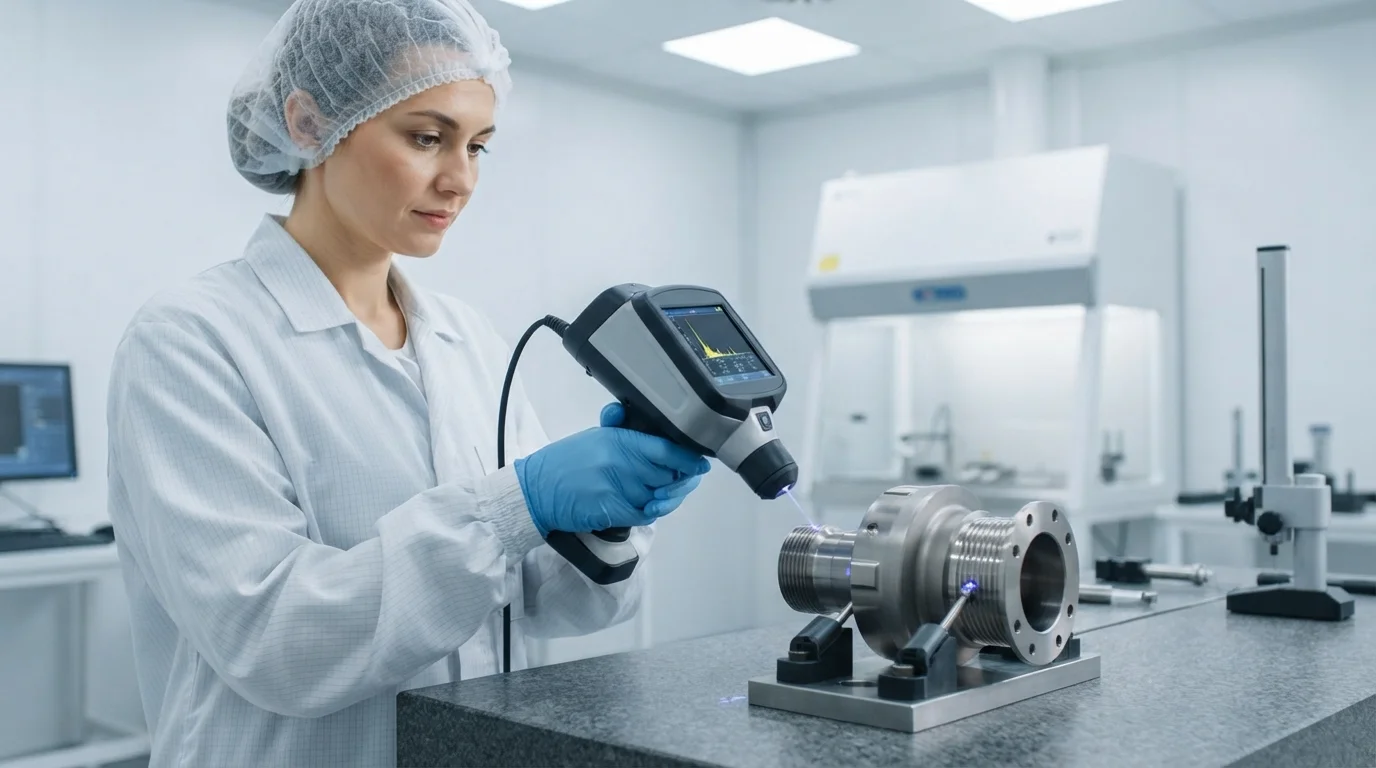
Proper material handling, thermal stress relief, and routine non-destructive flaw inspection safeguard structural flight components across extended aircraft operational lives. Protecting raw alloy surfaces from galvanic corrosion ensures long-term airframe safety.
I principali suggerimenti per l'installazione e la manutenzione includono:
- Galvanic Isolation: Install non-conductive primer or cadmium-plated fasteners when bolting carbon fiber composites to aluminum airframes to prevent electrolytic corrosion.
- Stress Relief Vacuum Baking: Heat-treat heavy CNC-machined titanium and Inconel brackets after rough milling to relieve residual internal stress before final finish passes.
- Climate-Controlled Raw Storage: Store raw aerospace alloy bars and high-performance polymer billets inside temperature- and humidity-controlled warehouses to prevent atmospheric contamination.
Modulo 5 – Domande frequenti (FAQ)
1. Why is Inconel 718 so difficult to machine in aerospace applications?
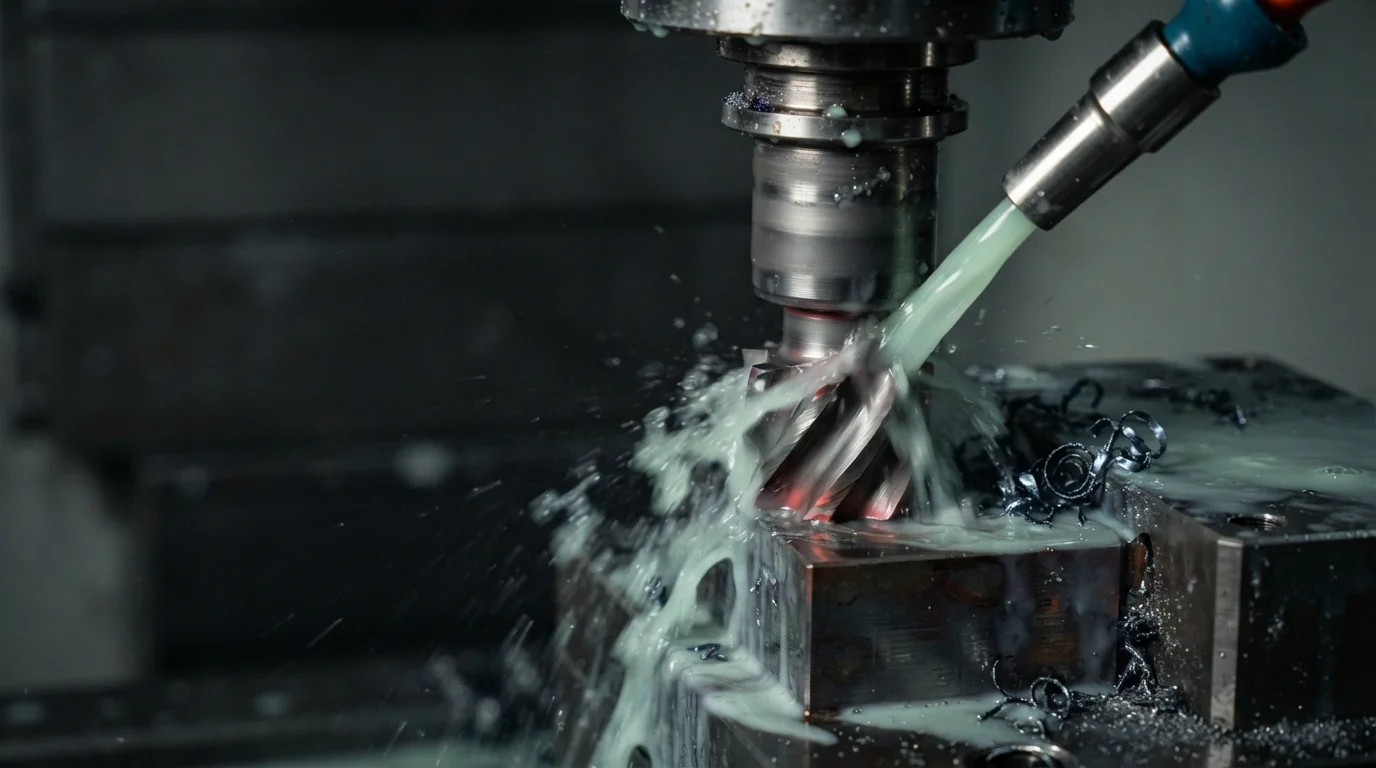
Inconel 718 work-hardens rapidly during cutting, possesses poor thermal conductivity that traps heat at the cutter tip, and contains abrasive carbide phases that accelerate tool wear, requiring rigid machines and specialized coatings.
2. What makes Titanium Ti-6Al-4V Grade 5 the gold standard for aircraft structures?
It offers an unmatched strength-to-weight ratio, exceptional fatigue resistance, complete corrosion immunity in marine atmospheres, and high thermal stability up to 400°C.
3. What is the difference between AL7075-T6 and AL2024 aerospace aluminum?
AL7075 (zinc alloyed) provides higher ultimate tensile strength for compression-loaded wing ribs, while AL2024 (copper alloyed) offers superior fatigue crack growth resistance for tension-loaded fuselage skins.
4. Why are engineering polymers like PEEK and Ultem replacing metals in cabin components?
PEEK and Ultem 9085 deliver up to 50% weight savings compared to aluminum, meet strict FAR 25.853 flame-smoke-toxicity standards, and resist outgassing in vacuum space environments.
5. What documentation proves that a metal batch is genuine aerospace grade?
A certified Material Test Report (MTR) from the primary mill documenting chemical spectrometry composition, heat lot numbers, mechanical tensile tests, and ultrasonic NDT test results proves authenticity.
6. How does Jucheng Precision guarantee raw material authenticity?
Jucheng Precision enforces 100% lot traceability, sourcing directly from audited aerospace mills and providing verified Material Test Reports (MTR) under ISO 9001 and AS9100 quality frameworks.
Modulo 6 – Perché scegliere JUCHENG per il tuo progetto
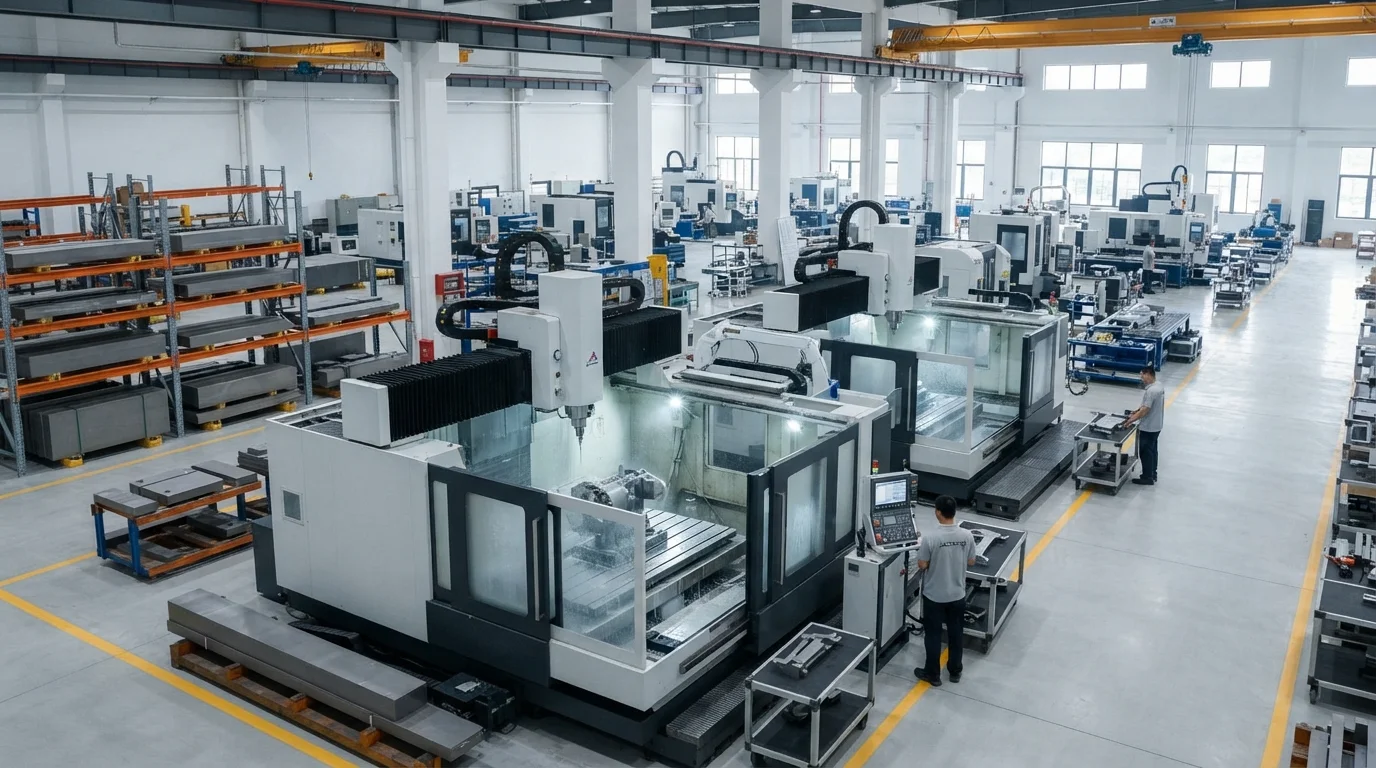
Achieving uncompromising flight safety requires an experienced manufacturing partner with certified material handling and multi-axis machining infrastructure. JUCHENG supports aerospace innovators by delivering comprehensive revisioni DFM gratuite 24 ore su 24 reviews that analyze alloy cutting characteristics, toolpaths, and heat-treatment cycles prior to cutting metal. Founded in Shenzhen in 2012 with an 8,000-square-meter facility in Dongguan, our factory houses 150+ advanced machines, including 25+ high-performance 5-axis Haas and Mazak milling centers [9.10].
Backed by ISO 9001, ISO 14001, ISO 13485, and IATF 16949 certifications, our engineering teams ensure that sourcing certified aerospace materials achieves complete chemical authenticity, full Material Test Report (MTR) traceability, and absolute batch consistency.
Ready to Source Certified Materials for Your Flight Hardware?
Carica oggi i tuoi modelli 3D per ricevere feedback immediato, prezzi competitivi e analisi DFM professionali dai nostri esperti ingegneri. Lascia che JUCHENG dia vita ai tuoi progetti complessi con velocità e affidabilità senza pari!

