

Applicazioni della pressofusione: scegliere il percorso di approvvigionamento migliore
Visualizzazioni: 1 Autore: Allen Xiao Data di pubblicazione: 2026-06-15


L'approvvigionamento di parti metalliche personalizzate per applicazioni industriali critiche comporta solitamente enormi compromessi finanziari e geometrici. I metodi di produzione standard falliscono completamente quando il tuo progetto richiede involucri a parete sottile che devono resistere contemporaneamente a vibrazioni ad alta frequenza, sostanze chimiche corrosive e temperature estreme. Lanciare questi prodotti con successo richiede la scelta di un fornitore che domini tutte le lavorazioni personalizzate applicazioni di pressofusione.
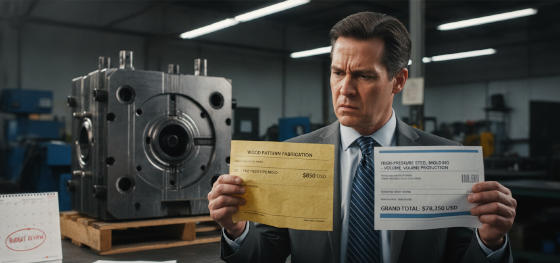
Affrettarsi ciecamente verso attrezzature in acciaio permanenti per grandi volumi è una trappola pericolosa. Le startup spesso sprecano capitale prezioso in stampi costosi prima di convalidare il progetto finale, mentre le aziende mature perdono tempo con percorsi di taglio lenti quando dovrebbero produrre in serie. Trovare il perfetto equilibrio tra queste tecniche mantiene sani i margini di produzione.
Consolidare l'intera pipeline hardware all'interno del nostro impianto di produzione di precisione avanzato elimina i ritardi logistici e le accuse reciproche tra fornitori. Analizziamo come la metallurgia ad alta pressione sta plasmando le industrie moderne, esaminiamo le nostre capacità di lavorazione personalizzate di base ed esploriamo la catena di fornitura definitiva per l'hardware di nuova generazione.
contenuto:
Produzione innovativa: perché l'iniezione di metallo fuso domina
Soluzioni per nuove energie: hardware automobilistico e per l'energia
Sistemi medici e sanitari
Hardware per l'elettronica di consumo
Richiedi ad alta quota: hardware aerospaziale e aeronautico
Tecnologie emergenti: robotica e UAV commerciali
Approvvigionamento chiavi in mano dalla fabbrica: bypassare gli intermediari con JC Rapid
FAQ: Risposte oneste su ammortamento e stampi in acciaio
Produzione innovativa: perché l'iniezione di metallo fuso domina
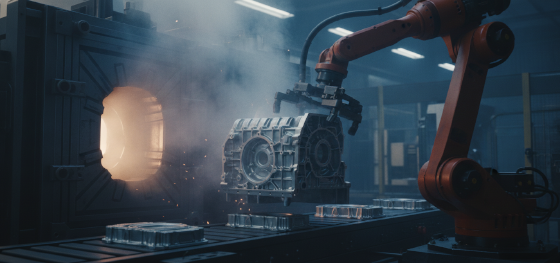
Quali vantaggi fisici rendono l'iniezione di metallo ad alta pressione lo standard indiscusso per l'hardware moderno?
Il processo garantisce una consistenza assoluta della forma netta, consentendo alle fabbriche di iniettare geometrie complesse e sottili come carta a velocità di ciclo elevate, eliminando la necessità di costose lavorazioni secondarie.
La lavorazione tradizionale spreca quantità incredibili di materiale quando si scavano strutture cave complesse da blocchi di metallo solido. L'iniezione ad alta pressione risolve completamente questo spreco di materiale forzando le leghe liquide direttamente nella forma esatta del tuo file CAD.
Superare il migliaio di unità cambia completamente la matematica finanziaria del tuo progetto. La velocità automatizzata delle macchine moderne riduce il costo unitario continuo a pochi centesimi, rendendola la scelta commerciale più redditizia per una lunga serie di produzione.
Soluzioni per nuove energie: hardware automobilistico e per l'energia

In che modo le leghe leggere aiutano i produttori di veicoli elettrici a massimizzare l'autonomia di guida?
Le leghe di alluminio e magnesio riducono di quasi il sessanta per cento il peso della tradizionale ghisa, consentendo ai veicoli elettrici di trasportare enormi carichi di batterie senza sacrificare la sicurezza strutturale.
Progettare parti strutturali pesanti come i fusi a snodo richiede porosità interna zero. Impieghiamo la pressofusione assistita dal vuoto per aspirare tutto l'ossigeno dalla cavità dello stampo millisecondi prima dell'iniezione, prevenendo i vuoti interni che causano la rottura del metallo sotto pressione.
La lavorazione di componenti automobilistici complessi in grandi volumi è una specialità del nostro stabilimento. Combiniamo la pressofusione automobilistica ad alta velocità con lo stampaggio personalizzato di lenti in PMMA/PC, permettendoti di ottenere gruppi ottici anteriori completamente assemblati sotto un unico tetto consolidato.
Sistemi medici e sanitari

Perché le macchine diagnostiche sensibili richiedono involucri metallici rigidi?
Il metallo solido agisce naturalmente come una gabbia di Faraday impenetrabile, bloccando completamente le interferenze elettromagnetiche (EMI) che potrebbero disturbare le delicate letture dei sensori medici.
Sopravvivere alla candeggina per sterilizzazione quotidiana in ospedale richiede una pelle esterna estremamente durevole. L'applicazione di rivestimenti chimici specializzati e vernice a polvere di grado medico garantisce che i tuoi assemblaggi di pressofusione medicale resistano ai fluidi sanitizzanti aggressivi senza difetti di rigonfiamento.
Raggiungere tolleranze microscopiche è obbligatorio per gli strumenti chirurgici. Abbiamo abbinato le nostre linee di iniezione ad alta pressione direttamente con il nostro interno Fresatura sottrattiva a 5 assi centri per post-lavorare superfici di montaggio critiche, garantendo un perfetto allineamento meccanico.
Hardware per l'elettronica di consumo

Come fanno i marchi di hardware a ottenere quella texture metallica opaca premium e non riflettente?
Eseguendo una sabbiatura ad alta pressione con microsfere di vetro direttamente su una fusione non porosa, seguita immediatamente da un'anodizzazione chimica avanzata per proteggere permanentemente il metallo grezzo.
Progettare moderni gadget tecnologici richiede di spingere i limiti di spessore delle pareti fino a un delicato 1,0 mm per ridurre il peso. Le leghe standard faticano a riempire queste cavità ultra-sottili, rendendo indispensabili parametri specializzati di pressofusione per elettronica di consumo per prevenire un raffreddamento prematuro.
I cicli di vita rapidi dei prodotti richiedono la massima agilità degli stampi. Utilizziamo basi per stampi modulari in alluminio per eseguire rapidi rapidi set-up, consentendo ai nostri clienti di testare prototipi metallici reali sul mercato settimane prima dei loro concorrenti.
Richiedi ad alta quota: hardware aerospaziale e aeronautico
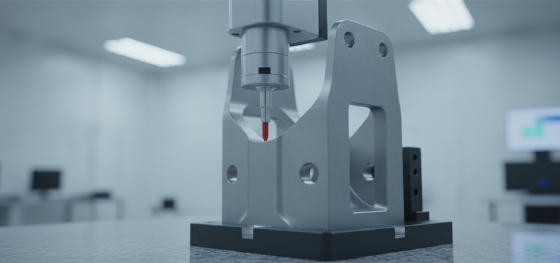
Perché le startup aeronautiche commerciali richiedono iniezione metallica specializzata in piccoli lotti?
Perché gli standard aerospaziali sono rigorosamente non negoziabili, richiedendo assoluta tracciabilità dei materiali e strutture interne a zero difetti per parti operanti a temperature estreme.
Gestire la complessa logistica della pressofusione aerospaziale richiede estrema disciplina di fabbrica. Forniamo certificazioni chimiche complete (CoA) e certificati di conformità RoHS con ogni singola consegna, mantenendo la vostra supply chain legalmente inattaccabile.
Monitorare ogni singola tolleranza dimensionale garantisce la sicurezza del volo. Impieghiamo avanzate macchine di misura a coordinate (CMM) e scanner laser nei nostri reparti di controllo qualità per verificare che le vostre parti corrispondano perfettamente ai vostri file CAD prima della spedizione.
Tecnologie emergenti: robotica e UAV commerciali
Why is die casting more economical than CNC machining for industrial drone fleets?
When your production volume moves past five hundred units, high-speed metal injection completely outruns slow spindle cutting, dropping your total unit expense by over seventy percent.
Decreasing the self-weight of automated robots is the key to increasing their operational payload and battery lifespan. Custom staffette pressofuse per robot components carved from magnesium alloys deliver featherweight strength for high-speed mechanical arms.
Mounting high-torque brushless motors onto uncrewed vehicles requires absolute structural rigidity. Utilizing heavy-duty pressofusione per droni motor mounts and structural brackets prevents harmonic resonance from destroying sensitive flight controllers.
Approvvigionamento chiavi in mano dalla fabbrica: bypassare gli intermediari con JC Rapid

Comparing raw numbers on a spreadsheet is only the first step. Sourcing custom die casting applications requires a manufacturing partner that controls the entire production cycle in-house, ensuring absolute quality control.
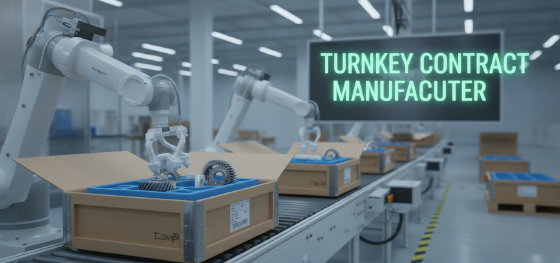
Shipping raw castings to separate machine and paint shops increases your shipping costs, lead times, and scrap rates through constant handling. JC Rapid houses the injection presses, CNC bays, and paint booths under one integrated roof.
Stop paying for logistical friction and delayed shipments. Send your complex CAD files to our engineering team today. We will run a complete, manual DFM flow analysis and deliver an extremely precise, guaranteed commercial quote within twenty-four hours.
FAQ: Risposte oneste su ammortamento e stampi in acciaio
Does the complexity of the internal gating system increase my die casting applications cost?
Sì, i canali di colata complessi consumano più metallo grezzo per colata. Progettiamo percorsi di colata altamente ottimizzati per ridurre al minimo il metallo di scarto in eccesso, mantenendo lo spreco di materiale eccezionalmente basso.
Posso utilizzare zinco e alluminio nello stesso identico stampo in acciaio?
No. Poiché metalli diversi si restringono e contraggono a velocità completamente diverse, versare alluminio in uno stampo progettato per lo zinco produrrà parti che non soddisfano le tolleranze dimensionali richieste.
Addebitate costi aggiuntivi per i Rapporti di Prova dei Materiali obbligatori?
Fornire certificazioni chimiche complete (CoA) e certificati di conformità RoHS con ogni singola consegna è la nostra pratica standard, inclusi interamente gratuitamente.
Quanto dura uno stampo in acciaio costoso quando si lavora l'alluminio?
Poiché l'alluminio fonde ad alte temperature, l'**acciaio per utensili H13** subisce fatica termica, limitando tipicamente la durata affidabile dello stampo a circa 100.000 colpi.


ㆍPrivacy: Rispettiamo la tua privacy. Qui puoi trovare un esempio di accordo di non divulgazione. Inviando questo modulo, accetti i nostri termini e condizioni e la politica sulla privacy.
