


Sourcing high-integrity metal billets represents a foundational decision for tooling engineers tasked with designing cost-effective injection molds for new product launches. Sourcing space-grade Alluminio alloys allows development teams to manufacture functional core and cavity inserts that survive rigorous, high-pressure production cycles safely. Traditional steel molds require months of slow EDM spark erosion, whereas soft metal inserts cut toolroom lead times by up to seventy percent. Symmetrical cooling rates and rapid heat dissipation prevent thin plastic walls from warping during part ejection. Sourcing high-quality raw stock protects your developmental budget from material premium markups.
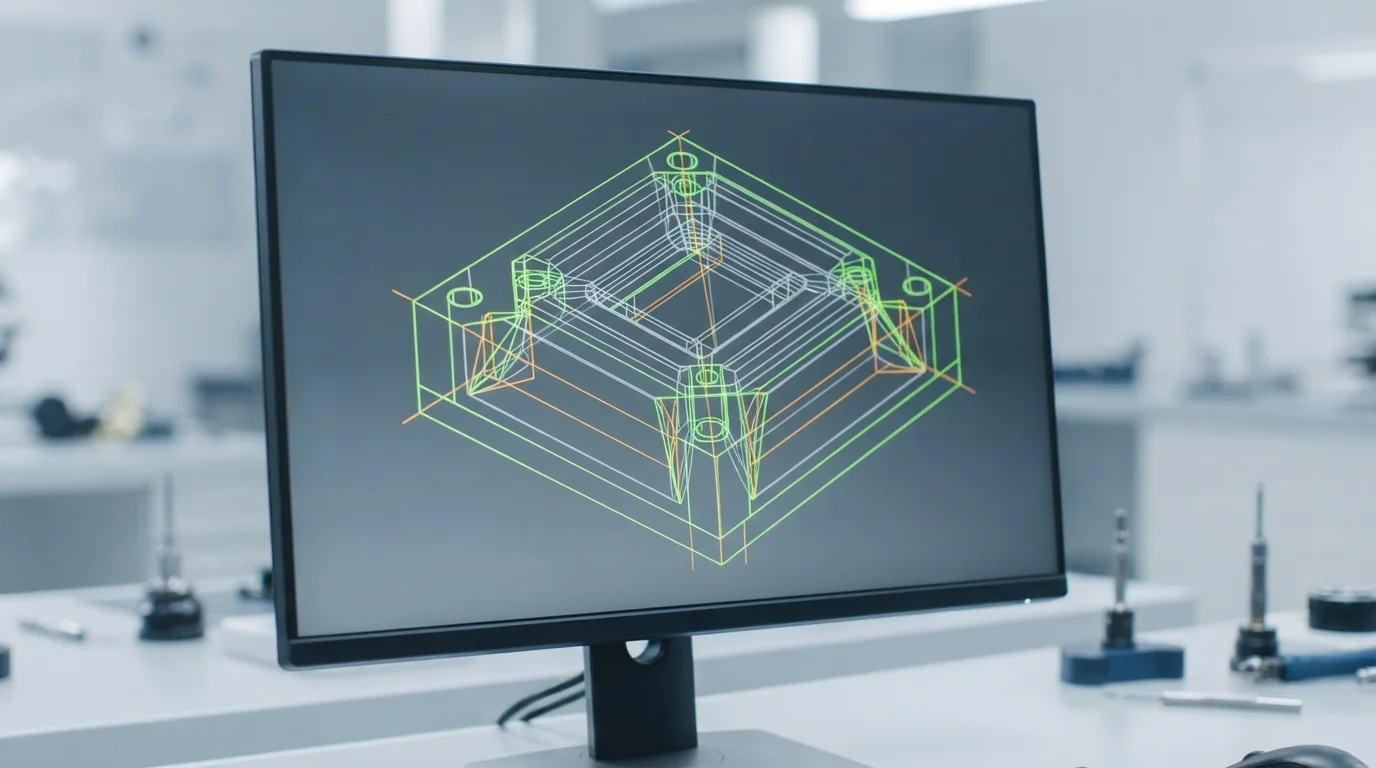
Slicing complex three-dimensional CAD files precisely allows experienced toolmakers to analyze parting lines, draft angles, and wall thicknesses using advanced mold flow simulation software. Standardizing non-critical clearances allows high-speed milling spindles to clear raw stock quickly, maximizing cutting efficiency. Sourcing your copies from an experienced manufacturer ensures design changes are propagated across all stages safely. Let’s look at why specific alloy compositions dictate tool longevity and how you can optimize your next mold project.
Indice
1. Zinc and Magnesium Metallurgy of Space-Grade Alloys
2. Choosing Between 7075 and 6061 Grades for Cavity Milling
3. Advanced Alternatives: Sourcing QC-10 and Hokotol Core Plates
Zinc and Magnesium Metallurgy of Space-Grade Alloys
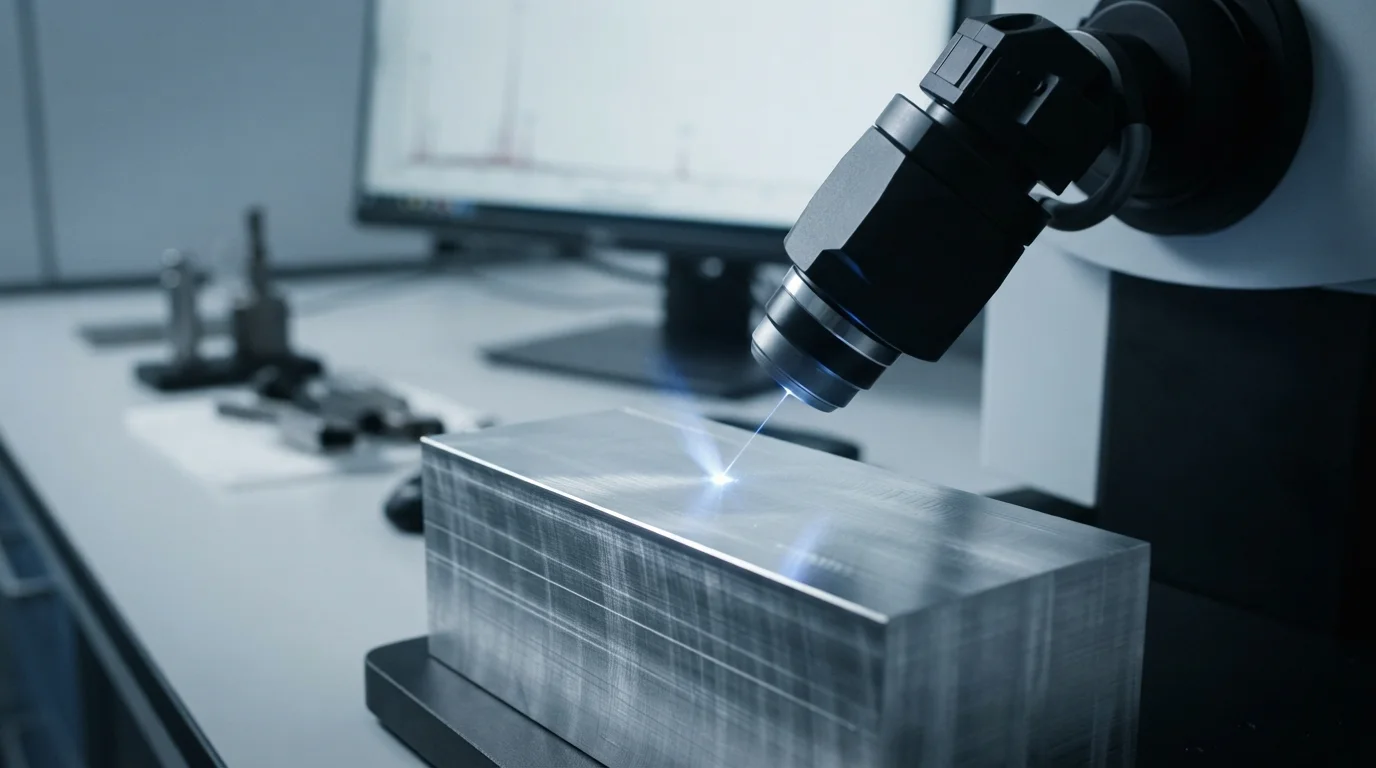
Question: What metallurgical elements give AL7075-T6 its high hardness? Alloyed zinc (5.1–6.1%) and magnesium (2.1–2.9%) undergo precipitation hardening, bringing metal yield strength near structural steel limits.
Precipitation-hardened aluminum alloys cut incredibly fast on CNC machines while maintaining the structural yield strength required to survive thousands of injection cycles. Sourcing a high-yield 7075 aluminum tooling plate provides a premium foundation that resists surface deformation under intense machine clamping forces. Tooling designers utilize zinc and magnesium alloying mechanics to protect parting lines from crushing or rolling during high-pressure cycles. Symmetrical metal grain structures prevent internal stress relief warping during high-speed spindle runs.
Zinc elements act as the primary strengthening agent, creating highly stable metallurgical boundaries when combined with magnesium and copper. Splicing raw CAD files precisely allows experienced toolmakers to analyze parting line shut-offs manually. Sourcing these specialized alloys ensures your prototype parts perform exactly like series-production injection molded components. Sourcing high-quality billet metals protects your developmental budget from material premium markups.
Choosing Between 7075 and 6061 Grades for Cavity Milling
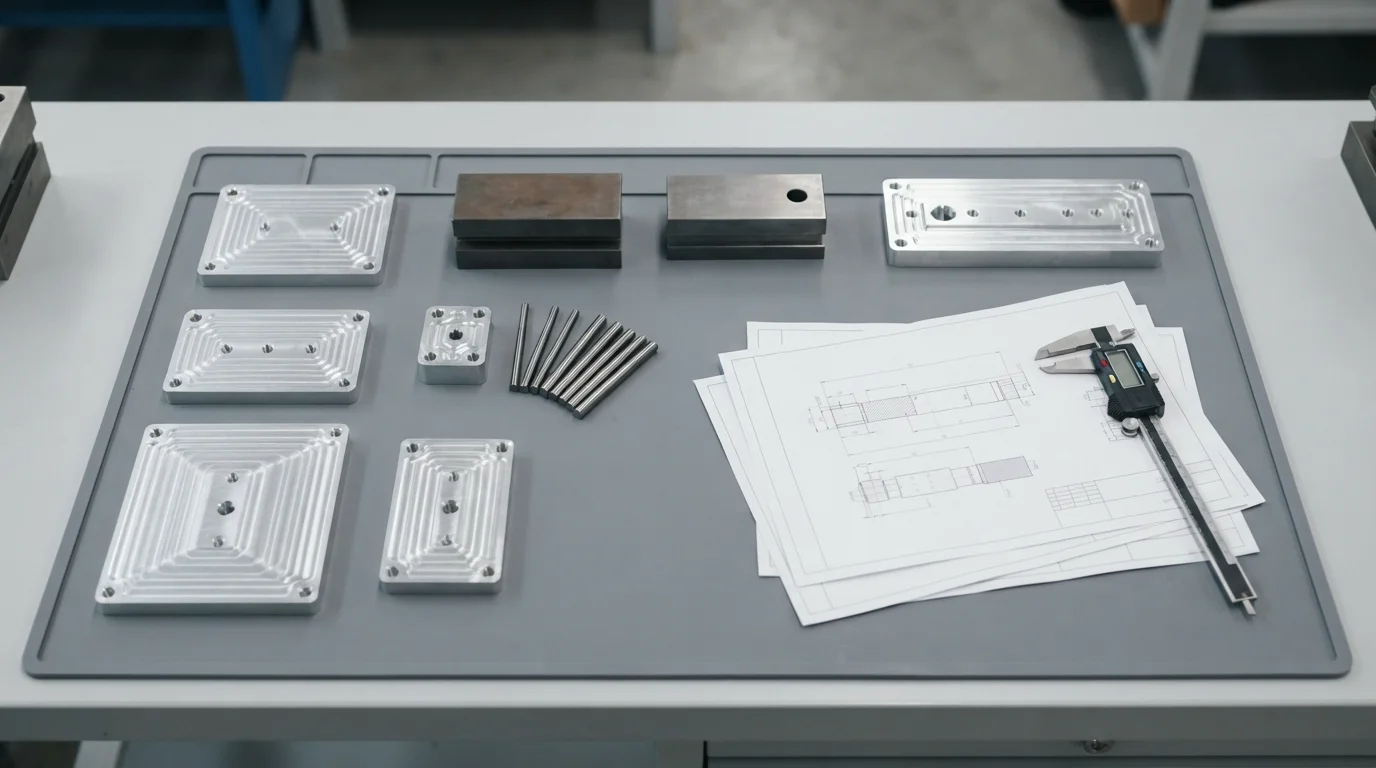
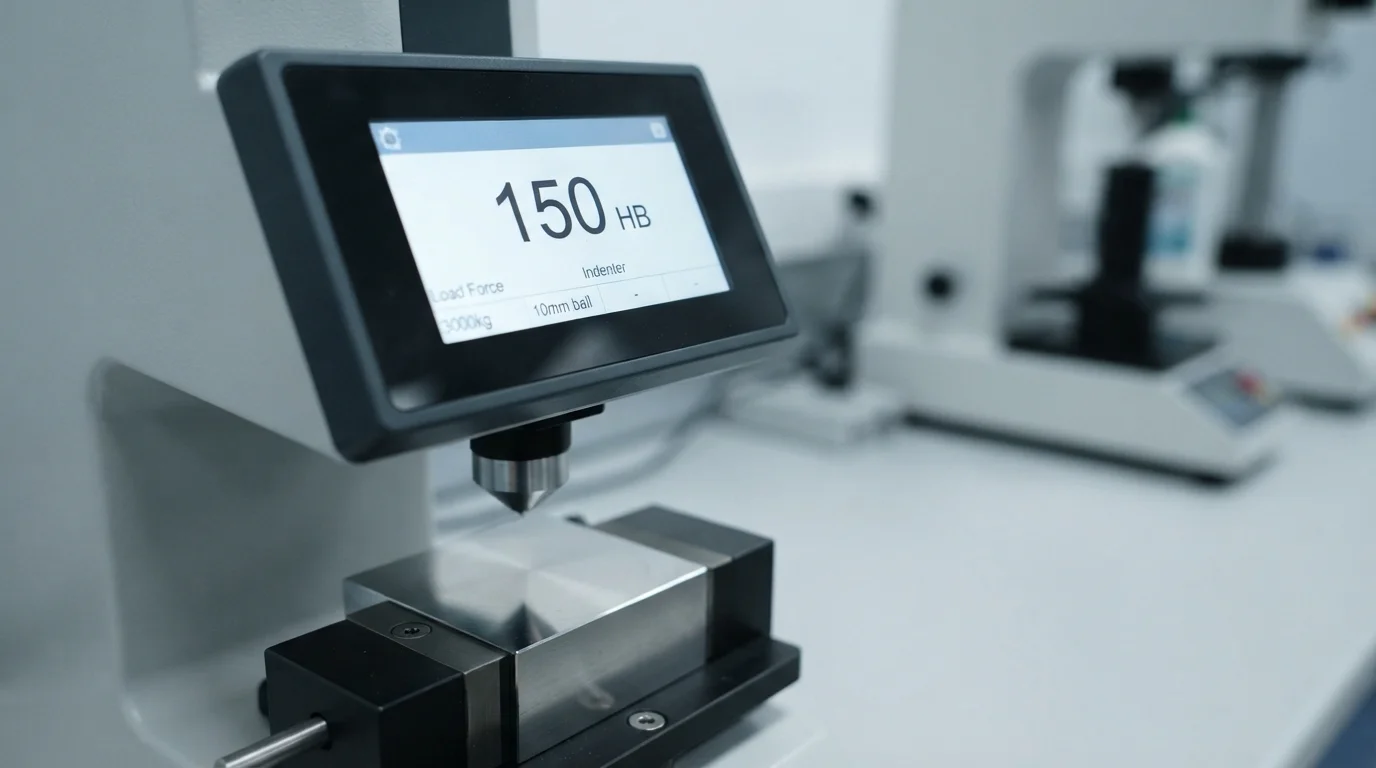
Question: Why is 7075 aluminum superior to 6061 for injection mold cavities? AL7075-T6 exhibits a Brinell hardness of 150 HB, allowing cavities to hold sharp corners and resist abrasive polymer wear far better than AL6061-T6 (95 HB).
La selezione del materiale strutturale corretto comporta il bilanciamento delle proprietà fisiche grezze con i tempi complessivi di fresatura e l'usura degli utensili. L'approvvigionamento di billette grezze in lastra per utensili in alluminio 7075 garantisce che le cavità dello stampo mantengano spigoli vivi e texture superficiali lucidate sotto il flusso abrasivo del polimero. AL6061-T6 rappresenta una lega altamente economica per attrezzature generali, ma la sua bassa durezza consente al flusso del polimero di erodere rapidamente i percorsi dei canali di iniezione. Questa tabella di confronto tecnico evidenzia le proprietà materiali di base critiche per il successo della lavorazione per asportazione di truciolo degli stampi:
| Grado della lega | Durezza Brinell | Conducibilità Termica | Scopo B2B primario |
|---|---|---|---|
| AL7075-T6 | 150 HB | 130 W/m·K | Inserti di nucleo e cavità, linee di divisione ad alta pressione |
| AL6061-T6 | 95 HB | 167 W/m·K | Basi per stampi a bassa pressione, piastre eiettrici per stampi a unità modulare (MUD) |
| QC-10 (Premium) | 165 HB | 160 W/m·K | Blocchi di nucleo ad alta durabilità, cicli di iniezione rapidi oltre 50.000 colpi |
La lavorazione della lega 7075 è altamente efficiente, producendo trucioli metallici netti che si allontanano facilmente dai denti della fresa senza attaccarsi. L'alluminio 6061 morbido, al contrario, tende a intasare le scanalature degli utensili da taglio, portando a rotture dell'utensile o a segni di graffio superficiali ruvidi. L'approvvigionamento di lastre per utensili in alluminio 7075 garantisce una finitura immacolata, senza segni di utensile, direttamente dai nostri mandrini di fresatura ad alta velocità. Linee di raffreddamento simmetriche instradate su macchine CNC multiasse seguono contorni complessi del pezzo, mantenendo un'assoluta uniformità di raffreddamento.
La fresatura di cavità di nucleo da leghe di alluminio ad alta durezza garantisce che i fori critici per viti filettate resistano alle forze di strappo durante cicli di assemblaggio ripetuti. I progettisti meccanici riducono le spese di produzione mantenendo dimensioni di parete robuste che resistono facilmente alla pressione di taglio rotazionale. Attrezzature di fissaggio simmetriche semplificano le configurazioni degli stampi, riducendo drasticamente le ore di programmazione iniziale.
Alternative Avanzate: Approvvigionamento di Lastre di Nucleo QC-10 e Hokotol
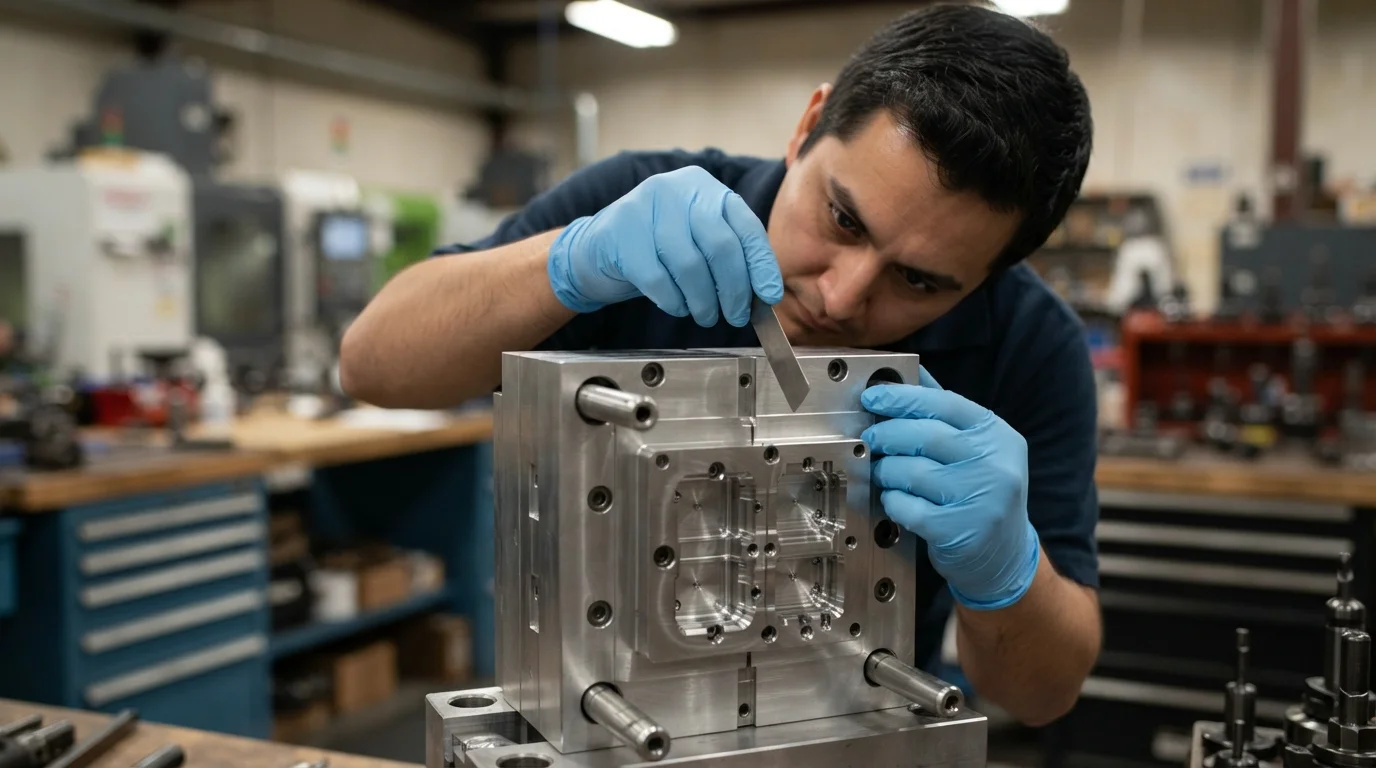
Question: What premium mold alloys outperform standard 7075 plate? Specialized tooling materials like Alcoa’s QC-10 and Hokotol deliver even higher hardness (up to 165 HB) and superior through-thickness consistency.
Sourcing advanced tooling alloys like QC-10 or Hokotol represents a necessary step when launching high-pressure injection programs with abrasive resins. Pre-hardened Acciaio per utensili (come P20) remains the industry standard for extreme durability, but these premium aluminum alloys offer an outstanding intermediate choice. Aluminum-zinc metallurgy ensures uniform hardness from the plate surface down to the center core, protecting deep-milled pockets. Sourcing these specialized alloys ensures your rapid molds survive extensive production cycles cleanly.
Jucheng Precision operates a fully-integrated factory setup containing both multi-axis machining centers and precision injection molding presses. Sourcing our expert revisioni DFM gratuite 24 ore su 24 recensioni aiuta i gruppi di prodotto a ottimizzare i punti di iniezione, le linee di divisione e i profili di sformo prima di tagliare il metallo. Reperire un Servizio di attrezzaggio rapido dedicato utilizzando anime in alluminio o acciaio dolce fornisce componenti stampati a iniezione autentici realizzati con resine di produzione in poche settimane. Reperire prototipi di alta qualità garantisce che i vostri progetti siano costruiti per resistere a forze dinamiche severe in modo sicuro.
Collaborare con uno specialista certificato Servizio di stampaggio a iniezione specialist ensures your finished hardware matches the premium software experience. Sourcing your quotes manually ensures experienced engineers analyze your 3D STEP files to find additional ways of optimizing your attrezzatura in alluminio materials selection. Sourcing high-fidelity pre-production parts prevents tooling reworks and protects launch budgets. Sourcing your components from our certified, single-roof manufacturing facility prevents communication errors, ensuring design changes are propagated across all stages safely.
Domande Frequenti (FAQ)
Why is 7075-T6 aluminum superior to 6061-T6 for mold cavities?
Selecting AL7075-T6 aluminum over standard 6061-T6 is critical because 7075 has significantly higher yield strength (503 MPa vs. 276 MPa) and hardness. Standardizing your CAD geometries early allows you to use rapid tooling aluminum molds to bypass high upfront steel mold expenses cheaply.
What is the thermal conductivity benefit of QC-10 compared to standard 7075 plates?
Premium QC-10 plates exhibit outstanding thermal conductivity of 160 W/m·K, which is over five times higher than standard P20 tool steel. Sourcing these high-conductivity alloys allows molders to reduce cooling cycle times by up to 50 percent, lowering overall part costs dramatically.
How does Brinell hardness dictate the maximum injection pressure on aluminum cores?
Brinell hardness of 150 HB allows 7075 aluminum to resist clamping force pressures of up to 500 tons safely on standard molding machines. Sourcing early DFM reviews simplifies parting line split lines, preventing soft shut-offs from crushing under high clamping pressures.

